Healthiest Breakfast Foods for Weight Loss | Eat Smarter
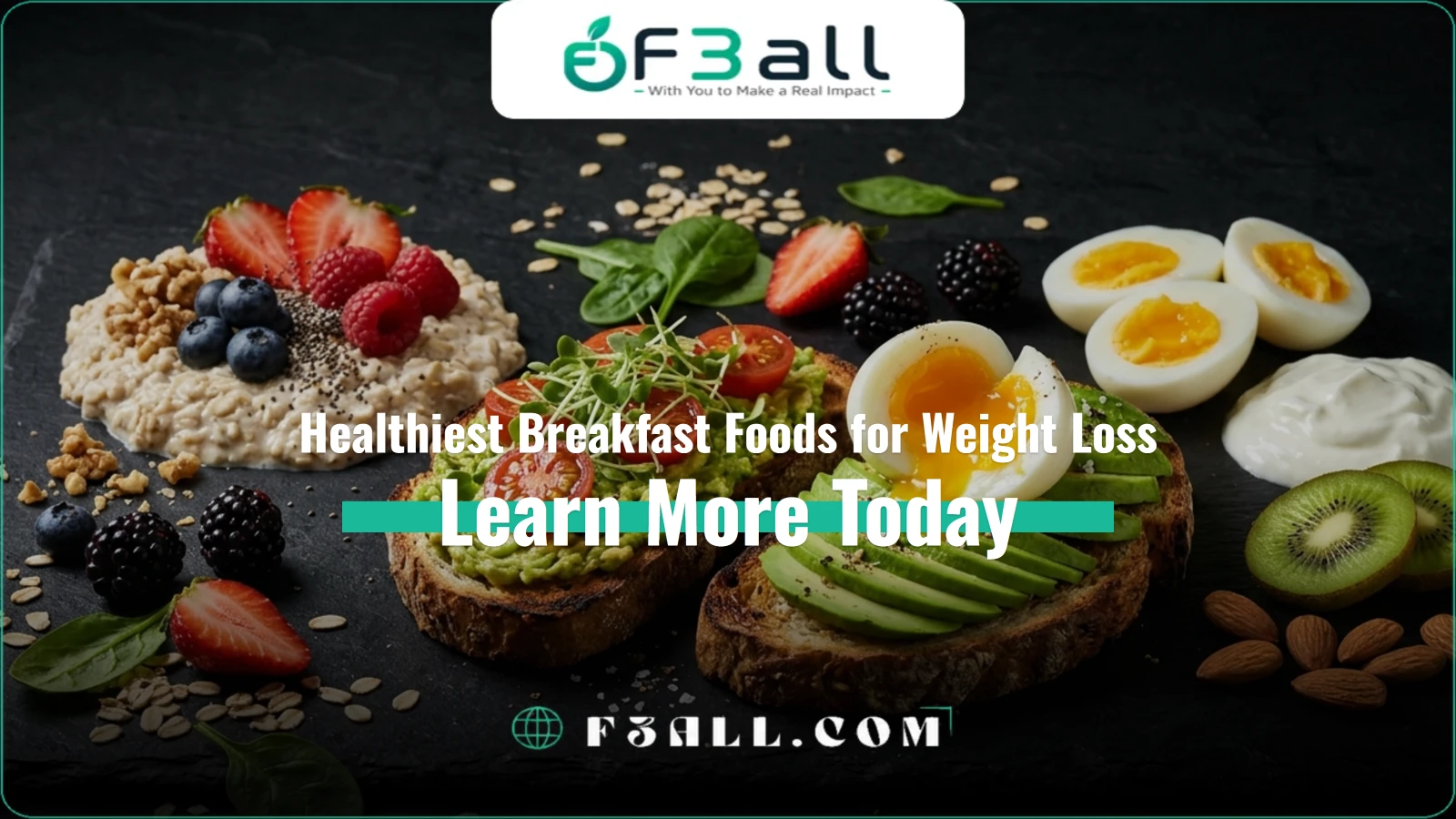
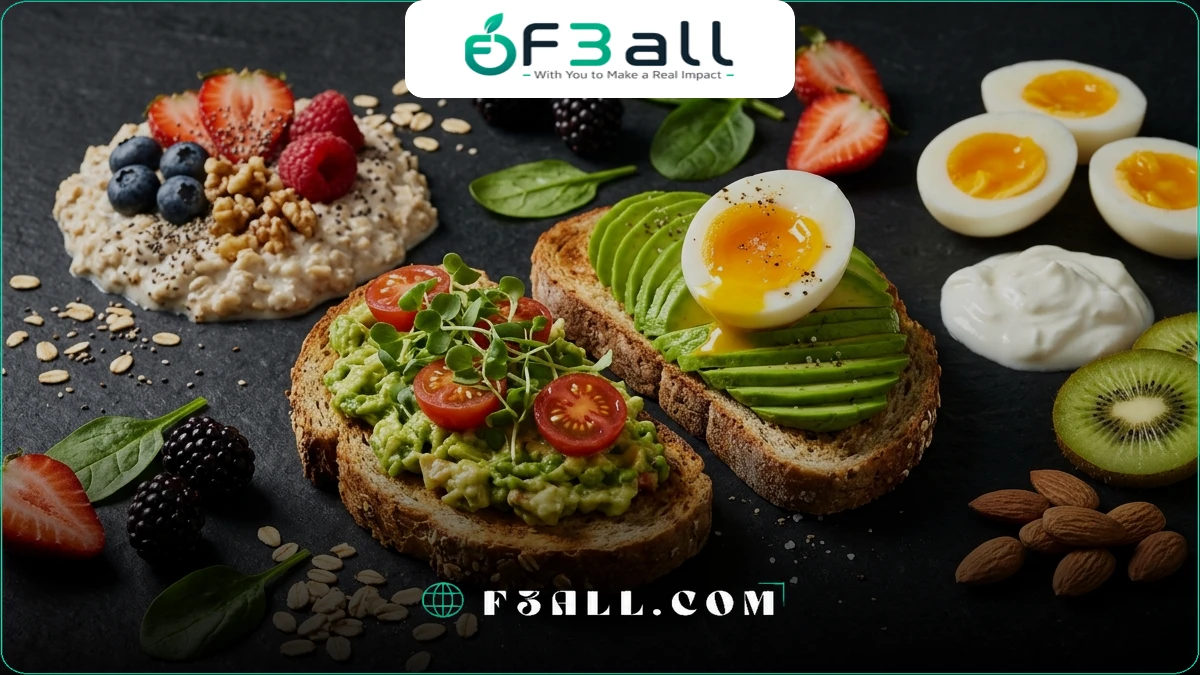
Healthiest Breakfast Foods for Weight Loss include nutritious options that provide protein, fiber, healthy fats, and essential vitamins without relying on extreme dietary restrictions. Eggs, Greek yogurt, oatmeal, berries, cottage cheese, and whole-grain toast can help create satisfying morning meals. However, breakfast alone does not determine whether someone loses weight. Portion sizes, overall calorie intake, physical activity, and individual needs all influence results. Choosing balanced foods makes it easier to build a breakfast routine that supports long-term health.
This guide compares breakfast calories and nutrition, explains practical benefits, provides easy recipes, and includes a seven-day meal plan with realistic weight-loss expectations.
Healthiest Breakfast Foods for Weight Loss – 15 Nutritious Choices

The Healthiest Breakfast Foods for Weight Loss are generally nutrient-dense, versatile, and easy to combine into balanced meals.
Rather than focusing on one supposedly perfect food, consider how different ingredients contribute protein, fiber, carbohydrates, and dietary fats.
Top Breakfast Foods
| Food | Approx. Calories per Serving | Main Nutritional Advantage |
| Eggs, 2 Large | 140–155 | Complete Protein |
| Plain Nonfat Greek Yogurt, 170 g | 95–110 | High Protein |
| Cooked Oatmeal, 1 Cup | 150–165 | Whole-Grain Fiber |
| Cottage Cheese, 150 g | 120–150 | Protein |
| Raspberries, 1 Cup | 64 | Fiber |
| Blueberries, 1 Cup | 84 | Vitamins and Fiber |
| Whole-Grain Bread, 1 Slice | 80–110 | Fiber and Carbohydrates |
| Avocado, 50 g | 80 | Unsaturated Fats |
| Chia Seeds, 1 Tablespoon | 60 | Fiber |
| Almonds, 20 g | 115–120 | Unsaturated Fats |
| Banana, 1 Medium | 105 | Carbohydrates and Potassium |
| Strawberries, 1 Cup | 45–50 | Vitamin C |
| Smoked Salmon, 85 g | 100–160 | Protein and Omega-3 Fats |
| Tofu, 100 g | 80–150 | Plant Protein |
| Cooked Lentils, ½ Cup | 115 | Fiber and Protein |
Values are approximate and vary by product and preparation.
What Makes a Breakfast Balanced?
A useful breakfast can contain:
- Protein to support muscle maintenance.
- Fiber-rich carbohydrates.
- Fruit or vegetables.
- Appropriate amounts of healthy fats.
- Enough energy for individual needs.
For example, Greek yogurt with oats, berries, and walnuts provides several food groups in one bowl.
Are Breakfast Foods Automatically Good for Weight Loss?
No.
A nutritious breakfast can still contain more calories than intended if portions and additions are excessive.
The healthiest breakfast is one that meets your nutritional needs, supports satisfaction, and fits your overall eating pattern.
Healthiest Breakfast Foods Calories for Weight Loss
Healthiest Breakfast Foods Calories for Weight Loss vary substantially depending on ingredients and serving sizes.
A simple bowl of yogurt may provide fewer calories than a large breakfast sandwich, but calories alone do not establish nutritional quality.
Breakfast Meal Comparisons
| Breakfast | Approx. Calories | Main Nutrients |
| Greek Yogurt and Berries | 150–180 | Protein and Fiber |
| Two Eggs and Whole-Grain Toast | 230–270 | Protein and Carbohydrates |
| Oatmeal With Banana | 250–280 | Fiber and Carbohydrates |
| Cottage Cheese and Fruit | 200–250 | Protein and Vitamins |
| Avocado Egg Toast | 300–350 | Protein and Unsaturated Fats |
| Chia Pudding With Berries | 220–280 | Fiber and Healthy Fats |
| Vegetable Tofu Scramble | 250–320 | Plant Protein |
| Yogurt, Oats, and Nuts | 350–420 | Protein, Fiber, and Fats |
How Toppings Change Calories
Consider oatmeal as an example.
Plain oatmeal may provide approximately 150 calories per cooked cup.
Adding a tablespoon of peanut butter contributes approximately 95 calories, while a tablespoon of honey adds approximately 64.
These additions are not necessarily unhealthy, but they change the meal’s energy content.
Should Breakfast Be Under 300 Calories?
Not necessarily.
A breakfast containing 400–500 calories may be suitable for some adults, depending on daily energy requirements.
A very small breakfast may leave others hungry.
Is a Low-Calorie Breakfast Always Better?
No.
A balanced meal with adequate protein and fiber may be more satisfying than a lower-calorie option lacking important nutrients.
Compare complete breakfast meals rather than judging foods solely by their calorie content.
Healthiest Breakfast Foods Nutrition for Weight Loss
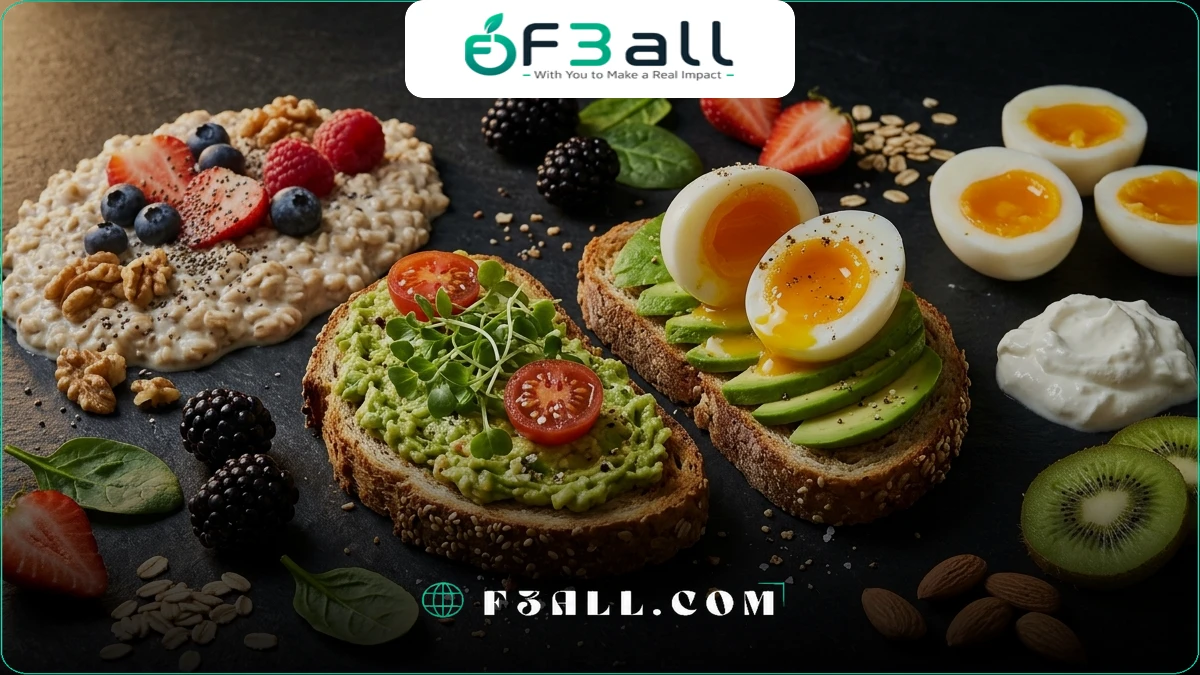
Healthiest Breakfast Foods Nutrition for Weight Loss involves selecting foods that provide essential nutrients while supporting appropriate energy intake.
Protein-Rich Foods
Eggs, Greek yogurt, cottage cheese, tofu, and fish contribute protein.
Protein supports tissue repair and muscle maintenance.
Fiber-Rich Foods
Oats, berries, whole-grain bread, chia seeds, and fruit provide dietary fiber.
Fiber supports digestive health and may contribute to fullness.
Healthy Fat Sources
Avocado, nuts, seeds, and fatty fish provide unsaturated fats.
These foods can be nutritious but are relatively energy-dense.
Essential Micronutrients
| Nutrient | Breakfast Sources | Main Function |
| Protein | Eggs, Yogurt, Tofu | Tissue Maintenance |
| Fiber | Oats, Berries, Seeds | Digestive Health |
| Calcium | Yogurt, Cottage Cheese | Bone Health |
| Vitamin C | Strawberries, Kiwi | Normal Immune Function |
| Vitamin B12 | Eggs, Dairy, Fish | Nervous System Function |
| Potassium | Banana, Avocado | Muscle and Nerve Function |
| Iron | Lentils, Fortified Cereals | Oxygen Transport |
| Omega-3 Fats | Salmon, Chia Seeds | Essential Fatty Acid Intake |
Why Food Combinations Matter
Oatmeal supplies fiber but relatively little protein compared with Greek yogurt.
Combining the two creates a more nutritionally balanced meal.
Similarly, whole-grain toast with eggs provides both carbohydrates and protein.
Does Breakfast Need Every Nutrient?
No.
Nutritional adequacy is assessed across the whole day and over time.
Aim for dietary variety rather than expecting one breakfast to provide every essential nutrient.
Read more about: Carbs for Weight Loss | Compare Foods and Portions Now.
Healthiest Breakfast Foods Benefits for Weight Loss
Healthiest Breakfast Foods Benefits for Weight Loss depend on the foods chosen and how breakfast affects total daily intake.
Potential Benefits
- Meal satisfaction: Protein and fiber may help support fullness.
- Nutrient intake: Breakfast can contribute vitamins and minerals.
- Convenience: Prepared breakfasts reduce morning decisions.
- Protein distribution: Breakfast provides an opportunity to include protein earlier in the day.
- Fiber intake: Oats, berries, and whole grains contribute fiber.
- Dietary consistency: A planned meal can support a structured routine.
Benefits and Limitations
| Benefit | Practical Example | Limitation |
| Fullness | Eggs and Whole-Grain Toast | Individual responses vary |
| Protein Intake | Greek Yogurt | Total daily intake matters |
| Fiber | Oatmeal and Berries | Portion and variety matter |
| Convenience | Overnight Oats | Preparation still required |
| Nutritional Quality | Fruit and Dairy | No single food is complete |
| Meal Structure | Planned Breakfast | Not necessary for everyone |
Does Eating Breakfast Increase Metabolism?
Eating breakfast does not reliably produce a special metabolic advantage that guarantees weight loss.
Is Skipping Breakfast Bad?
Not automatically.
Some people prefer breakfast, while others naturally eat later.
The appropriate pattern depends on individual needs, medical circumstances, and overall dietary quality.
A healthy breakfast is useful when it improves your nutrition and routine, not because eating early automatically burns more fat.
Healthiest Breakfast Foods Serving Size for Weight Loss
Healthiest Breakfast Foods Serving Size for Weight Loss depends on hunger, activity, energy requirements, and meal composition.
There is no universal breakfast portion.
Practical Serving Guide
| Food | Example Serving | Approx. Calories |
| Eggs | 2 Large | 140–155 |
| Greek Yogurt | 170–200 g | 100–125 |
| Rolled Oats | 40 g Dry | 150 |
| Whole-Grain Bread | 2 Slices | 160–220 |
| Berries | 100 g | 30–60 |
| Avocado | 50 g | 80 |
| Almonds | 20 g | 115–120 |
| Cottage Cheese | 150 g | 120–150 |
How to Build a Breakfast Plate
Choose a protein source, add a fiber-rich food, include fruit or vegetables, and use a suitable amount of fat.
Should You Measure Portions?
Measuring occasionally can help clarify serving sizes, but it is not necessary for everyone.
Does a Bigger Breakfast Cause Weight Gain?
Not independently.
Body-weight changes depend on total energy balance over time.
Use serving sizes as flexible planning tools rather than strict rules that ignore hunger and individual needs.
Healthiest Breakfast Foods Recipes for Weight Loss – Eight Easy Meals
Healthiest Breakfast Foods Recipes for Weight Loss can be prepared with familiar ingredients and minimal equipment.
Calories are approximate and vary by product.
Recipe 1 – Greek Yogurt Berry Bowl
Ingredients
- 200 g plain nonfat Greek yogurt.
- 100 g blueberries.
- 30 g rolled oats.
- Cinnamon.
Instructions
- Place yogurt in a bowl.
- Add blueberries.
- Sprinkle oats and cinnamon.
- Mix gently and serve.
Estimated calories: 290–310.
This meal combines protein, whole grains, and fruit.
Recipe 2 – Spinach and Egg Toast
Ingredients
- 2 eggs.
- 1 slice whole-grain bread.
- 50 g spinach.
- 1 teaspoon olive oil.
Instructions
- Heat olive oil in a pan.
- Cook spinach until wilted.
- Add eggs and cook thoroughly.
- Toast bread.
- Serve eggs and spinach over toast.
Estimated calories: 270–310.
This provides protein and vegetables.
Recipe 3 – Apple Cinnamon Overnight Oats
Ingredients
- 40 g rolled oats.
- 150 g plain Greek yogurt.
- 100 g apple.
- 100 ml water or milk.
- Cinnamon.
Instructions
- Combine oats and yogurt.
- Add liquid and cinnamon.
- Stir in chopped apple.
- Refrigerate overnight.
- Serve chilled.
Estimated calories: 300–350.
Oats and apples contribute dietary fiber.
Recipe 4 – Cottage Cheese Strawberry Bowl
Ingredients
- 200 g low-fat cottage cheese.
- 100 g strawberries.
- 10 g walnuts.
Instructions
- Add cottage cheese to a bowl.
- Slice strawberries.
- Add fruit and chopped walnuts.
- Serve immediately.
Estimated calories: 250–290.
This breakfast provides protein and unsaturated fats.
Recipe 5 – Avocado Egg Toast
Ingredients
- 1 slice whole-grain bread.
- 1 egg.
- 50 g avocado.
- Lemon juice.
- Black pepper.
Instructions
- Toast bread.
- Mash avocado with lemon.
- Cook egg thoroughly.
- Spread avocado over toast.
- Add egg and pepper.
Estimated calories: 230–270.
This combines protein, carbohydrates, and fats.
Recipe 6 – Raspberry Chia Pudding
Ingredients
- 2 tablespoons chia seeds.
- 150 ml unsweetened milk.
- 100 g raspberries.
- Vanilla.
Instructions
- Mix chia seeds with milk.
- Add vanilla.
- Refrigerate until thickened.
- Stir thoroughly.
- Top with raspberries.
Estimated calories: 200–260.
Chia seeds and raspberries provide substantial fiber.
Recipe 7 – Vegetable Tofu Scramble
Ingredients
- 150 g firm tofu.
- 100 g bell peppers.
- 50 g spinach.
- 1 teaspoon olive oil.
- Turmeric and pepper.
Instructions
- Crumble tofu.
- Heat olive oil.
- Cook vegetables.
- Add tofu and seasonings.
- Heat thoroughly and serve.
Estimated calories: 240–310.
This offers a plant-based protein option.
Recipe 8 – Banana Oat Pancakes
Ingredients
- 1 medium banana.
- 1 egg.
- 40 g oat flour.
- Cinnamon.
Instructions
- Mash banana.
- Mix with egg and oat flour.
- Add cinnamon.
- Cook small pancakes in a nonstick pan.
- Serve without excessive syrup.
Estimated calories: 320–350.
This recipe combines fruit, eggs, and whole grains.
Recipe Comparison
| Recipe | Approx. Calories | Main Nutritional Feature |
| Yogurt Berry Bowl | 290–310 | Protein and Fiber |
| Spinach Egg Toast | 270–310 | Protein and Vegetables |
| Apple Overnight Oats | 300–350 | Whole-Grain Fiber |
| Cottage Cheese Bowl | 250–290 | Protein |
| Avocado Egg Toast | 230–270 | Healthy Fats |
| Raspberry Chia Pudding | 200–260 | Fiber |
| Tofu Scramble | 240–310 | Plant Protein |
| Banana Oat Pancakes | 320–350 | Carbohydrates and Protein |
Rotate breakfast recipes to improve variety and make healthy eating easier to maintain.
Read more about: Superfoods for Weight Loss | Discover the Best Foods
Healthiest Breakfast Foods Diet Plan – Seven-Day Menu
A Healthiest Breakfast Foods Diet Plan should provide variety rather than repeating one food every morning.
The following seven-day plan offers balanced breakfast ideas.
| Day | Breakfast | Approx. Calories |
| Monday | Greek Yogurt, Oats, and Blueberries | 300 |
| Tuesday | Spinach Eggs and Whole-Grain Toast | 290 |
| Wednesday | Apple Cinnamon Overnight Oats | 330 |
| Thursday | Cottage Cheese and Strawberries | 270 |
| Friday | Avocado Egg Toast With Fruit | 320 |
| Saturday | Vegetable Tofu Scramble and Toast | 350 |
| Sunday | Banana Oat Pancakes With Yogurt | 420 |
Calories are estimates; adjust portions and ingredients to your needs.
How to Use the Plan
- Choose breakfasts that fit your schedule.
- Adjust serving sizes according to energy needs.
- Include protein regularly.
- Add fruit or vegetables.
- Rotate whole grains and fiber sources.
- Limit unnecessary added sugar.
- Maintain balanced meals throughout the day.
Meal Prep Tips
Prepare overnight oats in advance, wash fruit, portion yogurt, and chop vegetables.
Refrigerate perishable ingredients promptly and follow safe storage instructions.
Can You Repeat the Same Breakfast Daily?
Yes, although variety helps provide different nutrients and may prevent boredom.
A weekly breakfast plan is most effective when it is flexible, practical, and nutritionally balanced.
Healthiest Breakfast Foods Best Time to Eat
Healthiest Breakfast Foods Best Time to Eat depends on appetite, daily schedules, physical activity, and personal preferences.
There is no established breakfast hour that guarantees greater fat loss.
Early Breakfast
People who wake early may prefer eating before work or exercise.
Midmorning Breakfast
Others may prefer eating later when they become hungry.
Breakfast Before Exercise
A light meal containing carbohydrates may be comfortable before some activities.
Large, high-fat meals immediately before exercise may cause discomfort.
Breakfast After Exercise
Protein and carbohydrates can contribute to recovery and overall nutritional intake.
Timing Comparison
| Timing | Example | Consideration |
| Early Morning | Yogurt and Oats | Convenient Preparation |
| Midmorning | Eggs and Toast | Satisfying Meal |
| Before Exercise | Banana and Yogurt | Digestive Tolerance |
| After Exercise | Eggs and Whole Grains | Protein and Carbohydrates |
Is Breakfast Necessary for Weight Loss?
No.
Some people find breakfast helpful for hunger management, while others do well with different meal schedules.
Choose breakfast timing based on individual needs rather than assuming that eating at a particular hour increases fat burning.
Healthiest Breakfast Foods for Belly Fat – Understanding the Evidence
Healthiest Breakfast Foods for Belly Fat is a popular topic because abdominal fat is associated with health concerns.
However, no breakfast food selectively burns fat around the waist.
Types of Abdominal Fat
- Subcutaneous fat: Located beneath the skin.
- Visceral fat: Located around internal organs.
Excess visceral fat is associated with increased cardiometabolic risk.
Can Oatmeal Burn Belly Fat?
No.
Oatmeal provides fiber but does not directly target abdominal fat.
Do Eggs Reduce Waist Size?
Eggs provide protein, but eating them does not guarantee waist reduction.
Can Greek Yogurt Melt Belly Fat?
No.
Greek yogurt can contribute protein to a balanced diet, but it does not selectively remove abdominal fat.
Claim Comparison
| Claim | Evidence-Based Assessment |
| Oatmeal Melts Belly Fat | Unsupported |
| Eggs Target Waist Fat | Unsupported |
| Protein Supports Muscle Maintenance | Yes |
| Fiber May Support Fullness | Yes |
| Overall Fat Loss May Reduce Waist Size | Yes |
| Spot Reduction Is Guaranteed | No |
Balanced breakfasts can support overall dietary quality, but belly-fat reduction depends on broader physiological and lifestyle factors.
Healthiest Breakfast Foods Weight Loss Results – What to Expect
Healthiest Breakfast Foods Weight Loss Results depend on whether breakfast choices improve overall energy balance and nutritional consistency.
A balanced breakfast may help some people manage hunger, but results vary.
Results After Seven Days
You may establish a more consistent morning routine and improve protein or fiber intake.
Short-term scale changes do not necessarily represent fat loss.
Results After 30 Days
If breakfast substitutions contribute to an appropriate calorie deficit, weight reduction may occur.
Results After 90 Days
Longer-term changes may include improvements in meal preparation habits, weight trends, or other health indicators.
Example Breakfast Substitution
Suppose someone replaces a 550-calorie pastry-and-drink breakfast with a 350-calorie yogurt-and-oats meal.
The difference is 200 calories per substitution.
| Frequency | Illustrative Calorie Difference |
| Once | 200 |
| Five Times | 1,000 |
| Ten Times | 2,000 |
| Twenty Times | 4,000 |
These numbers describe meal-calorie differences, not guaranteed weight-loss outcomes.
What Should You Track?
Consider meal satisfaction, protein and fiber intake, dietary consistency, physical activity, and appropriate long-term weight trends.
Healthy breakfast choices are valuable when they support sustainable eating habits rather than promises of rapid results.
Read more about: High Protein Diet Plan for Weight Loss | Get Your Plans
Healthiest Breakfast Foods vs Alternatives for Weight Loss
Healthiest Breakfast Foods vs Alternatives for Weight Loss involves comparing nutrient-dense meals with common convenience options.
Not every packaged breakfast is nutritionally equivalent.
Breakfast Comparison
| Breakfast Option | Potential Advantage | Main Consideration |
| Greek Yogurt and Fruit | Protein and Vitamins | Added Sugar Varies |
| Eggs and Whole-Grain Toast | Protein and Fiber | Cooking Additions Matter |
| Oatmeal | Whole-Grain Fiber | Toppings Affect Calories |
| Sugary Breakfast Cereal | Convenient | Often Less Fiber or Protein |
| Pastry | Convenient | May Be Energy-Dense |
| Protein Bar | Portable | Product Formulations Vary |
| Fruit Smoothie | Convenient | Protein and Fiber Vary |
| Breakfast Sandwich | Can Provide Protein | Sodium and Calories Vary |
Oatmeal vs Eggs
Oatmeal contributes fiber-rich carbohydrates, while eggs provide complete protein.
Combining them may be more nutritionally balanced than choosing only one.
Greek Yogurt vs Protein Bars
Greek yogurt commonly provides protein and calcium.
Protein bars vary widely in calories, fiber, and added sugar.
Whole Fruit vs Fruit Juice
Whole fruit generally provides more fiber than filtered juice.
Homemade vs Restaurant Breakfast
Homemade meals allow greater control over ingredients, but nutritious restaurant options are also possible.
Choose breakfast foods based on their complete nutritional profile rather than marketing claims or a single nutrient.
Common Breakfast Mistakes That Can Affect Weight Management
A healthy breakfast routine can become less balanced when important details are overlooked.
Mistakes to Avoid
- Ignoring added sugar: Sweetened cereals and yogurts may contain substantial added sugar.
- Using excessive toppings: Nuts, syrups, and spreads increase calories.
- Skipping protein: Some breakfasts contain mostly refined carbohydrates.
- Avoiding all fats: Healthy fats are essential nutrients.
- Eating too little: An inadequate breakfast may leave some people hungry.
- Forcing breakfast: Not everyone needs the same meal schedule.
- Expecting belly-fat reduction: No food targets one body area.
Practical Solutions
| Mistake | Better Approach |
| Excess Added Sugar | Choose Plain Yogurt and Whole Fruit |
| Large Topping Portions | Measure Energy-Dense Additions |
| Low Protein | Include Eggs, Dairy, or Tofu |
| Missing Fiber | Add Oats, Berries, or Whole Grains |
| Restrictive Portions | Match Intake to Individual Needs |
| Rigid Meal Timing | Use a Sustainable Routine |
A successful breakfast routine should be nourishing and flexible rather than unnecessarily restrictive.
Why F3all Is Your Best Choice

At F3all, our Healthiest Breakfast Foods for Weight Loss guide focuses on practical nutrition, simple recipes, and realistic expectations.
We help readers compare everyday breakfast foods and build balanced meals without exaggerated fat-burning claims.
- Food Comparisons: Explore calories and nutritional differences.
- Protein and Fiber Guidance: Understand how breakfast ingredients contribute to balanced eating.
- Serving Size Examples: Plan portions according to individual needs.
- Easy Recipes: Prepare breakfasts using familiar ingredients.
- Seven-Day Planning: Organize meals without restrictive rules.
- Belly-Fat Facts: Separate nutrition evidence from unsupported claims.
- Realistic Results: Focus on sustainable habits.
Explore additional healthy eating resources at F3all.
F3all helps readers make informed breakfast choices through clear comparisons and practical meal ideas.
Frequently Asked Questions
What Are the Healthiest Breakfast Foods for Weight Loss?
Eggs, Greek yogurt, oatmeal, berries, cottage cheese, whole-grain bread, tofu, and fruit can contribute to balanced breakfasts.
Is Oatmeal Good for Weight Loss?
Oatmeal provides whole-grain fiber and can fit into a balanced diet. Results depend on portions and overall eating habits.
Are Eggs Good for Weight Loss?
Eggs provide complete protein and essential nutrients. They do not independently cause weight loss.
Is Greek Yogurt Better Than Regular Yogurt?
Greek yogurt generally contains more protein per 100 grams, but both can be nutritious. Compare product labels.
How Many Calories Should Breakfast Contain?
There is no universal amount. Breakfast calories depend on individual daily energy requirements and meal preferences.
Can Breakfast Reduce Belly Fat?
No breakfast selectively reduces abdominal fat. Overall body-fat changes depend on broader factors.
Is Skipping Breakfast Bad for Weight Loss?
Not necessarily. Different meal schedules can work for different people.
What Is the Best High-Protein Breakfast?
Eggs, Greek yogurt, cottage cheese, tofu, and fish are useful protein sources. Balanced combinations are generally more practical than one food alone.
What Is the Best Time to Eat Breakfast for Weight Loss?
There is no proven optimal hour. Choose a time that suits your appetite, activity, and routine.
How Much Weight Can I Lose in 30 Days by Eating a Healthy Breakfast?
No specific amount can be predicted from breakfast alone. Results depend on total energy intake, physical activity, health, and individual circumstances.
In the End
Healthiest Breakfast Foods for Weight Loss include a variety of nutrient-dense foods that provide protein, fiber, healthy fats, vitamins, and minerals.
Eggs, Greek yogurt, oats, berries, cottage cheese, whole grains, and plant-based proteins can help create satisfying meals that fit different lifestyles.
However, breakfast alone does not determine weight loss, and no morning food selectively burns belly fat.
For sustainable progress, choose balanced combinations, use appropriate portions, and maintain nutritious eating habits throughout the day.
Build a breakfast routine that supports your energy, satisfaction, and long-term health rather than relying on promises of rapid weight loss.
References