Healthiest Cheese for Weight Loss | Compare Choices Now
Finding the Healthiest Cheese for Weight Loss does not mean eliminating your favorite dairy foods or choosing only fat-free products. Cheese provides protein, calcium, and essential nutrients, but its calorie density, saturated fat, and sodium content vary considerably between varieties. Cottage cheese, ricotta, mozzarella, feta, and Parmesan can all fit into a balanced eating plan when portions are appropriate. Understanding their nutritional differences helps you enjoy cheese while managing overall calorie intake.
This guide compares popular cheeses, explains their nutritional benefits, recommends serving sizes, and provides practical recipes and a seven-day meal plan. It also explores belly-fat claims, realistic weight-loss results, and alternatives to traditional cheese.
Healthiest Cheese for Weight Loss – 10 Options Worth Considering
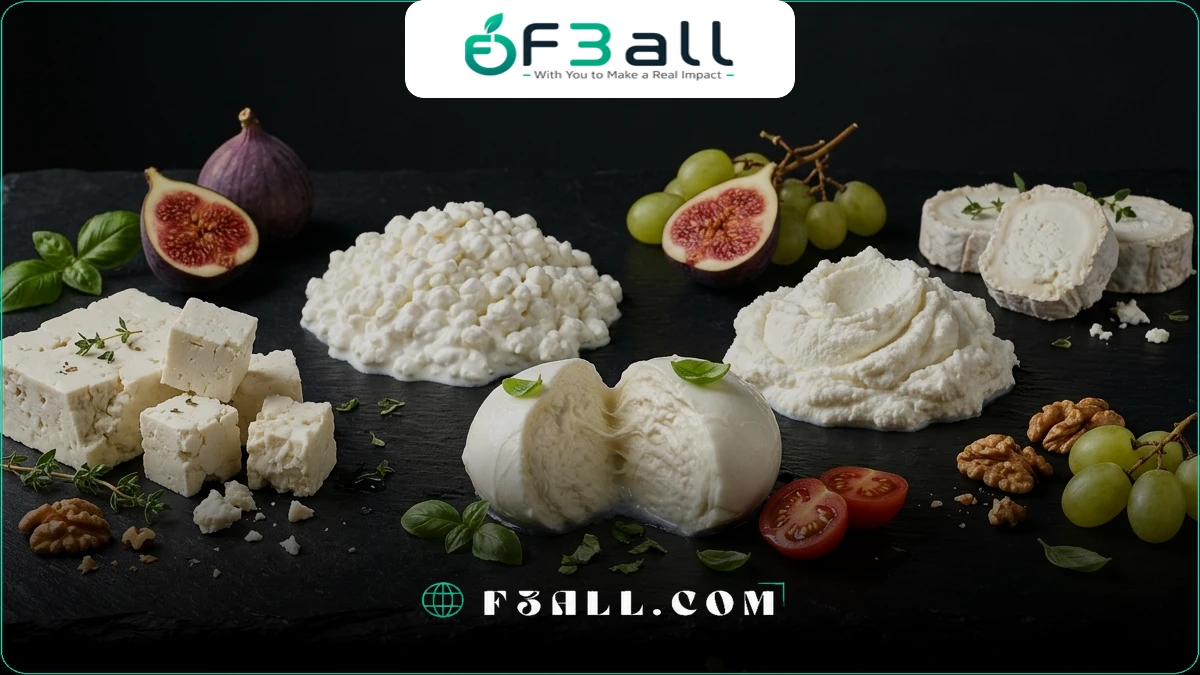
The Healthiest Cheese for Weight Loss depends on your calorie needs, protein goals, taste preferences, and overall dietary pattern.
Some cheeses provide substantial protein for relatively few calories. Others are more concentrated sources of fat and energy but work well in smaller quantities.
Comparing Popular Cheese Varieties
| Cheese | Typical Serving | Approx. Calories | Approx. Protein |
| Low-Fat Cottage Cheese | 100 g | 75–95 | 11–13 g |
| Part-Skim Ricotta | 100 g | 135–175 | 10–12 g |
| Part-Skim Mozzarella | 28 g | 70–85 | 7–8 g |
| Feta | 28 g | 70–85 | 4 g |
| Goat Cheese | 28 g | 75–105 | 5–6 g |
| Parmesan | 28 g | 110–120 | 10 g |
| Swiss Cheese | 28 g | 105–115 | 8 g |
| Cheddar | 28 g | 110–120 | 6–7 g |
| Reduced-Fat Cheddar | 28 g | 75–95 | 7–9 g |
| Cream Cheese | 28 g | 90–105 | 1–2 g |
Values are approximate. Fat content, moisture, and brand formulations affect nutrition.
Which Cheese Is the Best Overall?
Low-fat cottage cheese is a practical choice for people seeking substantial protein with relatively few calories.
Part-skim mozzarella is useful in sandwiches, salads, and cooked dishes.
Feta and Parmesan provide concentrated flavor, so smaller portions may be satisfying.
Does Cheese Have to Be Low-Fat?
No. Full-fat cheese can fit into a balanced diet, although it generally contributes more calories and saturated fat.
The best cheese is the variety that meets your nutritional needs and fits comfortably into your usual meals.
Healthiest Cheese Calories for Weight Loss – Understanding Energy Density
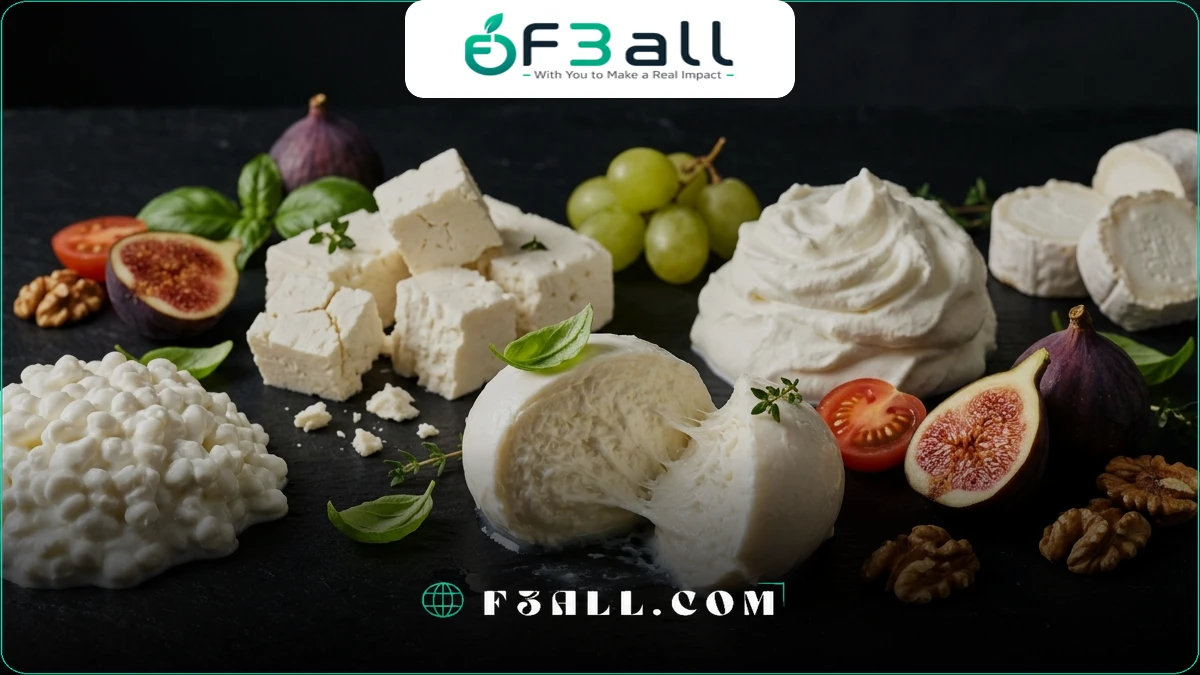
Healthiest Cheese Calories for Weight Loss is an important comparison because cheeses differ significantly in water and fat content.
Moist cheeses such as cottage cheese often contain fewer calories per 100 grams than hard cheeses such as Parmesan.
However, comparing equal weights does not always reflect how people use these foods.
Calories in Common Portions
| Cheese | Portion | Approx. Calories |
| Low-Fat Cottage Cheese | ½ Cup | 80–110 |
| Part-Skim Ricotta | ¼ Cup | 80–110 |
| Part-Skim Mozzarella | 28 g | 70–85 |
| Feta | 28 g | 70–85 |
| Parmesan | 1 Tablespoon Grated | 20–25 |
| Cheddar | 28 g | 110–120 |
| Swiss | 28 g | 105–115 |
| Cream Cheese | 1 Tablespoon | 45–55 |
Why Hard Cheese Has More Calories
Hard cheeses contain less water, concentrating their fat, protein, and calories.
That does not make them unhealthy. It means portions are particularly important.
Can Cheese Fit Into a Calorie Deficit?
Yes.
For example, adding 28 grams of part-skim mozzarella to a vegetable omelet may contribute approximately 80 calories and 7 grams of protein.
The complete meal matters more than the cheese alone.
Are Reduced-Fat Cheeses Always Lower in Calories?
Usually, but not universally. Compare labels because formulations differ.
Calorie awareness allows cheese to remain part of enjoyable meals without unnecessarily restricting food choices.
Healthiest Cheese Nutrition for Weight Loss – Protein, Calcium, and Fat
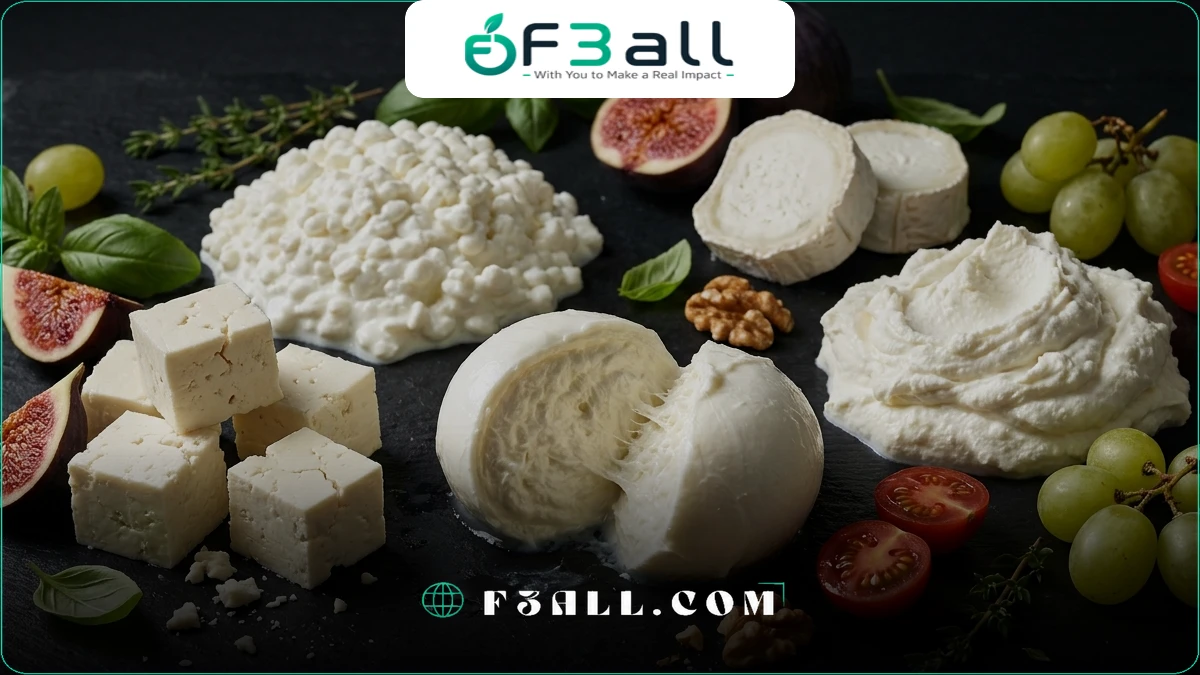
Healthiest Cheese Nutrition for Weight Loss involves evaluating more than calorie counts.
Cheese contributes several nutrients, but the quantities depend on the variety.
Protein
Protein supports tissue repair, muscle maintenance, and normal body function.
Cottage cheese, mozzarella, Parmesan, and Swiss cheese can make useful contributions to daily protein intake.
Calcium
Many cheeses provide calcium, which supports bone health, muscle function, and nerve signaling.
Hard cheeses often contain concentrated calcium.
Vitamin B12
Dairy cheese supplies vitamin B12, an essential nutrient involved in red blood cell formation and nervous system function.
Saturated Fat
Many full-fat cheeses contain substantial saturated fat.
The American Heart Association recommends limiting saturated fat as part of a heart-healthy eating pattern.
Sodium
Feta, Parmesan, and some processed cheeses can contain considerable sodium.
People managing blood pressure or following sodium restrictions should compare labels.
Nutritional Comparison
| Nutrient | Main Role | Cheese Consideration |
| Protein | Muscle and Tissue Maintenance | Higher in Some Varieties |
| Calcium | Bone and Muscle Function | Present in Many Cheeses |
| Vitamin B12 | Nerve and Blood Cell Function | Found in Dairy Cheese |
| Phosphorus | Bone Structure | Common in Cheese |
| Saturated Fat | Essential to Monitor | Higher in Full-Fat Varieties |
| Sodium | Important for Fluid Balance | Amounts Vary Widely |
| Fiber | Digestive Health | Usually Absent |
Does Cheese Contain Fiber?
Traditional dairy cheese contains essentially no dietary fiber.
Combine it with vegetables, fruit, beans, or whole grains to create a more balanced meal.
Choose cheese for its overall nutritional contribution while obtaining fiber and other nutrients from complementary foods.
Read more about: Carbs for Weight Loss | Compare Foods and Portions Now.
Healthiest Cheese Benefits for Weight Loss – What the Evidence Suggests
Healthiest Cheese Benefits for Weight Loss are mainly related to protein, convenience, and its usefulness in balanced meals.
Cheese does not directly burn stored body fat.
Five Practical Benefits
- Protein intake: Some cheeses contribute meaningful protein, supporting muscle maintenance.
- Meal satisfaction: Protein-containing foods may contribute to fullness, although responses vary.
- Calcium intake: Cheese can help meet calcium requirements.
- Flavor: Small amounts of strongly flavored cheese can make vegetables and whole grains more appealing.
- Convenience: Cheese requires little preparation and works in numerous dishes.
Benefits Compared With Limitations
| Potential Benefit | Example | Important Consideration |
| Protein | Cottage Cheese | Amount Varies |
| Calcium | Mozzarella | Compare Labels |
| Flavor | Parmesan | Portion Size Matters |
| Convenience | Cheese and Fruit | Total Calories Matter |
| Meal Variety | Feta Salad | Sodium May Be High |
Does Cheese Increase Metabolism?
There is no convincing evidence that eating cheese creates a meaningful metabolic boost that independently causes weight loss.
Can Cheese Help Preserve Muscle?
Its protein can contribute to muscle maintenance during intentional weight reduction, particularly alongside adequate nutrition and resistance training.
Cheese can support a nutritious diet, but its benefits depend on food choices and overall eating habits.
Healthiest Cheese Serving Size for Weight Loss – How Much to Eat
Healthiest Cheese Serving Size for Weight Loss varies by cheese type and how it is used.
A small amount of Parmesan may be enough to flavor pasta, while cottage cheese is commonly eaten in substantially larger portions.
Practical Serving Sizes
| Cheese | Example Portion | Best Use |
| Cottage Cheese | 100–150 g | Breakfast or Snack |
| Ricotta | 50–100 g | Toast or Filling |
| Mozzarella | 28–56 g | Sandwich or Salad |
| Feta | 20–30 g | Salad Topping |
| Parmesan | 5–15 g | Flavoring |
| Cheddar | 20–30 g | Sandwich |
| Goat Cheese | 20–30 g | Vegetable Dishes |
These are examples rather than required serving sizes.
How Much Cheese Can You Eat Daily?
There is no universal amount specifically recommended for weight loss.
Appropriate intake depends on overall dairy consumption, calorie requirements, saturated fat, sodium, and individual health needs.
Is Eating Cheese Every Day Acceptable?
Yes, for many people. Variety remains important, and those with a milk allergy must avoid dairy cheese.
Portion-Control Strategies
- Slice or measure cheese before adding it.
- Use grated Parmesan for concentrated flavor.
- Combine cheese with vegetables.
- Compare nutrition labels.
- Avoid assuming that reduced-fat products have unlimited portions.
Serving sizes should support a balanced meal rather than become rigid restrictions.
Healthiest Cheese Recipes for Weight Loss – Eight Easy Ideas
Healthiest Cheese Recipes for Weight Loss can include breakfast bowls, salads, sandwiches, and vegetable-based dishes.
The following recipes emphasize practical ingredients and moderate cheese portions. Calories are estimates.
Recipe 1 – Cottage Cheese Berry Bowl
Ingredients
- 150 g low-fat cottage cheese.
- 100 g strawberries.
- 50 g blueberries.
- Cinnamon.
Instructions
- Add cottage cheese to a bowl.
- Wash and slice the fruit.
- Arrange berries over the cheese.
- Sprinkle cinnamon.
- Serve chilled.
Estimated calories: 170–200.
This provides protein and fruit without requiring cooking.
Recipe 2 – Spinach Mozzarella Omelet
Ingredients
- 2 eggs.
- 30 g part-skim mozzarella.
- 50 g spinach.
- 1 teaspoon olive oil.
Instructions
- Heat oil in a nonstick pan.
- Cook spinach briefly.
- Beat eggs and pour into the pan.
- Add mozzarella.
- Fold and cook until the eggs are fully set.
Estimated calories: 280–320.
The combination provides protein and vegetables.
Recipe 3 – Mediterranean Feta Salad
Ingredients
- 30 g feta.
- 100 g cucumber.
- 100 g tomatoes.
- Mixed greens.
- 1 teaspoon olive oil.
- Lemon juice.
Instructions
- Chop vegetables.
- Arrange over greens.
- Crumble feta on top.
- Add olive oil and lemon.
- Toss gently.
Estimated calories: 160–190.
Add chickpeas or whole-grain bread to make a more substantial meal.
Recipe 4 – Ricotta Apple Toast
Ingredients
- 1 slice whole-grain bread.
- 60 g part-skim ricotta.
- 70 g apple.
- Cinnamon.
Instructions
- Toast the bread.
- Spread ricotta evenly.
- Add thin apple slices.
- Sprinkle cinnamon.
- Serve immediately.
Estimated calories: 220–260.
This combines dairy protein with fruit and whole grains.
Recipe 5 – Parmesan Roasted Broccoli
Ingredients
- 200 g broccoli.
- 10 g grated Parmesan.
- 1 teaspoon olive oil.
- Garlic powder.
Instructions
- Preheat oven to 200°C.
- Toss broccoli with olive oil.
- Season with garlic.
- Roast until tender.
- Sprinkle Parmesan before serving.
Estimated calories: 145–165.
This makes a vegetable-rich side dish with concentrated cheese flavor.
Recipe 6 – Cottage Cheese Egg Salad
Ingredients
- 2 hard-boiled eggs.
- 80 g low-fat cottage cheese.
- Chopped celery.
- Mustard.
- Black pepper.
Instructions
- Chop the cooked eggs.
- Mix with cottage cheese.
- Add celery and mustard.
- Season lightly.
- Serve with vegetables or whole-grain toast.
Estimated calories: 220–250 before bread.
Cottage cheese replaces some of the mayonnaise commonly used in egg salad.
Recipe 7 – Mozzarella Tomato Wrap
Ingredients
- 1 small whole-grain tortilla.
- 40 g part-skim mozzarella.
- 100 g tomatoes.
- Fresh basil.
- Black pepper.
Instructions
- Place mozzarella on the tortilla.
- Add sliced tomatoes.
- Sprinkle basil and pepper.
- Fold and warm until the cheese softens.
- Serve with a side salad.
Estimated calories: 270–330.
This offers a convenient lunch with protein and whole grains.
Recipe 8 – Baked Sweet Potato With Cottage Cheese
Ingredients
- 1 medium sweet potato.
- 120 g low-fat cottage cheese.
- Chives.
- Black pepper.
Instructions
- Wash and bake the sweet potato until tender.
- Cut it open.
- Add cottage cheese.
- Sprinkle chives and pepper.
- Serve warm.
Estimated calories: 230–280.
The combination provides protein, carbohydrates, and dietary fiber.
Recipe Comparison
| Recipe | Approx. Calories | Main Feature |
| Cottage Cheese Berry Bowl | 170–200 | Protein and Fruit |
| Mozzarella Omelet | 280–320 | Protein and Vegetables |
| Feta Salad | 160–190 | Vegetable-Rich |
| Ricotta Apple Toast | 220–260 | Whole Grains |
| Parmesan Broccoli | 145–165 | Fiber-Rich Side |
| Cottage Cheese Egg Salad | 220–250 | Protein |
| Mozzarella Wrap | 270–330 | Convenient Lunch |
| Sweet Potato and Cottage Cheese | 230–280 | Protein and Fiber |
Using different cheeses in everyday recipes creates variety while keeping portions manageable.
Read more about: Best Veggies Weight Loss | Compare Top Choices and Tips
Healthiest Cheese Diet Plan – Seven Days of Balanced Meals
A Healthiest Cheese Diet Plan should not involve eating cheese at every meal.
Instead, cheese can complement vegetables, fruit, whole grains, legumes, and other protein sources.
Seven-Day Cheese Meal Plan
| Day | Breakfast | Lunch | Dinner |
| Monday | Cottage Cheese and Berries | Chicken Quinoa Salad | Salmon and Broccoli |
| Tuesday | Eggs and Whole-Grain Toast | Feta Chickpea Salad | Turkey and Sweet Potato |
| Wednesday | Ricotta Apple Toast | Lentil Soup | Chicken With Parmesan Broccoli |
| Thursday | Greek Yogurt and Oats | Mozzarella Tomato Wrap | Tofu and Brown Rice |
| Friday | Cottage Cheese and Fruit | Tuna Salad | Whole-Grain Pasta With Parmesan |
| Saturday | Spinach Mozzarella Omelet | Chickpea Bowl | Baked Fish and Vegetables |
| Sunday | Oatmeal and Banana | Cottage Cheese Egg Salad | Grilled Chicken and Quinoa |
How to Use This Plan
- Adjust meal portions according to individual needs.
- Include vegetables daily.
- Choose whole grains regularly.
- Rotate protein sources.
- Include appropriate dietary fats.
- Compare sodium and saturated fat intake.
- Maintain variety beyond dairy foods.
Is a Cheese-Only Diet Effective?
A cheese-only diet would be nutritionally inadequate and is not recommended.
Cheese lacks dietary fiber and cannot supply every essential nutrient in suitable amounts.
Use cheese as one ingredient in a varied eating pattern rather than making it the foundation of every meal.
Healthiest Cheese Best Time to Eat – Morning, Afternoon, or Evening
Healthiest Cheese Best Time to Eat depends on your preferences, appetite, and meal schedule.
There is no established time when cheese produces superior fat loss.
Cheese at Breakfast
Cottage cheese with fruit or mozzarella in an omelet can contribute protein early in the day.
Cheese at Lunch
Feta salads and mozzarella wraps provide convenient savory options.
Cheese at Dinner
A small portion of Parmesan can add flavor to vegetables or whole-grain pasta.
Cheese as a Snack
Cottage cheese, fruit, or a modest serving of cheddar with whole-grain crackers may be practical.
Timing Comparison
| Time | Example | Main Consideration |
| Breakfast | Cottage Cheese and Berries | Protein |
| Lunch | Feta Salad | Meal Variety |
| Afternoon | Cheese and Fruit | Convenience |
| Dinner | Parmesan Vegetables | Flavor |
| Evening | Small Cottage Cheese Bowl | Personal Preference |
Does Eating Cheese at Night Cause Weight Gain?
No. Eating cheese at night does not independently cause weight gain.
Overall calorie intake and individual factors matter more than the clock time.
Choose cheese when it fits your meals rather than expecting a particular eating schedule to improve fat loss.
Healthiest Cheese for Belly Fat – Understanding the Facts
Healthiest Cheese for Belly Fat is a common topic because people often associate dairy protein and calcium with changes in body composition.
However, cheese does not selectively burn abdominal fat.
What Is Belly Fat?
Abdominal fat includes subcutaneous fat beneath the skin and visceral fat around internal organs.
Excess visceral fat is associated with increased cardiometabolic risk.
Does Cottage Cheese Burn Belly Fat?
No. Cottage cheese provides protein but does not directly target fat around the waist.
Can Calcium Reduce Abdominal Fat?
Calcium supports normal body functions, but eating calcium-rich cheese does not guarantee abdominal-fat reduction.
Claims Compared
| Claim | Evidence-Based Assessment |
| Cottage Cheese Melts Belly Fat | Unsupported |
| Parmesan Boosts Fat Burning | Unsupported |
| Protein Supports Muscle Maintenance | Yes |
| Calcium Supports Bone Health | Yes |
| Overall Fat Loss May Reduce Waist Size | Yes |
| Spot Reduction Is Guaranteed | No |
What Supports Body Composition?
Appropriate energy intake, resistance training, physical activity, sleep, and adequate nutrition can all contribute to health and body-composition management.
Cheese can support nutritional adequacy, but abdominal-fat reduction depends on broader factors.
Healthiest Cheese Weight Loss Results – Realistic Expectations
Healthiest Cheese Weight Loss Results depend on how cheese fits into the complete diet.
Replacing a calorie-dense ingredient with a suitable portion of lower-fat cheese may reduce meal calories.
Adding extra cheese to unchanged meals may increase calorie intake.
An Illustrative Food Swap
Suppose a meal originally contains 200 calories from a creamy topping.
Replacing that topping with 100 calories of an appropriate cheese-based alternative creates a difference of 100 calories.
| Frequency | Illustrative Calorie Difference |
| Once | 100 |
| Five Times | 500 |
| Ten Times | 1,000 |
| Twenty Times | 2,000 |
These figures illustrate food-calorie differences, not guaranteed weight-loss results.
Results After Seven Days
You may improve portion awareness and learn which cheese varieties fit your meals.
Results After 30 Days
If food substitutions contribute to a sustainable calorie deficit, weight reduction may occur.
Results After 90 Days
Longer-term outcomes may include changes in weight trends, dietary consistency, or other health indicators.
No specific amount of weight loss can be attributed to cheese alone.
Evaluate progress through sustainable eating habits rather than expecting a particular cheese to produce measurable fat loss.
Read more about: Best Cottage Cheese for Weight Loss | Compare Top Picks
Healthiest Cheese vs Alternatives for Weight Loss
Healthiest Cheese vs Alternatives for Weight Loss involves comparing dairy cheeses with yogurt, tofu, hummus, and plant-based cheese substitutes.
Each food offers a different nutritional profile.
Cheese and Alternative Comparison
| Food | Approx. Calories per 100 g | Main Consideration |
| Low-Fat Cottage Cheese | 75–95 | High Protein |
| Part-Skim Ricotta | 135–175 | Creamy Texture |
| Part-Skim Mozzarella | 250–300 | Protein and Calcium |
| Plain Nonfat Greek Yogurt | 55–65 | High Protein |
| Firm Tofu | 80–150 | Plant Protein |
| Hummus | 170–250 | Fiber and Unsaturated Fats |
| Plant-Based Cheese | Varies Widely | Protein Often Lower |
Cottage Cheese vs Greek Yogurt
Both provide protein and can be relatively low in calories.
Greek yogurt is useful in sweet dishes and sauces, while cottage cheese works in savory meals and breakfast bowls.
Mozzarella vs Cheddar
Part-skim mozzarella generally contains fewer calories and less saturated fat per comparable serving than regular cheddar.
Feta vs Goat Cheese
Both provide concentrated flavor. Compare sodium, calories, and fat content rather than assuming one is always superior.
Dairy vs Plant-Based Cheese
Plant-based cheese can be suitable for people avoiding dairy, but many products contain less protein than traditional cheese.
Choose alternatives according to nutritional needs, allergies, taste, and how each food fits into your meals.
Common Mistakes When Eating Cheese for Weight Loss
Cheese can fit into a balanced diet, but certain habits may make calorie management more difficult.
Mistakes to Avoid
- Ignoring portions: Hard cheese can be calorie-dense.
- Assuming low-fat means unlimited: Calories still matter.
- Overlooking sodium: Some cheeses contain substantial amounts.
- Eating cheese without fiber: Add vegetables, fruit, or whole grains.
- Relying only on processed cheese: Compare ingredients and nutrition labels.
- Expecting belly-fat reduction: No cheese targets abdominal fat.
- Avoiding all full-fat foods: Individual dietary balance matters more than blanket restrictions.
Better Choices
| Common Mistake | Practical Improvement |
| Large Cheese Portions | Use Suitable Servings |
| Excess Saturated Fat | Compare Fat Levels |
| High Sodium Intake | Check Labels |
| Missing Fiber | Add Plant Foods |
| Limited Variety | Rotate Protein Sources |
| Unrealistic Expectations | Focus on Overall Habits |
Who Should Be More Careful?
People with milk allergies should avoid dairy cheese. Those with lactose intolerance may tolerate certain aged cheeses differently, but tolerance varies.
Individuals with kidney disease or prescribed sodium restrictions may need personalized guidance.
During pregnancy, follow local food-safety advice concerning pasteurization and soft cheeses.
Thoughtful cheese selection supports dietary flexibility without overlooking important nutritional considerations.
Why F3all Is Your Best Choice

At F3all, our Healthiest Cheese for Weight Loss guide focuses on practical nutrition, useful food comparisons, and realistic expectations.
We help readers understand how different cheese varieties can fit into balanced meals.
- Calorie Comparisons: Evaluate popular cheese varieties.
- Protein Guidance: Understand nutritional differences.
- Serving Sizes: Choose practical portions.
- Easy Recipes: Prepare cheese-based meals using familiar ingredients.
- Seven-Day Planning: Include cheese within a varied menu.
- Belly-Fat Facts: Separate evidence from unsupported claims.
- Food Alternatives: Compare cheese with yogurt, tofu, and other options.
Explore more healthy eating resources at F3all.
F3all helps readers make informed food choices without unnecessary dietary restrictions or exaggerated weight-loss promises.
Frequently Asked Questions
What Is the Healthiest Cheese for Weight Loss?
Low-fat cottage cheese and part-skim mozzarella are practical choices because they provide protein with relatively moderate calories. The best option depends on individual needs.
Is Cottage Cheese Good for Weight Loss?
Cottage cheese provides protein and can fit into a calorie-controlled diet, but it does not independently cause weight loss.
Is Mozzarella Better Than Cheddar for Weight Loss?
Part-skim mozzarella generally contains fewer calories than regular cheddar per comparable serving, although both can fit into balanced meals.
How Much Cheese Can I Eat Daily for Weight Loss?
There is no universal amount. Suitable portions depend on total calorie intake, saturated fat, sodium, and nutritional requirements.
Does Cheese Burn Belly Fat?
No. Cheese does not selectively burn abdominal fat.
Is Feta Cheese Healthy for Weight Loss?
Feta can fit into a balanced diet, especially in modest portions. Its sodium content is worth considering.
Can I Eat Cheese Every Day?
Yes, for many people, provided it fits their nutritional needs and they maintain dietary variety.
Is Low-Fat Cheese Always Better?
Not necessarily. Low-fat varieties generally contain fewer calories, but taste, protein, sodium, and overall diet also matter.
What Is the Best Time to Eat Cheese for Weight Loss?
There is no proven optimal time. Cheese can be included at breakfast, lunch, dinner, or as a snack.
How Much Weight Can I Lose in 30 Days by Eating Cottage Cheese?
No specific amount can be predicted. Weight changes depend on overall calorie intake, physical activity, health, and individual circumstances.
In the End
The Healthiest Cheese for Weight Loss is not necessarily the cheese with the fewest calories. Protein content, serving size, saturated fat, sodium, and overall nutritional quality all deserve consideration.
Low-fat cottage cheese, part-skim mozzarella, ricotta, feta, and other varieties can contribute flavor and valuable nutrients to balanced meals.
However, cheese does not automatically burn fat or target the waist.
For sustainable progress, choose appropriate portions, include fiber-rich foods, and maintain variety across your diet.
Enjoy cheese as part of satisfying, nutritious meals while focusing on consistent habits that support long-term health.
References