Is Milk Good for Weight Loss | Benefits and Smart Guide
Is Milk Good for Weight Loss? Milk can be part of a balanced weight-loss diet because it provides protein, calcium, and several essential vitamins and minerals. However, its effect on weight management depends on the type of milk, portion size, added ingredients, and overall calorie intake. Skim milk generally contains fewer calories than whole milk, while unsweetened plant-based alternatives offer different nutritional profiles. Understanding these differences can help you choose milk that fits your goals without unnecessary restrictions.
This guide explores milk calories, nutrition, potential benefits, serving sizes, healthy recipes, and a practical seven-day meal plan. You’ll also learn whether drinking milk at night affects weight, how milk compares with dairy alternatives, and what results you can realistically expect.
Is Milk Good for Weight Loss – Understanding How It Fits Into Your Diet
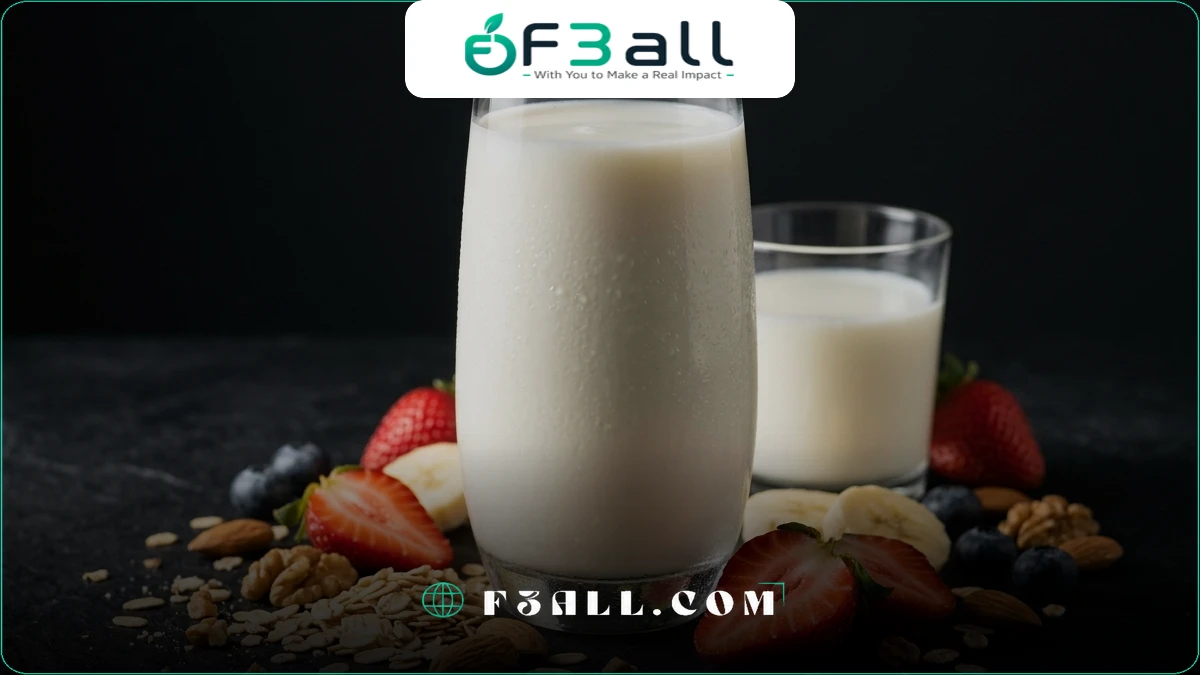
Milk is a nutrient-rich beverage consumed in many forms, including whole, reduced-fat, low-fat, and skim milk.
Its nutritional composition varies according to fat content, fortification, processing, and added ingredients.
For weight management, the most important considerations are total calories, protein, nutritional quality, and how milk fits into your eating pattern.
Why Milk Can Support a Balanced Weight-Loss Diet
Milk offers several practical nutritional advantages:
- High-quality protein: Cow’s milk provides complete protein containing all essential amino acids.
- Calcium: Supports normal bone and muscle function.
- Convenience: Requires little preparation.
- Versatility: Works in smoothies, oatmeal, coffee, and recipes.
- Different fat options: Available in whole, reduced-fat, and fat-free varieties.
- Fortified nutrients: Many products contain added vitamin D.
- Meal flexibility: Can be consumed with breakfast, snacks, or other meals.
Does Drinking Milk Automatically Cause Weight Loss?
No.
Milk does not independently create a calorie deficit or guarantee fat reduction.
Weight changes depend on total energy intake, physical activity, medical conditions, medications, and other individual factors.
Does Milk Cause Weight Gain?
Not automatically.
Drinking milk can fit into weight loss, maintenance, or weight gain depending on total dietary intake.
For example, replacing a high-calorie sweetened beverage with plain low-fat milk may reduce calories while providing protein.
However, adding several glasses of milk without adjusting other foods may increase total energy intake.
Common Milk Myths
| Claim | Evidence-Based Explanation |
| Milk Always Causes Weight Gain | False |
| Milk Contains Protein | True |
| Skim Milk Has Fewer Calories Than Whole Milk | Generally True |
| Milk Burns Belly Fat | Unsupported |
| Milk Can Fit a Weight-Loss Diet | True |
| Every Plant-Based Milk Has the Same Nutrition | False |
| Drinking Milk Guarantees Weight Loss | False |
Milk is best evaluated as part of your complete diet rather than classified as a fat-burning or fattening beverage.
Milk Calories for Weight Loss – Comparing Whole, Low-Fat, and Skim Milk
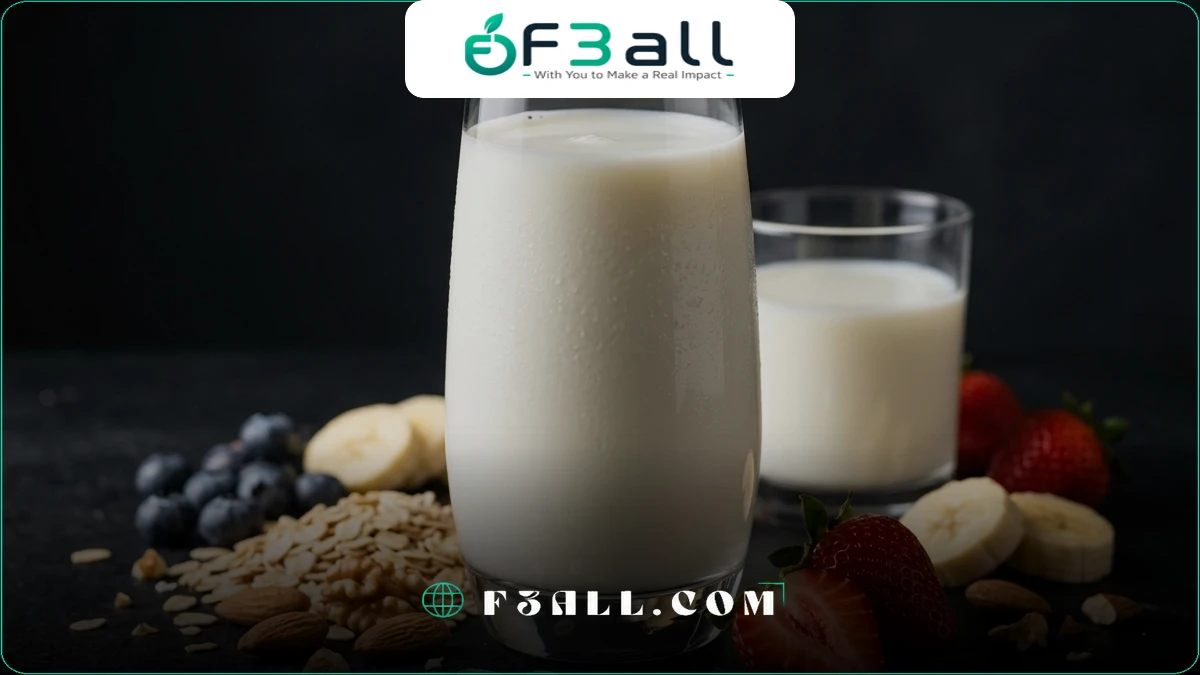
Milk Calories for Weight Loss depend primarily on fat content, serving size, and added sugar.
Plain cow’s milk naturally contains lactose, a carbohydrate found in dairy products.
Flavored milk may also contain added sugar.
Calories in Different Types of Milk
| Milk Type | Serving Size | Approximate Calories |
| Whole Cow’s Milk | 1 Cup (240 ml) | 145–155 |
| Reduced-Fat Milk (2%) | 1 Cup | 115–125 |
| Low-Fat Milk (1%) | 1 Cup | 100–110 |
| Skim Milk | 1 Cup | 80–90 |
| Unsweetened Almond Milk | 1 Cup | 30–45 |
| Unsweetened Soy Milk | 1 Cup | 75–100 |
| Unsweetened Oat Milk | 1 Cup | 80–130 |
| Sweetened Chocolate Milk | 1 Cup | 180–230 |
Values are approximate and vary by brand, formulation, and serving volume.
Whole Milk vs Skim Milk Calories
Whole milk contains more fat and therefore more calories than skim milk.
A typical cup of whole milk provides approximately 150 calories, compared with around 85 calories for skim milk.
That creates an illustrative difference of approximately 65 calories per cup.
Does This Difference Matter?
It may matter when consumed consistently.
For example, someone drinking two cups daily would consume approximately 130 fewer calories by switching from whole milk to skim milk, assuming the same serving volume and no other dietary changes.
This does not translate into a guaranteed amount of weight loss.
What About Flavored Milk?
Chocolate, strawberry, and vanilla-flavored milk products may contain added sugar.
Some products contain substantially more calories than plain milk.
Are Plant-Based Milks Always Lower in Calories?
No.
Unsweetened almond milk is often lower in calories than cow’s milk, but some oat, coconut, and sweetened plant-based products can contain similar or greater amounts.
Compare calories per serving and check added sugar rather than assuming every milk product has the same nutritional value.
Milk Nutrition for Weight Loss – Protein, Calcium, and Essential Nutrients
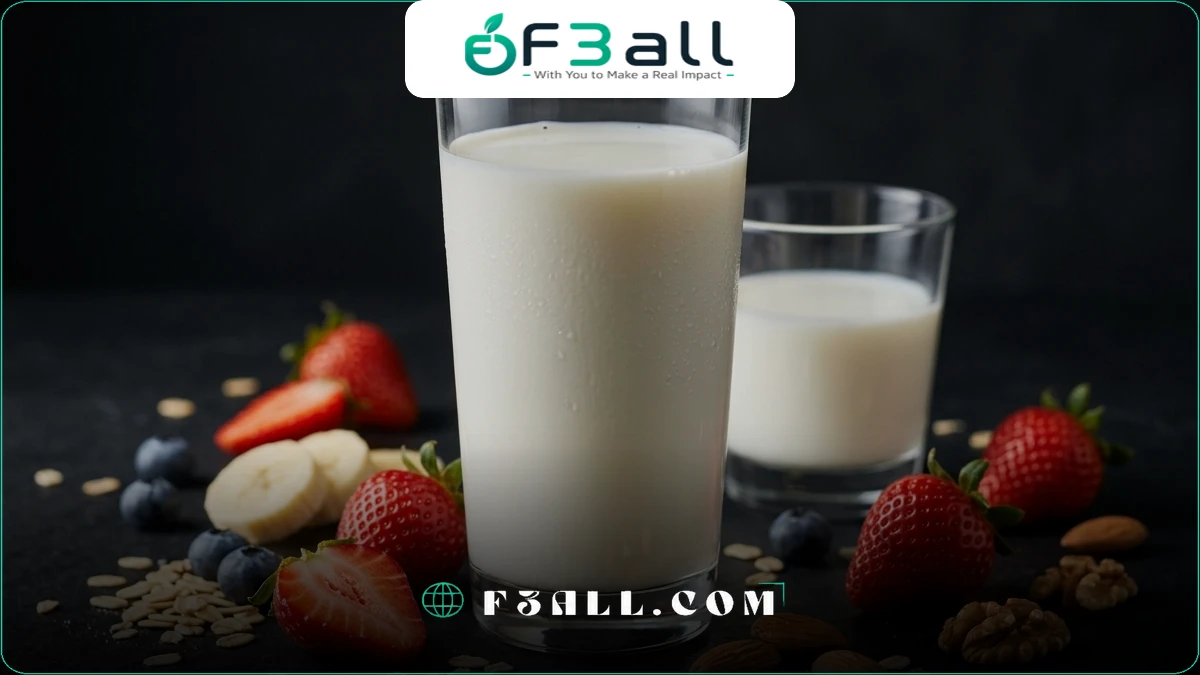
Milk Nutrition for Weight Loss involves more than choosing the beverage with the fewest calories.
Cow’s milk provides protein, calcium, phosphorus, potassium, and several B vitamins.
Many products are also fortified with vitamin D.
Typical Nutrition in One Cup of Cow’s Milk
| Nutrient | Whole Milk | Skim Milk |
| Calories | 149 | 83 |
| Protein | 7.7 g | 8.3 g |
| Carbohydrates | 11.7 g | 12.2 g |
| Total Fat | 7.9 g | 0.2 g |
| Calcium | 276 mg | 299 mg |
| Potassium | 322 mg | 382 mg |
| Naturally Occurring Sugars | About 12 g | About 12 g |
USDA-based estimates. Nutritional values and fortification vary.
Protein
Milk provides whey and casein proteins.
Both contain essential amino acids and contribute to daily protein intake.
Adequate protein is particularly important during weight reduction because it helps support muscle maintenance.
Calcium
Calcium supports bone health and normal muscle function.
However, increasing calcium intake does not automatically produce meaningful fat loss.
Vitamin D
Many milk products are fortified with vitamin D.
Vitamin D contributes to normal calcium absorption and bone health.
Fortification practices vary between countries and brands.
Lactose
Lactose is the naturally occurring sugar in milk.
It is not classified as added sugar.
People with lactose intolerance may experience digestive symptoms after consuming lactose-containing products.
Saturated Fat
Whole milk contains more saturated fat than skim milk.
People aiming to limit saturated fat may prefer lower-fat dairy products.
Nutrition Priorities
| Goal | Practical Consideration |
| Higher Protein Intake | Cow’s Milk or Fortified Soy Milk |
| Fewer Calories | Skim Milk or Certain Unsweetened Alternatives |
| Lower Saturated Fat | Skim or Low-Fat Milk |
| Calcium Intake | Check Calcium Content |
| Lactose Avoidance | Lactose-Free Milk or Suitable Plant Alternatives |
| Less Added Sugar | Choose Unsweetened Products |
The most suitable milk depends on your complete nutritional needs, not calorie content alone.
Read more about: Is Greek Yogurt Good for Weight Loss | Discover Benefits
Milk Benefits for Weight Loss – What Research and Nutrition Suggest
Milk Benefits for Weight Loss are often associated with protein, satiety, and the convenience of incorporating milk into balanced meals.
However, research does not establish plain milk as a reliable standalone weight-loss treatment.
1. Supports Protein Intake
Cow’s milk provides approximately eight grams of protein per cup.
Protein contributes to tissue maintenance and can help support muscle preservation during weight reduction.
2. May Contribute to Fullness
Protein-containing beverages can influence satiety.
However, fullness depends on the individual, meal composition, and other foods consumed.
3. Provides Essential Nutrients
Milk contributes calcium and other nutrients important for general health.
4. Can Replace Higher-Calorie Beverages
Plain low-fat milk may provide fewer calories than certain sweetened coffees, milkshakes, or dessert beverages.
The actual benefit depends on the products compared.
5. Supports Exercise Nutrition
Milk provides both protein and carbohydrates, making it a practical option after some forms of physical activity.
6. Works in Nutritious Recipes
Milk can be included in oatmeal, smoothies, soups, and other meals.
Benefits and Limitations
| Potential Benefit | Example | Limitation |
| Protein | Post-Exercise Drink | Amount per Cup Is Moderate |
| Calcium | Daily Dairy Intake | Not a Fat-Loss Treatment |
| Convenience | Breakfast Beverage | Liquid Calories Still Count |
| Satiety | Milk With Oatmeal | Individual Responses Vary |
| Versatility | Healthy Smoothies | Ingredients Affect Calories |
| Nutritional Value | Fortified Milk | Fortification Varies |
Does Milk Increase Metabolism?
There is no convincing evidence that drinking ordinary amounts of milk produces clinically meaningful weight loss by accelerating metabolism.
Can Milk Reduce Hunger?
Milk may contribute to fullness, particularly when included in a balanced meal.
However, it should not be considered a reliable appetite suppressant.
Milk’s nutritional benefits are most useful when they support balanced eating rather than unrealistic fat-loss expectations.
Milk Serving Size for Weight Loss – How Much Should You Drink?
Milk Serving Size for Weight Loss depends on energy needs, dietary preferences, and the amount of dairy or fortified alternatives consumed elsewhere.
A common serving is one cup, approximately 240 milliliters.
Serving Size Comparison
| Milk Portion | Approximate Skim Milk Calories | Approximate Whole Milk Calories |
| 100 ml | 35 | 62 |
| 150 ml | 52 | 93 |
| 200 ml | 69 | 124 |
| 240 ml | 83 | 149 |
| 300 ml | 104 | 186 |
| 500 ml | 173 | 310 |
Is One Glass of Milk Enough?
One cup can contribute protein and calcium, but individual nutritional requirements vary.
Milk is not necessary for everyone if equivalent nutrients are obtained from other suitable foods.
Can You Drink Two Glasses Daily?
For many people, two cups can fit into a balanced eating pattern.
However, total calorie intake, dairy tolerance, and other food choices should be considered.
What About Drinking One Liter of Milk Daily?
One liter of whole milk can contribute more than 600 calories.
That may represent a substantial portion of daily energy intake.
Large quantities are not automatically healthier and can reduce dietary variety.
Should Milk Replace Water?
No.
Water remains an important beverage for hydration without contributing calories.
Milk provides nutrients but should not be treated as a necessary replacement for water.
Portion Planning Example
A balanced breakfast might include:
- 200 ml low-fat milk.
- 40 g rolled oats.
- 100 g strawberries.
- 10 g chia seeds.
This combination provides carbohydrates, protein, fiber, and other nutrients.
Choose milk portions based on your complete diet rather than following a fixed amount for weight loss.
Whole Milk vs Skim Milk – Which Is Better for Weight Management?
The choice between whole and skim milk often comes down to calories, saturated fat, taste, and personal preferences.
Whole Milk
Whole milk contains more fat and calories.
Some people prefer its richer texture and flavor.
Skim Milk
Skim milk contains very little fat while retaining a similar amount of protein.
It is often useful for people who want to reduce calories or saturated fat.
Reduced-Fat Milk
One-percent and two-percent milk provide intermediate options.
Comparison Table
| Feature | Whole Milk | 2% Milk | Skim Milk |
| Calories | Higher | Moderate | Lower |
| Protein | Similar | Similar | Similar |
| Saturated Fat | Higher | Moderate | Very Low |
| Texture | Creamier | Moderately Creamy | Lighter |
| Naturally Occurring Lactose | Present | Present | Present |
Does Whole Milk Cause More Weight Gain?
Not automatically.
Although whole milk contains more calories per cup, weight changes depend on total intake and other factors.
Is Skim Milk Always the Best Choice?
Not necessarily.
A person may prefer whole milk in smaller portions or use low-fat milk for everyday meals.
Can Full-Fat Dairy Fit a Weight-Loss Diet?
Yes.
Appropriate portions can fit into a balanced eating pattern.
However, overall saturated fat intake remains an important nutritional consideration.
Choose milk according to your calorie needs, dietary fat intake, and preferences rather than assuming one variety is universally superior.
Milk Recipes for Weight Loss – Eight Easy and Nutritious Ideas
Milk Recipes for Weight Loss can make breakfasts, snacks, and light meals more convenient.
These recipes emphasize moderate portions, whole foods, and limited added sugar.
Calorie estimates depend on exact ingredients and brands.
Recipe 1 – Strawberry Milk Smoothie
Ingredients
- 200 ml skim milk.
- 150 g strawberries.
- Half a medium banana.
- Ice.
- Cinnamon.
Instructions
- Wash and prepare the strawberries.
- Slice the banana.
- Add milk and fruit to a blender.
- Blend until smooth.
- Serve immediately.
Estimated calories: 175–200.
This smoothie provides fruit, carbohydrates, and some protein.
Recipe 2 – Cinnamon Milk Overnight Oats
Ingredients
- 200 ml low-fat milk.
- 40 g rolled oats.
- 10 g chia seeds.
- Cinnamon.
- 50 g blueberries.
Instructions
- Combine oats and milk.
- Add chia seeds.
- Stir in cinnamon.
- Refrigerate overnight.
- Add blueberries before serving.
Estimated calories: 300–340.
Oats and chia seeds contribute dietary fiber.
Recipe 3 – Warm Turmeric Milk
Ingredients
- 200 ml skim milk.
- A small pinch of turmeric.
- Cinnamon.
- Optional vanilla extract.
Instructions
- Pour milk into a saucepan.
- Warm gently without scorching.
- Add turmeric and cinnamon.
- Stir thoroughly.
- Serve warm.
Estimated calories: 70–85.
Turmeric adds flavor but should not be expected to cause fat loss.
Recipe 4 – Banana Peanut Butter Milkshake
Ingredients
- 200 ml skim milk.
- Half a medium banana.
- 10 g unsweetened peanut butter.
- Ice.
Instructions
- Add milk to a blender.
- Add banana and peanut butter.
- Blend until creamy.
- Add ice.
- Serve immediately.
Estimated calories: 190–220.
Measure peanut butter because it is calorie-dense.
Recipe 5 – High-Protein Berry Milk Smoothie
Ingredients
- 150 ml skim milk.
- 100 g plain nonfat Greek yogurt.
- 100 g mixed berries.
- Ice.
Instructions
- Combine milk and yogurt.
- Add berries.
- Blend until smooth.
- Adjust consistency with water if needed.
- Serve chilled.
Estimated calories: 150–180.
Greek yogurt increases protein content.
Recipe 6 – Creamy Vegetable Milk Soup
Ingredients
- 200 ml low-fat milk.
- 150 g cauliflower.
- 100 g carrots.
- 200 ml low-sodium vegetable broth.
- Black pepper and herbs.
Instructions
- Cook vegetables in broth until tender.
- Blend until smooth.
- Add milk.
- Heat gently.
- Season and serve.
Estimated calories: 170–210.
This provides vegetables without requiring heavy cream.
Recipe 7 – Apple Cinnamon Milk Porridge
Ingredients
- 200 ml skim milk.
- 40 g oats.
- Half a medium apple.
- Cinnamon.
Instructions
- Heat milk gently.
- Add oats.
- Cook until thickened.
- Stir in chopped apple.
- Sprinkle cinnamon.
Estimated calories: 250–280.
Oats and apple contribute fiber.
Recipe 8 – Iced Coffee With Milk
Ingredients
- 150 ml skim milk.
- 100 ml brewed coffee, cooled.
- Ice.
- Optional cinnamon.
Instructions
- Brew coffee and allow it to cool.
- Fill a glass with ice.
- Add coffee.
- Pour in milk.
- Stir and serve.
Estimated calories: 50–60.
Avoid adding large amounts of syrup or sweetened creamer.
Recipe Comparison
| Recipe | Estimated Calories | Main Feature |
| Strawberry Milk Smoothie | 175–200 | Fruit |
| Overnight Oats | 300–340 | Fiber |
| Warm Turmeric Milk | 70–85 | Light Beverage |
| Banana Peanut Butter Shake | 190–220 | Carbohydrates and Fats |
| Berry Protein Smoothie | 150–180 | Protein |
| Creamy Vegetable Soup | 170–210 | Vegetables |
| Apple Cinnamon Porridge | 250–280 | Whole Grains |
| Iced Coffee With Milk | 50–60 | Lower-Calorie Coffee Option |
These recipes show how milk can support meal variety without relying on sweetened milkshakes or restrictive diets.
Read more about: Is Beef Jerky Good for Weight Loss | Smart Snack Guides
Milk Diet Plan – A Balanced Seven-Day Eating Schedule
A Milk Diet Plan should not mean consuming only milk.
Milk alone cannot provide all the nutrients, fiber, and dietary variety needed for a balanced eating pattern.
Instead, include appropriate portions alongside vegetables, fruit, whole grains, legumes, and different protein sources.
Seven-Day Milk Meal Plan
| Day | Milk-Based Meal or Beverage | Other Nutrition Focus |
| Monday | Strawberry Milk Smoothie | Chicken and Vegetables |
| Tuesday | Cinnamon Overnight Oats | Lentils and Whole Grains |
| Wednesday | Warm Turmeric Milk | Fish and Leafy Greens |
| Thursday | Berry Protein Smoothie | Beans and Vegetables |
| Friday | Creamy Vegetable Milk Soup | Eggs and Whole-Grain Bread |
| Saturday | Apple Cinnamon Porridge | Tofu and Brown Rice |
| Sunday | Iced Coffee With Milk | Fruit, Nuts, and Balanced Meals |
How to Follow the Plan
- Adjust portions to individual energy requirements.
- Choose plain or unsweetened milk products.
- Include adequate protein from varied sources.
- Eat different fruits and vegetables.
- Include fiber-rich grains and legumes.
- Drink water regularly.
- Maintain appropriate physical activity.
Can You Drink Milk Every Day?
Yes, many people can include milk daily.
However, milk is not essential if nutritional needs are met through other suitable foods.
Is a Milk-Only Diet Effective?
A milk-only diet is not recommended.
It lacks adequate dietary variety and may lead to nutritional imbalances.
Should Milk Replace Breakfast?
Milk can contribute to breakfast, but a glass alone may not provide sufficient fiber or energy for a complete meal.
Pairing it with oats, fruit, eggs, or whole-grain foods creates a more balanced option.
A useful milk-based meal plan includes nutritional variety rather than relying on one beverage for weight management.
Milk Best Time to Eat – Morning, After Exercise, or Before Bed
Milk Best Time to Eat is a common search phrase, although milk is a beverage and is generally described as something to drink.
There is no established time of day when drinking milk causes greater fat loss.
Milk at Breakfast
Milk can contribute protein and calcium to breakfast.
It pairs well with oats, whole-grain cereal, or fruit.
Milk Before Exercise
Milk provides carbohydrates and protein.
However, some people may experience digestive discomfort if they drink it immediately before vigorous activity.
Milk After Exercise
Milk contains protein and carbohydrates that can contribute to recovery nutrition.
The appropriate amount depends on exercise intensity, duration, and individual needs.
Milk Before Bed
Drinking milk at night does not automatically cause weight gain.
A small serving can fit into an evening eating pattern.
Timing Comparison
| Time | Practical Use | Important Consideration |
| Breakfast | Protein and Calcium | Include Fiber |
| Midmorning | Convenient Drink | Portion Size |
| Before Exercise | Carbohydrates and Protein | Digestive Comfort |
| After Exercise | Recovery Nutrition | Overall Protein Needs |
| Evening | Light Beverage | Daily Calorie Intake |
Does Warm Milk Burn Fat at Night?
No.
Warming milk does not give it special fat-burning properties.
Is Drinking Milk on an Empty Stomach Better?
There is no convincing evidence that drinking milk on an empty stomach produces greater weight loss.
Does Milk Before Bed Improve Sleep?
Milk contains nutrients involved in normal physiological processes, but evidence does not establish ordinary milk consumption as a reliable treatment for sleep problems.
Drink milk when it fits your appetite, schedule, and nutritional needs rather than following unsupported timing rules.
Milk for Belly Fat – Can Drinking Milk Reduce Abdominal Fat?
Milk for Belly Fat is frequently searched because dairy products are sometimes marketed as tools for reducing waist size.
However, no beverage selectively removes fat from the abdomen.
Understanding Abdominal Fat
Abdominal fat includes subcutaneous fat beneath the skin and visceral fat around internal organs.
Excess visceral fat is associated with increased cardiometabolic risk.
Does Milk Burn Belly Fat?
No.
Milk contains protein, carbohydrates, fat, and micronutrients, but it does not contain a proven ingredient that specifically targets abdominal fat.
Does Calcium Reduce Belly Fat?
Calcium plays important roles in normal physiology.
However, increasing calcium intake through milk does not guarantee reductions in abdominal fat.
Can Milk Cause Belly Fat?
Milk does not automatically cause abdominal-fat accumulation.
Excess calorie intake over time can contribute to weight gain, regardless of the food or beverage source.
Common Claims Compared
| Claim | Scientific Assessment |
| Milk Melts Belly Fat | Unsupported |
| Milk Provides Protein | True |
| Calcium Automatically Burns Fat | Unsupported |
| Whole Milk Always Causes Belly Fat | False |
| Overall Weight Loss May Reduce Waist Size | True |
| Milk Can Fit a Balanced Diet | True |
What Actually Supports Abdominal-Fat Management?
Balanced nutrition, physical activity, resistance training, adequate sleep, and appropriate medical care can support overall body-fat management.
Milk may contribute to a nutritious diet, but it does not specifically eliminate belly fat.
Milk Weight Loss Results – What to Expect
Milk Weight Loss Results depend on the type of milk consumed, what it replaces, portion sizes, and overall dietary habits.
Adding milk to an existing diet without considering calories does not guarantee weight reduction.
Example Beverage Substitution
Suppose someone replaces a 250-calorie sweetened beverage with a cup of skim milk containing approximately 85 calories.
The difference is about 165 calories.
| Number of Substitutions | Illustrative Calorie Difference |
| One | 165 |
| Five | 825 |
| Ten | 1,650 |
| Twenty | 3,300 |
These values represent differences in calorie intake, not guaranteed weight-loss outcomes.
Results After Seven Days
You may find it easier to manage sweetened beverage intake or plan nutritious breakfasts.
Results After 30 Days
If dietary changes support a sustained calorie deficit, weight reduction may occur.
Results After 90 Days
Longer-term results depend on consistent habits, activity, health, and individual physiology.
Can Drinking Milk Cause Rapid Weight Loss?
There is no convincing evidence that milk alone produces rapid fat loss.
How Should You Track Progress?
Consider dietary quality, total energy intake, beverage choices, physical activity, and consistent weight trends when appropriate.
Realistic results depend on sustainable eating patterns rather than expecting milk to produce weight loss independently.
Read more about: Is Banana Helpful for Weight Loss | Benefits & Tips Now
Milk vs Alternatives for Weight Loss – Comparing Dairy and Plant-Based Options
Milk vs Alternatives for Weight Loss involves comparing calories, protein, calcium, added sugar, and dietary suitability.
Plant-based milk products differ substantially in nutritional composition.
Milk Alternatives Comparison
| Beverage | Typical Calories per Cup | Approximate Protein |
| Whole Cow’s Milk | 150 | 8 g |
| Skim Cow’s Milk | 85 | 8 g |
| Unsweetened Almond Milk | 30–45 | 1–2 g |
| Unsweetened Soy Milk | 75–100 | 7–9 g |
| Unsweetened Oat Milk | 80–130 | 2–4 g |
| Unsweetened Coconut Beverage | 40–80 | 0–1 g |
| Unsweetened Pea Milk | 70–100 | 7–9 g |
Values are approximate. Protein, calories, and fortification vary by brand.
Milk vs Almond Milk
Unsweetened almond milk often contains fewer calories than cow’s milk.
However, it usually provides much less protein.
Milk vs Soy Milk
Fortified unsweetened soy milk can provide protein amounts similar to cow’s milk.
It may be a suitable alternative for people avoiding dairy.
Milk vs Oat Milk
Oat milk often contains more carbohydrates than unsweetened almond milk.
Protein content is generally lower than cow’s milk, although formulations vary.
Milk vs Coconut Milk
Carton coconut beverages often contain little protein.
Canned coconut milk is a different, much more calorie-dense product.
Milk vs Lactose-Free Milk
Lactose-free cow’s milk generally provides similar calories, protein, and other nutrients to regular milk of the same fat level.
The lactose has been broken down to improve digestibility.
Which Milk Is Best for Weight Loss?
There is no universally superior option.
For people prioritizing protein with relatively few calories, skim cow’s milk or suitable unsweetened fortified soy products may be useful.
For those prioritizing the lowest calories, certain unsweetened almond milks may be preferable, although their protein content is much lower.
Compare the complete nutrition label and choose a beverage that fits your dietary needs and preferences.
Milk and Exercise – Protein, Recovery, and Muscle Maintenance
Milk is commonly consumed after physical activity because it provides both carbohydrates and protein.
However, its usefulness depends on the type and intensity of exercise.
Milk After Resistance Training
Protein supports muscle repair and maintenance.
Milk can contribute to daily protein intake, although a single cup may not provide enough protein for every individual’s post-exercise needs.
Milk After Cardio
Carbohydrates can help replenish energy stores after exercise.
Milk provides carbohydrates along with fluid and protein.
Is Chocolate Milk Better for Recovery?
Chocolate milk provides additional carbohydrates and often added sugar.
It may be practical after certain demanding exercise sessions, but it is not automatically necessary or superior for everyone.
Milk and Hydration
Milk contributes fluid, but water remains a practical hydration choice for most everyday activities.
Exercise Nutrition Comparison
| Activity | Potential Role of Milk |
| Walking | Optional Beverage |
| Moderate Gym Session | Protein Contribution |
| Resistance Training | Recovery Nutrition |
| Long Endurance Activity | Carbohydrates and Protein |
| Everyday Hydration | One Possible Fluid Source |
Does Milk Build Muscle Without Exercise?
Milk provides protein, but meaningful increases in muscle mass generally require appropriate resistance training and adequate overall nutrition.
Milk can support exercise nutrition, but it does not replace training, balanced meals, or sufficient recovery.
Common Mistakes When Drinking Milk for Weight Loss
Milk can be part of a balanced diet, but several habits can make calorie management more difficult.
Mistakes to Avoid
- Drinking large quantities: Liquid calories can accumulate.
- Choosing sweetened milk frequently: Added sugar increases energy intake.
- Ignoring coffee additions: Syrups and creamers may substantially increase calories.
- Assuming plant-based means low-calorie: Products vary.
- Replacing balanced meals with milk: Milk alone lacks sufficient dietary variety.
- Expecting belly-fat reduction: No beverage selectively burns abdominal fat.
- Ignoring lactose intolerance: Digestive tolerance differs.
- Overlooking portion sizes: Large glasses may contain multiple servings.
Better Choices
| Common Mistake | Better Approach |
| High-Calorie Milkshakes | Use Plain Milk and Whole Fruit |
| Excessive Portions | Measure Serving Volume |
| Added Sugar | Choose Unsweetened Products |
| Low Protein Alternatives | Compare Protein Labels |
| Limited Fiber | Pair Milk With Oats or Fruit |
| Unrealistic Expectations | Focus on Overall Energy Balance |
| Digestive Discomfort | Consider Suitable Lactose-Free Options |
Who May Need Special Considerations?
People with a cow’s milk allergy must avoid cow’s milk and foods containing its proteins.
People with lactose intolerance may benefit from lactose-free dairy or suitable alternatives.
Those with kidney disease or medical conditions requiring individualized mineral or fluid intake should follow professional guidance.
Is Milk Safe During Pregnancy?
Pasteurized milk can generally be part of a balanced pregnancy diet.
Unpasteurized milk should be avoided because of foodborne illness risks.
Choosing milk responsibly means considering both nutritional goals and individual health needs.
Why F3all Is Your Best Choice

At F3all, our Is Milk Good for Weight Loss guide focuses on practical nutrition, realistic expectations, and informed beverage choices.
We explain how different types of milk compare and how they can fit into balanced eating without exaggerated claims about rapid fat loss.
- Calorie Comparisons: Understand whole, low-fat, and skim milk.
- Nutrition Guidance: Explore protein, calcium, and carbohydrates.
- Serving Size Examples: Choose suitable portions.
- Healthy Recipes: Prepare eight milk-based meals and beverages.
- Seven-Day Planning: Build a varied eating routine.
- Belly-Fat Facts: Separate evidence from unsupported claims.
- Milk Alternatives: Compare dairy, soy, almond, oat, and other options.
Explore additional healthy eating resources at F3all.
F3all helps readers make informed food choices through practical nutrition guidance and realistic weight-management information.
Frequently Asked Questions
Is Milk Good for Weight Loss?
Yes. Milk can fit into a balanced weight-loss diet because it provides protein and essential nutrients. It does not independently cause fat loss.
Which Milk Is Best for Weight Loss?
Skim milk is often useful for people seeking fewer calories while retaining protein. Unsweetened fortified soy milk and certain other alternatives may also fit individual needs.
How Many Calories Are in One Glass of Milk?
One cup of whole milk contains approximately 150 calories, while skim milk contains about 85 calories.
Can I Drink Milk Every Day While Losing Weight?
Yes. Daily milk consumption can fit into a balanced diet when portions and total energy intake are appropriate.
Does Milk Burn Belly Fat?
No. Milk does not selectively reduce abdominal fat.
Is Drinking Milk at Night Good for Weight Loss?
Milk can fit into an evening eating pattern, but drinking it at night does not provide a proven fat-loss advantage.
Is Skim Milk Better Than Whole Milk?
Skim milk contains fewer calories and less saturated fat, but both can fit into balanced diets depending on portions and nutritional needs.
Can I Lose Weight by Drinking Only Milk?
A milk-only diet is not recommended because it lacks sufficient nutritional variety and may lead to nutrient imbalances.
Is Almond Milk Better Than Cow’s Milk for Weight Loss?
Unsweetened almond milk often contains fewer calories but much less protein. The better option depends on your nutritional priorities.
How Much Weight Can I Lose in 30 Days by Drinking Milk?
No specific amount can be guaranteed. Weight changes depend on total calorie intake, physical activity, health, and individual circumstances.
In the End
Is Milk Good for Weight Loss? Yes, milk can be a nutritious addition to a balanced eating pattern when consumed in appropriate portions.
Cow’s milk provides protein, calcium, and other nutrients, while lower-fat varieties offer fewer calories and less saturated fat. Fortified plant-based alternatives can also be suitable, although their nutritional profiles vary.
However, milk does not directly burn fat, guarantee weight reduction, or selectively reduce belly fat.
For sustainable progress, compare nutrition labels, choose appropriate portions, limit added sugar, and maintain dietary variety.
Enjoy milk as one useful part of a balanced diet while focusing on consistent habits that support long-term health and weight management.
References