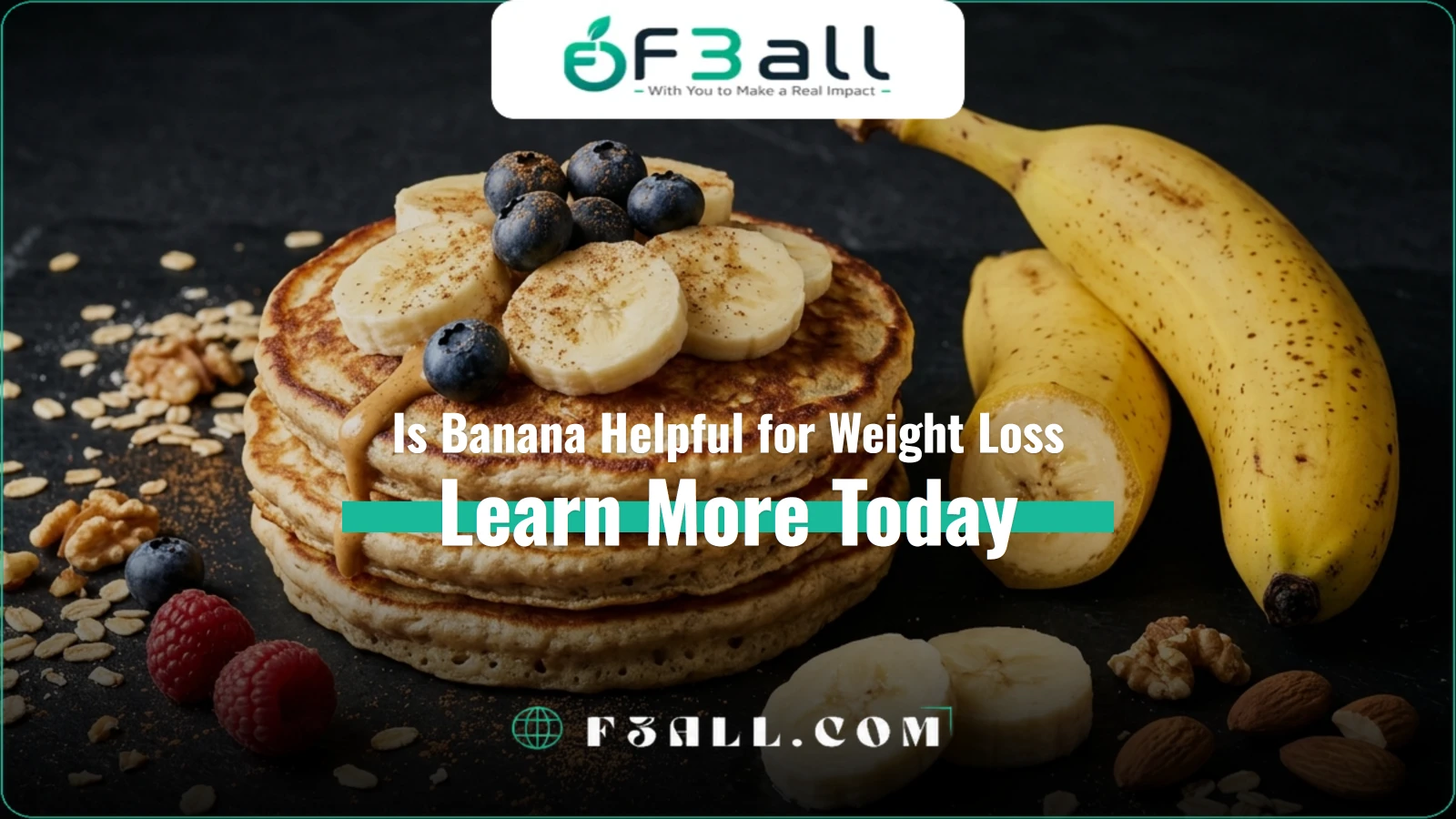
Is Banana Helpful for Weight Loss | Benefits & Tips Now
Is Banana Helpful for Weight Loss? Yes, bananas can be part of a balanced weight-loss diet because they provide carbohydrates, dietary fiber, potassium, and convenient energy without added sugar. A medium banana contains approximately 105 calories, making it a practical snack or breakfast ingredient. However, bananas do not directly burn body fat, and eating more of them does not guarantee weight reduction. Their usefulness depends on portion sizes, overall calorie intake, and how they fit into your daily meals.
This guide explores banana nutrition, calorie comparisons, health benefits, serving sizes, easy recipes, meal timing, and a seven-day eating plan. You’ll also learn how bananas compare with other fruits and what weight-loss results are realistic.
Is Banana Helpful for Weight Loss – Understanding the Facts
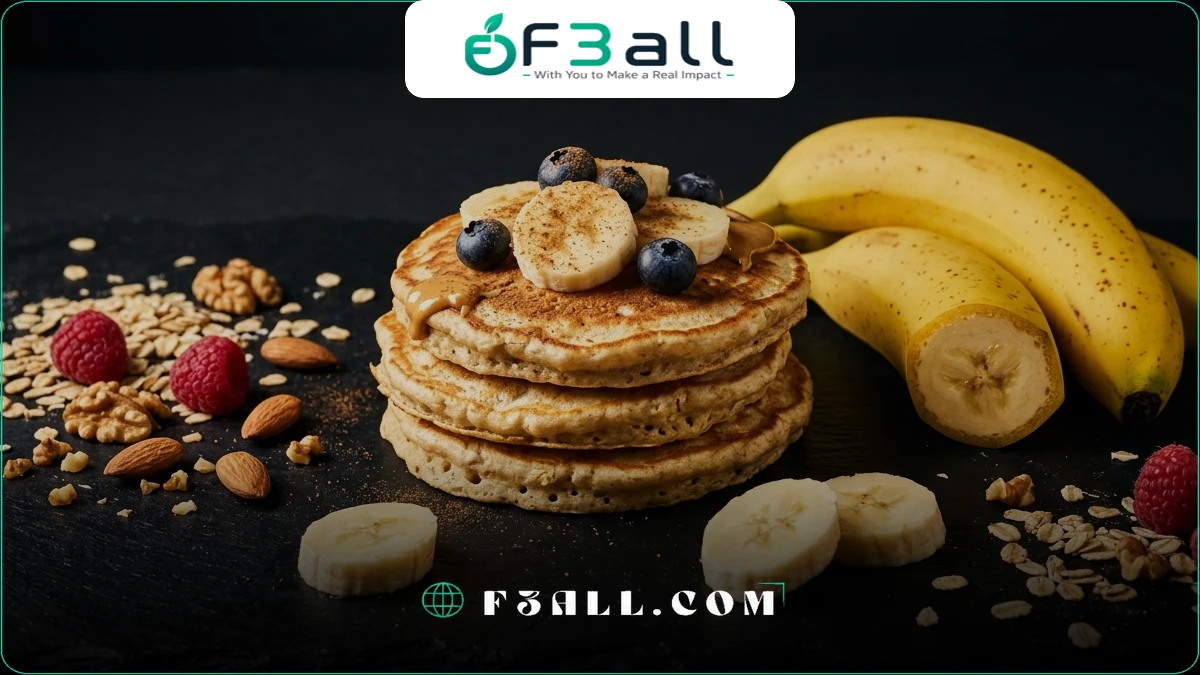
Bananas are sometimes avoided in weight-loss diets because they contain more carbohydrates than certain fruits.
However, carbohydrate content alone does not determine whether a food supports weight management.
Bananas contain naturally occurring sugars, fiber, vitamins, and minerals. They can fit into different eating patterns when consumed in appropriate portions.
Why Bananas Can Fit Into Weight-Loss Diets
- Convenient portions: A banana comes in its own natural packaging.
- Dietary fiber: Fiber contributes to digestive health and may support fullness.
- Naturally sweet flavor: Bananas can replace some added sugar in recipes.
- Carbohydrates: They provide energy for daily activities.
- Potassium: Bananas contribute an essential mineral involved in normal muscle and nerve function.
- Versatility: They work in oatmeal, smoothies, yogurt bowls, and snacks.
Do Bananas Cause Weight Gain?
No individual food automatically causes weight gain.
Long-term weight changes depend on overall energy balance and several physiological and behavioral factors.
A banana can fit into a calorie deficit, maintenance diet, or higher-calorie eating pattern.
Banana Facts vs Common Myths
| Claim | Evidence-Based Explanation |
| Bananas Always Cause Weight Gain | False |
| Bananas Contain Carbohydrates | True |
| Bananas Can Fit Into Weight-Loss Diets | True |
| Bananas Burn Belly Fat | Unsupported |
| Bananas Provide Potassium | True |
| Eating Bananas Guarantees Weight Loss | False |
The most useful approach is to consider bananas within your complete dietary pattern rather than labeling them as fattening or fat-burning.
Banana Calories for Weight Loss – How Much Energy Do They Provide?
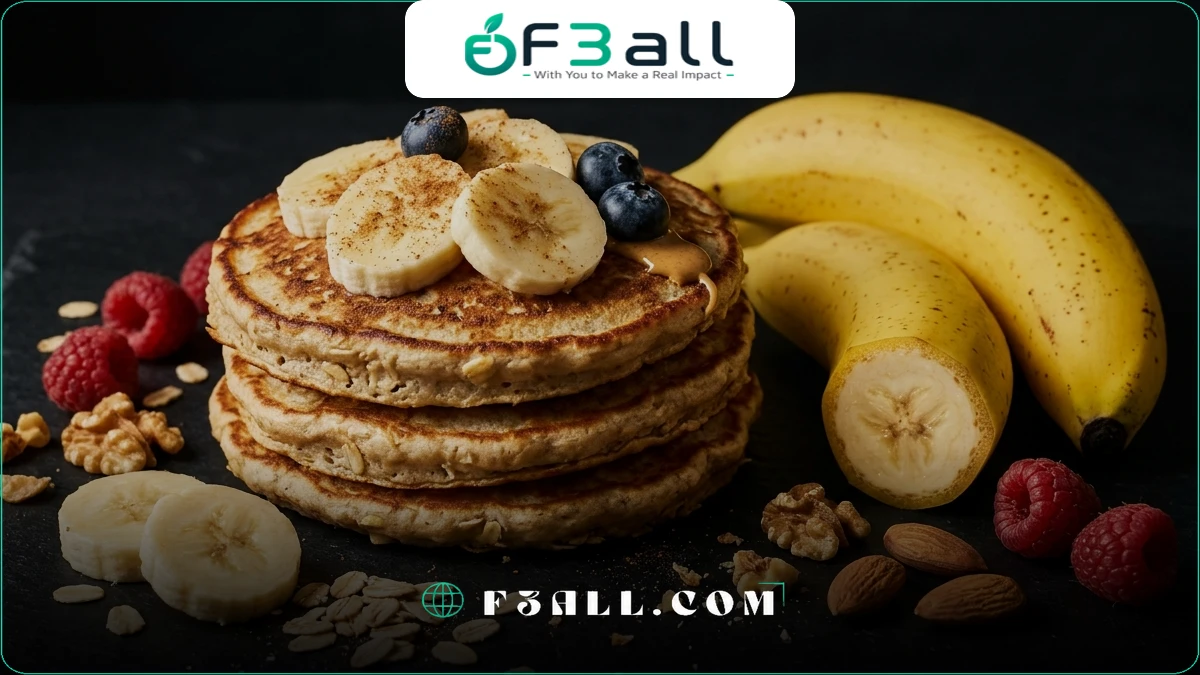
Banana Calories for Weight Loss vary according to fruit size and edible weight.
A medium banana weighing approximately 118 grams provides around 105 calories.
This makes it relatively easy to include in a planned snack or breakfast.
Banana Calories by Size
| Banana Size | Approximate Edible Weight | Calories |
| Extra Small | 81 g | 72 |
| Small | 101 g | 90 |
| Medium | 118 g | 105 |
| Large | 136 g | 121 |
| Extra Large | 152 g | 135 |
Values are approximate USDA-based estimates for raw bananas.
How Bananas Compare With Popular Snacks
| Snack | Approximate Calories |
| Medium Banana | 105 |
| Medium Apple | 95 |
| Medium Orange | 60–65 |
| 100 g Strawberries | 32 |
| 28 g Almonds | 160–170 |
| Plain Rice Cake | 35 |
| 170 g Plain Nonfat Greek Yogurt | 95–110 |
| Small Chocolate Bar | 180–250 |
Are Two Bananas Too Many?
Two medium bananas provide approximately 210 calories.
That amount is not inherently excessive, but it should be considered alongside other foods consumed throughout the day.
Does Banana Ripeness Change Calories?
As bananas ripen, some starch converts into sugars.
Ripening changes carbohydrate composition and sweetness, but it does not create a dramatic difference in total energy content for the same amount of banana.
Comparing calories by fruit size helps you include bananas without unnecessary food restrictions.
Banana Nutrition for Weight Loss – Fiber, Carbohydrates, and Minerals
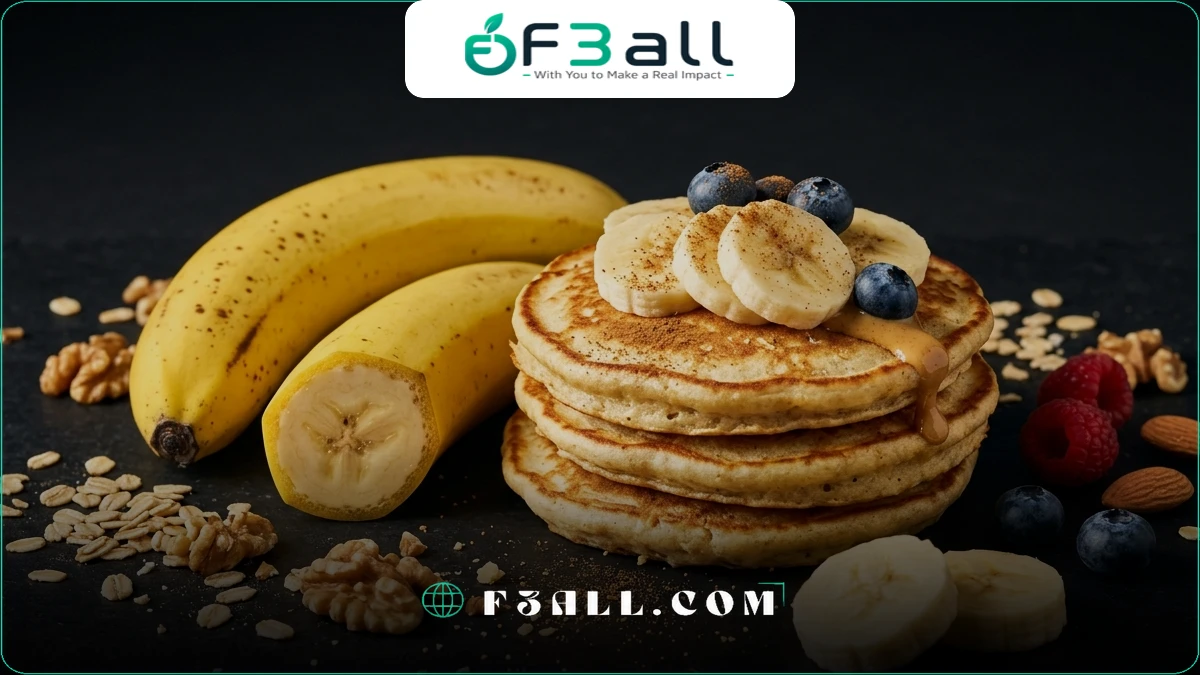
Banana Nutrition for Weight Loss involves more than counting calories.
Bananas provide several nutrients that support normal bodily functions.
Nutrition in One Medium Banana
| Nutrient | Approximate Amount |
| Calories | 105 kcal |
| Carbohydrates | 27 g |
| Dietary Fiber | 3.1 g |
| Naturally Occurring Sugars | 14.4 g |
| Protein | 1.3 g |
| Total Fat | 0.4 g |
| Potassium | 422 mg |
| Vitamin C | 10.3 mg |
| Vitamin B6 | 0.43 mg |
Values vary with size, variety, and ripeness.
Dietary Fiber
A medium banana contains approximately three grams of fiber.
Fiber supports normal digestion and can contribute to satiety.
However, bananas are not among the highest-fiber fruits per calorie.
Carbohydrates
Bananas provide carbohydrates that the body can use for energy.
This can be useful before physical activity or as part of a balanced meal.
Potassium
Potassium contributes to normal nerve signaling, muscle function, and blood-pressure regulation.
People with kidney disease or potassium restrictions should follow individualized medical advice.
Protein and Fat
Bananas contain relatively little protein and fat.
Pairing them with yogurt, cottage cheese, nuts, or nut butter can create a more nutritionally balanced snack.
Bananas provide useful nutrients, but combining them with other food groups improves dietary variety.
Read more about: Banana for Weight Loss | See Benefits and Calorie Tips!
Banana Benefits for Weight Loss – Six Practical Advantages
Banana Benefits for Weight Loss are related primarily to convenience, nutrition, and how the fruit can replace less nutritious snack choices.
Bananas do not possess a unique ability to accelerate fat burning.
1. Convenient Snack Preparation
Bananas require no cooking, refrigeration for immediate use, or special equipment.
This makes them practical for busy schedules.
2. Natural Sweetness
Mashed bananas can add sweetness to oatmeal, pancakes, and baked recipes.
They may help reduce the amount of added sugar needed, although bananas still contribute calories and natural sugars.
3. Dietary Fiber
Fiber contributes to digestive health and can help make a snack more satisfying.
4. Exercise Fuel
Bananas contain carbohydrates that may be useful before or after exercise, depending on individual needs.
5. Portion Convenience
A single small or medium banana provides a recognizable serving.
6. Dietary Versatility
Bananas can be paired with foods that provide protein, healthy fats, and additional fiber.
Benefits at a Glance
| Benefit | Practical Example |
| Convenience | Portable Work Snack |
| Natural Sweetness | Mashed Banana in Oatmeal |
| Fiber | Banana With Whole-Grain Breakfast |
| Exercise Energy | Banana Before Walking or Cycling |
| Portion Planning | One Medium Banana |
| Versatility | Yogurt and Banana Bowl |
Do Bananas Suppress Appetite?
Bananas may contribute to fullness, but their effect varies according to the person, ripeness, portion, and foods eaten alongside them.
The main advantage of bananas is that they make nutritious eating convenient and enjoyable.
Banana Serving Size for Weight Loss – Finding the Right Portion
Banana Serving Size for Weight Loss depends on individual calorie needs, activity levels, and the rest of the meal.
There is no universal number of bananas that everyone should eat daily.
Practical Serving Options
| Portion | Approximate Calories | Possible Use |
| Half Medium Banana | 53 | Oatmeal Topping |
| One Small Banana | 90 | Light Snack |
| One Medium Banana | 105 | Everyday Snack |
| One Large Banana | 121 | Exercise Snack |
| Two Medium Bananas | 210 | Higher-Carbohydrate Snack |
Half a Banana vs a Whole Banana
Half a banana may be sufficient when paired with other calorie-containing foods.
A whole banana may be more appropriate when you need a substantial carbohydrate portion.
Should You Measure Bananas?
Most people can use fruit size as a practical guide.
Weighing edible portions may be helpful for precise recipe calculations, but it is not necessary for everyone.
What About Banana Chips?
Banana chips are often dried or fried and may contain added sugar or oil.
They are typically more calorie-dense than fresh bananas.
Are Dried Bananas Equivalent to Fresh Bananas?
Not by volume.
Removing water concentrates calories into a smaller amount of food.
Choose a portion that fits your hunger and nutritional needs rather than following rigid banana limits.
Banana Recipes for Weight Loss – Eight Easy Ideas
Banana Recipes for Weight Loss can make breakfasts and snacks more varied.
These recipes emphasize simple ingredients, appropriate portions, and nutritional balance.
Calorie estimates depend on exact ingredient brands and quantities.
Recipe 1 – Banana Greek Yogurt Bowl
Ingredients
- 1 small banana.
- 170 g plain nonfat Greek yogurt.
- 10 g chia seeds.
- Cinnamon.
Instructions
- Place yogurt in a bowl.
- Slice the banana.
- Add banana and chia seeds.
- Sprinkle cinnamon.
- Serve immediately.
Estimated calories: 240–270.
This combination provides protein, carbohydrates, and fiber.
Recipe 2 – Banana Overnight Oats
Ingredients
- 40 g rolled oats.
- Half a medium banana.
- 150 ml unsweetened almond milk.
- 10 g chia seeds.
- Cinnamon.
Instructions
- Combine oats, milk, and chia seeds.
- Mash the banana.
- Stir everything together.
- Refrigerate overnight.
- Serve chilled.
Estimated calories: 270–300.
Overnight oats are convenient for breakfast preparation.
Recipe 3 – Banana Peanut Butter Toast
Ingredients
- 1 slice whole-grain bread.
- Half a medium banana.
- 1 tablespoon peanut butter.
- Cinnamon.
Instructions
- Toast the bread.
- Spread peanut butter evenly.
- Add sliced banana.
- Sprinkle cinnamon.
- Serve fresh.
Estimated calories: 230–270.
Measure peanut butter because it is energy-dense.
Recipe 4 – Strawberry Banana Smoothie
Ingredients
- 1 small banana.
- 100 g strawberries.
- 150 g plain nonfat Greek yogurt.
- 100 ml water.
- Ice.
Instructions
- Add fruit and yogurt to a blender.
- Pour in water.
- Blend until smooth.
- Add ice if desired.
- Serve immediately.
Estimated calories: 200–230.
This smoothie provides fruit and protein without requiring added syrup.
Recipe 5 – Two-Ingredient Banana Oat Cookies
Ingredients
- 1 medium banana.
- 50 g rolled oats.
- Optional cinnamon.
Instructions
- Preheat the oven to 180°C (350°F).
- Mash the banana.
- Stir in oats and cinnamon.
- Shape into six small cookies.
- Bake for approximately 12–15 minutes until set.
Estimated calories: 45–55 per cookie.
These are soft cookies rather than crisp traditional biscuits.
Recipe 6 – Banana Cottage Cheese Bowl
Ingredients
- 100 g low-fat cottage cheese.
- 1 small banana.
- 50 g blueberries.
- Cinnamon.
Instructions
- Add cottage cheese to a bowl.
- Slice the banana.
- Add blueberries.
- Sprinkle cinnamon.
- Serve chilled.
Estimated calories: 210–250.
Cottage cheese adds protein to the fruit.
Recipe 7 – Frozen Banana Yogurt Bites
Ingredients
- 1 medium banana.
- 100 g plain Greek yogurt.
- 10 g crushed nuts.
Instructions
- Slice the banana.
- Dip slices in yogurt.
- Sprinkle with nuts.
- Arrange on a lined tray.
- Freeze until firm.
Estimated calories: 220–250 for the complete batch.
Divide into smaller portions if desired.
Recipe 8 – Banana Egg Pancakes
Ingredients
- 1 medium banana.
- 2 eggs.
- Cinnamon.
- A small amount of oil for the pan.
Instructions
- Mash the banana.
- Beat in the eggs.
- Add cinnamon.
- Lightly grease a nonstick pan.
- Cook small pancakes over moderate heat until fully set.
Estimated calories: 250–290 for the complete recipe.
Cook eggs thoroughly and use modest amounts of oil.
Recipe Comparison
| Recipe | Approximate Calories | Main Feature |
| Greek Yogurt Banana Bowl | 240–270 | Protein |
| Banana Overnight Oats | 270–300 | Fiber |
| Peanut Butter Toast | 230–270 | Healthy Fats |
| Strawberry Banana Smoothie | 200–230 | Fruit and Protein |
| Banana Oat Cookies | 45–55 Each | Simple Ingredients |
| Cottage Cheese Bowl | 210–250 | Protein |
| Frozen Yogurt Bites | 220–250 per Batch | Frozen Snack |
| Banana Egg Pancakes | 250–290 | Protein |
These recipes make bananas more versatile while allowing you to adjust portions according to your needs.
Banana Diet Plan – A Seven-Day Meal Guide
A Banana Diet Plan does not need to involve eating bananas at every meal.
A restrictive banana-only diet would lack important nutrients and would not be a balanced approach to weight management.
Instead, include bananas alongside protein, vegetables, whole grains, and healthy fats.
Seven-Day Banana Meal Plan
| Day | Banana-Based Meal or Snack | Other Meal Focus |
| Monday | Banana Greek Yogurt Bowl | Chicken and Vegetables |
| Tuesday | Banana Overnight Oats | Lentil Soup and Salad |
| Wednesday | Banana Peanut Butter Toast | Salmon and Brown Rice |
| Thursday | Strawberry Banana Smoothie | Turkey and Vegetable Wrap |
| Friday | Banana Oat Cookies | Beans and Whole Grains |
| Saturday | Banana Cottage Cheese Bowl | Tofu Stir-Fry |
| Sunday | Banana Egg Pancakes | Grilled Fish and Vegetables |
How to Use the Plan
- Adjust portions to your energy requirements.
- Include adequate protein throughout the day.
- Eat different fruits and vegetables.
- Choose whole grains regularly.
- Include sources of unsaturated fats.
- Stay appropriately hydrated.
- Maintain dietary variety.
Can You Eat Bananas Every Day?
Yes, for many people, bananas can be a regular part of a balanced diet.
However, eating different fruits helps provide a wider range of nutrients.
Is the Banana Diet Effective?
There is no strong evidence that a special banana-based diet produces superior fat loss compared with other nutritionally adequate eating patterns that create a suitable calorie deficit.
Use bananas as one convenient ingredient within a varied diet, not as the foundation of a restrictive eating plan.
Read more about: Coffee Weight Loss Drink | Explore Recipes and Tips Now
Banana Best Time to Eat – Morning, Afternoon, or Night
Banana Best Time to Eat depends on personal preference, hunger, activity, and meal timing.
There is no convincing evidence that eating bananas at a particular hour produces greater fat loss.
Eating Bananas at Breakfast
Bananas pair well with oats, yogurt, eggs, and whole-grain toast.
Eating Bananas Before Exercise
Their carbohydrate content can make them a practical pre-exercise snack.
Individual digestive tolerance and activity intensity matter.
Eating Bananas After Exercise
Bananas provide carbohydrates but relatively little protein.
Pairing them with milk or yogurt can create a more balanced recovery snack.
Eating Bananas at Night
A banana does not automatically cause weight gain when eaten in the evening.
Overall dietary intake matters more than a single snack’s timing.
Timing Comparison
| Time | Practical Use | Suggested Pairing |
| Breakfast | Morning Energy | Yogurt and Oats |
| Midmorning | Convenient Snack | Nuts |
| Before Exercise | Carbohydrates | Banana Alone if Tolerated |
| After Exercise | Recovery Carbohydrates | Milk or Yogurt |
| Evening | Light Snack | Cottage Cheese |
Are Bananas Better on an Empty Stomach?
There is no established weight-loss advantage to eating bananas on an empty stomach.
Choose banana timing according to your schedule and appetite rather than unsupported metabolism claims.
Banana for Belly Fat – Can Bananas Reduce Abdominal Fat?
Banana for Belly Fat is a common search because people often want to reduce waist size.
However, no food selectively removes fat from the abdomen.
Understanding Belly Fat
Abdominal fat includes subcutaneous fat beneath the skin and visceral fat around internal organs.
Excess visceral fat is associated with increased cardiometabolic risk.
Does Banana Fiber Burn Belly Fat?
No.
Fiber supports digestive health and may contribute to fullness, but it does not target fat cells in a specific body region.
Are Green Bananas Better for Belly Fat?
Less-ripe bananas contain more resistant starch than fully ripe bananas.
Resistant starch is being studied for effects on digestion and metabolism, but this does not establish green bananas as a belly-fat treatment.
Common Claims Compared
| Claim | Scientific Assessment |
| Bananas Melt Belly Fat | Unsupported |
| Banana Fiber Supports Digestion | Supported |
| Green Bananas Target Waist Fat | Not Established |
| Bananas Can Fit a Calorie Deficit | True |
| Exercise Supports Body-Fat Management | Supported |
| Spot Reduction Is Guaranteed | False |
What Actually Supports Abdominal-Fat Management?
Balanced nutrition, physical activity, resistance training, adequate sleep, and appropriate medical care can support overall health and body-composition changes.
Bananas can contribute to nutritious eating, but they do not specifically eliminate belly fat.
Banana Weight Loss Results – What to Expect
Banana Weight Loss Results depend on how bananas affect overall calorie intake and eating habits.
Adding bananas to an already adequate diet does not automatically produce weight reduction.
However, replacing certain higher-calorie snacks with bananas may help reduce total calorie intake.
Example Snack Substitution
Suppose someone replaces a 250-calorie packaged snack with a 105-calorie medium banana.
The difference is approximately 145 calories.
| Frequency | Illustrative Calorie Difference |
| One Substitution | 145 |
| Five Substitutions | 725 |
| Ten Substitutions | 1,450 |
| Twenty Substitutions | 2,900 |
These figures represent differences in calorie intake, not guaranteed weight-loss outcomes.
Results After Seven Days
You may notice improved snack planning or greater fruit intake.
Results After 30 Days
If dietary changes contribute to a sustainable calorie deficit, weight reduction may occur.
Results After 90 Days
Longer-term changes may include more consistent eating habits and changes in body-weight trends.
Can Eating One Banana Daily Guarantee Weight Loss?
No.
Results depend on overall dietary intake, physical activity, health, and individual physiology.
What Should You Track?
Consider dietary quality, portion sizes, hunger, physical activity, and consistent weight trends when appropriate.
Realistic progress comes from sustainable eating habits rather than expecting a specific fruit to determine results.
Banana vs Alternatives for Weight Loss – Which Fruit Is Better?
Banana vs Alternatives for Weight Loss involves comparing bananas with apples, berries, oranges, grapes, and other fruits.
Each fruit offers different combinations of calories, fiber, water, and micronutrients.
Fruit Comparison per 100 Grams
| Fruit | Approximate Calories | Approximate Fiber |
| Banana | 89 | 2.6 g |
| Apple With Skin | 52 | 2.4 g |
| Strawberries | 32 | 2.0 g |
| Blueberries | 57 | 2.4 g |
| Orange | 47 | 2.4 g |
| Grapes | 69 | 0.9 g |
| Pear With Skin | 57 | 3.1 g |
| Watermelon | 30 | 0.4 g |
USDA-based estimates; actual values vary.
Banana vs Apple
Apples generally contain fewer calories per 100 grams and provide substantial water and fiber.
Bananas provide more carbohydrates and potassium.
Banana vs Strawberries
Strawberries are lower in calories per 100 grams.
Bananas are more energy-dense and may be convenient before physical activity.
Banana vs Blueberries
Both provide fiber and useful micronutrients.
Blueberries contain different plant compounds, while bananas provide more carbohydrates.
Banana vs Grapes
Bananas generally contain more fiber per 100 grams than grapes.
Banana vs Oatmeal
Oatmeal is a whole-grain food rather than a fruit.
Combining oats and bananas can create a balanced carbohydrate-rich breakfast, especially with added protein.
Which Is Best for Weight Loss?
There is no universally superior fruit.
Fruit variety supports dietary quality, and portions should reflect individual needs.
Choose different fruits throughout the week instead of relying on a single option for weight management.
Read more about: Chia Seed Water Weight Loss | Explore Benefits and Tips
Green Banana vs Ripe Banana – Does Ripeness Matter?
Banana ripeness changes carbohydrate composition, texture, sweetness, and digestibility.
Green Bananas
Less-ripe bananas contain more starch, including resistant starch.
Resistant starch is not fully digested in the small intestine and can be fermented by gut bacteria.
Yellow Bananas
As bananas ripen, starch is converted into sugars.
Yellow bananas are sweeter and softer.
Very Ripe Bananas
Very ripe bananas work well in baking and smoothies because they provide natural sweetness.
Ripeness Comparison
| Ripeness | Main Characteristic | Practical Use |
| Green | More Starch | Cooking |
| Slightly Yellow | Firmer Texture | Snacks |
| Yellow | Sweeter Flavor | Everyday Eating |
| Brown-Spotted | Soft and Sweet | Smoothies and Baking |
Are Green Bananas Better for Weight Loss?
There is insufficient evidence that choosing green bananas instead of ripe bananas produces meaningful additional weight loss.
Do Ripe Bananas Contain More Calories?
Ripening changes the balance of starch and sugar, but differences in total calories are not large enough to justify treating ripe bananas as inherently fattening.
Choose banana ripeness according to taste, digestion, and recipe requirements rather than fat-loss promises.
Common Mistakes When Eating Bananas for Weight Loss
Bananas are nutritious, but some eating habits can make calorie management more difficult.
Mistakes to Avoid
- Assuming bananas burn fat: They do not directly cause fat loss.
- Ignoring smoothie ingredients: Nut butter, syrups, and sweetened milk can increase calories.
- Eating only bananas: A banana-only diet lacks adequate nutritional variety.
- Avoiding all ripe bananas: Ripeness does not determine whether a fruit fits your diet.
- Overlooking portion sizes: Large bananas contain more calories than small ones.
- Confusing banana chips with fresh fruit: Chips may contain added fats and sugars.
- Expecting belly-fat reduction: No fruit selectively removes abdominal fat.
Practical Improvements
| Common Mistake | Better Approach |
| Excessive Smoothie Additions | Measure Ingredients |
| Restrictive Banana Diet | Eat Balanced Meals |
| Ignoring Fruit Size | Consider Portion Weight |
| Choosing Sugary Banana Snacks | Prefer Fresh Fruit |
| Expecting Rapid Results | Focus on Long-Term Habits |
| Avoiding Other Fruits | Include Dietary Variety |
Who May Need Special Considerations?
People with diabetes may need to consider banana portions and total carbohydrate intake as part of individualized meal planning.
Individuals with advanced kidney disease or prescribed potassium restrictions should follow their clinician’s advice.
Those with banana allergies should avoid the fruit.
The goal is to use bananas appropriately within your nutritional needs rather than applying the same rules to everyone.
Why F3all Is Your Best Choice

At F3all, our Is Banana Helpful for Weight Loss guide focuses on practical nutrition, realistic expectations, and everyday meal ideas.
We help readers understand how bananas contribute to a balanced eating pattern without exaggerated fat-burning claims.
- Calorie Comparisons: Understand banana portions and energy content.
- Nutrition Guidance: Explore fiber, potassium, and carbohydrates.
- Serving Size Examples: Choose appropriate portions.
- Easy Recipes: Prepare eight banana-based meals and snacks.
- Seven-Day Planning: Build a varied eating routine.
- Belly-Fat Facts: Separate evidence from misleading claims.
- Fruit Comparisons: Evaluate bananas alongside other nutritious options.
Explore additional healthy eating resources at F3all.
F3all helps readers make informed food choices that support sustainable nutrition and weight-management goals.
Frequently Asked Questions
Is Banana Helpful for Weight Loss?
Yes. Bananas can fit into a balanced weight-loss diet because they provide fiber, carbohydrates, and useful nutrients. They do not independently cause fat loss.
How Many Calories Are in One Banana?
A medium banana weighing approximately 118 grams contains about 105 calories.
Can I Eat Bananas Every Day While Losing Weight?
Yes. Daily banana consumption can fit into a balanced diet when portions and overall nutritional variety are appropriate.
Is Banana Good for Belly Fat Loss?
Bananas do not selectively reduce abdominal fat. Overall body-fat changes depend on broader dietary and lifestyle factors.
What Is the Best Time to Eat a Banana for Weight Loss?
There is no scientifically established best time. Bananas can be eaten at breakfast, before exercise, or as a snack.
Are Green Bananas Better for Weight Loss?
Green bananas contain more resistant starch, but evidence does not establish that they produce greater weight loss than ripe bananas.
Can I Eat Two Bananas a Day?
Two bananas can fit into some eating patterns. The appropriate amount depends on individual calorie needs and the rest of the diet.
Is Banana Better Than Apple for Weight Loss?
Neither is universally better. Apples contain fewer calories per 100 grams, while bananas provide more carbohydrates and potassium.
Are Banana Smoothies Good for Weight Loss?
They can fit into a balanced diet, depending on ingredients, portion sizes, and overall calorie intake.
How Much Weight Can I Lose in 30 Days by Eating Bananas?
No specific amount can be guaranteed. Weight changes depend on total energy intake, physical activity, health, and individual circumstances.
In the End
Is Banana Helpful for Weight Loss? Yes, bananas can support a balanced eating pattern through their fiber, carbohydrates, potassium, convenience, and versatility.
A medium banana provides approximately 105 calories and can be included in breakfasts, snacks, smoothies, and simple recipes.
However, bananas do not directly burn fat, guarantee weight loss, or selectively reduce abdominal fat.
For sustainable progress, consider portions, combine bananas with protein-rich foods, enjoy different fruits, and maintain a nutritious overall diet.
Choose bananas as a convenient, nourishing food and focus on consistent habits that support your long-term health.
References