Low Calorie Protein Shakes for Weight Loss | Try Recipes
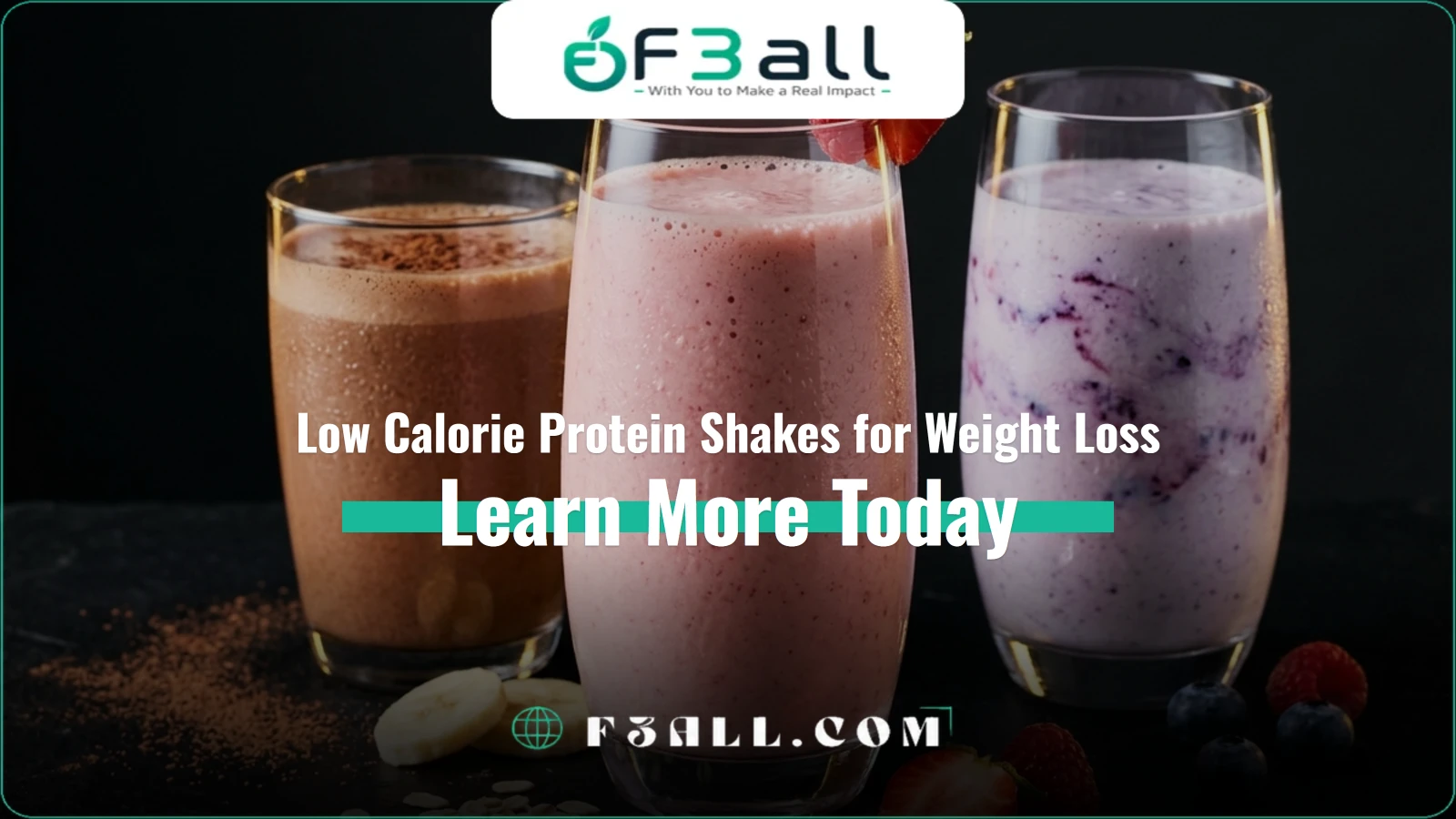
Low Calorie Protein Shakes for Weight Loss offer a convenient way to increase protein intake while managing daily calories. Made with ingredients such as Greek yogurt, protein powder, unsweetened milk, berries, and seeds, these drinks can support fullness and muscle maintenance during weight reduction. However, not every protein shake is low in calories, and drinking one does not automatically cause fat loss. Ingredient selection, serving size, and overall dietary habits determine whether a shake supports your goals.
This guide includes 12 homemade protein shake recipes, ingredient comparisons, calorie estimates, no-added-sugar options, and practical meal-preparation strategies. You’ll also find a seven-day shake schedule, guidance on choosing protein powder, and realistic expectations for weight-loss results.
Low Calorie Protein Shakes for Weight Loss – How They Fit Into a Healthy Diet
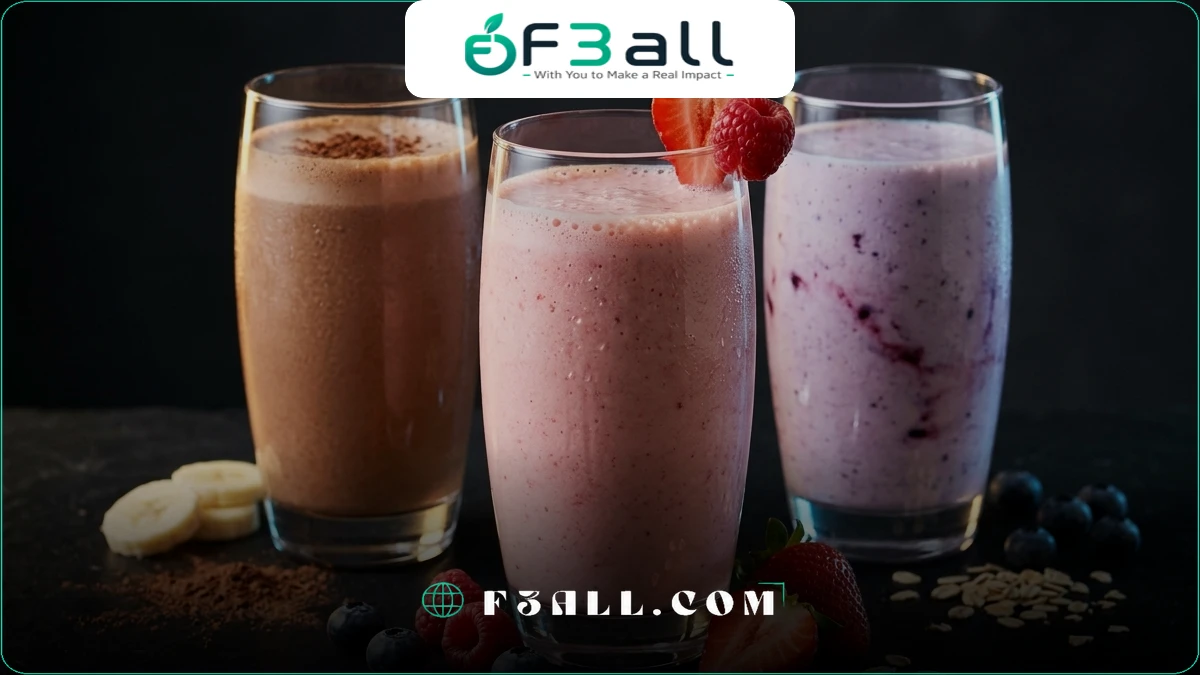
Protein shakes are beverages that contain protein from ingredients such as dairy products, soy, protein powder, or other protein-rich foods.
They can be useful when someone needs a convenient way to meet protein requirements.
However, a protein shake is not automatically a weight-loss product.
Its nutritional value depends on the ingredients and the role it plays within the overall diet.
Why Protein Matters During Weight Loss
Protein contributes to several important functions:
- Muscle maintenance.
- Tissue repair.
- Normal immune function.
- Production of enzymes and hormones.
- Meal satisfaction.
- Recovery after physical activity.
When energy intake is reduced, adequate protein combined with resistance training can help preserve lean body mass.
What Makes a Protein Shake Low-Calorie?
A lower-calorie protein shake generally uses:
- A measured portion of protein powder or another protein source.
- Unsweetened milk or water.
- Moderate fruit portions.
- Limited calorie-dense toppings.
- No unnecessary added sugar.
Does a Protein Shake Burn Fat?
No.
Protein shakes do not directly burn body fat.
Weight loss generally requires a sustained energy deficit over time.
Protein Shake vs Regular Smoothie
| Feature | Protein Shake | Fruit Smoothie |
| Main Focus | Protein Intake | Fruit and Other Ingredients |
| Protein Content | Often Higher | Varies |
| Calories | Depends on Recipe | Depends on Recipe |
| Fiber | Varies | Often Higher With Whole Fruit |
| Added Sugar | Optional | Optional |
| Weight-Loss Benefit | Depends on Overall Diet | Depends on Overall Diet |
Should You Replace Meals With Protein Shakes?
Not necessarily.
A simple protein shake may lack adequate fiber, essential fats, and other nutrients required for a complete meal.
A balanced meal replacement requires more than protein alone.
Protein shakes can support weight management when they complement a nutritious eating pattern and fit individual calorie needs.
Low Calorie Protein Shakes for Ingredients for Weight Loss – Choosing What Goes Into Your Blender
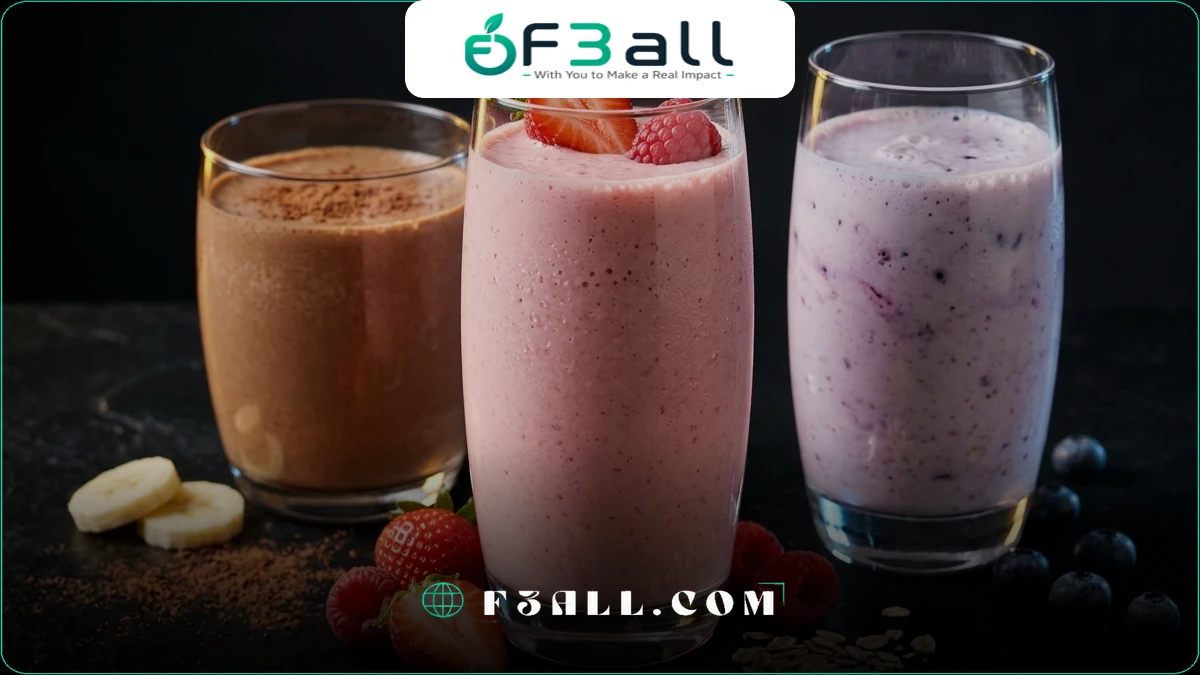
Low Calorie Protein Shakes for Ingredients for Weight Loss is an awkward search phrase, but the underlying question is useful: which ingredients provide protein and flavor without making a shake unnecessarily calorie-dense?
The answer depends on combining an appropriate protein source with a liquid base and optional fruit or flavorings.
Protein Sources
| Ingredient | Typical Serving | Approximate Calories | Approximate Protein |
| Whey Protein Isolate | 30 g | 105–120 | 24–27 g |
| Plant Protein Powder | 30 g | 110–140 | 20–25 g |
| Nonfat Greek Yogurt | 170 g | 90–110 | 16–18 g |
| Low-Fat Cottage Cheese | 100 g | 75–100 | 11–13 g |
| Silken Tofu | 150 g | 75–110 | 7–11 g |
| Unsweetened Soy Milk | 240 ml | 70–100 | 7–9 g |
Values vary by brand and formulation.
Liquid Bases
The liquid base can significantly change the calorie content.
| Liquid | Approximate Calories per 240 ml | Protein |
| Water | 0 | 0 g |
| Unsweetened Almond Milk | 30–40 | 1 g |
| Unsweetened Soy Milk | 70–100 | 7–9 g |
| Skim Milk | 80–90 | 8 g |
| Unsweetened Oat Milk | 80–120 | 2–4 g |
Fruits That Work Well
- Strawberries.
- Blueberries.
- Raspberries.
- Blackberries.
- Small banana portions.
- Kiwi.
- Peaches.
Whole fruit adds flavor and fiber.
Flavor Enhancers
Unsweetened cocoa powder, cinnamon, vanilla extract, and coffee can create variety without requiring large quantities of sugar.
Ingredients to Measure Carefully
Nut butter, oats, seeds, avocado, and full-fat dairy can be nutritious but increase calories quickly.
For example, a generous spoonful of peanut butter may add substantially more calories than a small serving of berries.
Choose a protein source first, then build the remaining ingredients around your calorie and nutritional needs.
Low Calorie Protein Shakes for Calories – How Much Should a Shake Contain?
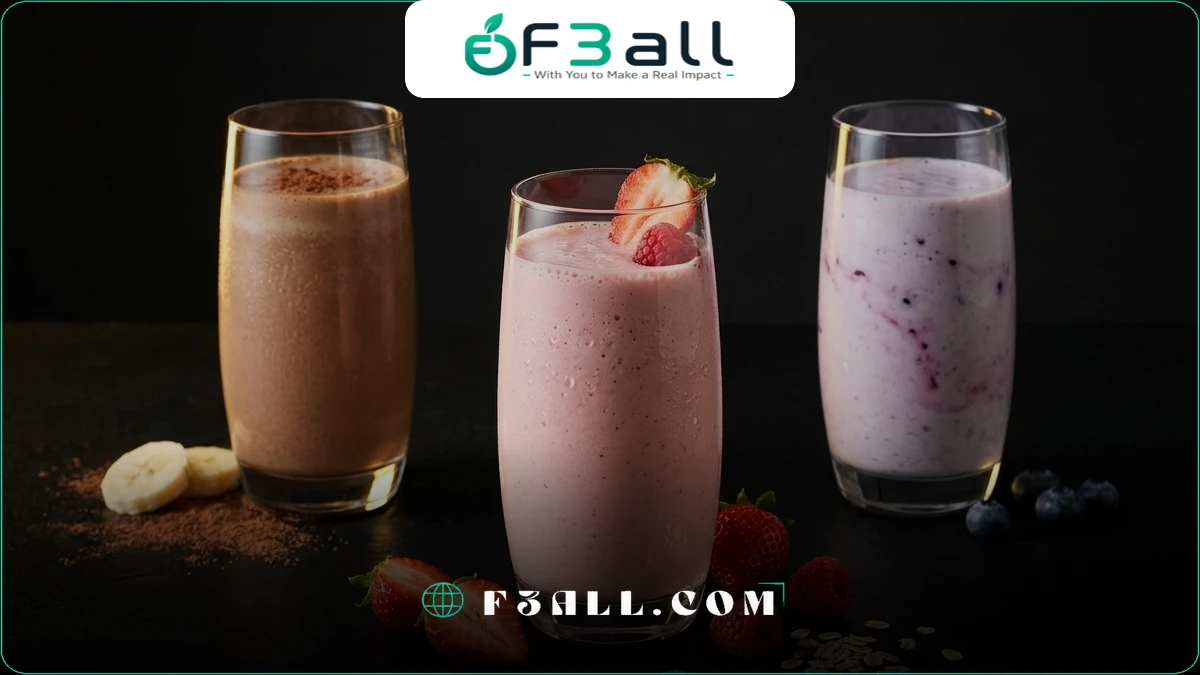
Low Calorie Protein Shakes for Calories depends on the recipe, serving size, and intended purpose.
A small protein drink consumed as a snack may require fewer calories than a shake intended to replace a substantial meal.
Example Calorie Ranges
| Shake Type | Illustrative Calories | Typical Purpose |
| Protein With Water | 100–140 | Simple Protein Supplement |
| Protein With Almond Milk | 130–180 | Light Snack |
| Protein With Berries | 150–220 | Protein and Fruit |
| Greek Yogurt Protein Shake | 180–280 | More Substantial Snack |
| Protein Shake With Oats | 250–400 | Larger Snack or Meal Component |
These are broad examples, not fixed nutritional categories.
How to Calculate Shake Calories
Add the calories from each ingredient.
For example:
| Ingredient | Calories |
| 30 g Protein Powder | 115 |
| 240 ml Unsweetened Almond Milk | 35 |
| 75 g Strawberries | 24 |
| 5 g Unsweetened Cocoa | 12 |
| Total | 186 |
Why Protein Content Matters
A shake containing 20–30 grams of protein may be useful for some adults, but the ideal amount depends on individual requirements.
Is a 100-Calorie Protein Shake Enough?
It may serve as a small protein supplement.
However, it is unlikely to provide a complete meal.
Can a 300-Calorie Shake Support Weight Loss?
Yes.
A 300-calorie shake can fit into a calorie-controlled diet if the overall eating pattern meets nutritional needs.
Does Lower-Calorie Always Mean Better?
No.
A very low-calorie shake may provide insufficient energy or nutrients for its intended purpose.
Choose shake calories according to how the drink fits into your day rather than aiming for the lowest possible number.
Read more about: High Protein Diet Plan for Weight Loss | Get Your Plans
12 Low Calorie Protein Shakes for Weight Loss – Easy Homemade Recipes
These recipes use straightforward ingredients and can be prepared in a blender.
Each recipe makes approximately one serving.
Nutritional values are estimates based on typical ingredients and may vary by brand.
Use pasteurized dairy products and follow safe food-handling practices.
Recipe 1 – Vanilla Berry Protein Shake
<text color=”secondary” weight=”medium”>Estimated calories: 170–210 | Protein: 24–29 g</text>
Ingredients
- 30 g vanilla whey protein.
- 240 ml unsweetened almond milk.
- 100 g strawberries.
- Ice.
- A few drops of vanilla extract.
Instructions
- Add almond milk to a blender.
- Add protein powder and strawberries.
- Include ice and vanilla.
- Blend until smooth.
- Serve immediately.
Why try it: Strawberries add natural sweetness and fiber without requiring added sugar.
Recipe 2 – Chocolate Almond Protein Shake
<text color=”secondary” weight=”medium”>Estimated calories: 155–195 | Protein: 25–30 g</text>
Ingredients
- 30 g chocolate protein powder.
- 240 ml unsweetened almond milk.
- 5 g unsweetened cocoa powder.
- Ice.
- Cinnamon.
Instructions
- Combine the almond milk and protein powder.
- Add cocoa and cinnamon.
- Blend with ice.
- Adjust consistency with water if needed.
Why try it: Cocoa provides chocolate flavor without sweetened syrup.
Recipe 3 – Strawberry Greek Yogurt Shake
<text color=”secondary” weight=”medium”>Estimated calories: 170–220 | Protein: 18–23 g</text>
Ingredients
- 170 g nonfat Greek yogurt.
- 120 g strawberries.
- 100 ml cold water.
- Ice.
- Vanilla extract.
Instructions
- Add yogurt and water to the blender.
- Include strawberries and vanilla.
- Blend until creamy.
- Add ice and blend briefly.
Why try it: Greek yogurt provides protein and a creamy texture without requiring protein powder.
Recipe 4 – Iced Coffee Protein Shake
<text color=”secondary” weight=”medium”>Estimated calories: 140–185 | Protein: 24–29 g</text>
Ingredients
- 30 g vanilla protein powder.
- 120 ml cooled brewed coffee.
- 120 ml unsweetened almond milk.
- Ice.
- Cinnamon.
Instructions
- Brew coffee and allow it to cool.
- Combine all ingredients.
- Blend until smooth.
- Serve chilled.
Why try it: Coffee adds flavor with minimal calories.
Avoid this recipe if caffeine is unsuitable for you, and consider the effects of caffeine on sleep.
Recipe 5 – Blueberry Soy Protein Shake
<text color=”secondary” weight=”medium”>Estimated calories: 205–260 | Protein: 27–34 g</text>
Ingredients
- 30 g plant protein powder.
- 240 ml unsweetened soy milk.
- 75 g blueberries.
- Ice.
Instructions
- Pour soy milk into the blender.
- Add protein powder and blueberries.
- Blend thoroughly.
- Serve immediately.
Why try it: Soy milk contributes additional protein to a dairy-free recipe.
Recipe 6 – Cinnamon Vanilla Shake
<text color=”secondary” weight=”medium”>Estimated calories: 130–170 | Protein: 24–29 g</text>
Ingredients
- 30 g vanilla whey protein.
- 240 ml unsweetened almond milk.
- 1/2 teaspoon cinnamon.
- Vanilla extract.
- Ice.
Instructions
- Combine all ingredients.
- Blend until smooth.
- Adjust with water if necessary.
- Serve cold.
Why try it: Cinnamon adds flavor without requiring sweetened toppings.
Recipe 7 – Chocolate Raspberry Protein Shake
<text color=”secondary” weight=”medium”>Estimated calories: 180–225 | Protein: 25–30 g</text>
Ingredients
- 30 g chocolate protein powder.
- 240 ml unsweetened almond milk.
- 100 g raspberries.
- 5 g cocoa powder.
Instructions
- Add milk and protein powder.
- Include raspberries and cocoa.
- Blend until smooth.
- Serve immediately.
Why try it: Raspberries provide fiber and a tart contrast to chocolate.
Recipe 8 – Peach Greek Yogurt Shake
<text color=”secondary” weight=”medium”>Estimated calories: 170–225 | Protein: 18–23 g</text>
Ingredients
- 170 g nonfat Greek yogurt.
- 120 g fresh peach.
- 100 ml water.
- Ice.
- Cinnamon.
Instructions
- Wash and prepare the peach.
- Add yogurt and water.
- Include peach, cinnamon, and ice.
- Blend until smooth.
Why try it: Peach contributes natural sweetness and flavor.
Recipe 9 – Banana Cocoa Protein Shake
<text color=”secondary” weight=”medium”>Estimated calories: 185–235 | Protein: 25–30 g</text>
Ingredients
- 30 g chocolate protein powder.
- 240 ml unsweetened almond milk.
- 60 g banana.
- 5 g cocoa powder.
Instructions
- Add almond milk and protein powder.
- Include banana and cocoa.
- Blend thoroughly.
- Serve chilled.
Why try it: A moderate banana portion creates sweetness and texture.
Recipe 10 – Vanilla Tofu Protein Shake
<text color=”secondary” weight=”medium”>Estimated calories: 185–245 | Protein: 19–27 g</text>
Ingredients
- 150 g silken tofu.
- 20 g plant protein powder.
- 150 ml water.
- 75 g strawberries.
- Vanilla extract.
Instructions
- Add tofu and water to the blender.
- Include protein powder and strawberries.
- Add vanilla.
- Blend until creamy.
Why try it: Silken tofu creates a smooth dairy-free base.
Recipe 11 – Cottage Cheese Berry Shake
<text color=”secondary” weight=”medium”>Estimated calories: 180–240 | Protein: 19–25 g</text>
Ingredients
- 150 g low-fat cottage cheese.
- 100 g mixed berries.
- 120 ml water.
- Ice.
- Vanilla extract.
Instructions
- Combine cottage cheese and water.
- Add berries and vanilla.
- Blend until completely smooth.
- Serve immediately.
Why try it: Cottage cheese adds protein and creaminess without protein powder.
Recipe 12 – Matcha Vanilla Protein Shake
<text color=”secondary” weight=”medium”>Estimated calories: 145–190 | Protein: 24–29 g</text>
Ingredients
- 30 g vanilla protein powder.
- 240 ml unsweetened almond milk.
- 1 teaspoon matcha powder.
- Ice.
Instructions
- Add almond milk to the blender.
- Include protein powder and matcha.
- Blend with ice.
- Serve cold.
Why try it: Matcha adds a distinctive flavor, although it contains caffeine.
Recipe Comparison
| Recipe | Estimated Calories | Estimated Protein |
| Vanilla Berry | 170–210 | 24–29 g |
| Chocolate Almond | 155–195 | 25–30 g |
| Strawberry Yogurt | 170–220 | 18–23 g |
| Iced Coffee | 140–185 | 24–29 g |
| Blueberry Soy | 205–260 | 27–34 g |
| Cinnamon Vanilla | 130–170 | 24–29 g |
| Chocolate Raspberry | 180–225 | 25–30 g |
| Peach Yogurt | 170–225 | 18–23 g |
| Banana Cocoa | 185–235 | 25–30 g |
| Vanilla Tofu | 185–245 | 19–27 g |
| Cottage Cheese Berry | 180–240 | 19–25 g |
| Matcha Vanilla | 145–190 | 24–29 g |
These recipes provide different ways to enjoy protein-rich drinks while managing ingredients and serving sizes.
Healthy Low Calorie Protein Shakes for Recipe – Creating Your Own Formula
The phrase Healthy Low Calorie Protein Shakes for Recipe usually reflects a desire for flexible recipes that can be adjusted according to taste and nutritional needs.
A useful homemade formula includes a protein source, liquid base, and optional fruit or flavoring.
Step 1 – Select a Protein Source
Choose whey protein, plant protein, Greek yogurt, cottage cheese, or tofu.
Step 2 – Choose a Liquid
Water and unsweetened almond milk are lower-calorie options.
Unsweetened soy milk provides additional protein.
Step 3 – Add Fruit
Use a moderate portion of berries, banana, peach, or another fruit.
Step 4 – Add Flavor
Cinnamon, cocoa, vanilla, or coffee can create variety.
Step 5 – Blend and Evaluate
Blend thoroughly and adjust the consistency with water or ice.
Build-Your-Own Shake Table
| Component | Example |
| Protein | Whey or Plant Protein |
| Liquid | Unsweetened Almond Milk |
| Fruit | Strawberries |
| Flavor | Vanilla |
| Texture | Ice |
| Optional Fiber | Small Portion of Chia Seeds |
Should You Add Oats?
Oats contribute carbohydrates and fiber.
They can make a shake more substantial, but they also increase calories.
Should You Add Peanut Butter?
Peanut butter provides fat, protein, and flavor.
However, it is calorie-dense and should be measured according to the recipe’s nutritional goals.
A balanced shake formula makes it easier to customize protein, calories, flavor, and texture without relying on commercial recipes.
Low Calorie Low Calorie Protein Shakes for – Avoiding Common Recipe Mistakes
The keyword Low Calorie Low Calorie Protein Shakes for is repetitive, but it points to a practical issue: many shakes advertised as low-calorie contain more energy than expected.
Mistake 1 – Using Large Amounts of Nut Butter
Nut butter is nutritious but calorie-dense.
A small measured portion can provide flavor without overwhelming the recipe.
Mistake 2 – Adding Sweetened Milk
Flavored milk may contain added sugar.
Choose an unsweetened version when appropriate.
Mistake 3 – Using Multiple Scoops of Protein Powder
More protein powder increases protein but also calories.
Use an amount that fits your nutritional requirements.
Mistake 4 – Adding Large Fruit Portions
Fruit provides nutrients and fiber, but portion sizes still contribute to total calories.
Mistake 5 – Adding Syrups
Chocolate syrup, caramel syrup, and sweetened coffee flavorings can substantially increase energy content.
Mistake 6 – Ignoring Serving Size
A large blender batch may contain several servings.
Recipe Mistake Comparison
| Common Addition | Potential Issue | Practical Alternative |
| Large Nut Butter Portion | Higher Calories | Measure a Small Amount |
| Sweetened Milk | Added Sugar | Unsweetened Milk |
| Multiple Protein Scoops | Extra Calories | Use Appropriate Serving |
| Large Banana | Higher Total Energy | Use a Smaller Portion |
| Sweetened Syrup | Added Sugar | Cocoa or Vanilla |
| Oversized Serving | Excess Intake | Divide Into Portions |
Reading ingredient labels and measuring calorie-dense additions can make homemade protein shakes more predictable.
Low Calorie Protein Shakes for Without Sugar – No-Added-Sugar Options
Low Calorie Protein Shakes for Without Sugar generally refers to shakes prepared without added table sugar, honey, syrup, or sweetened flavorings.
However, a shake can contain naturally occurring sugars from milk and fruit.
Naturally Occurring Sugars
Milk contains lactose.
Fruit contains naturally occurring sugars along with other nutrients.
Added Sugars
Added sugars may appear in:
- Sweetened protein powders.
- Flavored milk.
- Syrups.
- Sweetened yogurt.
- Honey.
- Sweetened condensed milk.
Example No-Added-Sugar Shake
Ingredients
- 30 g unflavored protein powder.
- 240 ml unsweetened almond milk.
- 75 g strawberries.
- 5 g unsweetened cocoa.
- Ice.
Instructions
- Add almond milk and protein powder.
- Include strawberries and cocoa.
- Blend with ice.
- Serve immediately.
Estimated calories: Approximately 155–205, depending on the powder.
Does Sugar-Free Mean Calorie-Free?
No.
Protein, fat, and other carbohydrates also contribute calories.
What About Artificial Sweeteners?
Some protein powders contain non-sugar sweeteners.
Approved sweeteners can be used within applicable safety standards, but individual preferences and tolerances vary.
Is Honey Better Than Sugar?
Honey contains sugars and calories.
It is not necessary for making a nutritious protein shake.
No-added-sugar protein shakes can help limit unnecessary sweeteners, but total calories and overall nutrition remain important.
Read more about: Are Protein Powders Good for Weight Loss | Read It Here
Low Calorie Protein Shakes for Meal Prep – Preparing Drinks Safely
Low Calorie Protein Shakes for Meal Prep can simplify a busy routine, particularly when ingredients are portioned ahead of time.
However, shakes containing dairy, tofu, or other perishable ingredients require appropriate refrigeration.
Prepare Ingredients in Advance
Instead of blending several days of shakes at once, prepare individual ingredient portions.
For example:
- Measure protein powder into separate containers.
- Divide frozen berries into individual portions.
- Refrigerate yogurt or milk.
- Keep dry ingredients sealed.
- Blend each shake shortly before drinking.
Make-Ahead Preparation Methods
| Method | Convenience | Important Consideration |
| Pre-Measured Protein Powder | High | Store Dry |
| Frozen Fruit Portions | High | Keep Frozen |
| Refrigerated Yogurt Portions | High | Follow Storage Guidance |
| Freshly Blended Shake | High Quality | Consume Promptly |
| Refrigerated Prepared Shake | Short-Term Convenience | Keep at 40°F (4°C) or Below |
| Frozen Prepared Shake | Longer Storage | Texture May Change |
Can You Refrigerate Protein Shakes Overnight?
Many homemade protein shakes can be refrigerated overnight in a clean, sealed container.
However, texture may change, and ingredients may separate.
Food safety depends on the ingredients, handling, temperature, and storage duration.
How Long Can a Shake Stay at Room Temperature?
Perishable shakes should generally not remain at room temperature for more than two hours, or one hour when temperatures exceed 90°F (32°C).
Can You Freeze Protein Shakes?
Yes, many shakes can be frozen, although the texture may become grainy or separated after thawing.
Thaw in the refrigerator rather than on the counter.
A Simple Five-Day Preparation Strategy
On your preferred preparation day:
- Measure five protein-powder servings.
- Portion fruit into freezer-safe bags.
- Check that milk and yogurt are within their use-by dates.
- Prepare clean blending containers.
- Blend each day’s shake when needed.
Preparing ingredients in advance is often safer and produces better texture than storing several days of blended dairy-based shakes.
Low Calorie Protein Shakes for 7 Day Plan – A Practical Weekly Schedule
A Low Calorie Protein Shakes for 7 Day Plan can provide recipe variety while helping you organize snacks and protein intake.
This plan includes one optional protein shake daily alongside regular, balanced meals.
It is not a shake-only diet.
Seven-Day Protein Shake Schedule
| Day | Protein Shake | Suggested Meal Pairing |
| Monday | Vanilla Berry | Eggs and Whole-Grain Toast |
| Tuesday | Chocolate Almond | Chicken and Vegetable Lunch |
| Wednesday | Strawberry Greek Yogurt | Lentil and Quinoa Salad |
| Thursday | Iced Coffee Protein | Fish and Brown Rice |
| Friday | Blueberry Soy | Tofu and Vegetable Stir-Fry |
| Saturday | Peach Greek Yogurt | Chicken and Sweet Potato |
| Sunday | Chocolate Raspberry | Bean and Vegetable Bowl |
How to Use the Plan
Choose the shake as a snack or convenient protein supplement when it fits your nutritional needs.
Avoid automatically adding it on top of meals if your existing diet already meets your energy and protein requirements.
Sample Daily Eating Pattern
| Meal | Example |
| Breakfast | Oatmeal, Yogurt, and Berries |
| Lunch | Grilled Chicken and Quinoa Salad |
| Afternoon Snack | Low-Calorie Protein Shake |
| Dinner | Fish, Vegetables, and Potatoes |
Should You Drink Two Shakes Per Day?
Some individuals may use multiple protein shakes, but doing so is not necessary for weight loss.
Excessive reliance on shakes can reduce dietary variety.
Should You Replace Dinner With a Shake?
A basic protein shake may not provide sufficient fiber, essential fats, or micronutrients to replace a complete dinner.
If meal replacements are being considered, a registered dietitian can help assess nutritional adequacy.
Can You Follow the Plan Longer Than Seven Days?
Yes, recipes can be repeated as part of a varied eating pattern.
However, nutritional needs should be met through a combination of foods rather than relying heavily on shakes.
A seven-day plan is most useful for establishing convenient habits, not for promising rapid weight loss.
Best Low Calorie Protein Shakes for for Weight Loss – Comparing Protein Sources
The phrase Best Low Calorie Protein Shakes for for Weight Loss reflects a common buying question: which protein source provides useful nutrition without unnecessary calories?
The answer depends on protein quality, dietary restrictions, ingredient labels, and personal preferences.
Whey Protein
Whey is a complete protein derived from milk.
It is commonly available as concentrate or isolate.
Casein Protein
Casein is another milk-derived complete protein.
It digests more slowly than whey, but that does not establish a special weight-loss advantage.
Soy Protein
Soy protein is a complete plant protein and may be suitable for people avoiding dairy.
Pea Protein
Pea protein is a popular plant-based option.
Its amino acid profile differs from whey and soy, but it can contribute meaningfully to total protein intake.
Protein Source Comparison
| Protein Source | Typical Protein per Serving | Main Consideration |
| Whey Isolate | 24–27 g | Milk-Derived |
| Whey Concentrate | 20–25 g | Contains More Lactose Than Isolate |
| Casein | 20–25 g | Milk-Derived |
| Soy Protein | 20–25 g | Plant-Based Complete Protein |
| Pea Protein | 20–25 g | Plant-Based |
| Protein Blend | Varies | Check Ingredient Label |
How to Choose a Protein Powder
Review the following information:
- Protein per serving.
- Calories per serving.
- Added sugar.
- Saturated fat.
- Ingredient list.
- Allergen information.
- Third-party testing, when available.
- Serving size.
Is Whey Better Than Plant Protein for Weight Loss?
Not necessarily.
Total protein intake, energy balance, dietary quality, and consistency are more important than choosing one protein source solely for weight loss.
Are Ready-to-Drink Shakes Better?
Ready-to-drink products can be convenient, but their nutritional profiles vary.
Compare calories, protein, added sugar, and serving size rather than relying on front-of-package claims.
The best protein shake is one that meets your nutritional needs, fits your preferences, and supports a sustainable eating pattern.
Protein Shakes vs Whole-Food Protein – Which Is Better for Weight Loss?
Protein shakes are convenient, but whole foods provide additional nutritional benefits.
A serving of chicken, fish, eggs, yogurt, beans, or tofu can provide protein alongside other nutrients.
Whole-Food Advantages
- Greater meal variety.
- Additional vitamins and minerals.
- Opportunities for dietary fiber.
- More chewing and food texture.
- Better integration into balanced meals.
Protein Shake Advantages
- Quick preparation.
- Portable portions.
- Easy protein measurement.
- Convenient after exercise.
- Useful when appetite or time is limited.
Comparison Table
| Feature | Protein Shake | Whole-Food Meal |
| Preparation Time | Usually Short | Varies |
| Protein | Easy to Measure | Depends on Food |
| Fiber | Often Low | Can Be High |
| Nutrient Variety | Depends on Ingredients | Often Broader |
| Convenience | High | Varies |
| Weight-Loss Effect | Depends on Energy Balance | Depends on Energy Balance |
Can Protein Shakes Reduce Hunger?
Protein can contribute to satiety, but fullness depends on the complete recipe.
A shake containing protein, fruit, and fiber may be more satisfying than a simple protein-and-water drink.
Is Liquid Protein Less Filling?
Liquid and solid foods can affect fullness differently.
Individual responses vary, and no shake should be assumed to control appetite for everyone.
Use protein shakes for convenience while continuing to obtain most nutrients from a varied selection of whole foods.
Read more about: Juicer Recipes for Weight Loss | Try Fresh Recipes Now!
Low Calorie Protein Shakes for Weight Loss Results – What to Expect
Low Calorie Protein Shakes for Weight Loss Results depend on how the shakes affect total calorie intake and dietary consistency.
Replacing a higher-calorie snack with a lower-calorie protein shake may reduce daily energy intake.
However, adding a shake without adjusting anything else may increase total calories.
Example Calorie Substitution
Suppose someone replaces a 350-calorie snack with a 180-calorie protein shake.
The difference is approximately 170 calories.
| Number of Substitutions | Illustrative Calorie Difference |
| One | 170 |
| Five | 850 |
| Ten | 1,700 |
| Twenty | 3,400 |
These figures describe mathematical calorie differences, not guaranteed weight-loss outcomes.
Results After Seven Days
You may find it easier to prepare consistent snacks and monitor protein intake.
Results After 30 Days
Weight reduction may occur if your overall eating pattern creates a sustained calorie deficit.
Results After 90 Days
Long-term changes depend on total nutrition, physical activity, sleep, health status, and consistency.
Do Protein Shakes Burn Belly Fat?
No.
Protein shakes cannot selectively remove abdominal fat.
Can Protein Shakes Help Preserve Muscle?
Adequate protein intake, particularly alongside resistance training, can support muscle maintenance during weight reduction.
Can You Gain Weight From Protein Shakes?
Yes.
Protein shakes contain calories, and consistently consuming more energy than your body uses can contribute to weight gain.
Protein shakes are a nutritional tool, not a guarantee of weight loss or a substitute for sustainable habits.
Protein Shake Timing – Breakfast, After Exercise, or Evening
There is no universally best time to drink a protein shake for weight loss.
Timing should depend on convenience, overall protein intake, and meal composition.
At Breakfast
A shake may be useful when paired with other foods to create a more complete breakfast.
For example, a protein shake alongside whole-grain toast and fruit may provide more nutritional variety than the shake alone.
After Exercise
Protein intake after training can contribute to muscle repair and maintenance.
However, the total amount of protein consumed throughout the day is also important.
As an Afternoon Snack
A protein shake can replace a less nutritious snack when appropriate.
In the Evening
Drinking a protein shake in the evening does not automatically cause weight gain.
Total daily energy intake matters more than the clock alone.
Timing Comparison
| Timing | Practical Use |
| Breakfast | Convenient Protein |
| After Exercise | Supports Protein Intake |
| Afternoon | Snack Alternative |
| Evening | Optional Protein Source |
Is Drinking Protein Before Bed Better?
Some research has examined protein intake before sleep in relation to muscle recovery.
However, there is no strong evidence that bedtime protein shakes independently accelerate fat loss.
Choose the time that makes it easiest to meet nutritional needs without adding unnecessary calories.
Common Mistakes With Low-Calorie Protein Shakes
Even homemade shakes can become calorie-dense when ingredients are not measured.
Mistakes to Avoid
- Adding multiple scoops of protein powder unnecessarily.
- Using sweetened milk or yogurt.
- Adding large amounts of peanut butter.
- Including several high-calorie toppings.
- Replacing too many complete meals.
- Ignoring the nutrition label.
- Assuming sugar-free means calorie-free.
- Relying on shakes instead of whole foods.
- Expecting rapid belly-fat reduction.
- Ignoring food allergies or medical conditions.
Better Alternatives
| Common Mistake | Practical Improvement |
| Too Much Protein Powder | Measure an Appropriate Serving |
| Sweetened Milk | Choose Unsweetened Milk |
| Excess Nut Butter | Use a Measured Portion |
| Oversized Shake | Prepare One Serving |
| Inadequate Fiber | Include Whole Fruit and Other Fiber Sources |
| Poor Meal Balance | Continue Eating Nutritious Meals |
| Unrealistic Expectations | Track Overall Habits |
Who Should Seek Medical Advice?
People with kidney disease or other conditions requiring protein modification should obtain individualized guidance before increasing protein intake.
Individuals with milk, soy, or other food allergies must choose suitable ingredients.
Pregnant or breastfeeding individuals should also consider their specific nutritional requirements and the suitability of supplements.
Are Protein Powders Regulated Like Medicines?
In the United States, dietary supplements are not approved by the FDA for safety and effectiveness before being marketed in the same way as prescription medicines.
Choosing reputable products and considering independent quality testing can help inform purchasing decisions.
Use protein shakes thoughtfully and prioritize overall nutritional quality over marketing claims.
Why F3all Is Your Best Choice

At F3all, our Low Calorie Protein Shakes for Weight Loss guide focuses on practical recipes, clear nutritional comparisons, and realistic expectations.
We explain how to prepare convenient protein-rich drinks without promoting extreme diets or unsupported fat-burning claims.
- 12 Homemade Recipes: Explore fruit, chocolate, coffee, and dairy-free options.
- Calorie Estimates: Understand how ingredients affect energy content.
- Protein Comparisons: Evaluate whey, soy, pea, and food-based sources.
- No-Added-Sugar Ideas: Limit unnecessary sweeteners.
- Meal Prep Guidance: Prepare shakes safely and conveniently.
- Seven-Day Plan: Organize recipes alongside balanced meals.
- Realistic Results: Understand the role of overall energy balance.
- Practical Nutrition: Learn why fiber, protein, and dietary variety matter.
Explore more healthy eating and weight-management resources at F3all.
F3all helps readers make informed nutrition choices through accessible recipes and evidence-based guidance.
Frequently Asked Questions
Are Low Calorie Protein Shakes Good for Weight Loss?
Yes. They can fit into a balanced weight-loss diet when they help manage energy intake while providing useful protein.
How Many Calories Should a Weight-Loss Protein Shake Have?
There is no universal target. Calories should depend on whether the shake is a snack, supplement, or part of a larger meal.
What Is the Best Protein Powder for Weight Loss?
No single protein powder is best for everyone. Compare protein content, calories, added sugar, allergens, and product quality.
Can I Drink a Protein Shake Every Day?
Yes, a protein shake can fit into a daily eating routine when overall nutrition remains balanced.
Do Protein Shakes Burn Belly Fat?
No. Protein shakes do not selectively burn abdominal fat.
Can I Make Protein Shakes Without Sugar?
Yes. Use unsweetened ingredients and avoid adding sugar, honey, or syrups. Fruit and milk may still contain naturally occurring sugars.
Is Whey Protein Better Than Plant Protein?
Both can contribute to protein intake. The best choice depends on nutritional needs, dietary restrictions, and preferences.
Can Protein Shakes Replace Meals?
A basic protein shake may not provide all the nutrients of a complete meal. Meal replacement requires careful attention to nutritional adequacy.
When Is the Best Time to Drink a Protein Shake?
There is no universal best time for weight loss. Choose a time that fits your routine and overall protein requirements.
How Much Weight Can I Lose With Protein Shakes in 30 Days?
No specific amount can be guaranteed. Results depend on overall energy intake, physical activity, health, and consistency.
In the End
Low Calorie Protein Shakes for Weight Loss can be a convenient way to increase protein intake while managing calories.
Homemade recipes using measured portions of protein powder, Greek yogurt, tofu, unsweetened milk, and fruit can provide a range of flavors and nutritional benefits.
However, protein shakes do not directly burn body fat, and they should not replace a varied, balanced diet.
For sustainable weight management, choose appropriate portions, avoid unnecessary added sugar, maintain adequate fiber intake, and combine good nutrition with regular physical activity.
Try different protein shake recipes for convenience and variety while focusing on healthy habits that support long-term weight management.
References