
Green Juice for Weight Loss Build a Smarter Glass Today
Green Juice for Weight Loss can be a replacement for a sugary drink, but it is not a detox treatment or a shortcut to burning fat. The result depends on ingredients, portion size, preparation method, and what the drink replaces in your diet. This guide explains vegetable-to-fruit ratios, juice versus smoothies, label reading, food safety, recipes, meal pairing, and medical cautions so you can make every glass support sustainable habits.
Green Juice for Weight Loss: Start With the Right Goal
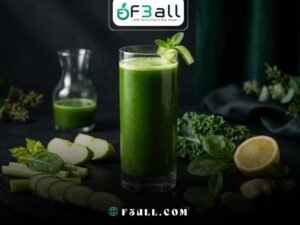
The most useful role for Green Juice for Weight Loss is replacement. A vegetable-forward glass may replace soda, a sweetened coffee, a large fruit drink, or another beverage that contributes more calories or added sugar. If juice is added on top of your usual meals and drinks, it may increase total energy intake rather than reduce it.
Green vegetables, cucumber, herbs, lemon, and a modest amount of fruit can make a flavorful beverage. Juicing can also offer convenience for someone who enjoys the taste. However, extracted juice usually retains less fiber than the intact produce, and drinking calories may be less satisfying than eating them.
Begin with four questions:
- What drink or snack will this glass replace?
- How much fruit is entering the recipe?
- Will the juice accompany a balanced meal or stand alone?
- Could a smoothie or whole vegetables serve the purpose better?
Successful use comes from repeating a modest recipe, preserving balanced meals, measuring the final yield, and changing one ingredient only after carefully observing hunger and digestive tolerance.
Green Juice for Weight Loss works best as an optional tool inside a broader plan. F3all’s weight-loss guidance can help you connect beverage choices with meals, movement, sleep, and realistic goals.
Green Juice for Weight Loss: What Green Juice Can and Cannot Do
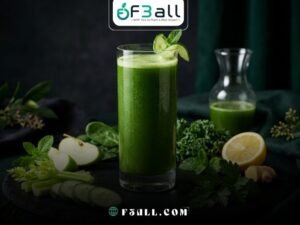
Green juice can contribute water and nutrients whose amounts depend on the ingredients, quantity, storage, and preparation method. A glass based mainly on non-starchy vegetables may contain fewer calories than a fruit-heavy blend or a sweetened bottled product.
Green Juice for Weight Loss may help when it:
- Replaces a higher-calorie sugary beverage.
- Makes unsweetened vegetables more enjoyable.
- Adds variety to a balanced eating pattern.
- Provides a convenient beverage when prepared safely.
- Helps someone plan rather than buy an impulsive sweet drink.
Green Juice for Weight Loss cannot:
- Detoxify the liver or kidneys.
- Melt abdominal fat.
- Compensate for consistently excessive calorie intake.
- Replace all whole vegetables and their fiber.
- Supply a complete meal without adequate protein, fat, and energy.
- Guarantee better digestion or faster metabolism.
The National Center for Complementary and Integrative Health reports that research does not provide compelling support for detox diets for weight management or removing toxins. Short-term scale changes during a juice cleanse may reflect severe calorie restriction, lower carbohydrate intake, altered digestive contents, and fluid changes. Those changes do not prove a special cleansing effect.
Green Juice for Weight Loss: Juice, Smoothie, or Whole Vegetables
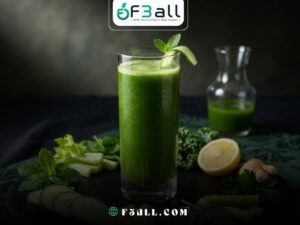
These formats are related but not interchangeable. Choosing between them is central to using Green Juice for Weight Loss intelligently.
| Format | What happens to fiber | Typical fullness | Main advantage | Main limitation |
| Extracted juice | Much of the insoluble pulp is removed | Often lower | Light texture and quick preparation | Easy to drink rapidly |
| Blended smoothie | Most edible fiber remains | Often higher than juice | Uses the whole edible ingredient | Calories can rise with extras |
| Whole vegetables | Fiber and structure remain | Usually strongest | Requires chewing and slows eating | Less convenient for some situations |
A juicer separates liquid from much of the pulp. A blender processes the entire edible portion, so the drink usually retains more fiber. Neither machine makes ingredients calorie-free. A smoothie containing several fruits, juice, dates, nut butter, and sweetened milk may be much more energy-dense than expected.
Whole vegetables deserve priority because their water, fiber, and structure can add volume and support fullness. Green Juice for Weight Loss can supplement that pattern, but it should not become evidence that vegetables no longer need to appear on the plate.
Use a simple decision rule:
- Choose whole produce when fullness is the priority.
- Choose a smoothie when you want to retain fiber.
- Choose extracted juice when you specifically prefer its texture and can control the portion.
- Choose water when hydration is the only goal.
Read more about:Greek Yogurt for Weight Loss Choose the Best Bowl Today
Green Juice for Weight Loss: Build a Vegetable-Forward Formula
A practical formula prevents each recipe from becoming a large glass of fruit juice colored with spinach. Use vegetables for most of the volume, add herbs or spices for character, and use fruit as a flavor accent.
Green Juice for Weight Loss: The Base
Cucumber, celery, romaine, or another suitable high-water vegetable can create volume. Their exact nutrient and potassium content varies, so people with medical restrictions should use individualized advice.
Green Juice for Weight Loss: The Leafy Component
Spinach, kale, parsley, cilantro, or romaine can add flavor and color. Rotate leafy vegetables instead of using extreme amounts of one ingredient every day. This is particularly important for people whose medical treatment requires consistent vitamin K intake.
Green Juice for Weight Loss: The Flavor Component
Lemon, lime, ginger, mint, basil, or a small piece of green apple can make the beverage more appealing. Fruit is not forbidden, but multiple apples, oranges, pineapple chunks, dates, and sweeteners can transform Green Juice for Weight Loss into a concentrated source of sugar and calories.
Green Juice for Weight Loss: The Dilution
Water or ice can produce a larger drink without adding sugar. Coconut water is not plain water and contributes calories and carbohydrate, so count it as an ingredient rather than a free liquid.
Green Juice for Weight Loss: The Portion
Use a measured glass instead of drinking directly from a large jug. The suitable amount depends on the recipe, the meal, health needs, and total intake. A label serving is a reference, not an instruction to consume the entire package.
Green Juice for Weight Loss: Ingredient Selection Guide
No ingredient burns fat. The goal is a combination that tastes good, remains mostly vegetable based, and fits the rest of the diet.
| Ingredient | What it contributes | Practical caution | Useful pairing |
| Cucumber | Water and mild flavor | Scrub and wash before cutting | Mint and lime |
| Celery | Savory flavor | Sodium and potassium matter for some diets | Cucumber and lemon |
| Spinach | Color and leafy flavor | High vitamin K; potassium and oxalate may matter clinically | Cucumber and ginger |
| Kale | Strong leafy profile | Can dominate taste; high vitamin K | Lemon and green apple |
| Romaine | Mild green base | Wash leaves thoroughly | Cucumber and parsley |
| Parsley | Bright herbal flavor | Use measured amounts when consistency matters | Lemon and celery |
| Ginger | Sharp aromatic flavor | Large amounts may irritate some stomachs | Lemon and cucumber |
| Lemon or lime | Acidity and brightness | Frequent acidic sipping may affect teeth | Mint and cucumber |
| Green apple | Sweetness | Adds natural sugar and calories | Kale and lemon |
| Pineapple | Strong sweetness | Easy to overuse | Cucumber and mint |
Green Juice for Weight Loss does not require every “superfood” in one recipe. Three to five ingredients are usually easier to measure, repeat, and evaluate. Simpler recipes also make it easier to identify an ingredient that causes symptoms.
Green Juice for Weight Loss: Fruit-to-Vegetable Balance
There is no scientifically required universal ratio, but the concept is useful. Begin with vegetables as the clear majority and use fruit only to make the drink enjoyable. Then reduce or increase sweetness based on taste, the meal, and your calorie target.
For Green Juice for Weight Loss:
- Start with cucumber, celery, romaine, or another vegetable base.
- Add one leafy component.
- Use lemon, lime, ginger, or herbs for flavor.
- Add a modest fruit portion only if needed.
- Do not add honey, syrup, table sugar, or dates automatically.
- Calculate the complete recipe when making several servings.
Natural sugar still contributes carbohydrate and energy even when it comes from fruit. At the same time, fruit is nutritious and does not need to be feared. The practical issue is concentration: several pieces can enter one glass quickly, while eating the same produce whole would require more chewing and usually provide more fiber.
Read more about:Greek Yogurt for Weight Loss Choose the Best Bowl Today
Green Juice for Weight Loss: Read Bottled Juice Labels
A green color or the words “cold pressed” do not prove that a bottled drink supports weight loss. Some products contain mostly apple, pineapple, grape, or orange juice with small amounts of leafy vegetables.
Read the label in this order:
Green Juice for Weight Loss: Serving Size
Check both serving size and servings per container. If the bottle contains two servings and you drink all of it, multiply calories, sugar, sodium, and other nutrients by two.
Green Juice for Weight Loss: Ingredient Order
Ingredients generally appear by weight. If apple or another fruit juice leads the list, the drink may be fruit-forward despite its green appearance.
Calories
Compare calories at the amount you will actually drink. Green Juice for Weight Loss should have a planned role, not receive a free pass because it contains vegetables.
Total and Added Sugars
A product can have zero added sugar while still containing considerable naturally occurring sugar from concentrated fruit. Check both lines. Zero added sugar is useful information, but it does not mean zero sugar or zero calories.
Fiber
Extracted juice may have little fiber. If fiber is important to the meal, add whole produce elsewhere or choose a blended option.
Sodium
Savory vegetable juices can contain substantial sodium. Compare brands, especially if a clinician has advised sodium restriction.
Pasteurization and Safety
Look for treatment or warning information. FDA explains that untreated juice may contain harmful bacteria. People at higher risk of severe foodborne illness should be especially careful with unpasteurized products.
Green Juice for Weight Loss: Homemade Versus Store-Bought
Homemade Green Juice for Weight Loss offers control over ingredients, sweetness, and portion size. It also requires safe produce handling, clean equipment, refrigeration, and realistic preparation time.
Store-bought juice offers convenience and may be pasteurized or otherwise treated for safety. Its disadvantages can include a fruit-heavy formula, high price, large bottles, sodium, or limited fiber. Neither category is automatically superior.
| Decision factor | Homemade | Bottled |
| Ingredient control | High | Depends on label |
| Portion control | Must measure manually | Label provides a reference |
| Food safety | Depends on home handling | Treatment varies |
| Convenience | Requires washing and cleanup | Ready to drink |
| Cost | Equipment and produce costs | Often high per serving |
| Consistency | Recipe may vary | Usually standardized |
| Sugar level | Controlled by recipe | Requires label comparison |
The best Green Juice for Weight Loss is the version you can prepare or purchase safely, measure accurately, afford consistently, and fit into complete meals.
Green Juice for Weight Loss: Cold-Pressed, Centrifugal, and Blended Drinks
“Cold pressed” is a processing description, not a fat-loss claim. Centrifugal juicers and masticating or press-style machines extract liquid differently, while blenders retain the edible pulp. Marketing often exaggerates nutritional differences without considering ingredients, portion, storage, and the rest of the diet.
Choose equipment based on:
- Whether you want extracted juice or a fiber-containing blend.
- Purchase price and storage space.
- Ease of cleaning.
- Time available each morning.
- Noise and preparation speed.
- Amount of food waste.
- Whether the routine is realistic after the first week.
An expensive machine does not improve adherence automatically. Green Juice for Weight Loss can be made with an affordable blender when a smoothie texture is acceptable. If cleanup makes you abandon the habit, a simpler drink or whole vegetables may be more sustainable.
Read more about:Greek Yogurt for Weight Loss Choose the Best Bowl Today
Green Juice for Weight Loss: Six Low-Sugar Green Juice Recipes
Recipe yields depend on the juicer and the water content of produce. Treat the amounts below as starting formulas, calculate your actual ingredients when precise nutrition information is needed, and avoid assuming every glass has identical calories.
For more meal inspiration, explore F3all’s healthy drink ideas and adapt recipes to your needs.
First: Cucumber Mint Refresher
Use cucumber, romaine, mint, lime, and ginger. Juice the vegetables and herbs, then dilute with cold water or ice if desired. This Green Juice for Weight Loss formula uses no fruit and has a bright, clean flavor.
Second: Spinach Apple Balance
Combine cucumber, spinach, celery, lemon, ginger, and a small portion of green apple. The apple softens the leafy taste without becoming the main ingredient. Green Juice for Weight Loss should remain vegetable forward even when fruit is included.
Third: Kale Lemon Glass
Use cucumber, kale, celery, lemon, and parsley. Begin with a modest amount of kale because its flavor is strong. People taking warfarin should not make sudden major changes in leafy-green intake without professional guidance.
Fourth: Romaine Herb Juice
Combine romaine, cucumber, parsley, mint, and lime. It is mild enough for beginners and can accompany breakfast. Pair it with food containing protein and other needed nutrients rather than calling the juice a complete meal.
Fifth: Celery Cucumber Ginger
Use celery, cucumber, ginger, and lemon. Do not add salt automatically. This Green Juice for Weight Loss formula may not suit everyone with kidney, sodium, potassium, digestive, or medication-related restrictions.
Sixth: Pineapple Green Accent
Combine cucumber, romaine, mint, lime, and a small pineapple portion. Pineapple should provide an accent rather than most of the volume. Measure it so the recipe does not drift sweeter each time.
Green Juice for Weight Loss: Three High-Fiber Blender Alternatives
When fullness is the priority, a blended option may serve you better than extracted Green Juice for Weight Loss. Add enough water for the desired texture and avoid building an oversized smoothie.
Cucumber Spinach Smoothie
Blend cucumber, spinach, lemon, ginger, water, and ice. Add a measured fruit portion if the taste is too sharp. The retained pulp provides more fiber than a juicer would typically leave in the glass.
Green Berry Blend
Blend leafy greens, cucumber, berries, water, and ice. Berries add sweetness and fiber without requiring juice concentrate. Pair the drink with a protein source when it serves as breakfast.
Savory Tomato-Free Blend
Blend cucumber, romaine, herbs, lemon, water, and pepper. A savory smoothie can reduce dependence on fruit for flavor. Adjust the texture gradually rather than adding oil or sweetened liquids without measuring.
Green Juice for Weight Loss and green smoothies have different textures, but either can fit. Choose according to fiber needs, hunger, tolerance, and total calorie intake.
Green Juice for Weight Loss: Pair Juice With a Complete Meal
A vegetable juice usually lacks enough protein, fat, and energy to function as a complete meal. Green Juice for Weight Loss is more useful beside a balanced plate or as a replacement for another beverage.
Examples include:
| Juice role | Meal pairing | Why it works |
| Breakfast drink | Eggs or yogurt plus whole-grain toast | Adds protein and a structured meal |
| Lunch beverage | Bean, chicken, fish, or tofu bowl | Replaces a sweet drink |
| Planned snack | Small juice plus a protein food | Reduces the chance of rapid hunger |
| Dinner beverage | Lean protein, vegetables, and whole grain | Complements rather than replaces food |
| Post-workout option | Protein and an appropriate carbohydrate source | Supports recovery more completely |
If Green Juice for Weight Loss leaves you hungry within an hour, the problem may be meal composition rather than willpower. Add an appropriate protein source, retain more fiber through blending, or eat whole vegetables instead.
Readers who need a structured meal framework can review F3all’s weight-loss diet plans while remembering that medical needs require personalized guidance.
Read more about:Greek Yogurt for Weight Loss Choose the Best Bowl Today
Green Juice for Weight Loss: A Seven-Day Green Juice Plan
This example shows variety, replacement, and meal pairing. It is not a juice cleanse and does not prescribe a universal calorie intake.
| Day | Formula | Planned role | Whole-food priority |
| Monday | Cucumber mint | Replace a sweetened morning drink | Vegetables at lunch and dinner |
| Tuesday | Spinach apple | Drink beside breakfast | Whole fruit later |
| Wednesday | Romaine herb | Savory afternoon drink | Protein-containing snack |
| Thursday | Blender-based green berry | Fiber-containing breakfast component | Balanced lunch |
| Friday | Kale lemon | Small serving with lunch | Varied vegetables at dinner |
| Saturday | Pineapple green accent | Planned weekend beverage | Avoid continuous sipping |
| Sunday | Water or optional favorite recipe | Review hunger and convenience | Prioritize whole produce |
Green Juice for Weight Loss does not need to appear every day. The Sunday water option is intentional. It prevents the routine from becoming a rigid rule and helps you evaluate whether juice genuinely improves your eating pattern.
At the end of the week, ask:
- Which recipe tasted good without excessive fruit?
- Which glass replaced calories rather than adding them?
- Which method was easiest to clean?
- Did hunger remain manageable?
- Were whole vegetables still present in meals?
Green Juice for Weight Loss: Why Juice Cleanses Are Not a Long-Term Plan
A cleanse commonly removes complete meals and relies on juice for several days. Such a pattern may be low in protein, essential fats, fiber, and total energy. It can also create fatigue, hunger, headaches, digestive symptoms, and a rebound toward normal intake.
Green Juice for Weight Loss is safer conceptually when it is a food choice rather than a detox program. The body already has organs that process and remove waste. Juice does not need to “flush” toxins, reset hormones, or clean the digestive tract.
Rapid scale loss during a cleanse may not represent equivalent fat loss. Fluid balance, stored carbohydrate and its associated water, sodium intake, and digestive contents can all change. When normal eating resumes, part of the weight may return quickly.
Avoid a juice-only plan if you are pregnant, breastfeeding, a child or teenager, an older adult at risk of malnutrition, living with diabetes or kidney disease, taking relevant medication, recovering from illness, or managing an eating disorder. These examples are not exhaustive. Seek professional advice before restrictive dietary changes.
Green Juice for Weight Loss: Food Safety at Home
Raw produce can carry harmful microorganisms. Washing reduces surface contamination but does not sterilize food. The FDA recommends washing hands, rinsing produce under running water before cutting, removing damaged areas, and avoiding soap, detergent, or commercial produce wash.
Use this preparation sequence:
- Wash hands with soap and warm water for at least 20 seconds.
- Clean the work surface, knife, cutting board, juicer, and containers.
- Rinse produce thoroughly under running water.
- Scrub firm produce such as cucumber with a clean produce brush.
- Remove damaged, bruised, or rotten areas.
- Keep produce away from raw meat, poultry, seafood, and eggs.
- Prepare only the amount you can store safely.
- Refrigerate promptly in a clean, covered container.
Follow the juicer manufacturer’s cleaning instructions, including small screens and seals where residue collects. Green Juice for Weight Loss should never be prepared with equipment that was only rinsed after the previous use.
Fresh homemade juice is not pasteurized. People at higher risk of foodborne illness—including pregnant people, young children, older adults, and those with weakened immune systems—should follow FDA advice and clinician guidance about untreated juice.
Green Juice for Weight Loss: Storage, Oxidation, and Batch Preparation
Flavor, color, and some nutrients can change during storage, but food safety is the first concern. Make smaller batches when possible, refrigerate promptly, and follow authoritative local storage guidance. Do not keep homemade juice at room temperature for a long commute or an entire workday.
Practical rules for Green Juice for Weight Loss:
- Use a clean container with a tight lid.
- Label the preparation time.
- Keep the refrigerator at a safe temperature.
- Carry juice in an insulated bag with cold packs when needed.
- Discard juice after unsafe temperature exposure.
- Do not rely on smell, color, or taste to prove safety.
- Never taste a questionable drink as a safety test.
Batching an entire week may save time but can reduce quality and increase handling risk. Prewash and organize ingredients according to food-safety guidance, or prepare recipe packs and juice closer to drinking time.
Green Juice for Weight Loss: Pasteurized and Unpasteurized Juice
Most packaged juice in the United States is pasteurized or otherwise treated to reduce harmful bacteria, but some products sold at juice bars, farmers’ markets, stores, or roadside stands may be untreated. Juice sold by the glass may not carry a warning label.
When purchasing Green Juice for Weight Loss:
- Read the safety statement.
- Ask whether the product is pasteurized or otherwise treated.
- Keep refrigerated products cold.
- Avoid damaged, swollen, leaking, or improperly stored packaging.
- Check serving size and ingredients separately from safety treatment.
Pasteurization does not make a high-sugar product suitable for unlimited consumption, and an organic label does not prove that raw juice is free from harmful bacteria. Nutrition quality and microbiological safety are separate questions.
Green Juice for Weight Loss: Medication and Medical Considerations
Green Juice for Weight Loss can concentrate ingredients that matter for certain conditions. A recipe that seems moderate to one person may be inappropriate for another.
Warfarin and Vitamin K
Leafy green vegetables are major vitamin K sources. NIH guidance emphasizes consistency for people taking warfarin because sudden changes in vitamin K intake can alter the medicine’s effect. Do not begin large daily spinach or kale juices without discussing the change with the clinician managing anticoagulation.
Kidney Disease and Potassium
Some fruits and vegetables contain substantial potassium. People with chronic kidney disease may need individualized potassium, sodium, phosphorus, protein, and fluid goals. Do not assume Green Juice for Weight Loss is kidney friendly because it is natural.
Diabetes and Glucose-Lowering Medicine
Juice can deliver carbohydrate quickly, especially when fruit heavy. Monitor according to the diabetes care plan and discuss significant dietary changes with the treating team. Juice should not replace prescribed treatment or structured hypoglycemia instructions.
Gastrointestinal Conditions
Acidic ingredients, ginger, concentrated juice, or large raw-vegetable portions may aggravate reflux, diarrhea, bloating, or another condition in some people. Individual tolerance matters.
Pregnancy and Immune Compromise
Untreated juice can carry foodborne pathogens. FDA advises higher-risk groups to avoid unpasteurized or untreated juice. Choose safely treated products and follow professional guidance.
Green Juice for Weight Loss: Dental Health and Acidic Sipping
Lemon, lime, green apple, pineapple, and other acidic ingredients improve flavor, but frequent exposure to acidic drinks may contribute to dental erosion. The American Dental Association notes that natural acidic fruit juice can increase erosion risk.
Make Green Juice for Weight Loss kinder to teeth by:
- Drinking a planned portion rather than sipping for hours.
- Avoiding unnecessary added sugar.
- Rinsing the mouth with plain water afterward.
- Not holding or swishing juice around the teeth.
- Following a dentist’s guidance about brushing after acidic drinks.
- Discussing sensitivity or visible enamel changes with a dental professional.
Using a straw may reduce contact with some tooth surfaces but does not remove the need for portion control or oral hygiene. Green Juice for Weight Loss should support whole-body health, including dental health.
Read more about:Greek Yogurt for Weight Loss Choose the Best Bowl Today
Green Juice for Weight Loss: Hydration Without the Hype
Juice contains water, but plain water remains the simplest calorie-free hydration choice for most healthy people. CDC notes that replacing sugary drinks with water can reduce calorie intake.
Green Juice for Weight Loss should not replace all water. It also should not be used to force excessive fluid intake. Hydration needs vary with body size, climate, activity, pregnancy, illness, medications, and kidney or heart function.
A practical beverage hierarchy is:
- Plain water for routine hydration.
- Unsweetened tea or coffee when appropriate.
- Milk or suitable alternatives according to nutritional needs.
- A measured vegetable-forward juice for variety.
- Sweetened drinks less often or in controlled amounts.
F3all’s collection of delicious diet recipes can help you coordinate drinks with complete meals rather than viewing hydration as an isolated detox task.
Green Juice for Weight Loss: Budget and Food-Waste Strategy
Juicing can use a large amount of produce for one glass, and discarded pulp represents cost and food material. Plan recipes before shopping and begin with smaller quantities until you know what you enjoy.
Budget ideas for Green Juice for Weight Loss include:
- Use seasonal vegetables.
- Compare unit prices.
- Buy only what can be prepared safely before spoiling.
- Choose cucumber, romaine, celery, or another practical base available locally.
- Use herbs in several meals, not only juice.
- Freeze suitable ingredients for blended drinks.
- Avoid buying expensive powders that make unsupported detox claims.
- Consider smoothies when retaining pulp reduces waste.
Pulp can sometimes be used in soups, sauces, patties, or baked foods, but food safety and recipe suitability matter. Do not save wet pulp indefinitely. Refrigerate promptly, use it safely, and discard it when uncertain.
Green Juice for Weight Loss: Common Mistakes
Using Several Fruits in One Glass
Apple, pineapple, orange, mango, grapes, and dates can quickly produce a sweet, calorie-dense beverage. Choose one modest fruit accent instead.
Believing Zero Added Sugar Means Zero Sugar
Fruit contributes naturally occurring sugar. Read total sugars and calories as well as added sugars.
Drinking From an Unmeasured Jar
Large containers hide portion size. Measure the finished recipe and divide it into planned servings.
Replacing Every Vegetable With Juice
Green Juice for Weight Loss does not reproduce the chewing, structure, and fiber of intact vegetables. Keep whole produce in meals.
Calling a Juice a Complete Breakfast
A glass may contain little protein or fat. Pair it appropriately or select a more complete option.
Adding Juice Instead of Replacing Something
If total intake rises, the drink may work against the intended deficit. Define the replacement before preparing it.
Ignoring Cleaning and Refrigeration
Raw juice is perishable. Safe handling is part of the recipe, not an optional detail.
Copying an Influencer’s Medical Claims
Claims about detoxification, hormone resets, parasites, immunity, or rapid fat burning require strong evidence. Green Juice for Weight Loss is a beverage choice, not treatment.
Green Juice for Weight Loss: Progress Tracking
Judge the habit by its effect on the full day. A green drink can look ideal online while making no useful difference to hunger, calorie intake, or consistency.
Track for two to four weeks:
| Measure | What to record | Useful interpretation |
| Recipe | Exact produce and yield | Detects increasing fruit portions |
| Serving size | Measured amount consumed | Prevents portion drift |
| Replacement | Drink or snack removed | Shows whether calories were displaced |
| Hunger | Before and two hours after | Tests satisfaction |
| Whole vegetables | Portions eaten in meals | Prevents juice from crowding them out |
| Digestion | Comfort and symptoms | Identifies tolerance problems |
| Weight trend | Comparable measurements if appropriate | Shows direction beyond daily fluctuation |
| Cost | Weekly ingredient spending | Tests sustainability |
Green Juice for Weight Loss should make the routine easier, not create anxiety. Anyone with a current or previous eating disorder should seek appropriate professional support before detailed calorie, portion, or body-weight tracking.
Read more about:Greek Yogurt for Weight Loss Choose the Best Bowl Today
Green Juice for Weight Loss: Combine Nutrition With Physical Activity
No beverage replaces movement. Adults should work toward current physical-activity guidance at a level appropriate for their health, including aerobic activity and muscle-strength-strengthening exercise.
Green Juice for Weight Loss may sit beside a post-workout meal, but it does not build muscle or provide complete recovery nutrition by itself. Consider protein, carbohydrate needs, total energy, hydration, and meal timing.
Sustainable activity can include:
- Brisk walking.
- Cycling.
- Swimming.
- Resistance training.
- Sports.
- Active transportation.
- Short movement breaks during the workday.
Increase activity gradually, especially after illness or a long inactive period. People with chronic conditions, symptoms during exercise, or significant limitations should obtain individualized guidance.
Green Juice for Weight Loss: Build a Sustainable Calorie Deficit
Weight loss requires an energy deficit over time, but the size and method should be individualized. Extreme restriction can undermine nutrition, training, mood, and adherence.
Use Green Juice for Weight Loss inside this framework:
- Establish regular meals containing protein and whole foods.
- Replace a higher-calorie drink instead of adding juice automatically.
- Keep vegetables and whole fruit on the plate.
- Measure fruit, juice yield, and serving size.
- Evaluate hunger before reducing food further.
- Track trends for several weeks.
- Make one modest adjustment at a time.
The goal is not the smallest possible number of calories. It is a manageable plan that supports nutrient needs and can be maintained. Explore F3all’s overview of different diet types before choosing an approach based on marketing alone.
Green Juice for Weight Loss: Healthy Desserts and Beverage Calories
Some people use fruit-heavy green smoothies as desserts. This can fit, but the complete recipe matters. Dates, honey, nut butter, coconut cream, sweetened yogurt, granola, and large fruit portions may turn the drink into an energy-dense meal.
Green Juice for Weight Loss can accompany a planned dessert, or a small blended drink can become the dessert itself. Decide before adding ingredients.
Use these controls:
- Select one main fruit.
- Choose water or ice as the default liquid.
- Measure calorie-dense ingredients.
- Pour into a normal glass.
- Drink with attention rather than while distracted.
- Count the recipe as part of the day.
For alternatives that are eaten rather than sipped, browse F3all’s healthy diet dessert recipes.
Green Juice for Weight Loss: A Final Decision Checklist
Before shopping:
- Is the goal replacement, convenience, flavor, or variety?
- Do I need a juicer, or would a blender work?
- Which vegetables will form most of the recipe?
- How will I keep whole vegetables in meals?
- Can I finish the produce before it spoils?
Before preparation:
- Have hands, equipment, and produce been cleaned correctly?
- Is any produce bruised, damaged, or rotten?
- How many servings will the recipe make?
- Is the fruit portion measured?
- Does a medical condition or medication affect ingredient choice?
Before drinking:
- Is the glass replacing something?
- Does the meal need protein or fiber?
- Has the juice remained safely chilled?
- Am I planning to sip an acidic drink for hours?
- Would plain water meet the current need better?
Green Juice for Weight Loss becomes more reliable when every glass answers these questions.
Read more about:Greek Yogurt for Weight Loss Choose the Best Bowl Today
Green Juice for Weight Loss: Why F3all Is Your Best Choice

At F3all, we separate useful nutrition habits from exaggerated wellness promises. Our Green Juice for Weight Loss guidance focuses on ingredients, portions, replacement, whole foods, safety, medical context, and sustainability.
Readers choose F3all for:
- Evidence-aware nutrition education.
- Practical low-sugar drink formulas.
- Clear detox and metabolism myth correction.
- Food-safety guidance from authoritative sources.
- Balanced comparisons between juice, smoothies, and produce.
- Realistic meal-planning strategies.
- Long-term habits instead of restrictive cleanses.
Learn more about F3all and use this guide for education rather than as a substitute for individual medical care.
Frequently Asked Questions About Green Juice for Weight Loss
1. Does Green Juice for Weight Loss burn body fat?
No. Green Juice for Weight Loss does not burn fat directly. It may support a calorie deficit when a measured vegetable-forward serving replaces a higher-calorie sugary drink. Overall food intake, activity, sleep, medical factors, and consistency determine progress.
2. Can I drink green juice every day?
Many healthy adults can include it regularly, but daily use is not required. Rotate ingredients, retain whole vegetables in meals, control portions, and consider medical restrictions. Green Juice for Weight Loss should not become a rigid rule.
3. Is green juice better than a smoothie?
Not automatically. Extracted juice usually contains less fiber, while a smoothie retains more of the edible plant material. Choose Green Juice for Weight Loss for its lighter texture and a smoothie when fiber and fullness are higher priorities.
4. How much fruit should I add?
Use vegetables for most of the recipe and add a modest fruit portion only when needed for flavor. There is no mandatory universal ratio. Count all fruit, avoid automatic sweeteners, and adjust the serving to your calorie and carbohydrate needs.
5. Can green juice replace breakfast?
A basic vegetable juice is usually not a complete breakfast because it may lack adequate protein, fat, fiber, and energy. Pair Green Juice for Weight Loss with a balanced meal or prepare a more complete blended option.
6. Is bottled green juice healthy?
It can fit, but check serving size, servings per bottle, ingredient order, calories, total sugar, added sugar, sodium, fiber, and pasteurization information. A green color or cold-pressed claim does not reveal the complete nutritional profile.
7. Does green juice detox the body?
There is no compelling evidence that juice cleanses remove toxins or create special long-term weight loss. The liver, kidneys, lungs, skin, and digestive system already perform essential processing and elimination functions. Use juice as food, not detox treatment.
8. Is unpasteurized green juice safe?
Untreated juice may contain harmful bacteria. FDA advises higher-risk groups, including pregnant people, young children, older adults, and people with weakened immunity, to avoid unpasteurized or untreated juice. Read labels and ask how juice sold by the glass was treated.
9. Can I drink green juice while taking warfarin?
Leafy greens contain vitamin K, which can interact seriously with warfarin when intake changes suddenly. Do not begin concentrated daily spinach or kale juice without guidance from the clinician managing your medicine. Consistency is important.
10. What is the best Green Juice for Weight Loss recipe?
The best Green Juice for Weight Loss recipe is mostly vegetables, uses fruit modestly, contains no automatic added sugar, fits a measured portion, tastes enjoyable, and is prepared safely. Cucumber, romaine, herbs, lemon, and ginger offer a simple starting formula.
In the End
Green Juice for Weight Loss is a beverage strategy, not a fat burner, detox treatment, or complete diet. Its most valuable use is replacing a sugary or higher-calorie drink while keeping ingredients vegetable forward and portions measured.
Whole vegetables remain important because extracted juice removes much of their fiber and structure. Smoothies may be more satisfying when fiber is a priority. Green Juice for Weight Loss should complement complete meals containing appropriate protein, fats, whole grains, fruits, and vegetables.
Prepare produce and equipment safely, refrigerate fresh juice promptly, and use pasteurized products when medical risk makes untreated juice inappropriate. Consider vitamin K, potassium, carbohydrate, digestive, and dental issues when relevant.
Choose one simple recipe, define what it replaces, and evaluate hunger, convenience, cost, and whole-food intake for several weeks. Combined with balanced nutrition, activity, sleep, and professional guidance when needed, Green Juice for Weight Loss can become a realistic habit rather than another short-lived cleanse.
References