Best Weight Loss Drinks | Discover Recipes and Benefits
Best Weight Loss Drinks can make healthy eating easier by helping you stay hydrated, reduce added sugar, and choose beverages that fit your daily calorie needs. From plain water and unsweetened green tea to fruit-infused drinks and protein smoothies, different beverages offer different nutritional benefits. Some contain almost no calories, while others provide protein, fiber, or essential nutrients. Understanding these differences helps you make practical choices without relying on exaggerated fat-burning claims or restrictive liquid diets.
This guide compares popular drinks, explains their ingredients and calorie content, shares easy homemade recipes, and provides a seven-day drinking plan with realistic weight-management expectations.
Best Weight Loss Drinks Ranked by Their Everyday Benefits
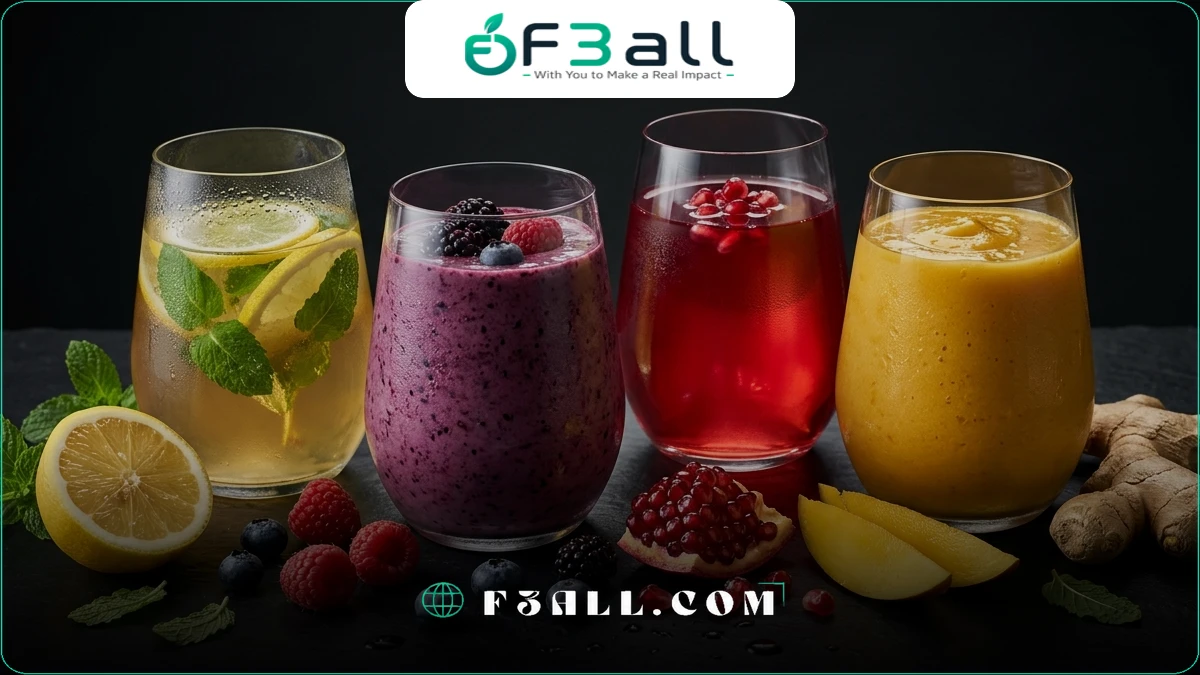
Choosing the best beverage for weight management is not simply about finding the drink with the fewest calories.
Hydration, nutritional value, added sugar, portion size, and the drink’s role in your overall diet are equally important.
For example, water contains no calories and is an excellent everyday beverage. A protein smoothie contains more calories but may contribute meaningful nutrition when included as part of a balanced meal.
Top 12 Drinks for Weight Management
| Drink | Approximate Calories | Main Advantage | Best Use |
| Plain Water | 0 per cup | Hydration without calories | Throughout the day |
| Sparkling Water, Unsweetened | 0 per cup | Carbonated alternative to soda | With meals |
| Green Tea, Unsweetened | 0–3 per cup | Provides tea polyphenols | Morning or afternoon |
| Black Coffee, Unsweetened | 2–5 per cup | Very low calories | Morning |
| Herbal Tea, Unsweetened | 0–5 per cup | Flavor without added sugar | Anytime |
| Lemon Water | 5–10 per cup | Refreshing flavor | Anytime |
| Cucumber Mint Water | 0–5 per cup | Encourages hydration | Throughout the day |
| Unsweetened Black Tea | 0–3 per cup | Convenient low-calorie beverage | Morning or afternoon |
| Vegetable-Based Smoothie | 80–180 per serving | Vitamins and some fiber | Snack |
| Berry Protein Smoothie | 180–300 per serving | Protein and fiber | Breakfast or snack |
| Unsweetened Kefir | 100–160 per cup | Protein and fermented dairy | Snack or meal |
| Unsweetened Soy Milk | 70–110 per cup | Plant-based protein | With meals |
Values are approximate. Smoothie and dairy beverage calories vary considerably by recipe and product.
Best Overall Drink – Plain Water
Water is the simplest choice because it provides hydration without calories or added sugar.
Replacing sugar-sweetened beverages with water can reduce total calorie intake when other dietary habits remain similar.
Best Carbonated Alternative – Sparkling Water
Unsweetened sparkling water can provide the sensation of soda without its added sugar.
Choose plain or naturally flavored varieties without added sweeteners if that suits your preferences.
Best Tea Option – Unsweetened Green Tea
Green tea contains caffeine and catechins.
Research on green tea and weight loss has produced mixed findings, and any effects are generally small.
Best Nutrient-Rich Option – Protein Smoothie
A smoothie containing protein-rich ingredients, fruit, and vegetables can contribute useful nutrients.
However, smoothies are not automatically low in calories.
Best Evening Option – Unsweetened Herbal Tea
Caffeine-free herbal teas can be convenient later in the day.
They do not have a proven special ability to burn fat overnight.
The most practical weight-loss drinks are beverages that support hydration, fit your nutritional needs, and help you maintain sustainable habits.
Best Drinks Calories – How Beverages Affect Your Daily Intake
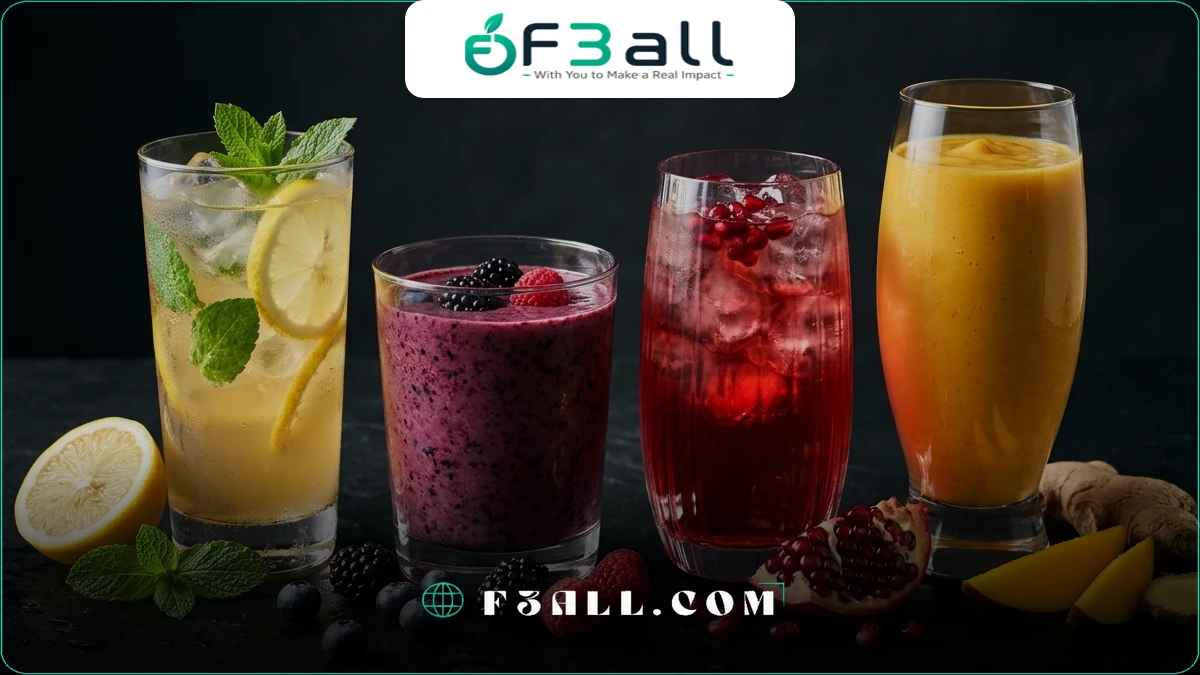
Best Drinks Calories is an important consideration because liquid calories can accumulate without always providing the same fullness as solid foods.
Sweetened coffee, soda, juice, energy drinks, and large smoothies may contribute substantial energy.
The exact amount depends on the serving size and ingredients.
Calorie Comparison of Common Beverages
| Beverage | Typical Serving | Approximate Calories |
| Water | 12 fl oz | 0 |
| Unsweetened Sparkling Water | 12 fl oz | 0 |
| Unsweetened Tea | 12 fl oz | 0–5 |
| Black Coffee | 8 fl oz | 2–5 |
| Lemon Water | 12 fl oz | 5–15 |
| Regular Cola | 12 fl oz | 140–155 |
| Orange Juice | 8 fl oz | 105–115 |
| Sweetened Iced Tea | 12 fl oz | 90–150 |
| Sweetened Coffee Drink | 12–16 fl oz | 150–400+ |
| Fruit Smoothie | 12–16 fl oz | 180–400+ |
| Protein Smoothie | 12–16 fl oz | 180–350 |
These are representative estimates, not exact values for every product.
Why Liquid Calories Matter
Drinks can contribute calories from:
- Added sugar.
- Fruit juice.
- Milk.
- Cream.
- Syrups.
- Honey.
- Nut butter.
- Protein powders.
- Other ingredients.
Not all calories from beverages are nutritionally equivalent.
For example, milk provides protein and calcium, while regular soda mainly provides sugar.
Example of a Beverage Substitution
Suppose someone replaces one 150-calorie soda with unsweetened sparkling water each day.
| Choice | Daily Calories | Seven-Day Calories |
| One Regular Soda Daily | 150 | 1,050 |
| Unsweetened Sparkling Water | 0 | 0 |
| Difference | 150 | 1,050 |
This represents a reduction in beverage calories, not a guaranteed amount of weight loss.
Other dietary changes and individual factors affect actual results.
Does Drinking More Water Burn Calories?
Drinking water is important for normal physiological function.
However, any short-term increase in energy expenditure associated with water consumption is not a reliable stand-alone weight-loss strategy.
Are Zero-Calorie Drinks Always Better?
Not necessarily.
Water is an excellent default, but nutritious beverages containing calories can still contribute to a balanced diet.
Comparing drink calories helps you identify easy substitutions without unnecessarily eliminating beverages that provide useful nutrition.
Best Drinks Ingredients for Weight Loss – What to Include and Limit
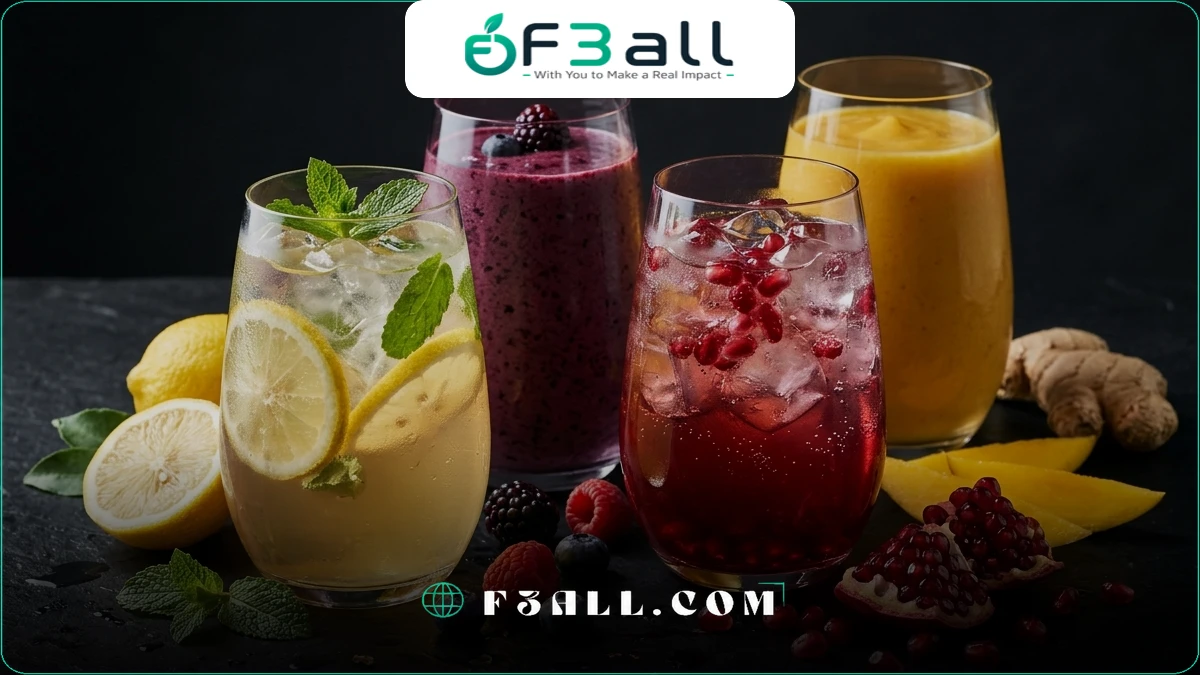
Best Drinks Ingredients for Weight Loss should be selected according to nutritional value, flavor, and overall calorie content.
A good drink does not need exotic ingredients or expensive powders.
Common foods such as berries, yogurt, citrus fruit, cucumber, and mint can create enjoyable beverages.
Ingredients Worth Considering
| Ingredient | Main Contribution | Suitable Drinks |
| Water | Hydration | Infused water |
| Lemon | Flavor and vitamin C | Lemon water |
| Cucumber | Refreshing flavor | Infused water |
| Mint | Aroma and flavor | Herbal infusions |
| Berries | Fiber and antioxidants when blended whole | Smoothies |
| Plain Greek Yogurt | Protein | Creamy smoothies |
| Unsweetened Soy Milk | Plant protein | Smoothies |
| Spinach | Folate and carotenoids | Green smoothies |
| Chia Seeds | Fiber and unsaturated fats | Smoothies |
| Oats | Fiber and carbohydrates | Breakfast smoothies |
| Ginger | Flavor | Tea and infusions |
| Cinnamon | Flavor | Coffee and smoothies |
Ingredients That Can Increase Calories Quickly
Some nutritious ingredients are energy-dense.
Examples include:
- Nut butter.
- Coconut cream.
- Large quantities of oats.
- Honey.
- Maple syrup.
- Full-fat cream.
- Large portions of dried fruit.
These foods are not automatically unsuitable, but the amount used matters.
Added Sugar vs Naturally Occurring Sugar
Milk and whole fruit contain naturally occurring sugars alongside other nutrients.
Added sugar is introduced during preparation or manufacturing.
Examples include table sugar, flavored syrups, and honey.
For calorie management, it is useful to check both total calories and added sugar.
Do Lemon, Ginger, or Cinnamon Burn Fat?
There is no convincing evidence that ordinary culinary amounts of these ingredients produce substantial fat loss.
They are valuable mainly for flavor and their contribution to dietary variety.
Should You Add Apple Cider Vinegar?
Apple cider vinegar is frequently promoted for weight loss, but evidence for meaningful, sustained effects is limited.
Concentrated vinegar can irritate the throat and damage tooth enamel. It can also interact with certain medications.
It is not necessary for a healthy weight-management drink.
Choose ingredients that improve taste, nutrition, and satisfaction rather than relying on unsupported fat-burning combinations.
Best Drinks Without Sugar – Refreshing Options for Everyday Hydration
Best Drinks Without Sugar are particularly useful for people trying to reduce added sugar from beverages.
However, the phrase without sugar can refer to different things.
A drink may contain no added sugar but still contain naturally occurring sugars from milk or fruit.
No-Added-Sugar Beverage Options
- Plain water.
- Unsweetened sparkling water.
- Unsweetened green tea.
- Unsweetened black tea.
- Black coffee.
- Caffeine-free herbal tea.
- Cucumber-infused water.
- Mint-infused water.
- Lemon-infused water.
- Unsweetened plant-based milk.
Sugar-Free vs No Added Sugar
| Label Term | General Meaning | Important Consideration |
| Sugar-Free | Contains very little sugar under applicable labeling rules | May contain sweeteners |
| No Added Sugar | No sugar or sugar-containing ingredient added during processing | May contain natural sugar |
| Unsweetened | No sweetener added | Check ingredients |
| Zero Calories | Meets applicable calorie-labeling criteria | Serving size matters |
| Naturally Sweetened | Marketing wording varies | May still contain added sugars |
Is Diet Soda Good for Weight Loss?
Replacing regular soda with a lower-calorie alternative can reduce beverage calories.
However, the long-term effects of non-sugar sweeteners on weight management are complex, and diet soda is not required for weight loss.
Water remains a useful default.
Are Artificial Sweeteners Safe?
Sweetener safety depends on the specific ingredient, amount, and applicable regulatory evaluations.
People with particular medical conditions may need additional guidance.
What About Fruit Juice Without Added Sugar?
Even 100% fruit juice contains naturally occurring sugar and calories.
Whole fruit generally provides more fiber and may be more satisfying.
How to Make Unsweetened Drinks Taste Better
Try:
- Fresh mint.
- Cucumber slices.
- Lemon or lime.
- Orange slices.
- Cinnamon.
- Fresh berries.
- Chilled herbal tea.
Reducing added sugar in beverages is a practical strategy, but the overall nutritional profile still matters.
Read more about: Matcha for Weight Loss | Benefits & Recipes Guide
Best Drinks Recipe for Weight Loss – Eight Easy Homemade Drinks
Best Drinks Recipe for Weight Loss searches often focus on simple beverages that can be prepared quickly at home.
The following recipes range from nearly calorie-free infused waters to more substantial smoothies.
They are designed to provide practical options rather than promise rapid fat loss.
Recipe 1 – Lemon and Mint Infused Water
<text color=”secondary” weight=”medium”>Estimated calories: 5–10 per serving | Servings: 2</text>
Ingredients
- 3 cups cold water.
- ½ lemon, sliced.
- 6 fresh mint leaves.
- Ice cubes.
Instructions
- Wash the lemon and mint.
- Add lemon slices to a pitcher.
- Add mint leaves.
- Pour in cold water.
- Refrigerate briefly to allow flavors to develop.
- Serve over ice.
Why it works: The lemon and mint make plain water more appealing without requiring added sugar.
Recipe 2 – Cucumber and Lime Cooler
<text color=”secondary” weight=”medium”>Estimated calories: 5–10 per serving | Servings: 2</text>
Ingredients
- 3 cups water.
- ½ cucumber, thinly sliced.
- ½ lime, sliced.
- Ice cubes.
Instructions
- Wash the cucumber and lime.
- Slice both ingredients.
- Place them in a pitcher.
- Add water.
- Refrigerate.
- Serve chilled.
Why it works: This refreshing drink can replace sweetened flavored beverages.
Recipe 3 – Iced Green Tea With Lemon
<text color=”secondary” weight=”medium”>Estimated calories: 0–5 per serving | Servings: 2</text>
Ingredients
- 2 green tea bags.
- 2 cups hot water.
- 1 cup cold water.
- 2 lemon slices.
- Ice.
Instructions
- Brew the tea according to the package instructions.
- Remove tea bags.
- Allow the tea to cool.
- Add cold water.
- Refrigerate.
- Serve with lemon and ice.
Why it works: Unsweetened tea is a low-calorie alternative to sweetened iced tea.
Green tea contains caffeine, so consider your tolerance and other sources of caffeine.
Recipe 4 – Berry Greek Yogurt Smoothie
<text color=”secondary” weight=”medium”>Estimated calories: 180–230 | Servings: 1</text>
Ingredients
- ¾ cup mixed berries.
- ½ cup plain nonfat Greek yogurt.
- ½ cup unsweetened soy milk.
- Ice.
- Water as needed.
Instructions
- Wash the berries.
- Add berries and yogurt to a blender.
- Pour in soy milk.
- Add ice.
- Blend until smooth.
- Adjust thickness with water.
Why it works: Berries provide fiber, while yogurt and soy milk contribute protein.
Recipe 5 – Spinach and Pineapple Smoothie
<text color=”secondary” weight=”medium”>Estimated calories: 130–170 | Servings: 1</text>
Ingredients
- 1 cup spinach.
- ½ cup pineapple chunks.
- ½ banana.
- ½ cup unsweetened almond milk.
- ½ cup water.
- Ice.
Instructions
- Wash the spinach.
- Add spinach and fruit to a blender.
- Pour in almond milk and water.
- Add ice.
- Blend thoroughly.
- Serve immediately.
Why it works: This recipe combines vegetables and whole fruit without requiring added sugar.
Recipe 6 – Strawberry Chia Smoothie
<text color=”secondary” weight=”medium”>Estimated calories: 170–220 | Servings: 1</text>
Ingredients
- 1 cup strawberries.
- ½ cup plain Greek yogurt.
- 1 tablespoon chia seeds.
- ½ cup water.
- Ice.
Instructions
- Wash and hull the strawberries.
- Add them to a blender.
- Add yogurt and chia seeds.
- Pour in water.
- Blend until smooth.
- Serve chilled.
Why it works: Strawberries and chia seeds contribute fiber, while yogurt provides protein.
Recipe 7 – Cinnamon Oat Breakfast Smoothie
<text color=”secondary” weight=”medium”>Estimated calories: 250–310 | Servings: 1</text>
Ingredients
- ¼ cup dry rolled oats.
- ½ banana.
- ¾ cup unsweetened soy milk.
- ½ cup plain Greek yogurt.
- ¼ teaspoon cinnamon.
- Ice.
Instructions
- Add oats to the blender.
- Add banana and soy milk.
- Add Greek yogurt and cinnamon.
- Blend thoroughly until smooth.
- Add ice.
- Blend again and serve.
Why it works: Oats, soy milk, and yogurt provide a more substantial combination of carbohydrates, fiber, and protein.
Recipe 8 – Ginger and Citrus Herbal Infusion
<text color=”secondary” weight=”medium”>Estimated calories: 5–15 per serving | Servings: 2</text>
Ingredients
- 3 cups water.
- 3 thin slices of fresh ginger.
- 2 orange slices.
- 1 cinnamon stick.
Instructions
- Bring water to a gentle simmer.
- Add ginger and cinnamon.
- Simmer for approximately five minutes.
- Remove from heat.
- Add orange slices.
- Allow to cool slightly.
- Strain and serve warm or chilled.
Why it works: Aromatic ingredients add flavor without relying on sugar.
Homemade Drink Comparison
| Recipe | Estimated Calories per Serving | Main Purpose |
| Lemon Mint Water | 5–10 | Hydration |
| Cucumber Lime Cooler | 5–10 | Sugar-free alternative |
| Iced Green Tea | 0–5 | Low-calorie refreshment |
| Berry Yogurt Smoothie | 180–230 | Protein and fruit |
| Spinach Pineapple Smoothie | 130–170 | Fruit and vegetables |
| Strawberry Chia Smoothie | 170–220 | Fiber and protein |
| Cinnamon Oat Smoothie | 250–310 | Substantial breakfast option |
| Ginger Citrus Infusion | 5–15 | Warm or cold hydration |
All calorie figures are estimates. The actual values depend on ingredient weights, brands, and preparation.
The best homemade drink is one that suits its intended role: hydration, a light snack, or part of a nutritionally balanced meal.
Healthy Best Drinks Recipe – How to Build Your Own Combination
A Healthy Best Drinks Recipe should start with the purpose of the drink.
A beverage designed for hydration requires different ingredients from a smoothie intended to contribute protein and fiber.
Step 1 – Choose a Liquid Base
Possible options include:
- Water.
- Unsweetened sparkling water.
- Unsweetened tea.
- Unsweetened soy milk.
- Plain milk.
- Unsweetened almond milk.
Step 2 – Add Flavor
Choose ingredients such as:
- Lemon.
- Lime.
- Berries.
- Mint.
- Ginger.
- Cinnamon.
- Cucumber.
Step 3 – Decide Whether You Need Protein
For a more substantial smoothie, consider:
- Plain Greek yogurt.
- Unsweetened soy milk.
- Plain kefir.
- An appropriate protein powder when needed.
Step 4 – Consider Fiber
Whole fruit, oats, chia seeds, and certain vegetables can contribute fiber.
Blending whole fruit generally retains more fiber than extracting juice.
Step 5 – Check the Total Portion
Large smoothies can contain several servings of fruit and other calorie-dense ingredients.
Simple Drink-Building Formula
| Drink Type | Base | Flavor | Optional Nutrition |
| Infused Water | Water | Citrus and mint | None required |
| Iced Tea | Unsweetened tea | Lemon | None required |
| Light Smoothie | Unsweetened milk | Berries | Spinach |
| Protein Smoothie | Soy milk or yogurt | Banana | Protein-rich ingredients |
| Breakfast Smoothie | Milk or soy milk | Fruit and cinnamon | Oats and yogurt |
Should You Add Protein Powder?
Protein powder may be convenient for people who struggle to meet their protein needs through food.
However, it is not necessary for everyone and does not automatically cause weight loss.
Should You Add Supplements?
Avoid adding fat-burning supplements, laxatives, or stimulant blends without appropriate medical guidance.
These products may carry risks and do not replace balanced nutrition.
A healthy drink recipe should be built around its nutritional purpose rather than a long list of supposedly magical ingredients.
Low Calorie Best Drinks – Smart Choices for Different Situations
Low Calorie Best Drinks can be useful when replacing beverages that contain substantial added sugar.
However, the best choice also depends on whether the drink is being consumed with a meal or used as a snack.
Best Drinks With Breakfast
- Water.
- Unsweetened tea.
- Black coffee.
- Plain milk or unsweetened soy milk when appropriate.
Best Drinks With Lunch
- Still water.
- Sparkling water.
- Cucumber-infused water.
- Unsweetened iced tea.
Best Drinks After Exercise
Water is appropriate for many ordinary workouts.
Long-duration or intense exercise may require additional fluid, electrolytes, or carbohydrates depending on conditions and individual needs.
Best Drinks in the Evening
- Water.
- Caffeine-free herbal tea.
- Unsweetened flavored water.
Best Drinks When Craving Soda
Unsweetened sparkling water may provide a satisfying carbonated alternative.
Situation-Based Comparison
| Situation | Practical Choice | Why |
| Everyday Hydration | Water | Zero calories |
| Replacing Soda | Sparkling Water | Carbonation without sugar |
| Morning Beverage | Unsweetened Tea or Coffee | Low calories |
| Afternoon Refreshment | Infused Water | Flavor without added sugar |
| Nutrient-Rich Snack | Yogurt Smoothie | Protein and fruit |
| Evening Beverage | Herbal Tea | Caffeine-free options |
| After Moderate Exercise | Water | Rehydration |
Are Electrolyte Drinks Necessary for Weight Loss?
No.
Most people do not need special electrolyte drinks for routine daily hydration.
Some electrolyte products also contain added sugar or substantial sodium.
Are Detox Waters Better Than Plain Water?
No convincing evidence shows that fruit-infused detox water removes toxins or burns more fat than plain water.
The liver and kidneys perform the body’s primary detoxification functions.
Choose beverages according to hydration needs, nutritional value, and the situation rather than assuming every drink needs a special weight-loss ingredient.
Best Drinks vs Other Beverages for Weight Loss
Comparing drinks is often more useful than labeling individual beverages as good or bad.
A drink’s nutritional role depends on ingredients, serving size, and how frequently it is consumed.
Water vs Fruit Juice
Water contains no calories.
Fruit juice provides some nutrients but generally contains less fiber than whole fruit.
Green Tea vs Sweetened Iced Tea
Unsweetened green tea contains very few calories.
Sweetened iced tea can contribute substantial added sugar.
Black Coffee vs Flavored Coffee Drinks
Black coffee is very low in calories.
Cream, syrups, whipped toppings, and sweetened milk can increase calories significantly.
Smoothies vs Juice
Smoothies made with whole fruit can retain fiber.
Juice extraction removes much of the fiber, depending on the method.
However, smoothies can still be high in calories.
Protein Smoothies vs Meal Replacement Shakes
A homemade protein smoothie is not necessarily nutritionally complete.
Commercial meal replacement products vary in protein, fiber, vitamins, minerals, and energy content.
Comparison Table
| Comparison | Lower-Calorie Option in Many Cases | Important Consideration |
| Water vs Soda | Water | Soda contains added sugar |
| Unsweetened Tea vs Sweet Tea | Unsweetened Tea | Sugar quantity |
| Black Coffee vs Sweetened Latte | Black Coffee | Milk and syrup portions |
| Whole-Fruit Smoothie vs Juice | Depends on recipe | Fiber and total calories |
| Sparkling Water vs Energy Drink | Sparkling Water | Caffeine and sugar |
| Homemade Smoothie vs Commercial Shake | Depends on ingredients | Nutrition varies |
Is Coconut Water Better Than Plain Water?
Coconut water contains electrolytes and naturally occurring sugars.
It can fit into a balanced diet, but it is not superior to plain water for routine hydration or weight loss.
Is Milk Bad for Weight Loss?
No.
Milk provides protein, calcium, and other nutrients.
The appropriate type and portion depend on nutritional needs and preferences.
The most effective beverage comparisons consider calories, added sugar, protein, fiber, and the role of the drink in the complete diet.
Read more about: Berries for Weight Loss | See Benefits and Recipe Ideas
Best Drinks Meal Prep – How to Prepare Beverages in Advance
Best Drinks Meal Prep can save time and make it easier to choose homemade beverages instead of buying sweetened drinks.
Preparation methods depend on whether the beverage contains fresh produce, dairy, or other perishable ingredients.
Prepare Infused Water
Wash fruit and herbs before adding them to clean containers.
Refrigerate promptly.
Brew Unsweetened Tea
Prepare tea according to package instructions, cool it safely, and refrigerate.
Portion Smoothie Ingredients
Place measured fruit and vegetable ingredients into freezer-safe containers or bags.
Add the liquid when blending.
Keep Protein Ingredients Separate When Useful
Yogurt, milk, and other refrigerated ingredients should remain properly chilled.
Label Containers
Include the preparation date and identify the contents.
Weekly Meal Prep Checklist
| Task | Preparation Method | Storage Consideration |
| Lemon Mint Water | Slice and infuse | Refrigerate |
| Cucumber Water | Wash and slice | Refrigerate |
| Iced Green Tea | Brew and cool | Refrigerate |
| Berry Smoothie Packs | Portion frozen berries | Keep frozen |
| Green Smoothie Packs | Portion spinach and fruit | Keep frozen |
| Yogurt Smoothie | Blend when needed | Keep dairy chilled |
| Herbal Infusion | Brew and cool | Refrigerate if storing |
Can Smoothies Be Made the Night Before?
Yes, some smoothies can be prepared ahead of time and refrigerated promptly.
However, texture, flavor, and separation may change.
For best quality, many smoothies are preferable when freshly blended.
Can You Freeze Smoothies?
Many fruit smoothies can be frozen.
Thaw in the refrigerator and stir or blend again before drinking.
How Long Can Homemade Drinks Stay at Room Temperature?
Perishable drinks generally should not remain at room temperature for more than two hours, or one hour when temperatures exceed 90°F (32°C).
Should You Reuse Bottles?
Reusable bottles should be washed and dried thoroughly.
Meal preparation works best when it combines convenient ingredients, appropriate portions, and safe storage practices.
Best Drinks 7 Day Plan – A Practical Weekly Schedule
A Best Drinks 7 Day Plan should emphasize everyday hydration while allowing nutrient-rich beverages to complement balanced meals.
The following schedule offers variety without requiring expensive products or extreme restrictions.
It is not a liquid-only diet.
Seven-Day Drinking Plan
| Day | Morning | Afternoon | Evening | Optional Nutrient-Rich Drink |
| Monday | Water and unsweetened green tea | Lemon mint water | Herbal tea | Berry yogurt smoothie |
| Tuesday | Water and black coffee | Cucumber lime water | Plain water | Unsweetened kefir |
| Wednesday | Water and black tea | Sparkling water | Herbal tea | Spinach pineapple smoothie |
| Thursday | Water and green tea | Lemon water | Plain water | Strawberry chia smoothie |
| Friday | Water and coffee | Cucumber mint water | Herbal tea | Cinnamon oat smoothie |
| Saturday | Water and unsweetened tea | Sparkling water | Lemon water | Berry protein smoothie |
| Sunday | Water and herbal tea | Citrus-infused water | Plain water | Unsweetened soy milk |
How Much Water Should You Drink?
Fluid needs vary according to:
- Body size.
- Physical activity.
- Climate.
- Diet.
- Pregnancy or breastfeeding.
- Medical conditions.
- Medications.
General total-water intake estimates for healthy adults are approximately 3.7 liters daily for men and 2.7 liters for women, including water from both foods and beverages.
These are broad reference values, not individualized drinking targets.
Should You Drink a Smoothie Every Day?
Not necessarily.
Smoothies can contribute nutrition, but they are optional.
Whole fruit and balanced meals remain important.
Can You Replace Dinner With a Drink?
A simple juice or infused water is not an adequate dinner replacement.
Meal replacement should be considered carefully because nutritional adequacy matters.
Should You Follow a Seven-Day Detox?
Restrictive liquid detox programs are not necessary for normal detoxification and may be nutritionally inadequate.
A useful seven-day drink plan improves hydration and beverage quality without replacing balanced meals or imposing rigid rules.
Best Drinks Weight Loss Results – What Can You Realistically Expect?
Best Drinks Weight Loss Results depend on how beverage choices affect overall energy intake and dietary habits.
Replacing high-calorie drinks with lower-calorie alternatives may help reduce daily calorie consumption.
However, drinking a particular beverage does not guarantee weight loss.
What Happens When You Replace Sugary Drinks?
A person who regularly consumes sugar-sweetened beverages may reduce calorie intake by replacing them with water or unsweetened drinks.
The effect depends on the original beverage and whether other food or drink intake changes.
Can Green Tea Produce Significant Weight Loss?
Clinical research suggests that any weight-related effects of green tea preparations are generally small and may not be clinically meaningful.
Green tea beverages should not be confused with concentrated green tea extracts, which have different safety considerations.
Do Protein Shakes Help With Weight Loss?
Protein shakes can be useful for meeting protein needs or structuring meals.
However, adding a protein shake on top of an already adequate diet may increase total calorie intake.
Can Lemon Water Burn Belly Fat?
No.
Lemon water does not selectively burn abdominal fat.
Realistic Results Table
| Beverage Change | Potential Outcome | Limitation |
| Soda to Water | Fewer beverage calories | Depends on other intake |
| Sweet Tea to Unsweetened Tea | Less added sugar | No guaranteed weight loss |
| Sugary Coffee to Black Coffee | Lower calorie intake | Portion and frequency matter |
| Whole-Fruit Smoothie Instead of Juice | More fiber in many recipes | Smoothie calories vary |
| Protein Smoothie as Part of a Meal | Protein contribution | Not automatically a calorie deficit |
| Herbal Tea Before Bed | Hydration and routine | No special fat-burning effect |
How Quickly Will Results Appear?
There is no universal timeline.
Short-term changes in scale weight may reflect hydration, sodium intake, and digestive contents rather than fat loss.
What About Before-and-After Photos?
Photos do not establish that a beverage caused weight loss.
Dietary changes, exercise, medication, lighting, and other factors may influence the apparent result.
What Results Matter Beyond the Scale?
Consider improvements in:
- Hydration habits.
- Added sugar intake.
- Overall dietary quality.
- Consistency.
- Energy levels.
- Nutritional adequacy.
The most reliable benefit of changing beverages is improving daily nutritional habits, with weight changes depending on the broader lifestyle pattern.
Can Weight Loss Drinks Reduce Belly Fat?
Belly-fat claims are common in advertisements for lemon water, ginger tea, green tea, and detox drinks.
However, no ordinary beverage has been established as a treatment that selectively removes abdominal fat.
Understanding Belly Fat
Abdominal fat includes:
- Subcutaneous fat beneath the skin.
- Visceral fat surrounding internal organs.
Excess visceral fat is associated with increased cardiometabolic risk.
Does Ginger Tea Burn Belly Fat?
No convincing evidence shows that ordinary ginger tea selectively reduces abdominal fat.
Does Cucumber Water Flatten the Stomach?
Cucumber water may be refreshing and low in calories.
However, it does not directly reduce body fat.
Does Drinking Water Before Meals Help?
Some studies have examined water consumption before meals and subsequent food intake.
Results vary, and this is not a universal weight-loss treatment.
Belly-Fat Claims Compared
| Claim | Scientific Assessment |
| Lemon Water Melts Belly Fat | Unsupported |
| Ginger Tea Burns Visceral Fat | Not established |
| Cucumber Water Detoxes Belly Fat | Unsupported |
| Green Tea Guarantees Fat Loss | Unsupported |
| Replacing Sugary Drinks Can Reduce Calories | Yes |
| Overall Weight Reduction Can Reduce Abdominal Fat | Yes |
What Supports Abdominal-Fat Reduction?
Evidence-based approaches include:
- Appropriate overall energy intake.
- Balanced nutrition.
- Regular physical activity.
- Resistance training.
- Adequate sleep.
- Medical treatment when indicated.
Weight-loss drinks can support healthy habits, but targeted belly-fat reduction is not a scientifically established benefit of any specific beverage.
Best Time to Drink Healthy Beverages
The best time to consume a drink depends on hydration needs, caffeine tolerance, meal timing, and personal preferences.
There is no proven time when ordinary beverages suddenly become powerful fat burners.
In the Morning
Water, unsweetened tea, or coffee can fit into a morning routine.
Before Meals
Water can be consumed before meals according to thirst and preference.
During Meals
Water and other appropriate beverages can accompany meals.
Before Exercise
Adequate hydration supports exercise performance.
After Exercise
Fluid replacement depends on activity duration, sweat loss, and environmental conditions.
In the Evening
Water and caffeine-free herbal tea are suitable options for many people.
Timing Comparison
| Time | Practical Beverage | Main Consideration |
| Morning | Water or tea | Hydration |
| Before Meals | Water | Personal preference |
| With Lunch | Unsweetened drink | Avoid excessive added sugar |
| Before Exercise | Water | Hydration |
| After Exercise | Water or appropriate recovery beverage | Activity demands |
| Evening | Herbal tea | Caffeine tolerance |
| Before Bed | Water if thirsty | Avoid unnecessary sleep disruption |
Is Coffee Better Before Exercise?
Caffeine can improve performance in some exercise contexts.
However, sensitivity varies, and excessive caffeine can cause adverse effects.
Does Drinking Water Before Bed Burn Fat?
No.
There is no convincing evidence that bedtime water consumption directly increases overnight fat loss.
Drink according to hydration needs and individual tolerance rather than following unsupported fat-burning schedules.
Read more about: Banana for Weight Loss | See Benefits and Calorie Tips!
Common Mistakes When Choosing Weight Loss Drinks
Some beverage habits can unintentionally increase calorie intake or create unnecessary health risks.
Mistake 1 – Assuming Every Smoothie Is Low-Calorie
Smoothies may contain large quantities of fruit, nut butter, sweeteners, and other ingredients.
Better approach: Measure ingredients and consider the smoothie’s role in the meal.
Mistake 2 – Adding Honey to Every Drink
Honey contributes sugar and calories.
Better approach: Use fruit, herbs, or spices for flavor when appropriate.
Mistake 3 – Replacing All Meals With Juice
Juice-only diets can be nutritionally inadequate.
Better approach: Maintain balanced meals.
Mistake 4 – Trusting Detox Claims
The body does not require special detox beverages to perform its normal detoxification functions.
Better approach: Focus on overall nutrition and hydration.
Mistake 5 – Drinking Excessive Caffeine
Large amounts of caffeine may cause anxiety, palpitations, insomnia, or other adverse effects.
Better approach: Monitor total caffeine intake and individual tolerance.
Mistake 6 – Using Laxative Teas for Weight Loss
Laxative products may cause fluid loss rather than fat loss and can create dehydration or electrolyte disturbances.
Better approach: Avoid laxatives for weight control.
Mistake 7 – Ignoring Liquid Calories
Creamers, syrups, and large portions can significantly increase beverage calories.
Better approach: Check labels and serving sizes.
Mistake 8 – Drinking Excessive Water
Very large amounts of water consumed too quickly can cause dangerous reductions in blood sodium.
Better approach: Drink according to appropriate hydration needs rather than forcing extreme quantities.
Mistake Summary
| Mistake | Better Strategy |
| Oversized Smoothies | Measure ingredients |
| Excessive Honey | Reduce added sugar |
| Juice-Only Diets | Eat balanced meals |
| Detox Claims | Use evidence-based guidance |
| Excessive Caffeine | Consider total daily intake |
| Laxative Teas | Avoid for weight control |
| Hidden Liquid Calories | Compare labels |
| Excessive Water | Hydrate appropriately |
Avoiding these mistakes makes beverage choices safer, more nutritious, and easier to maintain over time.
How to Choose Healthy Store-Bought Drinks
Not everyone has time to prepare homemade beverages.
Store-bought options can be convenient, but labels should be reviewed carefully.
Check the Serving Size
A bottle may contain more than one serving.
Compare Calories
Look at calories per bottle, not just per listed serving.
Review Added Sugar
The Nutrition Facts label can help identify added sugars.
Consider Protein and Fiber
Some beverages provide meaningful protein or fiber, while others provide little nutritional value.
Check Caffeine
Energy drinks and certain coffees may contain substantial caffeine.
Examine Ingredients
Be cautious with products making exaggerated claims about rapid fat loss, detoxification, or metabolism.
Label Comparison Example
| Feature | Drink A | Drink B | Drink C |
| Serving Size | 12 fl oz | 12 fl oz | 12 fl oz |
| Calories | 0 | 150 | 220 |
| Added Sugar | 0 g | 35 g | 5 g |
| Protein | 0 g | 0 g | 20 g |
| Main Type | Sparkling Water | Regular Soda | Protein Beverage |
Illustrative examples only.
Which Is Best?
For routine hydration, Drink A is a practical choice.
Drink B provides substantial added sugar.
Drink C may be useful when additional protein is needed, but its calories should be included in the overall diet.
Are Expensive Weight-Loss Drinks Worth Buying?
Higher prices do not establish greater effectiveness.
Many useful beverages, including water and unsweetened tea, are inexpensive.
Choose commercial beverages based on their actual nutritional profile rather than front-label promises or price.
Sustainable Weight Management Beyond Drinks
Healthy beverages can support weight management, but they are only one part of a complete lifestyle.
A sustainable approach also considers food quality, energy intake, physical activity, sleep, and individual medical needs.
Build Balanced Meals
Include vegetables, fruit, whole grains, protein-rich foods, and appropriate fats.
Prioritize Protein
Adequate protein supports muscle maintenance during weight reduction.
Include Fiber
Vegetables, legumes, whole grains, and whole fruit provide dietary fiber.
Maintain Appropriate Energy Intake
Weight reduction generally requires an energy deficit over time.
Individual needs vary.
Exercise Regularly
For most adults, general recommendations include at least 150 minutes of moderate-intensity aerobic activity weekly and muscle-strengthening activities on at least two days.
Prioritize Sleep
Adequate sleep supports overall health and may influence appetite regulation.
Seek Individualized Guidance When Needed
People with chronic medical conditions, special dietary needs, or a history of disordered eating may require professional support.
Healthy Habit Comparison
| Habit | Potential Benefit |
| Water Instead of Sugary Drinks | Reduces added sugar and beverage calories |
| Balanced Meals | Supports nutritional adequacy |
| Adequate Protein | Supports muscle maintenance |
| Fiber-Rich Foods | Supports digestive health |
| Regular Exercise | Supports fitness |
| Resistance Training | Supports strength |
| Adequate Sleep | Supports overall health |
| Consistent Hydration | Supports normal body function |
Long-term progress comes from consistent habits rather than relying on one drink, recipe, or short-term challenge.
Why F3all Is Your Best Choice

At F3all, the Best Weight Loss Drinks guide focuses on practical beverage comparisons, nutritious recipes, realistic expectations, and sustainable weight-management habits.
Our goal is to help readers make informed choices without exaggerated detox or fat-burning promises.
- Clear Calorie Comparisons: Understand how beverages contribute to daily energy intake.
- Ingredient Guidance: Compare fruit, herbs, protein-rich ingredients, and added sugar.
- Homemade Recipes: Discover refreshing waters, teas, and nutritious smoothies.
- Sugar-Free Alternatives: Explore practical replacements for sweetened beverages.
- Meal Preparation Tips: Prepare drinks conveniently and store them safely.
- Seven-Day Planning: Follow a flexible weekly beverage schedule.
- Realistic Results: Understand what drink substitutions can and cannot achieve.
- Balanced Nutrition: Learn how beverages complement healthy meals.
Explore additional healthy eating, nutrition, and weight-management resources through F3all.
F3all helps readers choose beverages based on evidence, nutritional value, and everyday practicality.
Frequently Asked Questions
What Are the Best Weight Loss Drinks?
Water, unsweetened tea, black coffee, and unsweetened sparkling water are practical low-calorie choices. Nutrient-rich smoothies can also fit into a balanced diet when portions and ingredients are considered.
What Is the Best Drink Recipe for Weight Loss?
A simple lemon and mint water recipe is an easy low-calorie option. For a more nutritious snack, a berry and Greek yogurt smoothie can provide protein and fiber.
Does Lemon Water Help You Lose Weight?
Lemon water can help with hydration and may replace higher-calorie beverages. However, lemon itself does not directly burn body fat.
Is Green Tea Good for Weight Loss?
Green tea can be part of a balanced diet. Research suggests that any weight-loss effects are generally small and inconsistent.
Can I Drink Protein Shakes Every Day?
Protein shakes may be suitable for some people when used appropriately. They should complement, rather than automatically replace, balanced meals.
What Are the Best Drinks Without Sugar?
Plain water, unsweetened sparkling water, unsweetened tea, and black coffee contain little or no sugar. Always check labels on packaged products.
Do Detox Drinks Burn Belly Fat?
No. Detox drinks have not been shown to selectively burn belly fat or remove toxins beyond the body’s normal physiological processes.
What Is the Best Time to Drink Water for Weight Loss?
There is no universally proven best time. Drinking water throughout the day according to hydration needs is more important than following a rigid schedule.
Can Smoothies Replace Meals for Weight Loss?
A nutritionally balanced smoothie may sometimes serve as a meal, but a simple fruit smoothie may lack sufficient protein, fat, or other essential nutrients. Meal replacement should be planned carefully.
How Much Weight Can You Lose in Seven Days With Healthy Drinks?
There is no guaranteed amount. Weight changes depend on total energy intake, physical activity, medical factors, and other habits. Healthy drinks alone do not determine the outcome.
In the End
The Best Weight Loss Drinks are beverages that support hydration, provide appropriate nutrition, and fit comfortably into your daily eating pattern.
Plain water, unsweetened tea, and sparkling water are excellent choices for reducing added sugar and unnecessary beverage calories. Smoothies made with whole fruit, vegetables, and protein-rich ingredients can provide additional nutrients when used in appropriate portions.
No drink has been proven to melt belly fat, detox the body for rapid weight loss, or guarantee results in seven days.
For sustainable weight management, focus on balanced meals, sensible portions, adequate hydration, regular physical activity, and consistent lifestyle habits.
Choose drinks you enjoy, reduce unnecessary added sugar, and use simple homemade recipes to make healthy hydration part of everyday life.
References