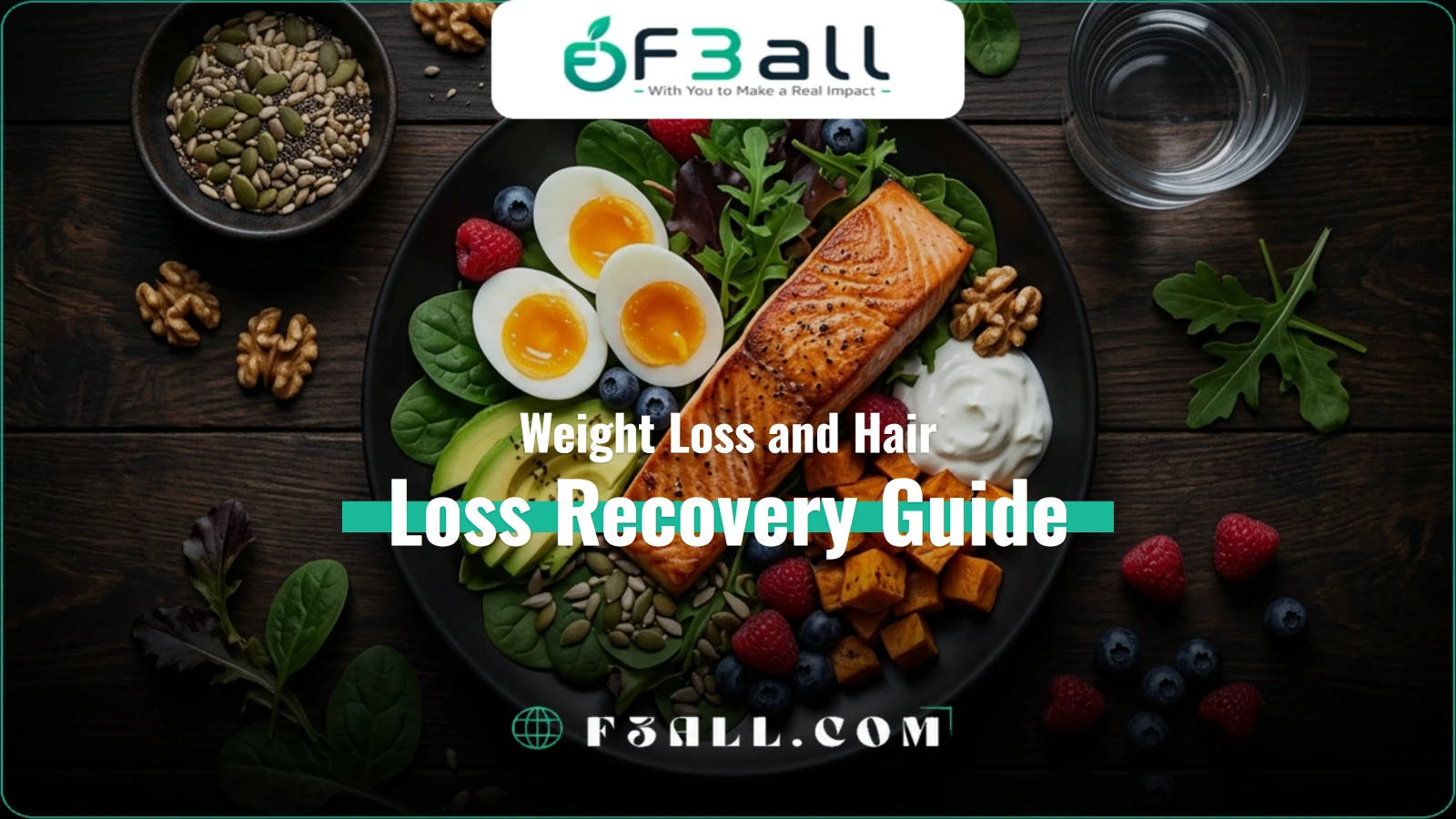
Weight Loss and Hair | Hair Loss Recovery Guide
Weight Loss and Hair are closely connected when dieting becomes aggressive, nutrition falls short, or the body experiences a major physical stress such as bariatric surgery. Some people notice increased shedding several months after rapid weight loss even though their hair seemed normal during the early stages of dieting.
The most common pattern is temporary diffuse shedding known as telogen effluvium. Hair usually has the potential to recover once the trigger is corrected, but identifying inadequate calories, low protein intake, nutrient deficiencies, thyroid problems, or another medical cause is important before assuming weight loss is responsible.
Why Hair Loss Can Happen After Weight Loss

Hair follicles are sensitive to changes in energy intake and overall health.
Rapid weight loss can act as a physical stressor that pushes more hairs than usual into the resting phase of the hair cycle.
Common triggers include:
| Possible Trigger | How It May Affect Hair |
| Rapid calorie restriction | Creates physical stress |
| Low protein intake | Reduces nutritional support for hair |
| Iron deficiency | Can contribute to shedding |
| Zinc deficiency | May affect normal hair growth |
| Bariatric surgery | Combines rapid loss with reduced intake |
| Illness or surgery | Can trigger telogen effluvium |
| Thyroid problems | May cause diffuse thinning |
Weight Loss and Hair problems are therefore not always caused by one nutrient or one food.
Telogen Effluvium After Weight Loss

Telogen effluvium is a common form of temporary hair shedding after a major physical or emotional stress.
The important detail is timing.
Hair may not start falling immediately when weight loss begins.
| Stage | Typical Pattern |
| Weight loss or physical stress | Trigger occurs |
| Following weeks | Hair may still appear normal |
| Around 2 to 3 months later | Increased shedding may begin |
| Following months | Shedding may gradually improve |
| Later recovery | New growth becomes more noticeable |
The exact timeline varies.
This delay explains why people sometimes do not connect rapid weight loss hair loss with a diet or surgery that happened months earlier.
Rapid Weight Loss and Hair Loss

Losing weight very quickly can increase the likelihood of nutritional inadequacy and physiological stress.
That does not mean everyone must lose weight at exactly the same rate.
The safer objective is to avoid unnecessary crash dieting.
Warning Signs Your Diet May Be Too Restrictive
| Sign | Why It Matters |
| Extreme fatigue | Intake may be inadequate |
| Persistent dizziness | Needs assessment |
| Very low protein intake | May affect muscle and hair |
| Significant hair shedding | Possible stress or deficiency |
| Constant cold feeling | Can occur with severe restriction |
| Loss of strength | May suggest excessive lean-mass loss |
Explore sustainable approaches through Weight Loss rather than relying on aggressive short-term diets.
Read more about: Can Diarrhea Cause Weight Loss Causes and Safe Recovery
Protein and Hair Loss During Weight Loss

Protein is important for maintaining muscle and supporting normal tissue function during a calorie deficit.
Hair is largely composed of keratin, a protein, but simply eating extremely high amounts of protein will not cure every type of hair loss.
Useful protein foods include:
| Food | Portion | Approx. Protein |
| Chicken breast | 120 g | About 37 g |
| Tuna | 100 g | About 25.5 g |
| Shrimp | 100 g | About 24 g |
| Greek yogurt | 170 g | About 17 g |
| Lentils | 150 g | About 13.5 g |
| Eggs | 2 large | About 12 to 13 g |
A practical strategy is to include a protein source at each main meal.
For meal planning, explore Weight Loss Diet Plans.
Nutrient Deficiencies That May Affect Hair
Hair thinning after dieting can sometimes be related to nutrient deficiencies rather than calorie loss alone.
Nutrients commonly evaluated include:
- Iron.
- Ferritin.
- Vitamin B12.
- Folate.
- Vitamin D.
- Zinc.
- Protein status when clinically relevant.
This does not mean everyone experiencing Weight Loss and Hair changes should automatically take multiple supplements.
Excess supplementation can also cause problems.
A Better Approach
If shedding is significant or persistent, a healthcare professional may evaluate medical history, diet, medications, and laboratory results before recommending supplementation.
Take iron, zinc, or other high-dose nutrients only when there is a clear reason to do so.
Bariatric Surgery Hair Loss
Hair loss after bariatric surgery is relatively common during the months when weight is falling rapidly.
Several factors may contribute at the same time:
| Factor | Why It Matters |
| Rapid weight reduction | Major physical stress |
| Small food portions | Lower overall nutrient intake |
| Low protein intake | Can worsen nutritional inadequacy |
| Iron deficiency | Possible after surgery |
| Vitamin deficiencies | Require monitoring |
| Surgical stress | Can trigger telogen effluvium |
People who have undergone gastric sleeve, gastric bypass, or another bariatric procedure should follow the vitamin, protein, and laboratory-monitoring plan provided by their bariatric team.
Standard supplements should not automatically replace bariatric-specific recommendations.
Can You Prevent Hair Loss During Weight Loss
Prevention is not always possible because genetics, illness, surgery, and individual hair-cycle responses also matter.
However, several habits may reduce avoidable risk.
| Priority | Practical Approach |
| Calories | Avoid unnecessary crash diets |
| Protein | Include adequate amounts daily |
| Diet variety | Eat different whole foods |
| Iron | Monitor when deficiency risk is present |
| Weight loss pace | Avoid extreme restriction |
| Hydration | Maintain regular fluid intake |
| Follow-up | Investigate persistent shedding |
For balanced meal ideas, browse Delicious Diet Recipes.
Weight Loss and Hair health are easier to manage when the diet remains nutritionally complete.
Read more about: VSG Weight Loss Surgery | Gastric Sleeve Guide
Vitamins for Hair After Weight Loss
Hair supplements are heavily marketed, but more is not always better.
A person who is deficient in iron or another nutrient may benefit from correcting that deficiency.
Someone with normal levels may not gain additional hair growth from taking large doses.
| Supplement | Main Concern |
| Iron | Excess can be harmful |
| Zinc | High doses can affect copper balance |
| Biotin | Deficiency is uncommon and high doses can interfere with lab tests |
| Vitamin A | Excess intake can contribute to hair loss |
| Vitamin D | Supplement according to need |
The goal should be correcting an identified nutritional problem rather than buying every product marketed for hair growth.
Hair Regrowth After Weight Loss
When hair loss is caused by telogen effluvium and the trigger is corrected, regrowth is usually possible.
Recovery is gradual because hair grows slowly.
What Recovery May Look Like
- Shedding becomes less intense.
- Short new hairs become visible.
- Hair density gradually improves.
- Full cosmetic recovery can take many months.
Do not expect the hair to return to its original appearance within a few weeks.
The underlying cause must also be corrected before regrowth can progress normally.
When Hair Loss May Not Be From Weight Loss
Weight loss and hair shedding can occur at the same time without one necessarily causing the other.
Other causes include:
| Pattern | Possible Cause |
| Receding hairline | Genetic hair loss |
| Widening part | Pattern hair loss |
| Round bald patches | Alopecia areata |
| Scaling or inflammation | Scalp condition |
| Hair breaking | Hair shaft damage |
| Diffuse shedding | Telogen effluvium or medical causes |
A dermatologist can distinguish between temporary shedding and other types of hair loss.
Read more about: Skin Removal After Weight Loss | Surgery Guide
When to See a Doctor
Medical evaluation is particularly useful when:
- Hair loss is severe.
- Shedding continues for many months.
- Bald patches appear.
- The scalp becomes painful or inflamed.
- There is significant fatigue or weakness.
- Menstrual changes occur.
- Weight loss was unintentional.
- There are symptoms of thyroid disease.
- Hair does not begin recovering after nutrition stabilizes.
Early evaluation can identify treatable deficiencies or conditions that may otherwise be missed.
A Simple Weight Loss and Hair Protection Plan
Keep the plan straightforward rather than adding dozens of supplements.
| Step | Action |
| 1 | Use a sustainable calorie deficit |
| 2 | Include protein at every main meal |
| 3 | Eat vegetables, fruit, grains, and healthy fats |
| 4 | Avoid repeated crash diets |
| 5 | Follow bariatric supplements if prescribed |
| 6 | Investigate significant shedding |
| 7 | Correct confirmed deficiencies |
| 8 | Allow time for hair recovery |
This protects both weight-management progress and nutritional quality.
Why F3all Is Your Best Choice

At F3all, Weight Loss and Hair is approached through nutrition, realistic weight-loss methods, protein intake, medical causes of hair shedding, and evidence-based recovery expectations.
The goal is to help readers lose weight without treating hair loss as an unavoidable part of dieting or relying on unnecessary supplements.
Frequently Asked Questions
Can weight loss cause hair loss?
Yes. Rapid or significant weight loss can trigger temporary diffuse shedding, particularly when the body experiences nutritional or physical stress.
How soon does hair loss start after weight loss?
Telogen effluvium often begins around two to three months after the triggering event, although timing varies.
Does rapid weight loss make hair loss more likely?
Rapid weight loss may increase the risk because it can create greater physical stress and make inadequate calorie or nutrient intake more likely.
Can low protein cause hair loss during dieting?
Severely inadequate protein intake can contribute to hair problems.
Protein requirements vary, so the goal is adequate intake rather than extremely high amounts.
Does hair grow back after weight loss?
Hair often regrows when shedding is caused by temporary telogen effluvium and the underlying trigger has resolved.
Recovery can take several months.
Is hair loss common after bariatric surgery?
Temporary shedding is relatively common after bariatric surgery, especially during periods of rapid weight loss.
Protein intake and nutritional monitoring are particularly important.
Should I take biotin after weight loss?
Not automatically.
Biotin deficiency is uncommon, and high-dose biotin can interfere with certain laboratory tests. Supplements should match an identified need.
Can iron deficiency cause hair thinning?
Iron deficiency can contribute to diffuse hair shedding in some people.
A healthcare professional can determine whether iron testing or supplementation is appropriate.
How can I prevent hair loss while dieting?
Avoid extreme calorie restriction, maintain adequate protein and overall nutrition, and investigate persistent or significant shedding.
When should hair loss be medically evaluated?
Seek evaluation when shedding is severe, prolonged, patchy, associated with scalp symptoms, or accompanied by other health changes.
In the End
Weight Loss and Hair problems often occur when rapid weight reduction, physical stress, insufficient protein, or nutrient deficiencies disrupt the normal hair cycle. Temporary telogen effluvium may begin months after the original trigger, which can make the connection easy to miss.
Use a sustainable calorie deficit, prioritize adequate nutrition, avoid unnecessary supplement megadoses, and investigate persistent shedding. When the underlying trigger is corrected, hair regrowth is often possible, although visible recovery usually takes time.
References