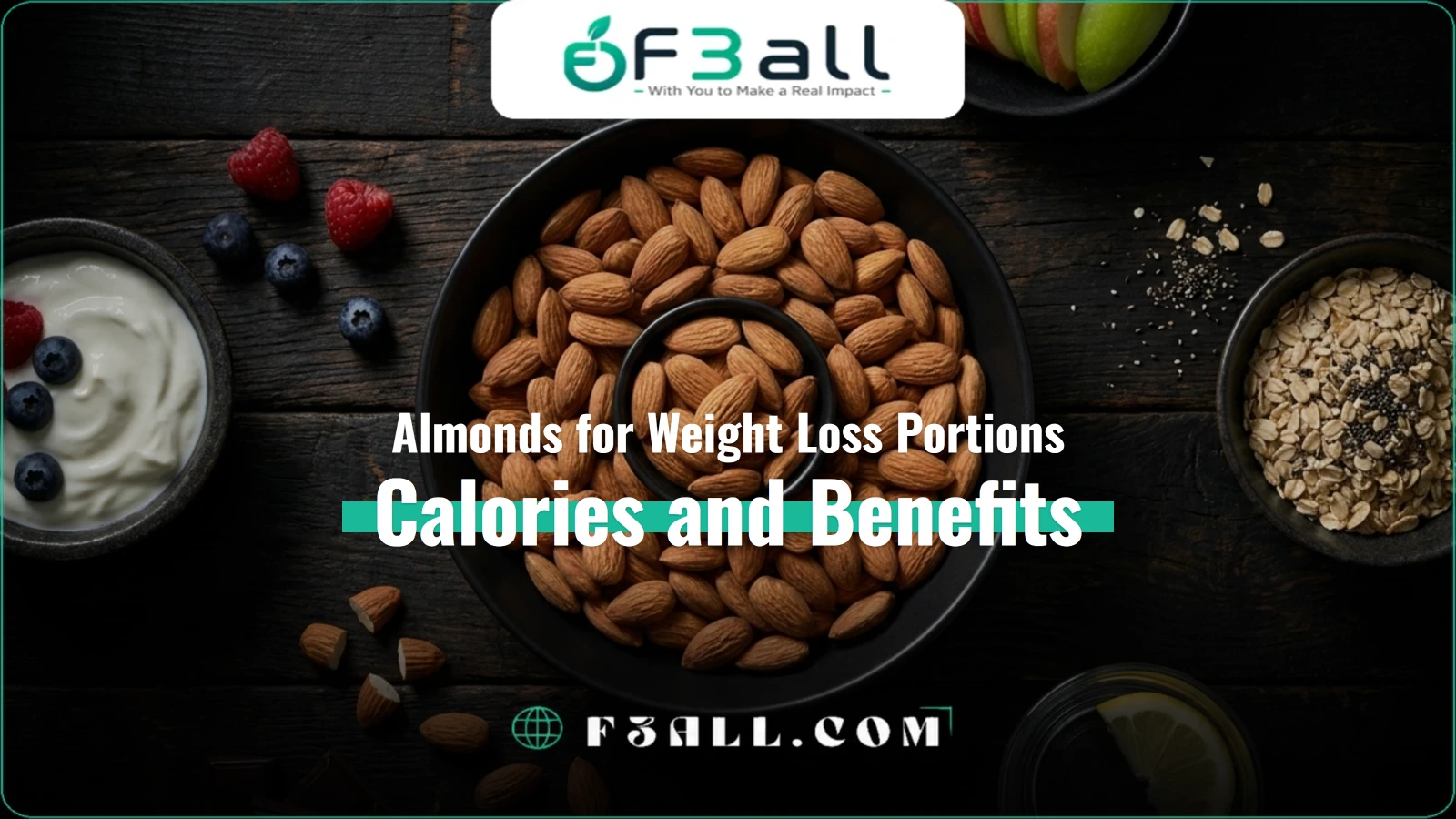
Almonds for Weight Loss | Portions, Calories and Benefits
Almonds for Weight Loss can work surprisingly well when the portion is controlled. Almonds provide protein, fiber, and unsaturated fats that can make a small snack more satisfying, but they are also calorie-dense. Eating directly from a large bag can turn a useful snack into several hundred extra calories without much effort.
The key is not whether almonds are healthy. They are. The important question is how many almonds fit your calorie target. For many people, a measured serving of about 15 to 30 grams works better than unlimited handfuls.
Are Almonds Good for Weight Loss
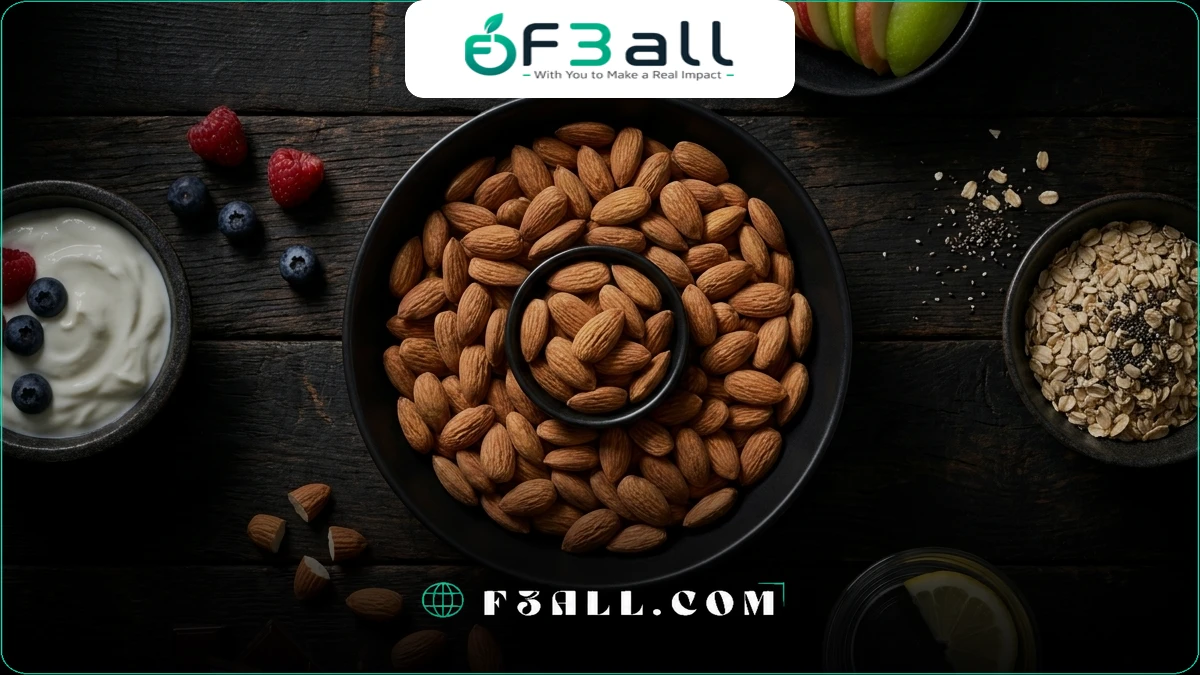
Yes, almonds can fit a weight-loss diet.
They do not directly burn fat, but their combination of protein, fiber, texture, and dietary fat may help make meals and snacks more satisfying.
A useful portion provides nutrition without consuming too much of the day’s calorie budget.
| Almond Portion | Approx. Calories | Protein | Fiber | Fat |
| 10 g | 58 kcal | 2.1 g | 1.3 g | 5 g |
| 15 g | 87 kcal | 3.2 g | 1.9 g | 7.5 g |
| 20 g | 116 kcal | 4.2 g | 2.5 g | 10 g |
| 28 g | 164 kcal | 6 g | 3.5 g | 14 g |
| 30 g | 174 kcal | 6.3 g | 3.8 g | 15 g |
Values are approximate and can vary slightly by product.
How Many Almonds Per Day for Weight Loss
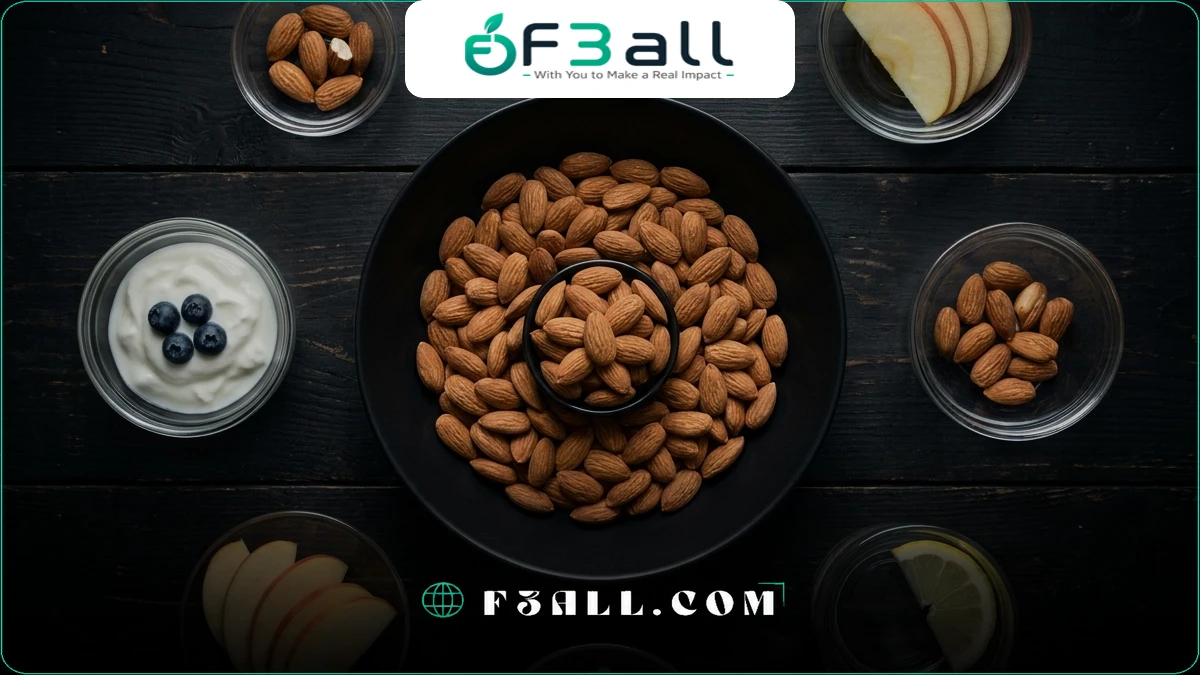
There is no universal number, but around 15 to 30 grams daily can fit comfortably into many calorie-controlled diets.
That is roughly a small measured handful.
If your calorie target is tight, a 15 to 20 gram portion may be easier to manage.
A Simple Portion Guide
| Goal | Practical Almond Portion |
| Light topping | 10 g |
| Small snack | 15 to 20 g |
| Standard serving | 28 g |
| Higher-calorie meal addition | 30 g |
Weighing almonds occasionally can be useful because visual estimates are often inaccurate.
The difference between 20 grams and 60 grams is approximately 230 calories.
Why Almonds for Weight Loss Can Be Filling
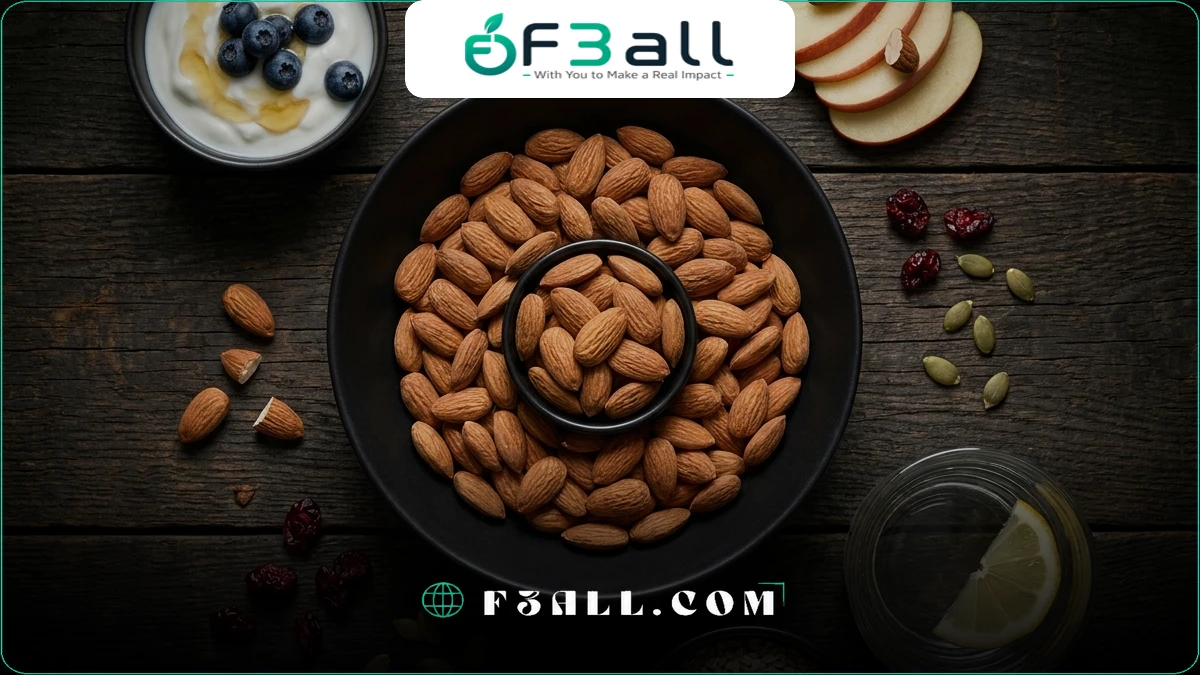
Almonds have several characteristics that may help with appetite control.
They provide:
- Protein.
- Fiber.
- Unsaturated fats.
- A crunchy texture that requires chewing.
- A relatively small but satisfying portion.
This does not mean almonds automatically reduce calorie intake.
They are most helpful when they replace a less satisfying snack rather than being added on top of an already complete diet.
Almonds Protein and Fiber
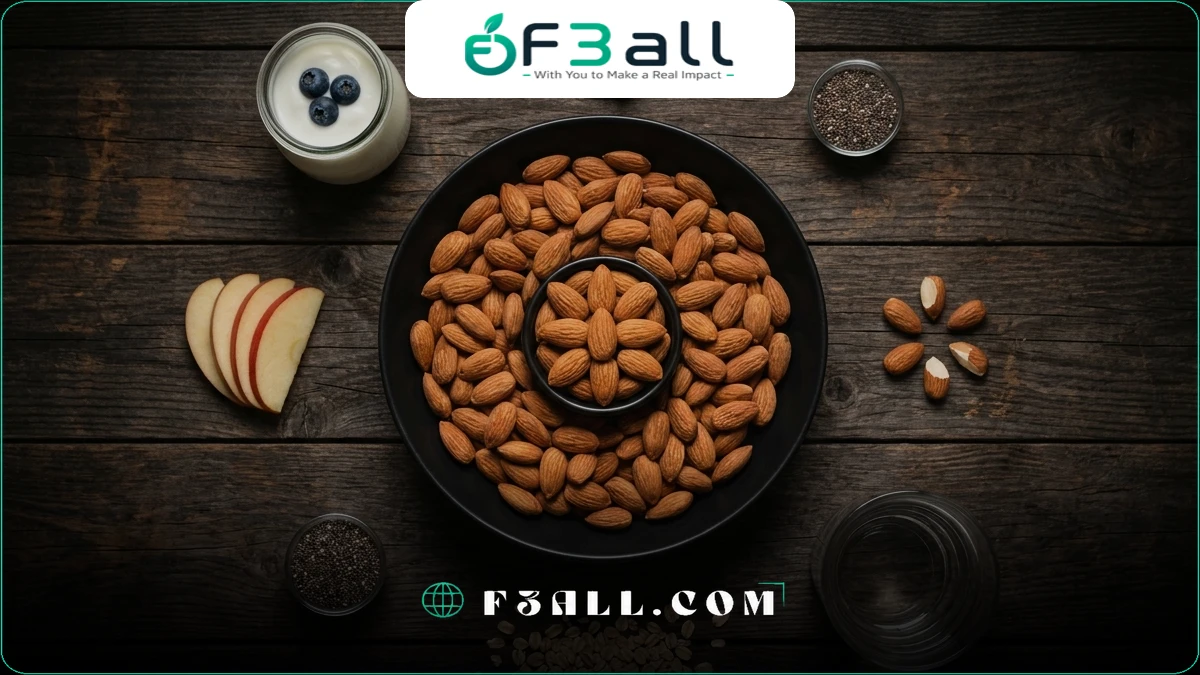
A standard 28 gram serving provides approximately 6 grams of protein and 3.5 grams of fiber.
That is useful for a snack, although almonds are not a high-protein food compared with chicken, tuna, Greek yogurt, or other concentrated protein sources.
| Food | Portion | Approx. Protein |
| Almonds | 28 g | 6 g |
| Greek yogurt | 170 g | 17 g |
| Eggs | 2 large | 12 to 13 g |
| Tuna | 100 g | 25.5 g |
| Chicken breast | 120 g | 37 g |
For Almonds for Weight Loss, think of almonds primarily as a nutritious fat source that also contributes some protein and fiber.
Read more about: Peptide Therapy for Weight Loss | Benefits and Risks
Almonds in a Calorie Deficit
A calorie deficit is still required for body-fat loss.
Almonds do not cancel that rule.
Suppose your daily plan already meets your calorie target and you add 50 grams of almonds without reducing another food. That adds almost 300 calories.
Over time, those extra calories can reduce or completely eliminate your deficit.
The better strategy is to budget almonds into the meal plan.
For structured calorie-controlled approaches, explore Weight Loss Diet Plans.
Best Almond Snacks for Weight Loss
Almonds work especially well when paired with fruit or another lower-calorie food.
| Snack | Approx. Calories | Why It Works |
| Apple 150 g with almonds 15 g | About 165 kcal | Fiber and crunch |
| Strawberries 150 g with almonds 20 g | About 164 kcal | High volume |
| Greek yogurt 170 g with almonds 10 g | About 158 kcal | Higher protein |
| Orange with almonds 15 g | About 150 to 160 kcal | Portable snack |
| Peach 150 g with almonds 15 g | About 145 kcal | Light sweet option |
These combinations provide more food volume than eating a large portion of nuts alone.
For more ideas, explore Delicious Diet Recipes.
Almonds for Belly Fat
Almonds do not specifically burn belly fat.
No food can force the body to remove fat from one location.
Abdominal fat generally decreases when total body fat decreases through a sustained calorie deficit.
Almonds for belly fat are useful only in the sense that they can be part of an eating pattern that supports overall weight management.
Do not expect adding almonds to your diet to reduce abdominal fat unless total calorie intake remains appropriate.
Almonds Versus Other Nuts for Weight Loss
There is no single best nut for everyone.
Most nuts are calorie-dense, so portion control matters regardless of the type.
| Nut | Approx. Calories per 28 g | Approx. Protein |
| Almonds | 164 kcal | 6 g |
| Pistachios | 159 kcal | 6 g |
| Cashews | 157 kcal | 5 g |
| Walnuts | 185 kcal | 4 g |
| Peanuts | 166 kcal | 7 g |
Almonds are a strong option because they provide a useful balance of protein, fiber, crunch, and portion flexibility.
Pistachios can also work well because removing shells may naturally slow eating.
Raw or Roasted Almonds
Both raw and dry-roasted almonds can fit a weight-loss plan.
The larger difference usually comes from added oils, coatings, sugar, or large portions.
| Type | Weight-Loss Consideration |
| Raw almonds | Simple option |
| Dry-roasted almonds | Similar practical value |
| Oil-roasted almonds | May contain additional fat |
| Salted almonds | Fine in moderation, but higher sodium |
| Honey-coated almonds | Usually higher in sugar and calories |
| Chocolate-covered almonds | More calorie-dense |
For Almonds for Weight Loss, plain raw or dry-roasted versions make calorie tracking easier.
Read more about: Farxiga Weight Loss Results Benefits and Safety Guide
What About Almond Butter
Almond butter provides similar nutrients, but it is easier to overeat because it requires less chewing and is often eaten directly from the jar.
| Portion | Approx. Calories |
| 5 g | About 31 kcal |
| 10 g | About 61 kcal |
| 16 g | About 98 kcal |
| 32 g | About 196 kcal |
Measure almond butter rather than estimating with a spoon.
A thin measured serving can fit easily into oatmeal, toast, yogurt, or fruit.
Eating Almonds Daily
Eating almonds daily is not required for weight loss, but it can be perfectly reasonable if you enjoy them and the calories fit your plan.
Daily use works best when almonds replace foods such as:
- Chips.
- Cookies.
- Pastries.
- High-calorie candy.
- Large desserts.
Simply adding almonds because they are considered healthy may increase daily calories instead of helping weight loss.
When Almonds Can Slow Weight Loss
The most common problem is portion size.
A few situations can make almonds less helpful:
| Situation | Why It Matters |
| Eating from the bag | Portions become difficult to estimate |
| Multiple handfuls daily | Calories increase quickly |
| Almonds plus another high-fat snack | Energy intake becomes high |
| Sweetened almond products | Extra sugar adds calories |
| Large almond butter servings | Easy to underestimate |
| Treating nuts as unlimited | Can eliminate calorie deficit |
If weight loss has stalled, nut portions are one of several calorie-dense foods worth reviewing.
Best Time to Eat Almonds for Weight Loss
There is no special time when almonds burn more fat.
Choose the time when they help control hunger.
Common options include:
- Mid-morning.
- Afternoon.
- Before a long period between meals.
- With breakfast.
- As part of a planned evening snack.
The total daily intake matters more than whether almonds are eaten at 10 AM or 8 PM.
Read more about: Drinking Matcha Tea for Weight Loss Benefits and Safety
A Simple Almonds for Weight Loss Day
You do not need almonds at every meal.
One measured serving is enough to gain their nutritional benefits.
| Meal | Example |
| Breakfast | Greek yogurt, oats, berries |
| Lunch | Chicken, vegetables, rice |
| Snack | Apple with 15 to 20 g almonds |
| Dinner | Fish, potato, vegetables |
| Drinks | Water or low-calorie beverages |
This keeps almonds in the diet without allowing them to dominate daily calories.
For broader guidance, explore Weight Loss.
Almonds Nutrition Beyond Weight Loss
Almonds also provide nutrients such as:
- Vitamin E.
- Magnesium.
- Calcium.
- Riboflavin.
- Unsaturated fats.
- Fiber.
These benefits are another reason almonds can be part of a balanced diet.
However, nutritional quality does not make calories irrelevant.
A food can be nutritious and calorie-dense at the same time.
Who Should Be Careful With Almonds
Almonds are not appropriate for everyone.
People with tree nut allergies must avoid them.
Portion size may also require attention for people with digestive sensitivity or specific medical nutrition requirements.
Young children also require age-appropriate preparation because whole nuts can present a choking risk.
Why F3all Is Your Best Choice

At F3all, Almonds for Weight Loss are approached through realistic portions, calories, nutrition, hunger control, and total diet quality rather than claiming that one food can directly burn fat.
The focus is on using almonds strategically inside a calorie deficit while still enjoying varied meals and practical snacks.
Frequently Asked Questions
Are almonds good for weight loss?
Yes. Almonds can fit a weight-loss diet when portions are controlled and total calorie intake remains appropriate.
How many almonds should I eat for weight loss?
A measured 15 to 30 gram portion works well for many people, although individual calorie needs differ.
How many calories are in almonds?
Approximately 28 grams of almonds provides around 164 calories.
Can almonds reduce belly fat?
Almonds do not specifically target belly fat. Overall abdominal fat decreases through total body-fat loss.
Can I eat almonds every day while dieting?
Yes, provided the serving fits your daily calorie and nutrition needs.
Are almonds high in protein?
They provide moderate protein. About 28 grams contains around 6 grams, but foods such as chicken, fish, yogurt, and eggs provide more concentrated protein.
Are almonds high in calories?
Yes. Almonds are calorie-dense because they contain substantial dietary fat, making portion control important.
Are raw almonds better for weight loss?
Raw and dry-roasted almonds are both reasonable choices. The more important factors are portion size and avoiding unnecessary sugary or oily coatings.
Is almond butter good for weight loss?
It can fit, but almond butter is easy to overeat. Measuring the serving is especially helpful.
Which nuts are best for weight loss?
Almonds, pistachios, peanuts, walnuts, and cashews can all fit a weight-loss diet. Portion size matters more than finding one perfect nut.
In the End
Almonds for Weight Loss can be a practical choice because they provide protein, fiber, healthy unsaturated fats, and satisfying crunch. Their main disadvantage is calorie density, which makes measuring the serving more important than with many fruits or vegetables.
Use roughly 15 to 30 grams depending on your calorie needs, pair almonds with higher-volume foods when useful, and count them within your daily intake. Almonds can support a calorie deficit, but they cannot replace the calorie deficit itself.
References