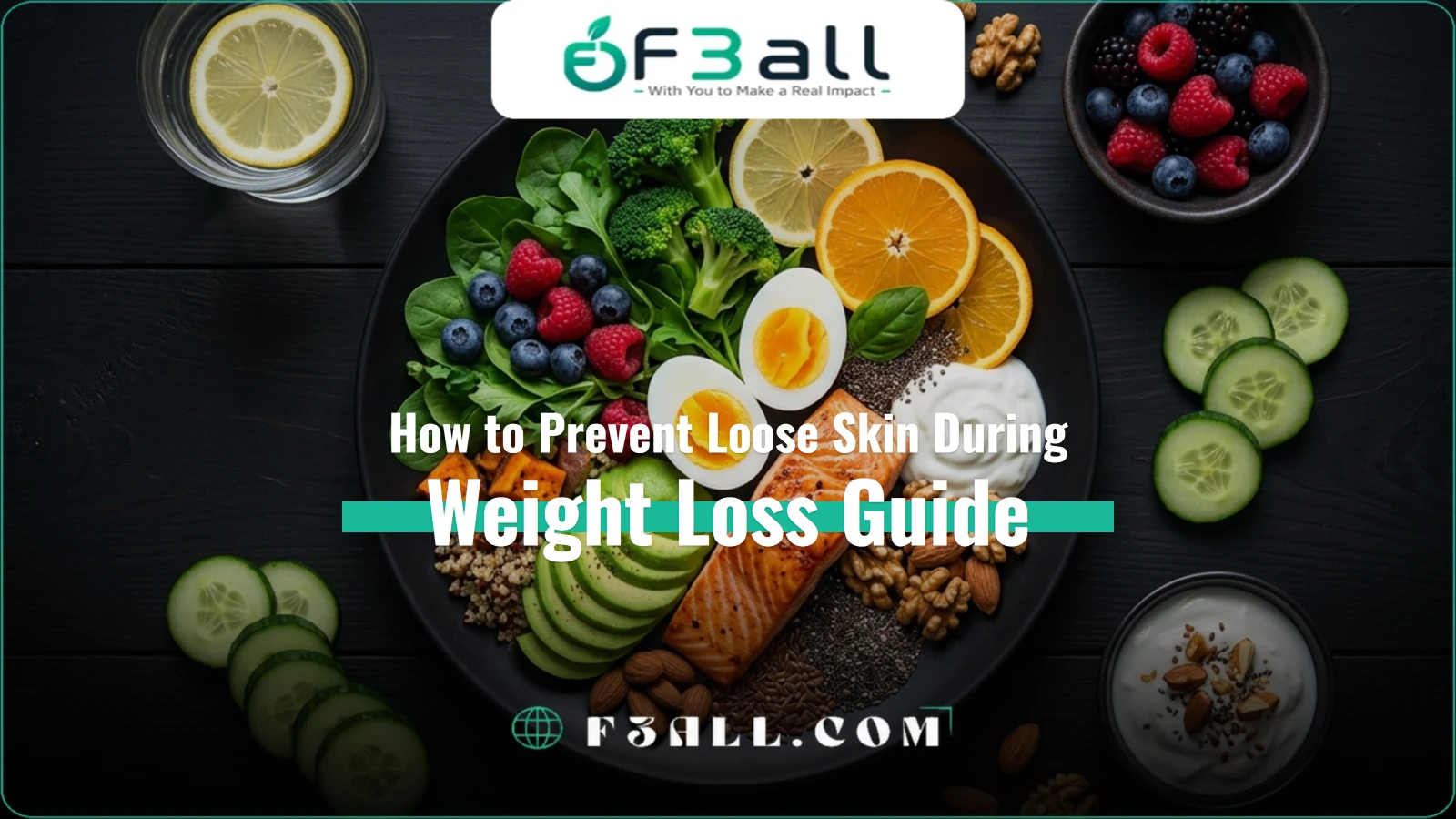
How to Prevent Loose Skin During Weight Loss | Guide
How to Prevent Loose Skin During Weight Loss is a common concern, especially when someone expects to lose a large amount of weight. Skin can adapt as body size decreases, but how much it tightens varies widely according to age, genetics, how long the skin was stretched, the amount of weight lost, smoking, sun exposure, pregnancy history, and other individual factors.
You cannot guarantee that weight loss will occur without any loose skin. However, a sensible rate of loss, resistance training, adequate protein, good nutrition, hydration, and basic skin care can support body composition and normal skin health while you lose weight.
Can You Prevent Loose Skin While Losing Weight

You may be able to reduce how noticeable loose skin becomes, but complete prevention is not always possible.
The likelihood of excess skin generally increases when:
- A very large amount of weight is lost.
- Higher body weight was present for many years.
- Skin elasticity has declined with age.
- Genetics favor lower skin elasticity.
- Smoking has damaged skin structure.
- There has been substantial abdominal stretching during pregnancy.
- Repeated large weight changes have occurred.
How to Prevent Loose Skin During Weight Loss should therefore focus on controllable factors while maintaining realistic expectations.
Lose Weight at a Sustainable Rate

Rapid weight loss is often blamed as the sole cause of loose skin, but the relationship is more complicated.
Skin elasticity depends largely on factors such as age, genetics, the degree of stretching, and how long the skin has been stretched.
Still, losing weight at a sustainable rate has several advantages.
It can help you:
- Maintain more muscle.
- Eat enough protein and nutrients.
- Continue resistance training effectively.
- Avoid aggressive dieting.
- Develop habits you can maintain afterward.
A gradual approach also gives the body more time to adapt as size changes.
Does Slow Weight Loss Prevent Loose Skin

Slow weight loss cannot guarantee that your skin will tighten completely.
For someone losing a relatively small amount of weight, skin may adapt very well regardless.
For someone losing 100 pounds or more after years at a higher body weight, excess skin may remain even with an excellent diet and gradual weight-loss plan.
The useful reason to avoid extreme weight loss is not because a particular weekly rate guarantees tight skin. It is because sustainable weight loss better supports muscle retention, nutrition, training, and long-term weight maintenance.
Explore Weight Loss Diet Plans for structured approaches that avoid unnecessary crash dieting.
Strength Training Can Improve Body Shape

Strength training cannot shrink large amounts of excess skin, but it can improve the appearance of areas affected by weight loss.
Building or preserving muscle adds structure underneath the skin.
A simple full-body routine might include:
| Exercise | Sets | Repetitions |
| Squat or leg press | 3 | 8 to 12 |
| Romanian deadlift | 3 | 8 to 12 |
| Chest press | 3 | 8 to 12 |
| Seated row | 3 | 8 to 12 |
| Lat pulldown | 2 to 3 | 8 to 12 |
| Shoulder press | 2 to 3 | 8 to 12 |
Two or three full-body strength sessions per week work well for many adults.
Progress resistance gradually rather than constantly changing exercises.
Read more about: How to Lose Loose Skin After Weight Loss | Real Options
Strength Training Does Not Remove Excess Skin
This distinction matters when discussing How to Prevent Loose Skin During Weight Loss.
Resistance training can improve body composition, but muscle cannot completely fill large folds of stretched skin.
Strength training is most valuable for:
- Preserving lean mass while dieting.
- Building muscle.
- Improving strength.
- Improving body contours.
- Supporting long-term weight maintenance.
Someone with significant hanging skin after major weight loss may eventually need a different treatment approach if the skin causes cosmetic or functional concerns.
Protein Supports Muscle and Skin Structure
Protein provides amino acids used throughout the body, including in muscle and structural proteins.
It is especially important when you are dieting and strength training.
| Food | Portion | Approx. Protein |
| Chicken breast | 120 g | About 37 g |
| Tuna | 100 g | About 25.5 g |
| Shrimp | 100 g | About 24 g |
| Greek yogurt | 170 g | About 17 g |
| Lentils | 150 g | About 13.5 g |
| Eggs | 2 large | About 12 to 13 g |
Individual protein needs depend on body weight, age, health, calorie intake, and activity.
Adequate protein supports normal tissue maintenance, but consuming extremely high protein will not force loose skin to contract.
Build Meals Around Nutrient-Dense Foods
How to Prevent Loose Skin During Weight Loss is not solved by one supplement.
Overall diet quality matters more.
A practical meal structure includes:
| Component | Examples |
| Protein | Fish, poultry, yogurt, eggs, tofu |
| Vegetables | Peppers, broccoli, leafy greens |
| Fruit | Berries, oranges, kiwi |
| Carbohydrates | Oats, potatoes, rice, quinoa |
| Dietary fat | Olive oil, nuts, avocado |
Fruit and vegetables also provide vitamin C and other nutrients involved in normal skin health.
For everyday meal ideas, explore Delicious Diet Recipes.
Hydration and Skin Elasticity
Hydration for skin elasticity is often exaggerated online.
Drinking enough fluid supports normal body function and prevents dehydration, but drinking enormous quantities of water will not tighten excess skin.
If you are dehydrated, your skin may appear drier and less healthy.
Maintaining normal hydration is sensible, but it should be viewed as supportive skin care rather than a loose-skin treatment.
Water needs vary according to body size, climate, activity, diet, and medical conditions.
Does Collagen Prevent Loose Skin
Collagen supplements are frequently promoted as a solution for loose skin.
Some research suggests specific collagen supplements may modestly improve certain measures of skin hydration or elasticity in some people.
However, there is no good evidence that collagen supplements can reliably prevent substantial excess skin after major weight loss.
Collagen and loose skin should therefore be approached realistically.
A supplement cannot reverse years of extensive skin stretching.
If you use a supplement, it should not replace:
- Adequate dietary protein.
- A balanced diet.
- Resistance training.
- Sun protection.
- Weight maintenance.
Protect Your Skin From Excess Sun Exposure
Ultraviolet radiation can damage collagen and elastin in the skin over time.
Protecting your skin from excessive sun exposure is therefore a reasonable part of preserving skin health during and after weight loss.
Useful habits include:
- Using appropriate sun protection.
- Avoiding repeated sunburn.
- Limiting intentional tanning.
- Wearing protective clothing when needed.
Sun protection cannot remove existing loose skin, but it can help protect skin quality over the long term.
Avoid Smoking
Smoking is associated with premature skin aging and damage to structural proteins in the skin.
If preserving skin elasticity during weight loss is a priority, avoiding smoking is one of the more meaningful lifestyle choices.
Stopping smoking also provides major benefits beyond skin appearance, including cardiovascular and respiratory health.
Read more about: How to Avoid Loose Skin After Weight Loss | Key Tips
Moisturizers Help Skin Feel Better but Cannot Remove Loose Skin
Moisturizers can improve dryness and temporarily make the skin feel smoother.
They do not physically remove excess skin or permanently tighten large folds.
Products marketed as tightening creams often make stronger claims than the expected results justify.
Basic skin care can still be useful for comfort, particularly if skin becomes dry or irritated during weight loss.
Maintain Your Weight After Losing It
Skin appearance can continue changing after weight loss stops.
This is one reason not to judge your final result immediately after reaching a target weight.
Maintaining a stable weight gives you time to evaluate:
- How much natural tightening occurs.
- How body composition changes with continued strength training.
- Whether certain folds continue to cause problems.
- Whether medical or cosmetic treatment is worth considering.
Repeated cycles of major weight gain and loss may further stretch the skin, so long-term weight maintenance is an important part of the strategy.
Loose Skin Versus Remaining Body Fat
Sometimes what appears to be loose skin still contains a significant layer of subcutaneous fat.
Pure loose skin usually feels thinner and can form folds, while remaining fat produces thicker tissue.
The distinction can matter because continuing to lose fat may change the appearance of an area.
However, trying to diet aggressively simply to eliminate every fold can result in unnecessary muscle loss.
If you are unsure whether an area is mostly skin or remaining fat, a qualified healthcare professional can assess it more accurately.
Areas Most Commonly Affected
Loose skin can appear anywhere that previously stored significant amounts of fat.
Common areas include:
- Abdomen.
- Upper arms.
- Inner thighs.
- Chest or breasts.
- Back.
- Buttocks.
- Neck or face.
The abdomen is particularly common after major weight loss because it can remain stretched for many years.
What to Do After Major Weight Loss
If you have already lost a large amount of weight, the focus changes from How to Prevent Loose Skin During Weight Loss to managing the skin that remains.
A useful sequence is:
- Reach a healthy and sustainable weight.
- Maintain that weight for a period recommended by your healthcare team.
- Continue resistance training.
- Maintain adequate nutrition and protein.
- Allow time for natural skin changes.
- Assess whether remaining skin causes physical or cosmetic concerns.
Do not continue losing weight indefinitely simply because skin remains loose.
Read more about: How Much Weight Loss Causes Loose Skin | Full Guide
When Excess Skin Becomes a Medical Problem
Loose skin is not always only cosmetic.
Large folds can sometimes cause:
- Recurrent rashes.
- Skin infections.
- Chafing.
- Difficulty exercising.
- Hygiene problems.
- Discomfort during daily movement.
If these issues occur repeatedly, discuss them with a healthcare professional.
Documenting recurring skin problems can also be important if reconstructive treatment is later considered.
When Skin Removal Surgery May Be Considered
Significant excess skin after major weight loss often cannot be removed with diet, exercise, creams, or supplements.
Body-contouring procedures may include:
- Panniculectomy.
- Abdominoplasty.
- Lower body lift.
- Arm lift.
- Thigh lift.
- Breast or chest procedures.
Surgery has risks, scars, recovery requirements, and financial considerations, so it requires individualized evaluation by a qualified plastic surgeon.
Non-surgical tightening treatments may provide modest improvements in mild skin laxity, but they are not equivalent to removing large folds of excess skin.
What Actually Helps Most
When trying to reduce excess skin after weight loss, focus first on measures that benefit overall health.
| Strategy | Realistic Role |
| Sustainable weight loss | Supports muscle and nutrition |
| Strength training | Improves body composition |
| Adequate protein | Supports muscle and tissue |
| Balanced diet | Supports normal skin health |
| Hydration | Prevents dehydration |
| Sun protection | Helps preserve skin quality |
| Avoid smoking | Protects skin and overall health |
| Collagen supplements | Possible modest skin benefits |
| Tightening creams | Limited temporary cosmetic effect |
| Surgery | Most effective for major excess skin |
No single strategy can guarantee that significant loose skin will not develop.
Why F3all Is Your Best Choice

At F3all, How to Prevent Loose Skin During Weight Loss is explained without promising that water, collagen, creams, or a particular rate of weight loss can guarantee perfectly tight skin. The focus is on the factors you can realistically influence while also explaining when genetics, age, and the amount of previous skin stretching matter more.
The goal is to protect muscle, support normal skin health, and help you set realistic expectations before and after major weight loss.
- Sustainable Weight Loss Strategies: F3all prioritizes manageable calorie deficits instead of crash diets that make adequate nutrition and muscle preservation harder.
- Strength Training for Better Body Composition: Resistance training is included because maintaining or building muscle can improve body shape even though it cannot remove excess skin.
- Practical Protein Guidance: Readers learn how protein-rich foods can support muscle and normal tissue maintenance without exaggerated claims about protein tightening the skin.
- Clear Collagen and Hydration Facts: F3all separates possible supportive benefits from marketing claims that suggest supplements or extra water can eliminate large amounts of loose skin.
- Realistic Skin Expectations: Age, genetics, starting weight, weight-loss amount, and how long the skin was stretched are considered so readers know that not every outcome is completely controllable.
- Long-Term Weight Management Support: Explore Weight Loss for broader guidance and Weight Loss Diet Plans for sustainable nutrition strategies that can support your progress.
F3all approaches How to Prevent Loose Skin During Weight Loss as part of a complete body-composition plan rather than selling one ingredient, supplement, or exercise as a guaranteed solution.
Frequently Asked Questions
How to Prevent Loose Skin During Weight Loss?
You cannot guarantee complete prevention, but sustainable weight loss, resistance training, adequate protein, good nutrition, hydration, sun protection, and avoiding smoking can support body composition and skin health.
Does losing weight slowly prevent loose skin?
Losing weight slowly does not guarantee that loose skin will be avoided, but a sustainable rate can make it easier to preserve muscle and maintain adequate nutrition.
Can strength training tighten loose skin?
Strength training cannot directly shrink excess skin, but building muscle can improve body contours and make some areas appear firmer.
Does protein prevent sagging skin during weight loss?
Adequate protein supports normal tissue and muscle maintenance, but protein alone cannot prevent loose skin after significant weight loss.
Does drinking more water tighten loose skin?
Normal hydration supports skin health, but drinking extra water does not remove or permanently tighten stretched excess skin.
Does collagen help loose skin after weight loss?
Collagen supplements may modestly improve some skin properties in certain people, but they cannot reliably remove substantial excess skin after major weight loss.
How much weight loss causes loose skin?
There is no exact number. Risk generally increases with larger weight losses, but age, genetics, previous skin stretching, and duration at a higher weight also matter.
Can loose skin tighten naturally over time?
Some improvement can occur after weight stabilizes, particularly when skin elasticity is better, but significant excess skin may remain permanently.
Can creams prevent loose skin during weight loss?
Moisturizers can improve dryness and appearance temporarily, but creams cannot reliably prevent or remove major excess skin.
When should I consider skin removal surgery?
Surgery may be considered after major weight loss when weight is stable and excess skin causes significant cosmetic or functional concerns. A qualified plastic surgeon can determine appropriate options.
In the End
How to Prevent Loose Skin During Weight Loss is less about finding one special product and more about protecting your health and body composition throughout the process. Lose weight sustainably, continue strength training, eat enough protein and nutrient-rich foods, stay normally hydrated, protect your skin from excessive sun exposure, and avoid smoking.
Even excellent habits cannot guarantee that significant loose skin will be avoided after major weight loss. Give your body time after reaching a stable weight, then consider professional evaluation if remaining skin creates discomfort, repeated irritation, or a cosmetic concern that you want to address.
References