High Fiber Snacks for Weight Loss | Healthy Snack Ideas
High Fiber Snacks for Weight Loss can make healthy eating more satisfying by combining dietary fiber with convenient, nutritious ingredients. Foods such as berries, apples, chickpeas, oats, chia seeds, and vegetables provide fiber that supports digestive health and may help you feel fuller between meals. However, not every high-fiber snack is low in calories, and portion sizes still matter. Choosing the right combinations can help you manage hunger while maintaining a balanced eating pattern.
This guide compares high-fiber snacks by calories and nutrition, explains their benefits, and provides easy recipes, practical serving sizes, a seven-day snack plan, and realistic weight-loss expectations.
High Fiber Snacks for Weight Loss – What Makes a Snack Effective?
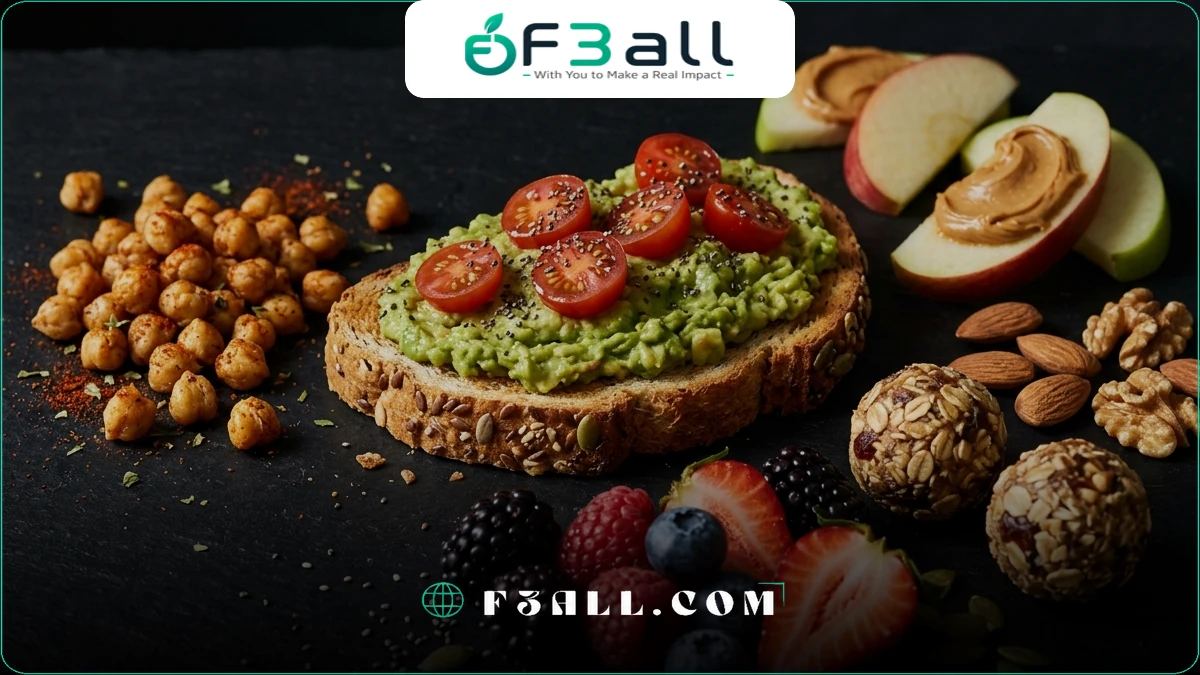
High Fiber Snacks for Weight Loss are foods that provide meaningful amounts of dietary fiber while fitting into an individual’s overall nutritional needs.
Dietary fiber is a type of carbohydrate that the human body cannot fully digest.
It occurs naturally in plant foods, including fruits, vegetables, legumes, whole grains, nuts, and seeds.
How Fiber Supports Fullness
Fiber can influence fullness through several mechanisms:
- Adding volume to foods.
- Slowing digestion in some circumstances.
- Supporting regular bowel movements.
- Influencing how quickly certain nutrients are absorbed.
- Contributing to a satisfying eating pattern.
However, the effects depend on the type of fiber, the food, and individual responses.
Soluble vs Insoluble Fiber
| Fiber Type | Main Characteristics | Food Sources |
| Soluble Fiber | Some forms dissolve in water and form gels | Oats, Apples, Beans |
| Insoluble Fiber | Adds bulk to stool | Whole Grains, Vegetables |
| Mixed Fiber | Many foods contain both types | Berries, Lentils, Seeds |
What Makes a Balanced High-Fiber Snack?
An effective snack may combine:
- Fiber-rich carbohydrates.
- Protein for nutritional balance.
- Appropriate portions.
- Minimal unnecessary added sugar.
- Convenient preparation.
- Foods you genuinely enjoy.
For example, an apple with plain Greek yogurt provides fiber from fruit and protein from dairy.
The goal is not simply to maximize fiber but to choose snacks that support fullness, nutritional quality, and sustainable eating habits.
High Fiber Snacks Calories for Weight Loss – Comparing 15 Options
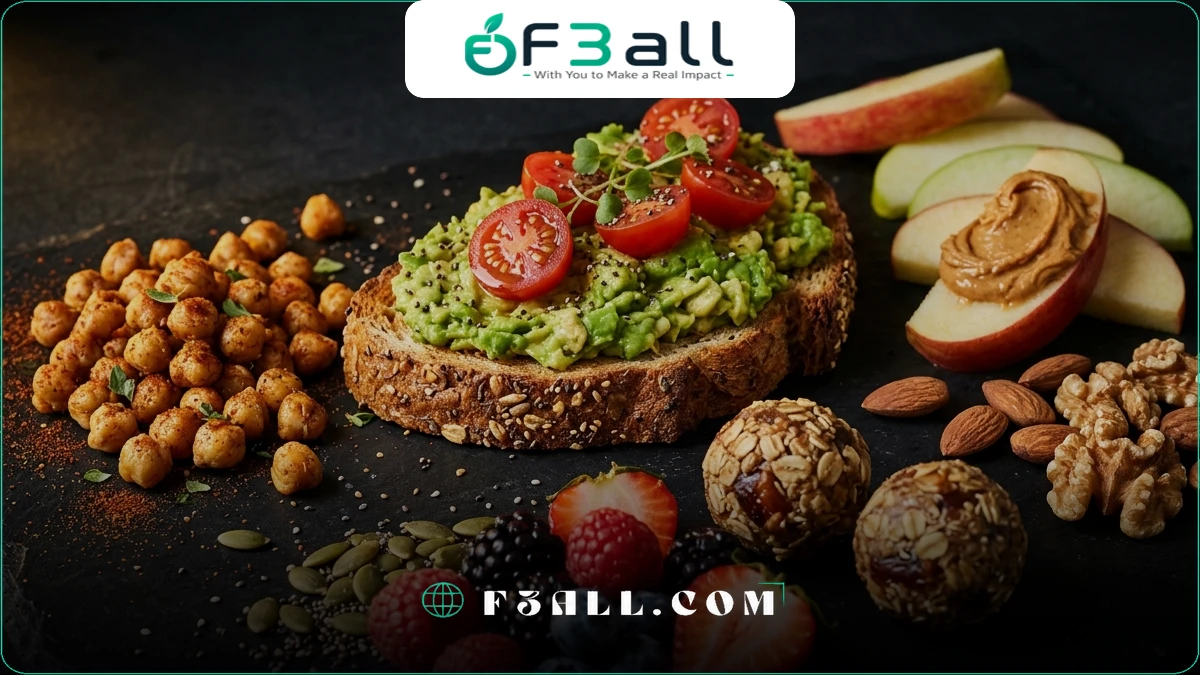
High Fiber Snacks Calories for Weight Loss is an important consideration because fiber-rich foods vary considerably in energy density.
Berries and vegetables tend to provide fewer calories per serving than nuts, seeds, and dried fruit.
All can fit into a balanced diet when portions are appropriate.
High-Fiber Snack Comparison
| Snack | Example Serving | Approx. Calories | Approx. Fiber |
| Raspberries | 1 Cup | 64 | 8 g |
| Blackberries | 1 Cup | 62 | 8 g |
| Apple With Skin | 1 Medium | 95 | 4.4 g |
| Pear With Skin | 1 Medium | 100 | 5.5 g |
| Carrot Sticks | 1 Cup | 50 | 3.5 g |
| Air-Popped Popcorn | 3 Cups | 93 | 3.5 g |
| Roasted Chickpeas | ½ Cup | 130–170 | 5–7 g |
| Edamame | ½ Cup Cooked | 95 | 4 g |
| Chia Seeds | 1 Tablespoon | 60 | 4 g |
| Almonds | 28 g | 164 | 3.5 g |
| Pistachios | 28 g | 160 | 3 g |
| Oatmeal | ½ Cup Cooked | 75–85 | 2 g |
| Avocado | ½ Medium | 120–160 | 5–7 g |
| Prunes | 4 Pieces | 90–100 | 3 g |
| Hummus | ¼ Cup | 140–170 | 3–5 g |
Values are approximate and depend on products, preparation, and serving sizes.
Which Snacks Offer the Most Fiber for Fewer Calories?
Raspberries, blackberries, pears, and air-popped popcorn are practical options.
Legumes such as chickpeas and edamame also contribute protein.
Are Nuts Suitable for Weight Loss?
Yes.
Nuts provide fiber, unsaturated fats, and other nutrients, but they are energy-dense.
A measured serving can be useful.
Are Packaged Fiber Snacks Better?
Not automatically.
Some packaged bars contain substantial added sugar or calories despite having a high fiber content.
Compare nutrition labels rather than relying on marketing claims.
The most useful calorie comparison considers fiber, protein, total energy, and how satisfying the snack is.
High Fiber Snacks Nutrition for Weight Loss – Understanding the Nutrients
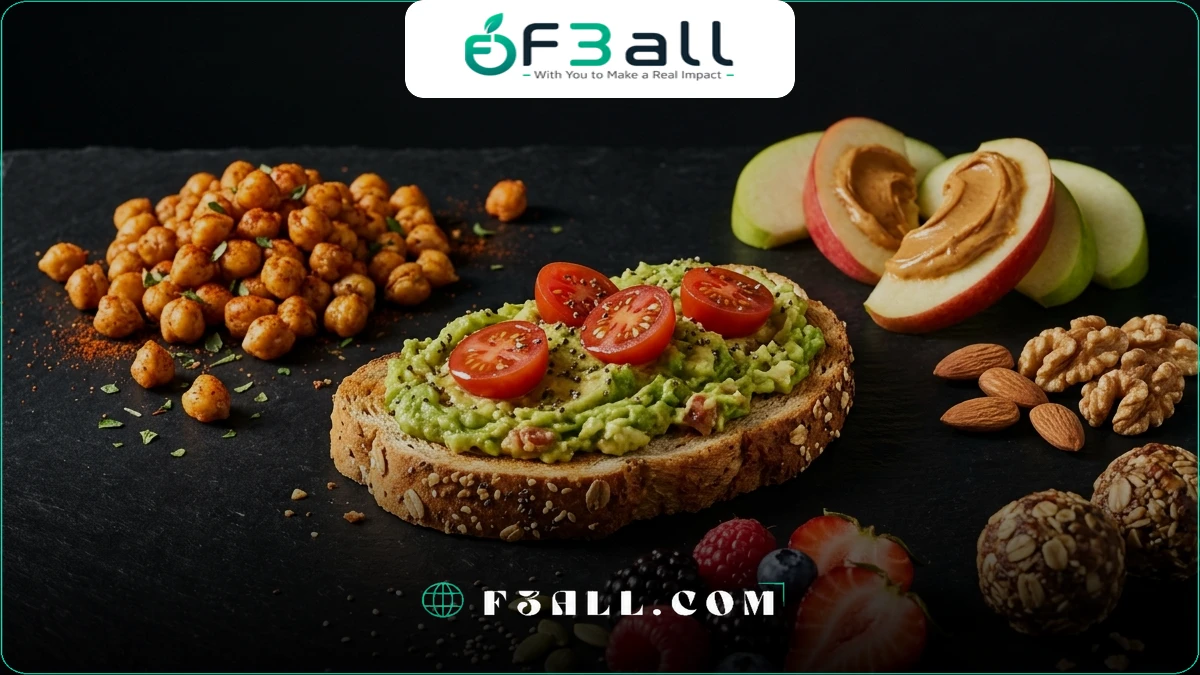
High Fiber Snacks Nutrition for Weight Loss involves more than counting fiber grams.
A nutritious snack may also supply protein, vitamins, minerals, and beneficial dietary fats.
Fiber
Fiber supports digestive health and contributes to normal bowel function.
Certain soluble fibers can also help lower LDL cholesterol when consumed as part of an appropriate diet.
Protein
Combining fiber with protein may create a more satisfying snack.
Examples include:
- Berries with Greek yogurt.
- Edamame.
- Apple with cottage cheese.
- Chickpeas with vegetables.
Healthy Fats
Nuts, seeds, and avocado contain unsaturated fats.
These are valuable nutrients, although they increase calorie content.
Vitamins and Minerals
Different high-fiber foods provide different micronutrients.
| Food | Key Nutritional Features |
| Raspberries | Fiber and vitamin C |
| Pears | Fiber and potassium |
| Edamame | Fiber, protein, and folate |
| Chickpeas | Fiber, protein, and iron |
| Almonds | Fiber, vitamin E, and magnesium |
| Chia Seeds | Fiber and alpha-linolenic acid |
| Oats | Beta-glucan fiber |
| Carrots | Beta-carotene |
| Avocado | Fiber and unsaturated fats |
How Much Fiber Do Adults Need?
The Dietary Guidelines for Americans use approximately 14 grams of fiber per 1,000 calories as a general reference.
That corresponds to approximately 28 grams daily for a 2,000-calorie eating pattern.
Individual requirements differ.
Should You Increase Fiber Quickly?
A sudden large increase may cause gas, bloating, or digestive discomfort.
Increase fiber gradually and maintain adequate fluid intake.
Choosing different plant foods throughout the day provides a wider range of nutrients than relying on one fiber supplement or snack.
Read more about: Juice Maker Recipes for Weight Loss | Healthy Juice Ideas
High Fiber Snacks Benefits for Weight Loss – What They Can Actually Do
High Fiber Snacks Benefits for Weight Loss are primarily related to fullness, dietary quality, and their ability to replace less nutritious snack choices.
Fiber itself does not automatically produce fat loss.
Potential Benefits
- Greater fullness: Certain fiber-rich foods may help manage hunger.
- Digestive regularity: Fiber supports normal bowel movements.
- Better dietary variety: Fruits, legumes, and whole grains contribute different nutrients.
- Improved meal satisfaction: Fiber-rich foods often add volume and texture.
- More balanced snacking: Pairing fiber with protein can improve nutritional quality.
- Cardiovascular benefits: Some types of soluble fiber help manage cholesterol.
- Convenient food substitutions: Fruit or popcorn may replace some calorie-dense snacks.
Benefits and Limitations
| Potential Benefit | Practical Application | Important Limitation |
| Fullness | Fruit and legumes | Responses vary |
| Digestive Health | Whole grains and vegetables | Increase gradually |
| Fiber Intake | Beans, berries, seeds | Total daily intake matters |
| Snack Quality | Whole-food substitutions | Calories still count |
| Nutrient Variety | Different plant foods | No single snack is complete |
| Cholesterol Support | Certain soluble fibers | Effects depend on fiber type |
Do High-Fiber Snacks Speed Up Metabolism?
There is no reliable evidence that simply eating high-fiber snacks creates a major metabolic increase.
Their usefulness comes from supporting a healthy eating pattern.
Fiber-rich snacks are most beneficial when they improve overall nutrition and help you manage portions comfortably.
High Fiber Snacks Serving Size for Weight Loss – Practical Portions
High Fiber Snacks Serving Size for Weight Loss depends on your energy requirements and whether the snack is intended to bridge a short gap or provide substantial nourishment.
A serving should be large enough to be satisfying without automatically becoming an additional meal.
Example Portion Guide
| Snack | Practical Portion | Approx. Calories |
| Raspberries | 1 Cup | 64 |
| Apple | 1 Medium | 95 |
| Popcorn | 3 Cups Air-Popped | 93 |
| Edamame | ½ Cup | 95 |
| Almonds | 28 g | 164 |
| Chia Seeds | 1 Tablespoon | 60 |
| Pear | 1 Medium | 100 |
| Chickpeas | ½ Cup | 130–170 |
Should Every Snack Be Under 100 Calories?
No.
Some people benefit from more substantial snacks containing protein, fiber, and healthy fats.
A 200-calorie snack can be appropriate depending on the person’s needs.
Portion Tips
- Measure nuts and seeds occasionally.
- Use bowls instead of eating directly from large packages.
- Include whole fruit rather than relying exclusively on juice.
- Check serving sizes on packaged foods.
- Pay attention to hunger and fullness.
Portion awareness makes high-fiber snacking flexible rather than unnecessarily restrictive.
High Fiber Snacks Recipes for Weight Loss – Eight Easy Ideas
High Fiber Snacks Recipes for Weight Loss can be prepared quickly with everyday ingredients.
These recipes combine fiber-rich foods with complementary nutrients. Calorie estimates are approximate.
Recipe 1 – Raspberry Greek Yogurt Bowl
Ingredients
- 150 g plain nonfat Greek yogurt.
- 100 g raspberries.
- 1 teaspoon chia seeds.
- Cinnamon.
Instructions
- Place yogurt in a bowl.
- Wash raspberries.
- Add berries over yogurt.
- Sprinkle chia seeds and cinnamon.
- Serve chilled.
Estimated calories: 170–190.
Fiber: Approximately 7–8 g.
This snack combines protein with fruit and seed fiber.
Recipe 2 – Crispy Roasted Chickpeas
Ingredients
- ½ cup cooked chickpeas.
- ½ teaspoon olive oil.
- Paprika.
- Garlic powder.
Instructions
- Preheat the oven to 200°C.
- Drain and dry chickpeas thoroughly.
- Toss with oil and seasonings.
- Spread on a baking tray.
- Roast until crisp, stirring occasionally.
Estimated calories: 150–180.
Fiber: Approximately 5–7 g.
Chickpeas provide both fiber and plant protein.
Recipe 3 – Apple and Almond Butter
Ingredients
- 1 medium apple.
- 1 tablespoon unsweetened almond butter.
- Cinnamon.
Instructions
- Wash the apple.
- Cut into wedges.
- Serve with almond butter.
- Sprinkle cinnamon if desired.
Estimated calories: 190–200.
Fiber: Approximately 6 g.
The combination provides fruit fiber and unsaturated fats.
Recipe 4 – Chocolate Chia Pudding
Ingredients
- 2 tablespoons chia seeds.
- 150 ml unsweetened almond milk.
- 1 teaspoon unsweetened cocoa.
- Vanilla.
Instructions
- Combine all ingredients.
- Stir thoroughly.
- Refrigerate for several hours.
- Stir again before serving.
- Add a few berries if desired.
Estimated calories: 150–170 before toppings.
Fiber: Approximately 9–10 g.
Allow chia seeds to hydrate fully rather than consuming a large amount dry.
Recipe 5 – Edamame With Lemon
Ingredients
- ½ cup cooked shelled edamame.
- Lemon juice.
- Black pepper.
Instructions
- Cook edamame according to package directions.
- Drain.
- Add lemon juice.
- Season with pepper.
- Serve warm.
Estimated calories: 95–110.
Fiber: Approximately 4 g.
Edamame provides a convenient combination of fiber and protein.
Recipe 6 – Pear and Walnut Bowl
Ingredients
- 1 medium pear.
- 10 g walnuts.
- Cinnamon.
Instructions
- Wash and slice the pear.
- Chop walnuts.
- Combine in a bowl.
- Add cinnamon.
Estimated calories: 165–175.
Fiber: Approximately 6 g.
This snack combines fruit fiber with unsaturated fats.
Recipe 7 – Savory Popcorn
Ingredients
- 3 cups air-popped popcorn.
- Smoked paprika.
- Garlic powder.
- Optional nutritional yeast.
Instructions
- Air-pop plain popcorn.
- Transfer to a bowl.
- Add seasonings.
- Toss and serve.
Estimated calories: 95–110.
Fiber: Approximately 3–4 g.
Popcorn provides whole-grain fiber in a relatively large-volume snack.
Recipe 8 – Hummus and Vegetable Cups
Ingredients
- ¼ cup hummus.
- 100 g carrot sticks.
- 100 g cucumber sticks.
Instructions
- Wash vegetables.
- Cut into sticks.
- Place hummus in a small container.
- Arrange vegetables alongside.
- Refrigerate until serving.
Estimated calories: 190–220.
Fiber: Approximately 6–8 g.
This combination offers vegetables and legume fiber.
Recipe Comparison
| Recipe | Approx. Calories | Approx. Fiber |
| Raspberry Yogurt Bowl | 170–190 | 7–8 g |
| Roasted Chickpeas | 150–180 | 5–7 g |
| Apple Almond Butter | 190–200 | 6 g |
| Chocolate Chia Pudding | 150–170 | 9–10 g |
| Lemon Edamame | 95–110 | 4 g |
| Pear Walnut Bowl | 165–175 | 6 g |
| Savory Popcorn | 95–110 | 3–4 g |
| Hummus Vegetable Cups | 190–220 | 6–8 g |
Rotate these recipes to enjoy different fiber sources rather than depending on the same snack every day.
Read more about: Healthy Dessert Recipes for Weight Loss | Easy Ideas
High Fiber Snacks Diet Plan – Seven Days of Practical Snacking
A High Fiber Snacks Diet Plan should complement balanced meals, not replace them.
The following example includes one snack idea per day. Additional food intake should reflect individual needs.
| Day | Snack | Approx. Calories | Approx. Fiber |
| Monday | Raspberry Greek Yogurt Bowl | 180 | 7–8 g |
| Tuesday | Roasted Chickpeas | 165 | 5–7 g |
| Wednesday | Apple With Almond Butter | 195 | 6 g |
| Thursday | Chocolate Chia Pudding | 160 | 9–10 g |
| Friday | Edamame With Lemon | 100 | 4 g |
| Saturday | Pear and Walnuts | 170 | 6 g |
| Sunday | Hummus and Vegetables | 205 | 6–8 g |
How to Follow the Plan
- Eat balanced meals containing vegetables, protein, and whole grains.
- Choose snacks when they help meet nutritional needs.
- Adjust portions according to appetite.
- Drink enough fluids.
- Increase fiber gradually.
- Maintain dietary variety.
- Avoid replacing complete meals with inadequate snacks.
Simple Meal Prep
Wash fruit, portion nuts, cook chickpeas, and prepare yogurt containers ahead of time.
Store perishable snacks in the refrigerator and follow food-safety guidance.
A weekly snack plan works best when it reduces preparation effort and supports consistent food choices.
High Fiber Snacks Best Time to Eat – Morning or Evening?
High Fiber Snacks Best Time to Eat depends on hunger, activity, and meal timing.
There is no proven hour when eating fiber causes greater fat loss.
Morning Snacks
Fruit with yogurt can provide protein and fiber between breakfast and lunch.
Afternoon Snacks
Edamame, chickpeas, or hummus may be useful when there is a long gap before dinner.
Evening Snacks
Berries, popcorn, or a small chia pudding can fit into an evening routine.
Before Exercise
A large serving of fiber immediately before intense exercise may cause digestive discomfort for some people.
A smaller, familiar snack may be more comfortable.
Timing Comparison
| Time | Example | Main Consideration |
| Morning | Yogurt and Berries | Protein and fiber |
| Afternoon | Roasted Chickpeas | Convenient snack |
| Evening | Air-Popped Popcorn | Whole-grain option |
| Before Exercise | Small Fruit Portion | Digestive tolerance |
| Meal Prep | Hummus and Vegetables | Convenience |
The best snack time is when it supports your routine and nutritional needs without unnecessary eating rules.
High Fiber Snacks for Belly Fat – Separating Facts From Claims
High Fiber Snacks for Belly Fat is a common search because many people want to reduce waist size.
However, no specific snack has been shown to selectively burn abdominal fat.
Understanding Belly Fat
Abdominal fat includes subcutaneous fat beneath the skin and visceral fat around internal organs.
Excess visceral fat is associated with increased cardiometabolic risk.
Can Fiber Reduce Belly Fat?
Higher-fiber eating patterns are associated with several favorable health outcomes, and some research links fiber intake with body-weight regulation.
However, these findings do not mean a specific fiber-rich snack directly removes abdominal fat.
Belly-Fat Claims
| Claim | Evidence-Based Assessment |
| Chia Seeds Melt Belly Fat | Unsupported |
| Apples Target Waist Fat | Unsupported |
| Fiber Can Support Fullness | Yes |
| Overall Fat Loss May Reduce Waist Size | Yes |
| Spot Reduction Is Guaranteed | No |
What Actually Matters?
Appropriate energy intake, physical activity, sleep, nutritional adequacy, and individual medical factors influence body composition.
Use fiber-rich snacks to improve dietary quality, not as a targeted belly-fat treatment.
High Fiber Snacks Weight Loss Results – Realistic Expectations
High Fiber Snacks Weight Loss Results depend on how snacks affect total daily intake.
Replacing a higher-calorie snack with a nutritious alternative may reduce energy intake.
Adding extra snacks without changing anything else may increase it.
An Illustrative Substitution
Suppose someone replaces a 320-calorie packaged snack with a 180-calorie yogurt-and-berry bowl.
The difference is 140 calories per substitution.
| Frequency | Illustrative Calorie Difference |
| Once | 140 |
| Five Times | 700 |
| Ten Times | 1,400 |
| Twenty Times | 2,800 |
These figures describe calorie differences, not guaranteed fat loss.
What Might Change Over Time?
After seven days: You may establish more consistent snack preparation and increase fiber intake.
After 30 days: Dietary changes may become easier to maintain, and weight trends may change if overall energy intake is appropriate.
After 90 days: Longer-term patterns may reveal changes in nutritional habits, weight, or other health indicators.
No specific result can be attributed to fiber-rich snacks alone.
How to Evaluate Progress
Consider dietary quality, digestive comfort, satisfaction, physical activity, and appropriate health measurements rather than focusing only on daily scale fluctuations.
Realistic results come from sustained eating habits, not from expecting a particular snack to produce rapid weight loss.
Read more about: Black Coffee and Weight Loss | Benefits and Daily Ideas
High Fiber Snacks vs Alternatives for Weight Loss – Which Is Better?
High Fiber Snacks vs Alternatives for Weight Loss involves comparing whole foods, packaged bars, protein snacks, and lower-fiber choices.
Different options serve different nutritional purposes.
| Snack Type | Main Advantage | Consideration |
| Whole Fruit | Fiber, water, vitamins | Usually modest protein |
| Vegetables and Hummus | Fiber and dietary variety | Hummus portions affect calories |
| Nuts and Seeds | Fiber and unsaturated fats | Energy-dense |
| Greek Yogurt | Protein | Plain yogurt has no fiber |
| Protein Bar | Convenient | Fiber and added sugar vary |
| Air-Popped Popcorn | Whole-grain fiber | Toppings change calories |
| Edamame | Protein and fiber | Soy allergy consideration |
| Fruit Juice | Convenient beverage | Usually less fiber than whole fruit |
High-Fiber Snacks vs Protein Snacks
Fiber and protein are complementary.
A snack containing both may be useful, but neither nutrient alone guarantees weight loss.
Whole Fruit vs Fruit Juice
Whole fruit generally provides more fiber than filtered juice and requires more chewing.
Homemade vs Packaged Snacks
Homemade snacks allow control over ingredients, while packaged options can offer convenience.
Nutrition labels help determine which is appropriate.
The best snack is one that fits your nutritional needs, preferences, and overall eating pattern.
Common Mistakes With High-Fiber Snacks
Even nutritious snacks can be less helpful when portions or ingredients are overlooked.
Mistakes to Avoid
- Increasing fiber too quickly: Add fiber gradually to reduce digestive discomfort.
- Ignoring water intake: Adequate hydration supports normal bowel function.
- Eating unlimited nuts: Measure energy-dense foods when useful.
- Choosing bars by fiber claims alone: Review calories, added sugar, and ingredients.
- Skipping protein entirely: Combine fiber with protein when appropriate.
- Using snacks to replace every meal: Maintain a varied, nutritionally adequate diet.
- Expecting immediate weight loss: Focus on consistent habits.
Practical Corrections
| Common Mistake | Better Approach |
| Too Much Fiber Suddenly | Increase Gradually |
| Inadequate Fluids | Maintain Hydration |
| Oversized Nut Portions | Use Suitable Servings |
| Misleading Packaging | Read Nutrition Labels |
| Unbalanced Snacks | Add Protein When Helpful |
| Snack-Only Diet | Eat Complete Meals |
People with gastrointestinal conditions or prescribed fiber restrictions should seek individualized advice before substantially changing their intake.
High-fiber snacking should improve your eating routine without causing unnecessary restriction or discomfort.
Why F3all Is Your Best Choice
At F3all, our High Fiber Snacks for Weight Loss guide focuses on practical nutrition, convenient recipes, and realistic expectations.
We help readers compare snacks and make informed choices without relying on exaggerated weight-loss claims.
- Calorie Comparisons: Understand how different snacks fit into daily intake.
- Fiber Guidance: Explore fruit, legumes, vegetables, whole grains, and seeds.
- Serving Size Examples: Choose portions that meet individual needs.
- Easy Recipes: Prepare nutritious snacks with familiar ingredients.
- Seven-Day Planning: Organize snacks without restrictive rules.
- Belly-Fat Facts: Understand the limitations of targeted fat-loss claims.
- Realistic Results: Focus on sustainable dietary changes.
Explore more nutrition and healthy eating information at F3all.
F3all makes balanced eating easier to understand through practical food comparisons and everyday meal ideas.
Frequently Asked Questions
What Are the Best High Fiber Snacks for Weight Loss?
Raspberries, pears, roasted chickpeas, edamame, air-popped popcorn, and vegetables with hummus are nutritious options. The best choice depends on portion size and individual needs.
How Much Fiber Should a Snack Contain?
There is no universal minimum. A snack providing approximately 3–8 grams can make a useful contribution to daily fiber intake.
Are High-Fiber Snacks Low in Calories?
Not always. Berries and vegetables are relatively low in calories, while nuts, seeds, and some bars are more energy-dense.
Can High-Fiber Snacks Burn Belly Fat?
No. They do not selectively burn abdominal fat, although fiber-rich foods can support a balanced eating pattern.
Is It Better to Eat Fiber or Protein for Weight Loss?
Both nutrients have useful roles. Combining protein and fiber can create a nutritionally balanced snack.
Can I Eat High-Fiber Snacks Every Day?
Yes, if they suit your digestive tolerance and nutritional needs. Vary the foods you choose.
Are Chia Seeds Good for Weight Loss?
Chia seeds provide substantial fiber and beneficial fats, but they do not independently cause weight loss.
What Is the Best Time to Eat High-Fiber Snacks?
There is no proven optimal time. Choose snacks according to hunger, activity, and your usual meal schedule.
Can Too Much Fiber Cause Bloating?
Yes. Rapidly increasing fiber can cause gas, bloating, or digestive discomfort. Increase intake gradually.
How Much Weight Can I Lose in 30 Days With High-Fiber Snacks?
No specific amount can be predicted. Results depend on overall calorie intake, activity, health, and individual circumstances.
In the End
High Fiber Snacks for Weight Loss can contribute to a balanced diet by providing dietary fiber, vitamins, minerals, and other valuable nutrients.
Raspberries, apples, pears, chickpeas, edamame, oats, nuts, and chia seeds offer different combinations of fiber, calories, and protein.
However, eating more fiber does not automatically produce fat loss, and no snack selectively targets belly fat.
For sustainable results, choose appropriate portions, combine fiber with other nutrients, increase intake gradually, and maintain a varied eating pattern.
Focus on satisfying, nutritious snacks that support your long-term health rather than expecting one food to determine your weight-loss results.
References