Fat Loss vs Weight Loss | Understand the Difference Now
Fat Loss vs Weight Loss is an important distinction for anyone trying to improve body composition, manage their weight, or develop healthier eating habits. Although the terms are frequently used interchangeably, they describe different changes in the body. Weight loss refers to a reduction in total body weight, while fat loss specifically means a reduction in stored body fat. Understanding this difference can help you interpret progress more accurately, preserve muscle, and choose a sustainable nutrition and exercise strategy.
This guide compares fat loss and weight loss, explains how calories and nutrition influence both, and explores body composition, serving sizes, meal plans, belly fat, and realistic results. You’ll also discover practical recipes, measurement methods, and common mistakes to avoid.
Fat Loss vs Weight Loss – Understanding the Fundamental Difference
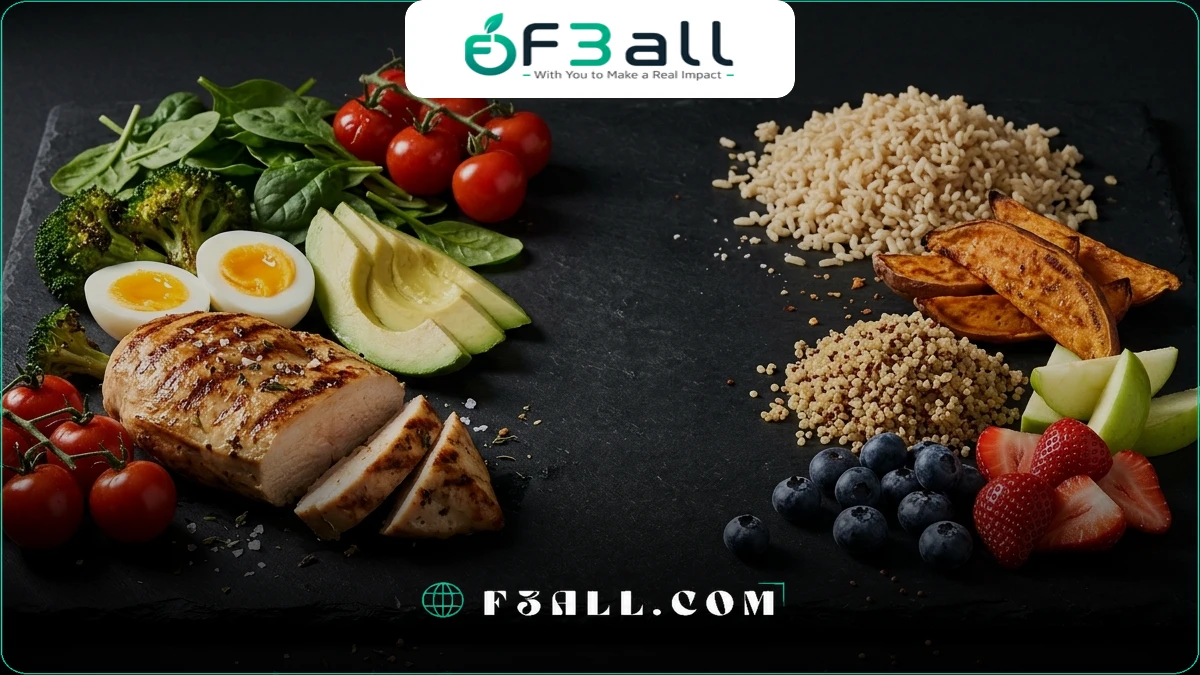
The distinction between Fat Loss vs Weight Loss begins with understanding what contributes to total body weight.
Your body weight includes much more than stored fat.
It also reflects:
- Skeletal muscle.
- Body fat.
- Water.
- Bones.
- Organs.
- Blood.
- Glycogen.
- Digestive contents.
When the number on the scale decreases, it does not reveal which components have changed.
What Is Weight Loss?
Weight loss refers to a reduction in total body mass.
It may result from changes in:
- Body fat.
- Muscle tissue.
- Body water.
- Glycogen stores.
- Digestive contents.
A decrease in scale weight does not automatically mean an equivalent amount of body fat has been lost.
What Is Fat Loss?
Fat loss refers specifically to a reduction in stored body fat.
It can occur alongside changes in muscle mass, water balance, and total weight.
A person may lose fat while maintaining most of their muscle mass, producing a smaller change on the scale than expected.
Key Differences
| Factor | Fat Loss | Weight Loss |
| Definition | Reduction in stored body fat | Reduction in total body weight |
| Main Focus | Body composition | Scale weight |
| Muscle Preservation | Often a goal | Not necessarily addressed |
| Water Changes | Can affect measurements | Can strongly affect short-term results |
| Measurement | Body composition and other indicators | Body-weight scale |
| Visual Changes | May alter body shape | May or may not reflect fat reduction |
| Health Significance | Depends on starting point and context | Depends on cause and context |
| Exercise Strategy | Often includes resistance training | Varies |
| Nutrition Strategy | Adequate protein and appropriate energy intake | Depends on approach |
Why the Scale Can Be Misleading
Imagine two people each lose 5 kilograms.
One loses mostly fat while preserving muscle.
The other loses a mixture of fat, muscle, and water.
Their scale results are identical, but their changes in body composition differ.
Is Fat Loss Always Better Than Weight Loss?
For many adults with excess body fat, reducing fat while preserving muscle can be a useful goal.
However, the most appropriate health objective depends on individual circumstances.
Weight loss is not universally necessary or beneficial, particularly for people who are already underweight or at risk of inadequate nutrition.
The key difference is that weight loss measures total mass, while fat loss focuses on a specific component of body composition.
Fat Loss vs Weight Loss – Why Body Composition Matters
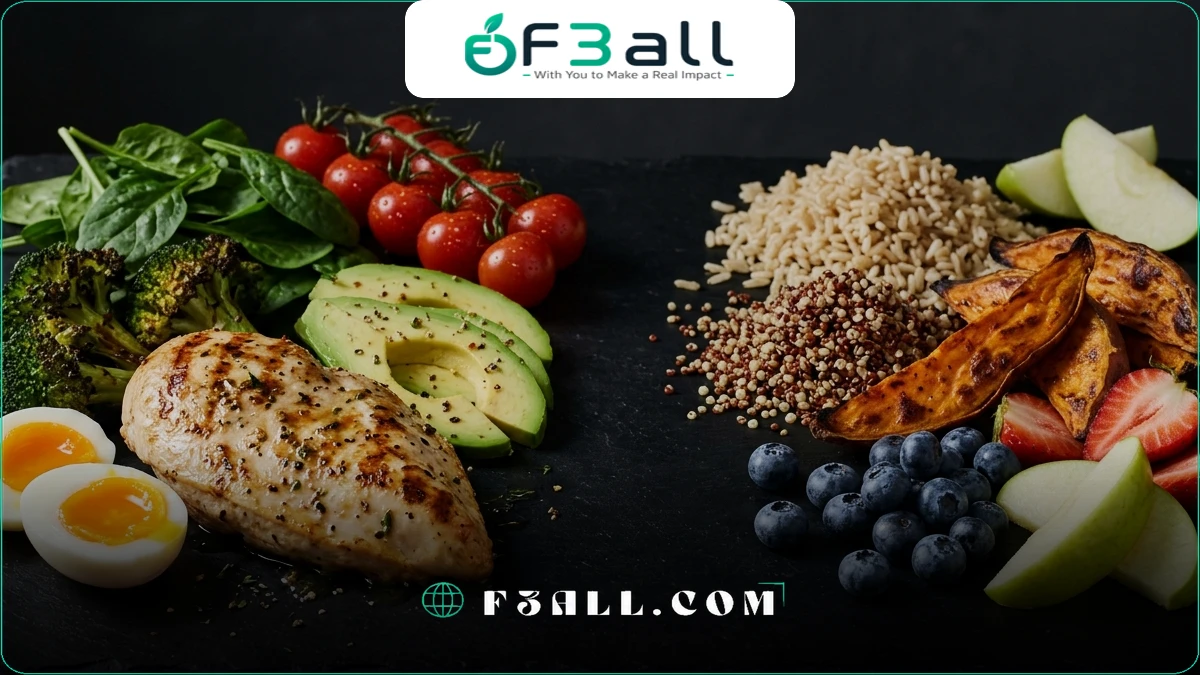
Body composition describes the relative amounts of fat mass and fat-free mass in the body.
Fat-free mass includes muscle, bone, organs, water, and other tissues.
Two people with the same body weight can have different body compositions.
Example of Two People at the Same Weight
Consider two hypothetical adults who both weigh 80 kilograms.
| Measurement | Person A | Person B |
| Body Weight | 80 kg | 80 kg |
| Body Fat Percentage | 20% | 30% |
| Estimated Fat Mass | 16 kg | 24 kg |
| Estimated Fat-Free Mass | 64 kg | 56 kg |
These figures are illustrative and do not establish which person is healthier.
Age, sex, medical history, fat distribution, physical fitness, and other factors also matter.
What Is Body Fat Percentage?
Body fat percentage estimates how much of total body weight consists of fat.
The formula is:
Body Fat Percentage = Fat Mass ÷ Total Body Weight × 100
For example:
16 kg ÷ 80 kg × 100 = 20%
What Is Fat-Free Mass?
Fat-free mass includes all body components other than fat.
It is not identical to muscle mass.
Why Muscle Preservation Matters
Skeletal muscle contributes to:
- Movement.
- Strength.
- Physical function.
- Glucose metabolism.
- Everyday activity.
- Healthy aging.
Losing unnecessary amounts of muscle during weight reduction may negatively affect strength and physical function.
Can Body Fat Decrease Without Major Weight Loss?
Yes.
Someone who loses fat while gaining muscle may experience relatively little change in total body weight.
This process is often called body recomposition.
Example of Body Recomposition
| Body Component | Before | After |
| Fat Mass | 25 kg | 22 kg |
| Fat-Free Mass | 55 kg | 57 kg |
| Total Weight | 80 kg | 79 kg |
In this example, body fat decreases by 3 kilograms while fat-free mass increases by 2 kilograms.
The scale decreases by only 1 kilogram.
These are hypothetical figures, not expected results.
Body composition provides information that scale weight alone cannot reveal, especially when muscle preservation is an important goal.
Fat Loss vs Calories for Weight Loss – Understanding Energy Balance
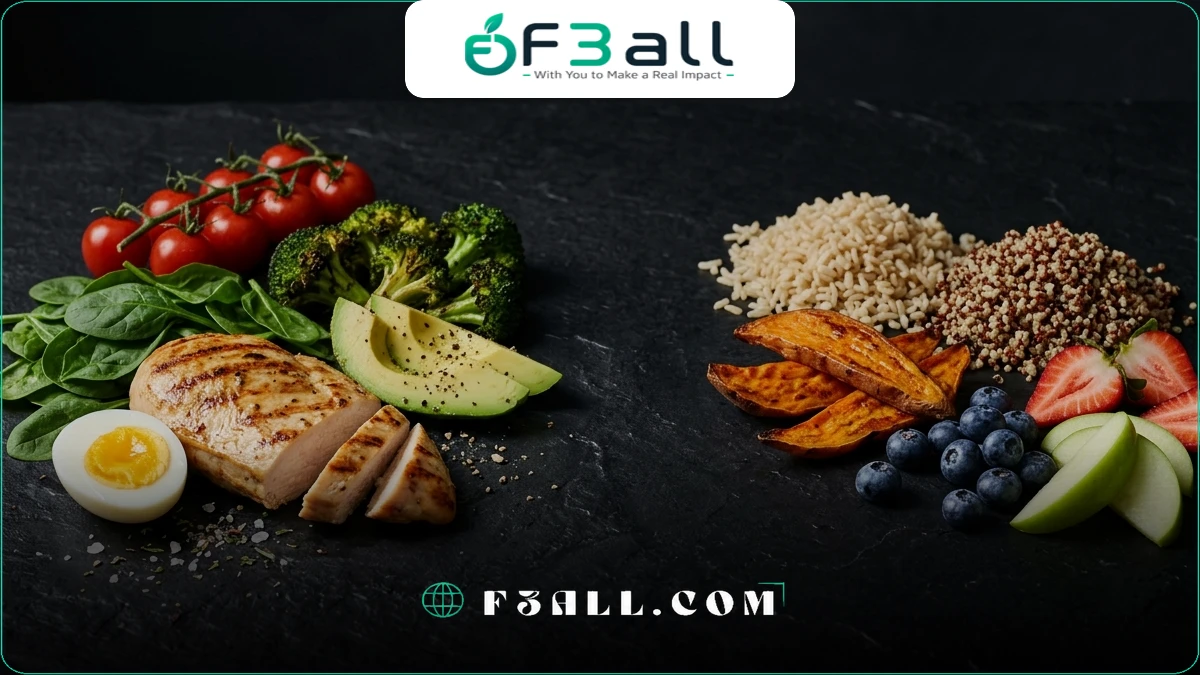
Fat Loss vs Calories for Weight Loss involves understanding how energy intake and energy expenditure influence changes in body mass.
Food and beverages provide energy measured in calories.
The body uses energy for basic functions, digestion, movement, and physical activity.
What Is a Calorie Deficit?
A calorie deficit occurs when energy expenditure exceeds energy intake over time.
This generally leads to weight reduction.
However, the amount and composition of the weight lost vary.
Components of Daily Energy Expenditure
| Component | Description |
| Resting Energy Expenditure | Energy used for essential functions |
| Physical Activity | Exercise and daily movement |
| Thermic Effect of Food | Energy used during digestion and processing |
| Non-Exercise Activity | Walking, standing, and other routine movement |
Does a Larger Calorie Deficit Mean Faster Fat Loss?
A larger deficit may produce faster scale-weight changes, but aggressive restriction can increase the risk of muscle loss, inadequate nutrition, and poor adherence.
Rapid early changes may also reflect water and glycogen losses.
Why Calories Are Not the Entire Story
Energy balance is important, but nutritional quality also matters.
Two diets containing the same number of calories may differ in:
- Protein.
- Fiber.
- Vitamins.
- Minerals.
- Food volume.
- Satiety.
- Muscle-supporting nutrients.
Illustrative Calorie Comparison
Consider two hypothetical meal plans:
| Feature | Plan A | Plan B |
| Daily Energy | 2,000 kcal | 2,000 kcal |
| Protein | Adequate | Potentially Inadequate |
| Fiber | Higher | Lower |
| Vegetables | Regularly Included | Limited |
| Resistance Training Support | Better Nutritional Alignment | Less Suitable |
| Overall Nutritional Quality | More Balanced | Less Balanced |
Both plans provide the same energy, but their nutritional composition differs.
Is the 3,500-Calorie Rule Accurate?
The traditional idea that a fixed calorie deficit always produces a predictable amount of fat loss is an oversimplification.
Actual body-weight changes are dynamic.
Energy expenditure, body composition, water balance, and metabolic adaptations influence outcomes.
How to Approach Calories Sensibly
- Consider individual energy requirements.
- Avoid extreme restriction.
- Include adequate protein.
- Maintain dietary variety.
- Incorporate physical activity.
- Monitor progress over time.
- Seek individualized guidance when appropriate.
An appropriate energy deficit can support fat loss, but nutritional adequacy and muscle preservation are equally important considerations.
Read more about: Fat Burning Smoothies for Weight Loss | Recipes to Try
Fat Loss vs Nutrition for Weight Loss – What Should You Eat?
Fat Loss vs Nutrition for Weight Loss highlights the importance of choosing foods that support health, muscle maintenance, and dietary satisfaction.
A balanced eating pattern is generally more sustainable than eliminating entire food groups.
Protein
Protein supports muscle maintenance and repair.
Common sources include:
- Eggs.
- Fish.
- Poultry.
- Greek yogurt.
- Cottage cheese.
- Beans.
- Lentils.
- Tofu.
- Tempeh.
Dietary Fiber
Fiber supports digestive health and can contribute to fullness.
Sources include:
- Oats.
- Whole grains.
- Vegetables.
- Fruit.
- Beans.
- Lentils.
- Seeds.
Carbohydrates
Carbohydrates provide energy for daily activity and exercise.
Whole grains, legumes, vegetables, and fruit can contribute carbohydrates alongside fiber and micronutrients.
Dietary Fats
Unsaturated fats support normal body functions.
Examples include olive oil, nuts, seeds, and fatty fish.
Vitamins and Minerals
A varied diet helps provide essential micronutrients.
Nutrition Comparison
| Nutrient | Role in a Balanced Diet | Food Examples |
| Protein | Muscle maintenance and repair | Eggs, Yogurt, Fish |
| Carbohydrates | Energy | Oats, Rice, Potatoes |
| Fiber | Digestive health | Beans, Berries, Vegetables |
| Unsaturated Fats | Essential fatty acids and nutrient absorption | Olive Oil, Nuts |
| Calcium | Bone and muscle function | Dairy, Fortified Alternatives |
| Iron | Oxygen transport | Meat, Lentils |
| Potassium | Normal muscle and nerve function | Potatoes, Beans, Fruit |
| Water | Hydration | Water and Water-Rich Foods |
Do You Need a High-Protein Diet?
Adequate protein is important, particularly when attempting to preserve muscle during weight reduction.
However, protein requirements vary with age, body size, activity, medical conditions, and other factors.
People with certain medical conditions may need individualized protein guidance.
Should You Eliminate Carbohydrates?
No.
Carbohydrates are not inherently incompatible with fat loss.
The amount and type consumed should fit individual energy needs and preferences.
Are Healthy Fats Still High in Calories?
Yes.
Dietary fats provide approximately 9 calories per gram, compared with approximately 4 calories per gram for protein and carbohydrates.
Portion awareness remains useful.
A balanced diet supports body composition more effectively than focusing exclusively on calorie numbers or avoiding individual nutrients.
Fat Loss vs Serving Size for Weight Loss – Practical Portion Control
Fat Loss vs Serving Size for Weight Loss involves understanding how portions influence total energy intake.
A serving size is a defined quantity of food.
The amount someone chooses to eat may be larger or smaller than the serving listed on a nutrition label.
Portion Examples
| Food | Example Portion | Approximate Calories |
| Cooked Chicken Breast | 100 g | 165 |
| Cooked Brown Rice | 100 g | 110–125 |
| Cooked Oats | 150 g | 100–110 |
| Plain Nonfat Greek Yogurt | 150 g | 85–100 |
| Apple | 1 Medium | 95 |
| Almonds | 28 g | 160–170 |
| Olive Oil | 1 Tablespoon | 119 |
| Cooked Broccoli | 100 g | 30–40 |
| Cooked Lentils | 100 g | 115 |
| Peanut Butter | 1 Tablespoon | 90–100 |
Values are approximate and depend on preparation and product.
Why Portions Matter
Energy-dense foods can contribute substantial calories in small quantities.
For example, olive oil and nuts provide useful nutrients but should still be considered within overall energy intake.
Does Portion Control Mean Eating Tiny Meals?
No.
Appropriate portions depend on nutritional requirements and the composition of the meal.
A Practical Plate Framework
A balanced plate may include:
- A generous portion of vegetables.
- A protein source.
- A portion of whole grains or other carbohydrates.
- A moderate amount of healthy fats.
This is a flexible visual framework, not a universal prescription.
Portion Control Without Constant Weighing
Useful strategies include:
- Using consistent plates and bowls.
- Reviewing nutrition labels.
- Measuring calorie-dense additions occasionally.
- Eating slowly.
- Paying attention to hunger and fullness.
- Planning meals ahead.
- Avoiding unnecessary restriction.
Why Serving Sizes Differ
A physically active adult may need substantially different portions from someone with lower energy requirements.
Medical conditions, age, pregnancy, and other factors can also change nutritional needs.
Serving-size awareness helps align energy intake with individual requirements without requiring every meal to be restrictive.
Fat Loss vs Benefits for Weight Loss – Which Outcomes Matter Most?
Fat Loss vs Benefits for Weight Loss should be evaluated according to health, physical function, and individual goals rather than appearance alone.
For people with excess adiposity, reducing body fat may improve certain health indicators.
However, the benefits vary according to starting health status and the amount and location of fat lost.
Potential Benefits of Reducing Excess Body Fat
Depending on individual circumstances, benefits may include:
- Improved cardiometabolic risk factors.
- Improved blood glucose regulation.
- Reduced excess visceral fat.
- Improved mobility.
- Reduced mechanical strain during some activities.
- Better management of certain weight-related conditions.
These outcomes are not guaranteed and should be assessed individually.
Benefits of Preserving Muscle
Maintaining muscle during weight reduction may support:
- Strength.
- Mobility.
- Physical independence.
- Exercise performance.
- Functional capacity.
Weight Loss Without Muscle Preservation
A reduction in scale weight may include both fat and lean tissue.
This is one reason that resistance training and adequate nutrition are often important during intentional weight loss.
Outcome Comparison
| Outcome | Fat Loss With Muscle Preservation | Weight Loss Without Body-Composition Focus |
| Lower Scale Weight | Possible | Expected |
| Reduced Fat Mass | Primary Goal | Not Guaranteed |
| Muscle Maintenance | Explicit Priority | May Be Overlooked |
| Strength | Better Supported | May Decline |
| Waist Reduction | Possible | Possible |
| Physical Function | Can Be Supported | Depends on Approach |
| Sustainability | Depends on Habits | Depends on Habits |
Is Faster Progress Better?
Not necessarily.
A slower, sustainable approach that maintains adequate nutrition may be more appropriate than aggressive restriction.
Does Everyone Need to Lose Fat?
No.
Health goals should reflect individual circumstances rather than assuming that lower body fat is always better.
The most meaningful outcomes combine appropriate body composition, physical function, and long-term health rather than a lower scale number alone.
Fat Loss vs Recipes for Weight Loss – Seven Balanced Meal Ideas
Fat Loss vs Recipes for Weight Loss is not about special fat-burning foods.
Instead, practical recipes can provide protein, fiber, and other nutrients while supporting appropriate energy intake.
The following meals use common ingredients and straightforward preparation methods.
Recipe 1 – Chicken and Quinoa Bowl
Ingredients
- 120 g cooked chicken breast.
- 100 g cooked quinoa.
- 100 g broccoli.
- 50 g cherry tomatoes.
- 1 teaspoon olive oil.
- Lemon juice and herbs.
Instructions
- Cook the chicken thoroughly.
- Prepare quinoa according to package instructions.
- Steam broccoli.
- Combine all ingredients in a bowl.
- Add olive oil, lemon, and herbs.
- Serve warm.
Estimated calories: 390–430.
Main advantage: Provides protein, carbohydrates, and vegetables.
Recipe 2 – Greek Yogurt Berry Breakfast
Ingredients
- 200 g plain nonfat Greek yogurt.
- 100 g mixed berries.
- 30 g oats.
- 1 teaspoon chia seeds.
Instructions
- Add yogurt to a bowl.
- Wash berries.
- Add berries and oats.
- Sprinkle chia seeds.
- Mix gently.
Estimated calories: 290–320.
Main advantage: Provides protein and fiber.
Recipe 3 – Salmon and Sweet Potato
Ingredients
- 120 g salmon.
- 150 g sweet potato.
- 100 g green beans.
- Lemon and herbs.
Instructions
- Preheat the oven.
- Season salmon with herbs.
- Roast salmon until safely cooked.
- Cook sweet potato.
- Steam green beans.
- Serve together.
Estimated calories: 390–450.
Main advantage: Provides protein and omega-3 fats.
Recipe 4 – Lentil and Vegetable Soup
Ingredients
- 150 g cooked lentils.
- 100 g carrots.
- 50 g onion.
- 100 g tomatoes.
- 1 teaspoon olive oil.
- Water or low-sodium broth.
- Herbs.
Instructions
- Chop vegetables.
- Heat olive oil in a pot.
- Cook onion briefly.
- Add carrots and tomatoes.
- Add lentils and broth.
- Simmer until vegetables soften.
Estimated calories: 250–300.
Main advantage: Provides plant protein and fiber.
Recipe 5 – Turkey and Avocado Wrap
Ingredients
- 1 whole-grain tortilla.
- 100 g cooked turkey breast.
- 40 g avocado.
- Lettuce.
- Tomato.
- Plain yogurt dressing.
Instructions
- Place tortilla on a clean surface.
- Add turkey.
- Slice avocado.
- Add lettuce and tomato.
- Spread a small amount of yogurt dressing.
- Roll and serve.
Estimated calories: 350–420.
Main advantage: Convenient protein-rich meal.
Recipe 6 – Tofu Vegetable Stir-Fry
Ingredients
- 150 g firm tofu.
- 100 g broccoli.
- 100 g bell pepper.
- 100 g cooked brown rice.
- 1 teaspoon olive oil.
- Low-sodium soy sauce.
Instructions
- Drain and cut tofu.
- Heat oil in a pan.
- Cook tofu until heated through.
- Add vegetables.
- Stir-fry until tender.
- Serve with brown rice.
Estimated calories: 350–430.
Main advantage: Plant-based protein and vegetables.
Recipe 7 – Cottage Cheese and Fruit Bowl
Ingredients
- 200 g low-fat cottage cheese.
- 100 g strawberries.
- 50 g blueberries.
- 10 g walnuts.
- Cinnamon.
Instructions
- Add cottage cheese to a bowl.
- Wash and prepare fruit.
- Add berries.
- Sprinkle walnuts and cinnamon.
- Serve chilled.
Estimated calories: 270–330.
Main advantage: Protein-rich breakfast or snack.
Recipe Comparison
| Recipe | Approx. Calories | Main Nutritional Feature |
| Chicken Quinoa Bowl | 390–430 | Protein and carbohydrates |
| Yogurt Berry Breakfast | 290–320 | Protein and fiber |
| Salmon Sweet Potato | 390–450 | Protein and omega-3 |
| Lentil Soup | 250–300 | Plant protein and fiber |
| Turkey Avocado Wrap | 350–420 | Protein and unsaturated fats |
| Tofu Stir-Fry | 350–430 | Plant protein |
| Cottage Cheese Bowl | 270–330 | Dairy protein |
These calorie estimates are illustrative. Portions should be adapted to individual needs.
Balanced recipes help support fat-loss goals through nutritional quality and appropriate portions rather than through ingredients marketed as fat burners.
Read more about: Detoxifying Water for Weight Loss | Explore Recipes Now
Fat Loss vs Diet Plan – A Seven-Day Balanced Example
A Fat Loss vs Diet Plan should emphasize adequate nutrition, muscle preservation, and sustainable eating habits.
The following plan provides meal ideas rather than a personalized calorie target.
Seven-Day Meal Plan
| Day | Breakfast | Lunch | Dinner | Snack |
| Monday | Greek Yogurt and Berries | Chicken Quinoa Bowl | Salmon and Vegetables | Apple and Nuts |
| Tuesday | Eggs and Whole-Grain Toast | Lentil Soup | Turkey and Sweet Potato | Cottage Cheese |
| Wednesday | Oatmeal and Yogurt | Tuna Salad | Tofu Stir-Fry | Fruit |
| Thursday | Cottage Cheese Bowl | Chicken Rice Bowl | Fish and Broccoli | Greek Yogurt |
| Friday | Vegetable Omelet | Turkey Wrap | Lentil Curry and Rice | Berries and Nuts |
| Saturday | Yogurt and Oats | Chickpea Salad | Salmon and Potatoes | Apple and Cheese |
| Sunday | Eggs and Fruit | Chicken Vegetable Bowl | Tofu and Quinoa | Cottage Cheese |
How to Use the Plan
- Adjust meal portions according to individual requirements.
- Include protein-rich foods throughout the day.
- Choose fiber-rich carbohydrates.
- Include vegetables and fruit.
- Drink sufficient fluids.
- Incorporate regular physical activity.
- Avoid excessive calorie restriction.
Does Fat Loss Require Skipping Meals?
No.
Meal frequency is largely a matter of personal preference and individual needs.
Can You Eat Carbohydrates During Fat Loss?
Yes.
Carbohydrates can support exercise performance and provide energy.
Can You Eat Dietary Fat?
Yes.
Healthy fats remain important, although portions affect calorie intake.
Does Meal Timing Matter?
Meal timing can influence convenience, hunger, and exercise performance.
However, no universal eating schedule guarantees superior fat loss.
Example Daily Structure
| Meal | Nutritional Priority |
| Breakfast | Protein and fiber |
| Lunch | Balanced protein, carbohydrates, and vegetables |
| Snack | Nutritional adequacy and satisfaction |
| Dinner | Protein and dietary variety |
| Beverages | Hydration |
A practical fat-loss diet should be nutritionally adequate and flexible enough to maintain over time.
Fat Loss vs Best Time to Eat – Does Meal Timing Change Results?
Fat Loss vs Best Time to Eat is a common concern among people comparing different weight-management approaches.
However, there is no single meal schedule that guarantees better fat loss for everyone.
Breakfast
Breakfast can be useful for people who feel hungry in the morning or need energy for early activities.
Skipping breakfast is not automatically beneficial or harmful.
Lunch
A balanced lunch can support energy and nutritional intake throughout the day.
Dinner
Eating dinner later does not automatically cause fat gain.
Total dietary intake, food choices, sleep, and individual circumstances matter.
Before Exercise
Some people benefit from eating carbohydrates before physical activity.
Others prefer exercising after a lighter meal.
After Exercise
Protein-containing meals can support muscle recovery.
The complete daily protein intake remains important.
Meal Timing Comparison
| Timing Strategy | Potential Advantage | Limitation |
| Regular Meals | Consistent routine | Not required for everyone |
| Early Breakfast | Morning energy | Individual preference |
| Pre-Workout Meal | Exercise fuel | Depends on activity |
| Post-Workout Protein | Supports recovery | Daily intake also matters |
| Earlier Dinner | May support routine | Not universally superior |
| Intermittent Fasting | May simplify intake for some | Not suitable for everyone |
Is Intermittent Fasting Better for Fat Loss?
Research suggests intermittent fasting can help some people reduce energy intake.
However, it is not consistently superior to other approaches when overall calorie intake is comparable.
Does Eating After 8 PM Cause Weight Gain?
No fixed clock time independently determines weight gain.
Should You Eat Protein Before Bed?
Some people may benefit from distributing protein across meals, including an evening meal or snack.
However, this is not a requirement for everyone.
The best eating schedule is one that supports adequate nutrition, physical activity, sleep, and long-term consistency.
Fat Loss vs for Belly Fat – Understanding Abdominal Fat Reduction
Fat Loss vs for Belly Fat is particularly relevant because many people focus on reducing waist measurements.
Abdominal fat includes different types of tissue with different health implications.
Subcutaneous Fat
Subcutaneous fat is located beneath the skin.
It contributes to body shape and provides energy storage.
Visceral Fat
Visceral fat is located around internal organs.
Excess visceral fat is associated with increased cardiometabolic risk.
Can You Target Belly Fat With Exercise?
No exercise has been proven to selectively remove fat from the exact area being trained.
Abdominal exercises strengthen abdominal muscles but do not guarantee localized fat loss.
Can Certain Foods Burn Belly Fat?
No specific food or drink has been established as a method for selectively removing abdominal fat.
What Supports Abdominal-Fat Reduction?
Potentially useful approaches include:
- Appropriate energy intake.
- Regular physical activity.
- Resistance training.
- Adequate sleep.
- Balanced nutrition.
- Medical management of relevant conditions.
Belly-Fat Claims Compared
| Claim | Evidence-Based Assessment |
| Crunches Burn Belly Fat Directly | Unsupported |
| Lemon Water Melts Abdominal Fat | Unsupported |
| Protein Supports Muscle Maintenance | Yes |
| Resistance Training Supports Strength | Yes |
| Overall Fat Loss May Reduce Waist Size | Yes |
| Spot Reduction Is Guaranteed | No |
| Visceral Fat Has Health Implications | Yes |
Can Waist Size Decrease Without Major Weight Loss?
Yes.
Changes in body composition, posture, and abdominal contents can influence waist measurements.
However, a smaller waist does not necessarily establish the precise amount of visceral fat lost.
Should You Track Waist Measurements?
Waist measurements may provide useful additional information, particularly when interpreted alongside other health indicators.
Abdominal-fat reduction is part of overall body-composition management, not the result of a single targeted exercise or food.
Fat Loss vs Weight Loss Results – What Changes in 7, 30, and 90 Days?
Fat Loss vs Weight Loss Results can differ significantly because scale weight responds to both tissue changes and fluid balance.
Short-term measurements are particularly sensitive to water and glycogen changes.
Results After Seven Days
Scale weight may change because of:
- Water balance.
- Sodium intake.
- Glycogen storage.
- Digestive contents.
- Hormonal fluctuations.
- Actual tissue changes.
A rapid decrease does not necessarily represent an equivalent reduction in fat mass.
Results After 30 Days
With an appropriate and sustained approach, changes in body weight, waist measurements, or body composition may become more apparent.
However, individual outcomes vary.
Results After 90 Days
Longer-term trends may provide more useful information than daily fluctuations.
Strength, physical activity, dietary consistency, and other health indicators can also help evaluate progress.
Hypothetical Progress Example
| Measurement | Starting Point | After 12 Weeks |
| Body Weight | 85 kg | 82 kg |
| Fat Mass | 28 kg | 24 kg |
| Fat-Free Mass | 57 kg | 58 kg |
| Waist Measurement | 95 cm | 91 cm |
This example illustrates possible body recomposition and is not a prediction or target.
Why Weight Can Stay the Same During Fat Loss
Muscle gains, water retention, and other changes may offset reductions in fat mass on the scale.
Why Weight Can Drop Without Much Fat Loss
Changes in water and glycogen can produce noticeable short-term weight fluctuations.
Which Measurements Are Useful?
| Measurement | What It Shows | Main Limitation |
| Scale Weight | Total body mass | Cannot distinguish tissues |
| Waist Circumference | Abdominal size | Does not directly measure visceral fat |
| Body Fat Estimate | Approximate fat proportion | Method-dependent error |
| Strength Performance | Functional progress | Influenced by training |
| Clothing Fit | Practical body-size changes | Subjective |
| Progress Photos | Visual changes | Lighting and posture vary |
| Clinical Markers | Health-related information | Requires proper interpretation |
How Often Should You Measure Progress?
The appropriate frequency depends on individual preferences and whether tracking is helpful.
Frequent weighing may be unsuitable for people who find it distressing or have a history of disordered eating.
Progress is better evaluated through meaningful longer-term trends than through a single scale reading.
Read more about: Coffee Weight Loss Drink | Explore Recipes and Tips Now
Fat Loss vs vs Alternatives for Weight Loss – Comparing Different Strategies
Fat Loss vs vs Alternatives for Weight Loss involves comparing different approaches to changing body weight and composition.
No single strategy works equally well for everyone.
Calorie Restriction Alone
Reducing energy intake can produce weight loss.
However, nutritional adequacy and muscle preservation remain important.
Resistance Training
Resistance training supports strength and muscle maintenance.
It is particularly relevant when reducing body fat.
Aerobic Exercise
Walking, cycling, swimming, and other aerobic activities support cardiovascular fitness and energy expenditure.
Combined Nutrition and Exercise
Combining appropriate nutrition with physical activity may support body composition and general health.
Intermittent Fasting
Intermittent fasting changes the timing of eating.
It may help some individuals manage intake but is not universally superior.
Low-Carbohydrate Diets
Low-carbohydrate approaches can produce weight loss for some people.
Early changes may include water and glycogen losses.
Mediterranean-Style Eating
Mediterranean-style eating emphasizes vegetables, fruit, legumes, whole grains, olive oil, and other nutrient-rich foods.
Strategy Comparison
| Strategy | Main Focus | Potential Advantage | Limitation |
| Calorie Reduction | Energy Intake | Can Reduce Weight | Muscle Loss Possible |
| Resistance Training | Strength and Muscle | Supports Lean Tissue | Requires Consistency |
| Aerobic Exercise | Cardiovascular Fitness | Supports Activity | Not a Complete Diet Strategy |
| Combined Approach | Nutrition and Exercise | Supports Multiple Goals | Requires Planning |
| Intermittent Fasting | Meal Timing | May Simplify Intake | Not Suitable for Everyone |
| Low-Carb Diet | Carbohydrate Intake | Can Fit Preferences | Not Necessarily Superior |
| Mediterranean Eating | Dietary Quality | Nutrient-Rich Pattern | Portions Still Matter |
Which Strategy Is Best for Fat Loss?
For many adults seeking to reduce excess body fat, a balanced approach that combines appropriate nutrition, sufficient protein, and physical activity is practical.
Is Cardio or Weight Training Better?
Both provide different benefits.
A combination may be useful depending on individual goals and abilities.
Can You Lose Fat Without Exercise?
Yes, fat loss can occur through changes in energy intake.
However, exercise supports health and can help preserve physical function.
The most suitable strategy is one that meets individual health needs and can be maintained without extreme restriction.
How to Measure Fat Loss More Accurately
No single measurement method provides a perfect picture of body composition.
Using several appropriate indicators may be more informative.
Body-Weight Scales
Scales measure total body mass.
They are convenient but cannot distinguish fat from muscle or water.
Waist Circumference
Waist measurements can provide information about abdominal size.
Consistency in measuring technique matters.
Bioelectrical Impedance
Some smart scales estimate body fat using electrical impedance.
Results can be influenced by hydration, food intake, exercise, and other factors.
Skinfold Measurements
Skinfold measurements estimate subcutaneous fat thickness.
Accuracy depends on technique and the person performing the assessment.
DXA Scanning
Dual-energy X-ray absorptiometry can estimate body composition.
However, it is not necessary for routine weight management and has measurement limitations.
Measurement Comparison
| Method | Measures or Estimates | Main Advantage | Limitation |
| Scale | Total Weight | Accessible | No Tissue Breakdown |
| Waist Tape | Abdominal Circumference | Inexpensive | Not Direct Fat Measurement |
| Smart Scale | Estimated Body Fat | Convenient | Hydration Sensitive |
| Skinfolds | Estimated Subcutaneous Fat | Relatively Accessible | Technique Dependent |
| DXA | Body Composition Estimates | More Detailed | Cost and Availability |
| Strength Tracking | Performance | Functional Information | Not a Fat Measurement |
Should You Trust Smart Scale Body Fat Percentages?
Treat them as estimates rather than exact values.
Changes in hydration can influence readings.
Is DXA Necessary?
No.
Many people can monitor progress using appropriate health measures, physical performance, and clinical guidance without specialized scans.
Can Clothes Fit Differently Without Scale Changes?
Yes.
Changes in body composition and fluid balance may affect clothing fit.
A combination of appropriate measurements can provide a clearer picture than relying exclusively on daily body weight.
Common Mistakes When Comparing Fat Loss and Weight Loss
Several common mistakes can make progress difficult to interpret.
Mistake 1 – Treating Every Scale Change as Fat Loss
Scale weight reflects multiple body components.
Better approach: Evaluate trends and other indicators.
Mistake 2 – Using Extreme Calorie Deficits
Aggressive restriction can compromise nutritional adequacy and muscle preservation.
Better approach: Use an individualized, sustainable approach.
Mistake 3 – Ignoring Protein
Inadequate protein may make muscle maintenance more difficult.
Better approach: Include suitable protein sources.
Mistake 4 – Avoiding Resistance Training
Resistance exercise can help maintain strength and muscle during weight reduction.
Better approach: Include appropriate strength activities.
Mistake 5 – Expecting Spot Reduction
Training one body area does not guarantee fat loss from that location.
Better approach: Focus on overall fitness and body composition.
Mistake 6 – Comparing Results With Others
Individual physiology and circumstances differ.
Better approach: Evaluate personal health goals.
Mistake 7 – Ignoring Water Fluctuations
Sodium, glycogen, and hydration can affect short-term weight.
Better approach: Avoid overinterpreting individual readings.
Mistake 8 – Following Restrictive Fad Diets
Highly restrictive plans can reduce dietary variety and be difficult to sustain.
Better approach: Prioritize nutritional adequacy.
Mistake Comparison
| Mistake | Better Strategy |
| Scale-Only Focus | Consider Multiple Indicators |
| Extreme Restriction | Use Sustainable Nutrition |
| Low Protein | Meet Individual Requirements |
| No Resistance Training | Include Strength Activities |
| Spot-Reduction Beliefs | Focus on Overall Fitness |
| Comparing Bodies | Use Individual Goals |
| Ignoring Water Changes | Assess Longer-Term Trends |
| Fad Diets | Maintain Balanced Eating |
Understanding these mistakes can make body-composition goals more realistic and sustainable.
Why F3all Is Your Best Choice

At F3all, our Fat Loss vs Weight Loss guide focuses on practical nutrition, body-composition education, and realistic progress tracking.
We help readers understand the difference between losing total body weight and reducing body fat while maintaining healthy habits.
- Clear Comparisons: Understand fat mass, muscle, water, and total weight.
- Calorie Guidance: Learn how energy balance influences results.
- Nutrition Information: Explore protein, fiber, carbohydrates, and healthy fats.
- Serving Size Examples: Compare practical food portions.
- Balanced Recipes: Prepare meals with useful nutritional variety.
- Seven-Day Planning: Build consistent eating routines.
- Body-Composition Tracking: Understand the limitations of common measurements.
- Realistic Expectations: Avoid exaggerated claims about rapid fat loss.
Explore more health, nutrition, and weight-management resources through F3all.
F3all helps readers make informed decisions based on nutritional quality, physical function, and sustainable habits.
Frequently Asked Questions
What Is the Main Difference Between Fat Loss vs Weight Loss?
Fat loss specifically refers to reducing stored body fat, while weight loss refers to reducing total body weight, including possible changes in fat, muscle, water, and other components.
Is Fat Loss Better Than Weight Loss?
For many adults with excess body fat, reducing fat while preserving muscle can be beneficial. However, the most appropriate goal depends on individual health circumstances.
Can You Lose Fat Without Losing Weight?
Yes. Losing fat while gaining muscle or experiencing changes in water balance can produce little change in total scale weight.
How Can I Tell Whether I Am Losing Fat or Muscle?
No single home measurement can determine this precisely. Waist measurements, body-composition estimates, strength performance, and clinical guidance may provide useful information.
Does Losing Weight Always Mean Losing Fat?
No. Weight loss may include changes in water, glycogen, muscle, digestive contents, and body fat.
Is Cardio or Weight Training Better for Fat Loss?
Both provide benefits. Aerobic activity supports cardiovascular fitness, while resistance training supports strength and muscle preservation.
Can You Lose Belly Fat Without Losing Overall Weight?
Changes in body composition can occur with relatively stable scale weight, but no method guarantees selective fat loss from the abdomen.
How Much Protein Do You Need During Fat Loss?
Protein needs vary according to body size, activity, age, medical conditions, and individual goals. A healthcare professional or registered dietitian can provide personalized guidance.
How Long Does It Take to See Fat-Loss Results?
The timeline varies. Changes in scale weight may appear quickly because of fluid shifts, while meaningful body-composition changes generally require sustained habits over time.
Should I Focus on Body Fat Percentage or Scale Weight?
Both can provide information, but neither should be considered in isolation. Health indicators, physical function, and individual circumstances also matter.
In the End
Fat Loss vs Weight Loss describes two related but different changes in the body.
Weight loss refers to a reduction in total body mass, while fat loss specifically means reducing stored body fat.
Because body weight includes muscle, water, bone, and other tissues, a lower scale number does not always indicate improved body composition.
For people seeking to reduce excess body fat, a sustainable approach may include appropriate energy intake, adequate protein, resistance training, aerobic activity, and balanced nutrition.
Rather than focusing exclusively on rapid changes in scale weight, consider longer-term trends, physical function, nutritional adequacy, and individual health goals.
Focus on sustainable progress and meaningful health outcomes rather than treating every change on the scale as a measure of success.
References