High Protein Diet Plan for Weight Loss | Get Your Plans
A High Protein Diet Plan for Weight Loss can help you organize nutritious meals, manage hunger, and preserve muscle while reducing excess body fat. Protein-rich foods such as eggs, chicken, fish, Greek yogurt, lentils, and tofu offer flexible options for different budgets and dietary preferences. However, eating more protein does not automatically cause weight loss. Results depend on overall calorie intake, physical activity, individual nutritional requirements, and consistency.
This guide explains how to calculate protein needs, balance calories and macronutrients, build meals, and follow a practical seven-day plan. It also includes examples for women, men, and beginners, plus a grocery list and realistic expectations.
High Protein Diet Plan for Weight Loss – How It Works
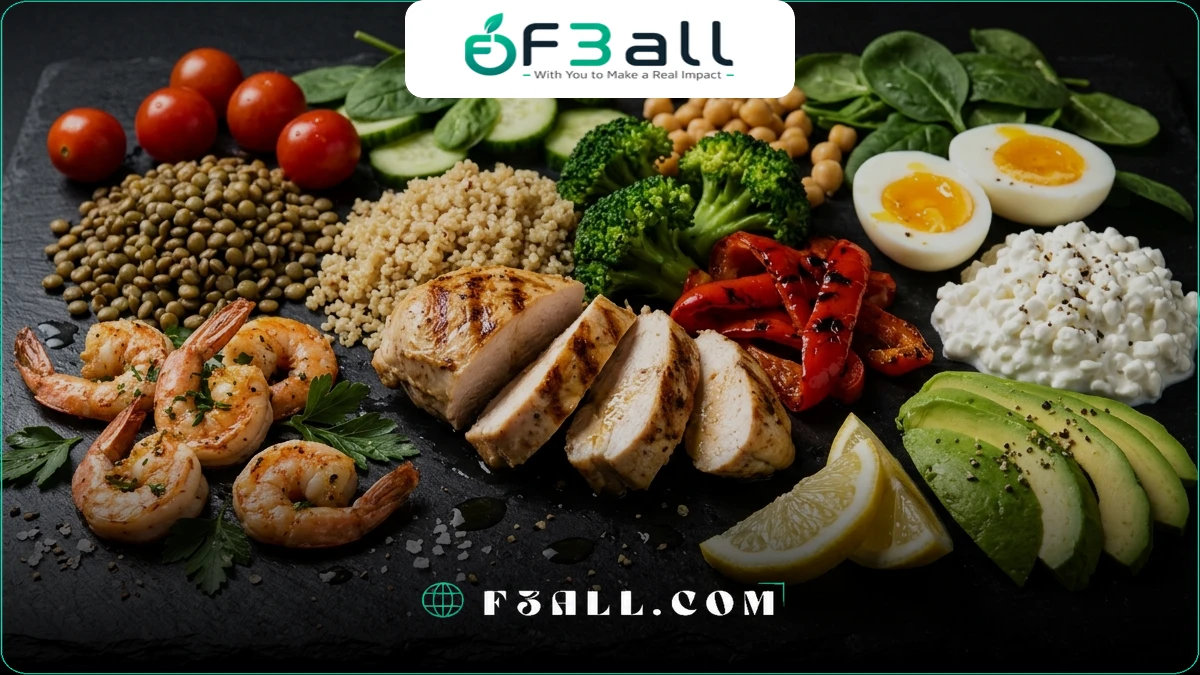
A High Protein Diet Plan for Weight Loss emphasizes protein-rich foods while maintaining appropriate calories, carbohydrates, fats, and essential micronutrients.
Protein is important for maintaining and repairing body tissues, including skeletal muscle.
During intentional weight reduction, adequate protein may help preserve lean mass, particularly when combined with resistance training.
Why Protein Matters
Protein contributes to:
- Muscle maintenance and repair.
- Normal immune function.
- Enzyme and hormone production.
- Fullness after meals.
- Recovery following exercise.
- Normal tissue function.
Protein also has a relatively high thermic effect, meaning the body uses energy to digest and process it.
However, this does not mean high-protein diets automatically produce fat loss.
High-Protein vs Standard Eating Patterns
| Feature | Higher-Protein Plan | Standard Balanced Plan |
| Protein Intake | Higher proportion or amount | Meets general requirements |
| Main Foods | Meat, Fish, Eggs, Dairy, Legumes | All major food groups |
| Muscle Preservation | May offer an advantage during weight loss | Depends on intake |
| Fullness | May improve for some people | Depends on meals |
| Weight Loss | Requires appropriate energy balance | Requires appropriate energy balance |
| Fiber | Must be planned | Must also be considered |
Does More Protein Mean Faster Weight Loss?
Not necessarily.
Protein can help support a satisfying diet, but eating excess calories from protein can still prevent weight reduction.
The goal is to consume sufficient protein within a nutritionally balanced eating plan, not to maximize protein at every meal.
High Protein Diet Plan for Weight Loss Calculator – Estimate Your Needs
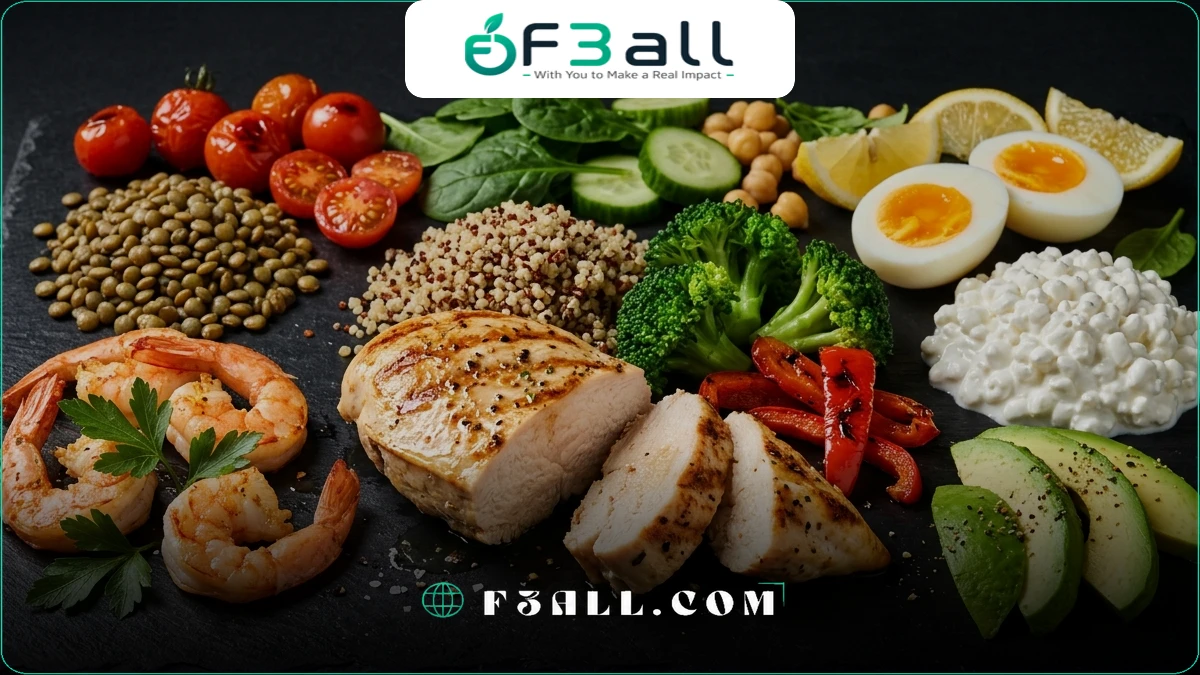
A High Protein Diet Plan for Weight Loss Calculator typically starts with body weight, activity level, and personal goals.
For generally healthy adults pursuing intentional fat loss, research frequently examines protein intakes around 1.2–1.6 grams per kilogram of body weight daily, sometimes higher for resistance-trained individuals.
These ranges are not universal prescriptions.
Protein Calculation Formula
Daily Protein (g) = Body Weight (kg) × Protein Target (g/kg)
For example, a person weighing 70 kg using a target of 1.4 g/kg would calculate:
70 × 1.4 = 98 g of protein daily.
Protein Target Examples
| Body Weight | At 1.2 g/kg | At 1.4 g/kg | At 1.6 g/kg |
| 55 kg | 66 g | 77 g | 88 g |
| 65 kg | 78 g | 91 g | 104 g |
| 75 kg | 90 g | 105 g | 120 g |
| 85 kg | 102 g | 119 g | 136 g |
| 95 kg | 114 g | 133 g | 152 g |
These are calculation examples, not recommendations for every person. People with substantial excess body weight may need a different reference weight for individualized calculations.
How to Calculate Protein Step by Step
- Record your weight in kilograms.
- Consider your activity level and health status.
- Choose an appropriate protein target with professional guidance when needed.
- Multiply body weight by the target.
- Distribute protein across meals.
- Reassess your intake as circumstances change.
When Calculator Estimates May Be Inappropriate
Individual guidance is particularly important for people with kidney disease, certain metabolic conditions, pregnancy-related nutritional needs, or medically prescribed diets.
A protein calculator provides a starting estimate, not a substitute for personalized nutrition advice.
High Protein Diet Plan for Weight Loss Calories and Macros
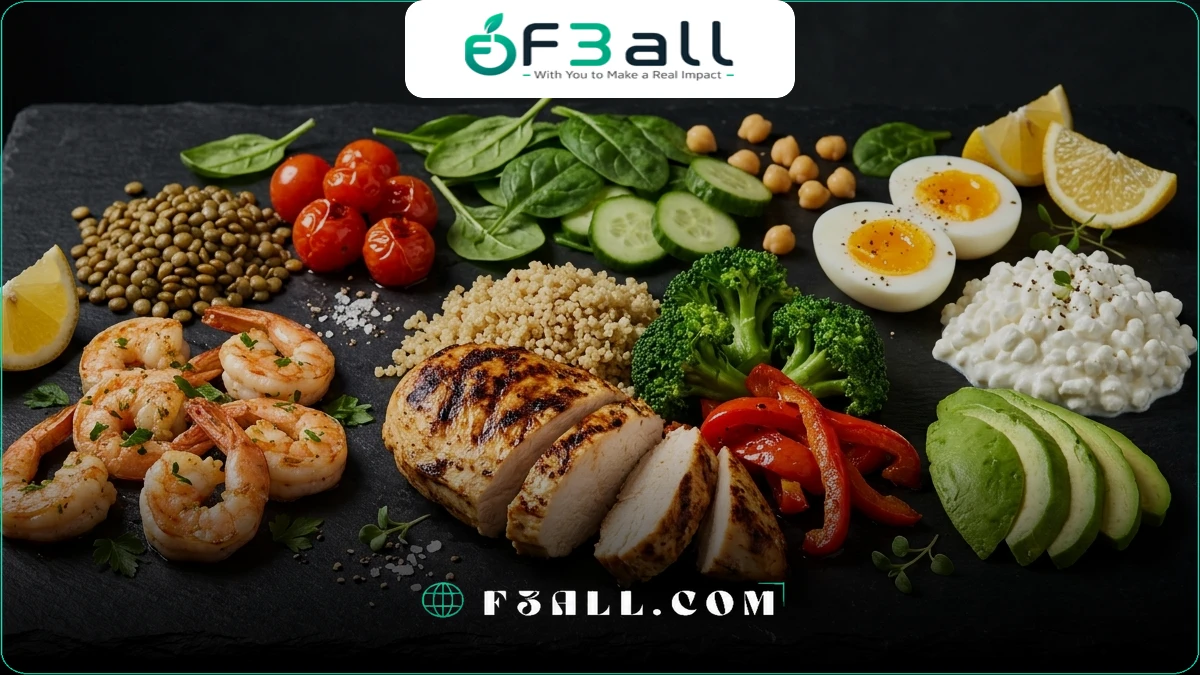
High Protein Diet Plan for Weight Loss Calories and Macros involves balancing protein, carbohydrates, and dietary fats within an appropriate daily energy intake.
All three macronutrients have important functions.
Calories per Gram
| Macronutrient | Calories per Gram | Main Role |
| Protein | 4 | Tissue maintenance and repair |
| Carbohydrates | 4 | Energy |
| Fat | 9 | Essential fatty acids and nutrient absorption |
Example 1,800-Calorie Macro Distribution
Consider an illustrative plan containing:
- Protein: 120 g = 480 calories.
- Fat: 60 g = 540 calories.
- Carbohydrates: 195 g = 780 calories.
Total: 1,800 calories.
| Macronutrient | Grams | Calories | Percentage |
| Protein | 120 | 480 | 26.7% |
| Fat | 60 | 540 | 30% |
| Carbohydrates | 195 | 780 | 43.3% |
| Total | 1,800 | 100% |
This example is not an appropriate calorie target for everyone.
How Many Calories Should You Eat?
Energy requirements depend on age, body size, activity, sex-related physiology, health conditions, and other factors.
A sustainable calorie deficit may support weight loss, but aggressive restriction can compromise nutrition and muscle preservation.
Should You Eliminate Carbohydrates?
No.
Whole grains, fruit, vegetables, and legumes provide energy, fiber, and micronutrients.
Do Healthy Fats Matter?
Yes.
Olive oil, nuts, seeds, and fatty fish provide beneficial fats, although serving sizes influence calories.
Successful meal planning considers total energy and nutritional quality instead of treating protein as the only important nutrient.
Read more about: 7 Day Smoothie Weight Loss Diet Plan | Get the Plan Now
High Protein Diet Plan for Weight Loss for Women
A High Protein Diet Plan for Weight Loss for Women should reflect individual body size, activity, life stage, and medical needs.
Women do not all require the same calorie or protein intake.
Practical Meal Choices
| Meal | Example | Approx. Protein |
| Breakfast | 200 g Greek Yogurt With Berries | 20 g |
| Lunch | 120 g Chicken Breast With Quinoa | 35–38 g |
| Snack | 150 g Cottage Cheese | 17–20 g |
| Dinner | 120 g Salmon With Vegetables | 26–30 g |
The examples provide approximately 98–108 g of protein, depending on products and preparation.
Considerations Across Life Stages
Protein requirements and energy needs can change during pregnancy, breastfeeding, menopause, and healthy aging.
Resistance exercise may be especially valuable for maintaining strength and muscle as people age.
Common Planning Priorities
- Include iron-rich foods.
- Maintain adequate calcium intake.
- Choose fiber-rich carbohydrates.
- Avoid excessively low calorie targets.
- Include dietary fats.
- Consider individual medical needs.
A useful plan for women is based on personal requirements rather than a fixed diet marketed to all women.
High Protein Diet Plan for Weight Loss for Men
A High Protein Diet Plan for Weight Loss for Men may involve larger portions for some individuals because body size, muscle mass, and energy expenditure can differ.
However, men also have widely varying nutritional requirements.
Example Protein Distribution
| Meal | Example | Approx. Protein |
| Breakfast | Three Eggs and Greek Yogurt | 35–40 g |
| Lunch | 150 g Chicken Breast With Rice | 45–47 g |
| Snack | 200 g Cottage Cheese | 22–26 g |
| Dinner | 150 g Trout With Potatoes | 33–38 g |
The daily example provides approximately 135–151 g of protein.
It is illustrative rather than a required target.
Protein and Resistance Training
Resistance training can help preserve muscle and support strength during intentional weight reduction.
Protein intake should be considered alongside training, sleep, and adequate energy.
Important Considerations
A larger protein target does not automatically mean a larger calorie deficit or better results.
People with relevant medical conditions should obtain individualized guidance.
Protein needs should be calculated from personal circumstances rather than sex alone.
High Protein Diet Plan for Weight Loss Beginners – Getting Started
A High Protein Diet Plan for Weight Loss Beginners should be simple, affordable, and realistic.
You do not need protein supplements, complicated recipes, or strict meal timing to begin.
Seven Steps for Beginners
- Choose protein foods you enjoy. Start with eggs, yogurt, fish, poultry, tofu, or legumes.
- Include protein in main meals. Avoid relying on one large serving at dinner.
- Add vegetables. Include fiber-rich foods alongside protein.
- Use appropriate portions. Consider your overall calorie needs.
- Prepare basic meals. Cook several portions of a protein source ahead of time.
- Stay hydrated. Drink fluids according to your needs.
- Review progress gradually. Focus on consistency rather than daily scale fluctuations.
Beginner-Friendly Food Swaps
| Instead Of | Try | Potential Advantage |
| Sweetened Breakfast Pastry | Greek Yogurt and Oats | More protein |
| Plain White Toast Snack | Cottage Cheese and Fruit | Protein and fiber |
| Large Fried Takeout Meal | Grilled Chicken Bowl | Portion control |
| Sugary Dessert | Yogurt With Berries | Protein and fruit |
| Low-Protein Lunch | Lentil and Egg Salad | More balanced nutrients |
Do Beginners Need Protein Powder?
No.
Protein powder can be convenient, but ordinary foods can meet protein requirements.
Begin with a few repeatable meals before attempting a complicated diet system.
Read more about: Protein Shake Weight Loss | Recipes & 7-Day Plan
High Protein Diet Plan for Weight Loss Examples – Building Balanced Meals
Practical meal examples help translate protein targets into everyday food choices.
Breakfast Ideas
- Greek yogurt with oats and berries.
- Eggs with whole-grain toast.
- Cottage cheese with fruit.
- Tofu scramble with vegetables.
Lunch Ideas
- Chicken and quinoa bowl.
- Tuna and chickpea salad.
- Turkey wrap with vegetables.
- Lentil soup with yogurt.
Dinner Ideas
- Salmon with sweet potatoes.
- Grilled chicken with brown rice.
- Tofu stir-fry with vegetables.
- Turkey meatballs with whole-grain pasta.
Protein Food Comparison
| Food | Example Serving | Approx. Protein |
| Chicken Breast, Cooked | 100 g | 31 g |
| Salmon, Cooked | 100 g | 22–25 g |
| Greek Yogurt, Plain | 170 g | 16–19 g |
| Cottage Cheese | 150 g | 17–20 g |
| Eggs | 2 Large | 12–13 g |
| Firm Tofu | 150 g | 14–25 g |
| Lentils, Cooked | 1 Cup | 18 g |
| Chickpeas, Cooked | 1 Cup | 14–15 g |
| Edamame, Cooked | 1 Cup | 18 g |
Protein values vary by product.
Three Quick High-Protein Recipes
- Chicken Quinoa Bowl
Combine 120 g cooked chicken, 100 g cooked quinoa, spinach, tomatoes, and lemon dressing.
Approximate protein: 42–45 g.
- Greek Yogurt Breakfast
Mix 200 g plain Greek yogurt, 30 g oats, 100 g berries, and cinnamon.
Approximate protein: 24–26 g.
- Tofu Lentil Bowl
Combine 150 g firm tofu, 100 g cooked lentils, broccoli, and spices.
Approximate protein: 24–34 g, depending on tofu.
Combining protein with vegetables, whole grains, and healthy fats produces more balanced meals than protein alone.
High Protein Diet Plan for Weight Loss Meal Plan – Seven Days
A High Protein Diet Plan for Weight Loss Meal Plan should provide enough variety to cover different nutritional needs.
The following seven-day example includes poultry, seafood, eggs, dairy, and plant proteins.
Portions and total calories must be adjusted individually.
High Protein Diet Plan for Weight Loss 7 Day Plan
| Day | Breakfast | Lunch | Dinner | Snack |
| Monday | Greek Yogurt, Oats, Berries | Chicken Quinoa Bowl | Salmon and Broccoli | Cottage Cheese |
| Tuesday | Eggs and Whole-Grain Toast | Turkey Chickpea Salad | Tofu Stir-Fry | Edamame |
| Wednesday | Cottage Cheese and Fruit | Tuna Brown Rice Bowl | Chicken and Sweet Potato | Greek Yogurt |
| Thursday | Yogurt Overnight Oats | Lentil and Egg Salad | Grilled Trout and Quinoa | Roasted Chickpeas |
| Friday | Vegetable Omelet | Chicken Whole-Grain Wrap | Turkey Meatballs and Pasta | Cottage Cheese |
| Saturday | Greek Yogurt and Nuts | Tofu Lentil Bowl | Salmon and Vegetables | Boiled Eggs |
| Sunday | Eggs and Oatmeal | Chicken Bean Salad | Baked Fish and Potatoes | Greek Yogurt |
How to Follow the Seven-Day Plan
Each day should include sufficient vegetables, fruit, carbohydrates, and healthy fats.
The table is a meal framework, not a complete calorie-counted prescription. Actual protein and calorie totals depend on portion sizes.
Meal Preparation Strategy
Sunday: Cook chicken, prepare grains, wash vegetables, and portion appropriate snacks.
Midweek: Prepare additional fresh meals, including seafood, and check stored food for safety.
Daily: Adjust portions according to hunger, activity, and nutritional requirements.
Is the Plan Suitable for Everyone?
No single seven-day plan is appropriate for every adult.
Individuals with food allergies, kidney disease, pregnancy-related needs, or other medical circumstances may require substantial modifications.
A flexible weekly menu is more sustainable than a rigid plan that ignores individual needs.
High Protein Diet Plan for Weight Loss Grocery List
A High Protein Diet Plan for Weight Loss Grocery List helps simplify shopping and reduce reliance on last-minute meals.
The following quantities are illustrative for one adult for approximately one week. Actual requirements depend on portions and how often foods are used.
Protein Foods
| Grocery Item | Example Quantity |
| Chicken Breast | 600–800 g |
| Salmon or Trout | 300–400 g |
| Eggs | 6–10 |
| Plain Greek Yogurt | 1 kg |
| Cottage Cheese | 400–500 g |
| Firm Tofu | 300–400 g |
| Canned Tuna | 1–2 Cans |
| Lentils | 250 g Dry or Equivalent Cooked |
| Chickpeas or Beans | 2 Cans |
Carbohydrates and Fiber
- Rolled oats.
- Brown rice.
- Quinoa.
- Whole-grain bread.
- Sweet potatoes.
- Whole-grain pasta.
Vegetables and Fruit
- Broccoli.
- Spinach.
- Tomatoes.
- Carrots.
- Bell peppers.
- Cucumbers.
- Apples.
- Bananas.
- Berries.
Healthy Fats and Flavorings
- Olive oil.
- Walnuts or almonds.
- Chia seeds.
- Lemon.
- Garlic.
- Herbs and spices.
Budget-Friendly Shopping Tips
Choose frozen vegetables, canned legumes, store-brand yogurt, and seasonal fruit when suitable.
Compare protein cost per serving rather than package price alone.
A planned grocery list makes high-protein meals easier to prepare without requiring expensive specialty products.
Read more about: Post Menopause Weight Loss | Explore Tips & Diet Plans
High Protein Diet Plan for Weight Loss Results – What to Expect
High Protein Diet Plan for Weight Loss Results depend on energy balance, activity, adherence, and individual physiology.
Higher protein intake can support muscle maintenance, but it does not guarantee a specific amount of weight loss.
Results After Seven Days
You may notice changes in meal consistency, protein intake, or fullness.
Short-term scale changes may reflect water and glycogen rather than fat loss alone.
Results After 30 Days
With an appropriate calorie deficit, body weight may decrease.
Strength training and adequate protein can help support muscle preservation.
Results After 90 Days
Longer-term changes may be visible in weight trends, waist measurements, physical performance, and eating habits.
What Should You Track?
| Indicator | Purpose |
| Protein Intake | Nutritional consistency |
| Total Calories | Energy balance |
| Fiber | Digestive health |
| Strength | Functional progress |
| Waist Measurement | Additional body-size information |
| Weight Trends | Longer-term change |
| Energy and Hunger | Diet sustainability |
Does High Protein Reduce Belly Fat?
No diet selectively targets abdominal fat.
Overall fat reduction may decrease waist size, but the distribution varies between individuals.
Is Rapid Weight Loss Better?
Not necessarily.
Rapid restriction can increase the risk of inadequate nutrition and loss of lean tissue.
Measure success through sustainable changes in health and function rather than expecting a guaranteed number on the scale.
Common High-Protein Diet Mistakes
Even a well-intentioned high-protein plan can become unbalanced.
Mistakes to Avoid
- Ignoring calories: Protein-rich foods still contribute energy.
- Eliminating carbohydrates: This can unnecessarily limit fiber-rich foods.
- Eating too few vegetables: Protein foods alone do not provide sufficient dietary fiber.
- Overusing supplements: Protein powders are optional.
- Choosing only processed meats: Vary protein sources.
- Skipping resistance training: Exercise supports strength and muscle maintenance.
- Using extreme targets: More protein is not always better.
- Ignoring medical conditions: Some people need modified protein intake.
Practical Corrections
| Mistake | Better Approach |
| Excess Calories | Review Overall Portions |
| Too Little Fiber | Include Legumes and Vegetables |
| No Carbohydrates | Choose Whole Grains and Fruit |
| Protein Powder Dependence | Use Whole Foods |
| Limited Protein Variety | Rotate Animal and Plant Sources |
| Unrealistic Targets | Individualize Intake |
A balanced high-protein diet should remain varied, affordable, and appropriate for your health.
Why F3all Is Your Best Choice

At F3all, our High Protein Diet Plan for Weight Loss guide emphasizes practical nutrition, flexible meal planning, and realistic expectations.
We help readers understand protein calculations and build balanced meals without unnecessary restrictions.
- Protein Calculations: Estimate daily intake using body weight.
- Calories and Macros: Understand how protein fits into energy balance.
- Plans for Women and Men: Adapt portions to individual requirements.
- Beginner Guidance: Start with manageable food choices.
- Seven-Day Meal Plan: Organize breakfasts, lunches, dinners, and snacks.
- Grocery List: Shop for accessible protein-rich foods.
- Realistic Results: Focus on sustainable progress.
Explore additional nutrition resources at F3all.
F3all makes healthy meal planning easier through clear examples and evidence-informed guidance.
Frequently Asked Questions
How Much Protein Should I Eat Daily for Weight Loss?
Needs vary. Research often examines approximately 1.2–1.6 g/kg daily for generally healthy adults pursuing fat loss, but individualized requirements may differ.
Is a High Protein Diet Plan for Weight Loss Effective?
It can support fullness and muscle preservation, particularly when combined with appropriate calorie intake and resistance training.
How Many Calories Should a High-Protein Diet Include?
There is no universal target. Energy needs depend on body size, activity, age, and health circumstances.
Is a High-Protein Diet Different for Women and Men?
Individual needs may differ, but body weight, activity, and health are more useful than sex alone for planning protein intake.
Can Beginners Follow a High-Protein Diet?
Yes. Beginners can start by including protein-rich foods in balanced meals without using supplements.
Can I Follow a High-Protein Diet Without Meat?
Yes. Tofu, tempeh, lentils, beans, edamame, dairy, and eggs where appropriate can provide protein.
Does Eating More Protein Burn Belly Fat?
No. Protein does not selectively burn abdominal fat.
Do I Need Protein Shakes?
No. Protein shakes are optional when ordinary foods provide sufficient protein.
How Long Does It Take to See Weight-Loss Results?
Results vary. Short-term weight changes can reflect water balance, while meaningful body-composition changes generally require consistent habits over time.
Is a High-Protein Diet Safe for Everyone?
No. People with kidney disease and certain other medical conditions may require individualized protein recommendations.
In the End
A High Protein Diet Plan for Weight Loss can help organize balanced meals, support muscle maintenance, and improve dietary consistency.
The most effective approach is not simply eating the largest possible amount of protein. It involves calculating an appropriate intake, balancing calories and macronutrients, choosing varied food sources, and maintaining physical activity.
Use the seven-day plan, meal examples, and grocery list as flexible starting points rather than strict prescriptions.
Build a sustainable eating routine that supports your nutritional needs, strength, and long-term health.
References