Cottage Cheese is Good for Weight Loss | Tips & Recipes
Cottage Cheese is Good for Weight Loss because it provides substantial protein in a relatively modest serving of calories, making it a practical choice for balanced meals and satisfying snacks. Whether you prefer it with fresh fruit, vegetables, whole-grain toast, or blended into a creamy sauce, cottage cheese offers versatility without complicated preparation. However, its effectiveness depends on portion sizes, toppings, total calorie intake, and your overall eating habits rather than any special fat-burning property.
This guide explains cottage cheese nutrition, calories, serving sizes, health benefits, and realistic weight-loss expectations. You’ll also discover homemade recipes, a seven-day meal plan, useful food comparisons, and practical advice for choosing the right cottage cheese.
Is Cottage Cheese Good for Weight Loss? The Quick Answer
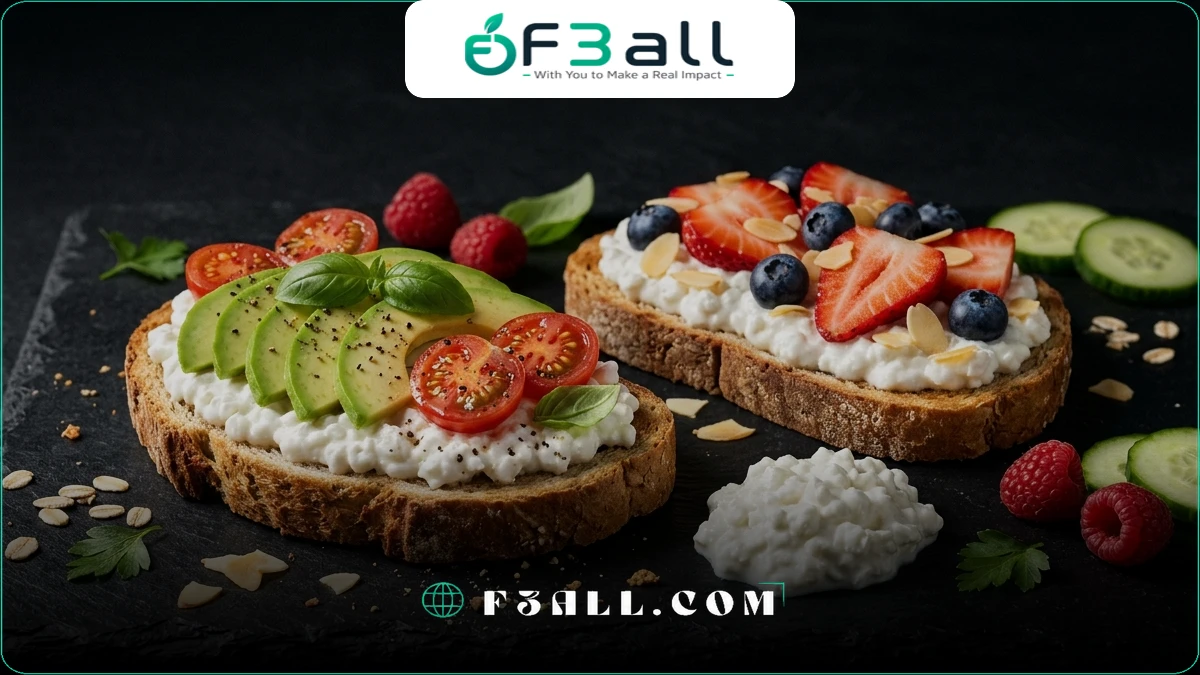
Yes, cottage cheese can support a weight-loss eating plan, particularly when it replaces a less nutritious or more calorie-dense food.
Its primary advantage is its combination of protein, convenience, and relatively moderate calorie content.
However, no individual food automatically causes weight loss. Long-term changes in body weight depend on overall energy balance, nutritional adequacy, physical activity, and individual circumstances.
Cottage Cheese at a Glance
| Question | Practical Answer |
| Is cottage cheese low in calories? | Many low-fat varieties are relatively low in calories |
| Is cottage cheese high in protein? | Yes, compared with many snack foods |
| Does cottage cheese contain carbohydrates? | Yes, usually a small amount from lactose |
| Does cottage cheese contain fat? | Depends on the variety |
| Can it help with fullness? | Its protein may support satiety |
| Does it burn belly fat? | No food selectively burns abdominal fat |
| Is it suitable for breakfast? | Yes |
| Can it replace a meal? | It can be part of a balanced meal |
| Is it suitable before bed? | Yes, if appropriate for your needs |
| Can you eat it every day? | Often, but dietary variety and individual tolerance matter |
Why Protein Makes a Difference
Protein contributes to muscle maintenance and can help support fullness.
Cottage cheese contains dairy proteins, including casein, which is digested relatively slowly.
This can make it a convenient protein source between meals.
However, the effect on appetite varies, and consuming extra protein does not guarantee fat loss.
Why Food Substitution Matters
Consider two snack choices:
- A sweet pastry containing approximately 300 calories.
- A measured serving of low-fat cottage cheese with berries containing approximately 160–200 calories.
Replacing the pastry with the cottage cheese snack may reduce calorie intake while increasing protein.
That difference can be useful when it contributes to an appropriate overall energy deficit.
The practical advantage of cottage cheese is its ability to make balanced, protein-rich eating more convenient—not a unique ability to burn fat.
Cottage Cheese is Good Calories for Weight Loss – Comparing Different Types
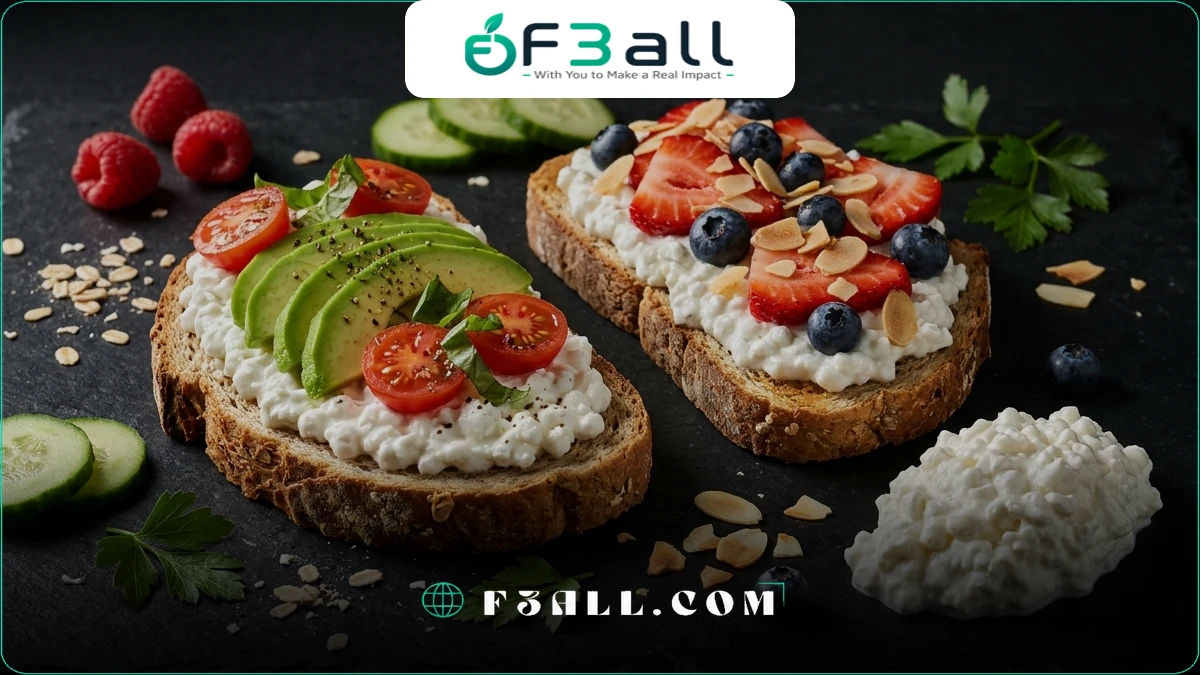
Cottage Cheese is Good Calories for Weight Loss searches often focus on whether full-fat, low-fat, or fat-free varieties provide the most suitable nutritional profile.
The answer depends on the product and your dietary requirements.
Calories and Protein by Cottage Cheese Type
| Cottage Cheese Type | Serving | Approx. Calories | Approx. Protein |
| Fat-Free Cottage Cheese | 100 g | 65–85 | 11–13 g |
| 1% Cottage Cheese | 100 g | 70–90 | 11–13 g |
| 2% Cottage Cheese | 100 g | 80–100 | 11–13 g |
| 4% Cottage Cheese | 100 g | 95–120 | 10–13 g |
| Reduced-Sodium Cottage Cheese | 100 g | Varies | 10–13 g |
| Lactose-Free Cottage Cheese | 100 g | Varies | 10–13 g |
These are approximate ranges. Exact values vary by manufacturer, ingredients, moisture content, and serving definition.
Is Low-Fat Cottage Cheese Better?
Low-fat varieties generally provide fewer calories than full-fat alternatives when compared by equal weight.
However, full-fat cottage cheese may be more satisfying for some people because of its richer texture.
The best choice is one that fits your energy needs and is enjoyable enough to eat consistently.
Does Fat-Free Cottage Cheese Have More Protein?
Not necessarily.
Protein content varies by product, so comparing nutrition labels is more useful than assuming one fat percentage always provides more protein.
How Toppings Change Calories
| Cottage Cheese Combination | Approx. Calories |
| 100 g Low-Fat Cottage Cheese | 80–100 |
| Cottage Cheese + 100 g Strawberries | 110–135 |
| Cottage Cheese + 1 Small Apple | 150–180 |
| Cottage Cheese + 15 g Walnuts | 180–205 |
| Cottage Cheese + 1 Tbsp Honey | 145–165 |
| Cottage Cheese + 30 g Granola | 200–250 |
These estimates illustrate why toppings matter.
Honey, granola, nuts, and nut butter can be included in a balanced diet, but they contribute additional calories.
Is Cottage Cheese Lower in Calories Than Regular Cheese?
Often, yes, when comparing equal weights.
Hard cheeses such as cheddar and Parmesan contain less water and generally provide more calories per 100 grams.
Compare calories per 100 grams, protein content, and serving size before choosing a cottage cheese product.
Cottage Cheese is Good Nutrition for Weight Loss – Protein, Carbs, Fat, and Minerals
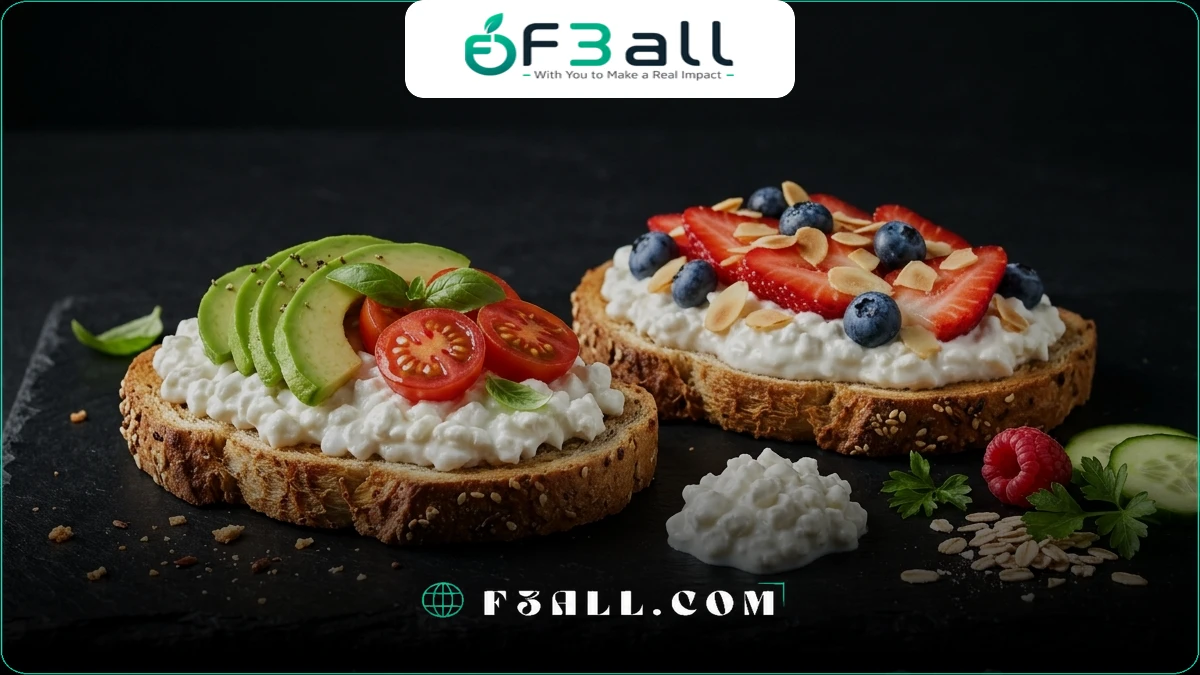
Cottage Cheese is Good Nutrition for Weight Loss because it contributes several nutrients in addition to protein.
Its exact nutritional composition depends on the milk used and how the product is manufactured.
Approximate Nutrition in 100 g of Low-Fat Cottage Cheese
| Nutrient | Typical Amount |
| Calories | 80–100 kcal |
| Protein | 11–13 g |
| Carbohydrates | 3–5 g |
| Total Fat | 1–3 g |
| Fiber | 0 g |
| Calcium | Varies by product |
| Phosphorus | Present |
| Vitamin B12 | Present |
| Sodium | Often substantial; varies widely |
Protein
Cottage cheese is a convenient source of complete dairy protein.
Complete proteins provide all nine essential amino acids.
Protein supports:
- Muscle maintenance.
- Tissue repair.
- Normal body functions.
- Exercise recovery.
- Nutritional adequacy.
Calcium
Calcium contributes to normal bone and muscle function.
However, cottage cheese calcium levels vary, and some other dairy products may provide more calcium per serving.
Phosphorus
Phosphorus contributes to bone health and normal cellular functions.
Vitamin B12
Vitamin B12 supports normal nerve function and red blood cell formation.
Carbohydrates
Most plain cottage cheese contains a relatively small amount of carbohydrates, primarily from lactose.
Dietary Fat
Fat content depends on whether the product is fat-free, reduced-fat, or full-fat.
Sodium
Sodium deserves attention because cottage cheese can contain considerable amounts.
Some products provide several hundred milligrams of sodium in a relatively small serving.
People managing hypertension or following sodium-restricted diets should compare labels carefully.
Nutrition Comparison by Food Group
| Food | Protein | Fiber | Main Nutritional Feature |
| Cottage Cheese | High | None | Dairy protein |
| Greek Yogurt | High | Usually none | Protein and calcium |
| Eggs | High | None | Protein and choline |
| Lentils | Moderate | High | Plant protein and fiber |
| Chicken Breast | High | None | Lean protein |
| Tofu | Moderate to high | Varies | Plant protein |
| Almonds | Moderate | Present | Unsaturated fat and minerals |
Cottage cheese is a useful protein food, but it becomes more nutritionally complete when paired with fruit, vegetables, or whole grains.
Read more about: Best Cottage Cheese for Weight Loss | Compare Top Picks
Cottage Cheese is Good Benefits for Weight Loss – Seven Practical Advantages
The benefits of cottage cheese are most relevant when the food is used as part of a balanced eating pattern.
1. Convenient Protein Source
Cottage cheese requires no cooking.
It can be served directly from the refrigerator, making it practical for busy mornings and quick snacks.
2. May Help Support Fullness
Protein can contribute to satiety.
A serving of cottage cheese with fruit may feel more satisfying than a snack made primarily from refined carbohydrates.
However, appetite responses differ between individuals.
3. Supports Muscle Maintenance
Adequate dietary protein is important during weight reduction.
Combining protein intake with resistance training can help preserve lean muscle.
4. Easy Portion Control
Cottage cheese can be measured using a kitchen scale or measuring cup.
This makes it convenient for people monitoring calorie intake.
5. Suitable for Sweet and Savory Meals
Its mild flavor works with:
- Strawberries.
- Blueberries.
- Apples.
- Tomatoes.
- Cucumbers.
- Spinach.
- Herbs.
- Whole-grain bread.
6. Useful for Meal Preparation
Cottage cheese can be divided into individual containers and paired with fresh ingredients when needed.
7. Can Replace Higher-Calorie Ingredients
Blended cottage cheese can provide a creamy texture in certain recipes without requiring as much cream or other calorie-dense ingredients.
Benefits Compared With Limitations
| Potential Benefit | Why It Matters | Important Limitation |
| High Protein | Supports muscle maintenance | Does not directly burn fat |
| Moderate Calories | Helps with meal planning | Depends on variety |
| Convenience | Requires little preparation | Must be refrigerated |
| Versatility | Works in many recipes | Toppings add calories |
| Satiety | May help manage hunger | Individual responses vary |
| Dairy Nutrients | Provides useful micronutrients | Nutrient content varies |
| Easy Portioning | Supports consistency | Large servings still add calories |
The most useful benefits come from replacing less suitable foods, improving protein intake, and creating meals that are easy to maintain.
Cottage Cheese is Good Serving Size for Weight Loss – Finding Your Portion
Cottage Cheese is Good Serving Size for Weight Loss depends on whether it is being eaten as a snack, breakfast component, or main-meal protein source.
A half-cup serving is a practical starting point for many adults, but it is not a universal recommendation.
Portion Size Comparison
| Portion | Approx. Weight | Approx. Calories | Approx. Protein |
| ¼ Cup | 55–60 g | 45–60 | 6–8 g |
| ⅓ Cup | 75–80 g | 60–80 | 8–10 g |
| ½ Cup | 110–115 g | 90–115 | 12–15 g |
| ¾ Cup | 165–170 g | 135–170 | 18–22 g |
| 1 Cup | 220–230 g | 180–230 | 24–30 g |
Estimated using typical low-fat cottage cheese. Always check the specific product label.
Cottage Cheese as a Snack
A half-cup portion paired with berries or cucumber may provide a useful protein-rich snack.
Cottage Cheese for Breakfast
A larger serving can be combined with oats, fruit, or whole-grain toast.
Cottage Cheese for Lunch
Cottage cheese can accompany a vegetable salad, whole grains, or a baked potato.
Cottage Cheese After Exercise
The portion should reflect total daily protein needs rather than a fixed post-workout rule.
Example Portion Planning
| Meal Purpose | Cottage Cheese Portion | Suggested Pairing |
| Light Snack | ½ Cup | Cucumber |
| Fruit Snack | ½ Cup | Strawberries |
| Breakfast | ¾ Cup | Oats and Berries |
| Lunch | ¾–1 Cup | Salad and Whole Grains |
| Post-Workout Meal | Based on Protein Needs | Fruit or Toast |
| Dessert | ½ Cup | Cocoa and Cinnamon |
Can You Eat Too Much Cottage Cheese?
Eating very large quantities can displace other foods, increase sodium intake, or cause digestive discomfort.
More protein is not always better.
Should You Measure Cottage Cheese by Weight?
Using grams is helpful when comparing nutrition labels or recipes.
Measuring cups are convenient but less precise because curd size and moisture affect volume.
Choose a portion that fits the meal and your overall nutritional needs rather than automatically selecting the largest serving.
Cottage Cheese is Good Recipes for Weight Loss – Eight Easy Ideas
Cottage Cheese is Good Recipes for Weight Loss because its mild taste works in many different meals.
The following recipes emphasize protein, portion control, and accessible ingredients.
Nutritional estimates are approximate.
Recipe 1 – Strawberry Cottage Cheese Breakfast Bowl
Ingredients
- 150 g low-fat cottage cheese.
- 100 g strawberries.
- 20 g rolled oats.
- 5 g chia seeds.
- Cinnamon.
Instructions
- Add cottage cheese to a bowl.
- Slice the strawberries.
- Sprinkle oats over the cottage cheese.
- Add chia seeds.
- Finish with cinnamon.
- Serve immediately.
Estimated nutrition per serving
| Calories | Protein | Carbs |
| 265 | 23 g | 29 g |
This breakfast combines dairy protein with fruit and whole grains.
Recipe 2 – Savory Cottage Cheese and Cucumber Salad
Ingredients
- 150 g low-fat cottage cheese.
- 100 g cucumber.
- 100 g tomatoes.
- Fresh dill.
- Lemon juice.
- Black pepper.
Instructions
- Chop cucumber and tomatoes.
- Place cottage cheese in a serving bowl.
- Add vegetables.
- Season with lemon juice and dill.
- Sprinkle with black pepper.
- Serve chilled.
Estimated nutrition per serving
| Calories | Protein | Carbs |
| 170 | 20 g | 13 g |
This is a convenient light meal component or substantial snack.
Recipe 3 – Cottage Cheese Avocado Toast
Ingredients
- 1 slice whole-grain bread.
- 100 g low-fat cottage cheese.
- 30 g avocado.
- Tomato slices.
- Black pepper.
Instructions
- Toast the bread.
- Spread cottage cheese over the toast.
- Add sliced avocado.
- Top with tomato.
- Season with black pepper.
Estimated nutrition per serving
| Calories | Protein | Carbs |
| 235 | 17 g | 21 g |
The combination provides protein, carbohydrates, and unsaturated fat.
Recipe 4 – Cottage Cheese Protein Pancakes
Ingredients
- 100 g cottage cheese.
- 1 large egg.
- 30 g rolled oats.
- ¼ teaspoon baking powder.
- Cinnamon.
- A small amount of oil for the pan if necessary.
Instructions
- Blend cottage cheese, egg, and oats.
- Add baking powder and cinnamon.
- Heat a nonstick pan.
- Pour small portions of batter.
- Cook until set, then turn carefully.
- Cook the second side until the pancakes are fully cooked.
Estimated nutrition per recipe
| Calories | Protein | Carbs |
| 285–320 | 22 g | 26 g |
The calorie estimate depends on the cottage cheese and any cooking oil.
Recipe 5 – Creamy Cottage Cheese Pasta Sauce
Ingredients
- 100 g cottage cheese.
- 100 g cooked whole-wheat pasta.
- 50 g spinach.
- 1 garlic clove.
- 1 teaspoon olive oil.
- Black pepper.
Instructions
- Cook pasta according to package directions.
- Blend cottage cheese with a little warm water until smooth.
- Heat olive oil and gently cook garlic.
- Add spinach.
- Reduce the heat and stir in the cottage cheese mixture.
- Combine with pasta and serve.
Estimated nutrition per serving
| Calories | Protein | Carbs |
| 320–350 | 20 g | 36 g |
Avoid boiling the cottage cheese sauce aggressively, as it may separate.
Recipe 6 – Chocolate Cottage Cheese Dessert
Ingredients
- 150 g low-fat cottage cheese.
- 1 teaspoon unsweetened cocoa powder.
- 50 g banana.
- Vanilla extract.
- Cinnamon.
Instructions
- Add cottage cheese to a blender.
- Add banana and cocoa.
- Blend until smooth.
- Add a little vanilla.
- Refrigerate briefly if desired.
- Serve chilled.
Estimated nutrition per serving
| Calories | Protein | Carbs |
| 185–205 | 19 g | 20 g |
The banana provides sweetness without requiring added sugar.
Recipe 7 – Baked Potato With Cottage Cheese
Ingredients
- 150 g baked potato.
- 120 g low-fat cottage cheese.
- Fresh chives.
- 100 g broccoli.
- Black pepper.
Instructions
- Bake the potato until tender.
- Steam the broccoli.
- Cut open the potato.
- Add cottage cheese.
- Sprinkle with chives and pepper.
- Serve with broccoli.
Estimated nutrition per serving
| Calories | Protein | Carbs |
| 285–310 | 19 g | 42 g |
This recipe combines protein, starchy vegetables, and non-starchy vegetables.
Recipe 8 – Cottage Cheese Berry Smoothie
Ingredients
- 120 g low-fat cottage cheese.
- 100 g mixed berries.
- 150 ml unsweetened almond milk.
- Ice cubes.
- Cinnamon.
Instructions
- Add all ingredients to a blender.
- Blend until smooth.
- Add water if a thinner texture is preferred.
- Serve immediately.
Estimated nutrition per serving
| Calories | Protein | Carbs |
| 170–195 | 17 g | 16 g |
For more variations, explore <Link url=”https://f3all.com/cottage-cheese-recipes-for-weight-loss/” title=”Cottage Cheese Recipes for Weight Loss”/> and <Link url=”https://f3all.com/weight-loss-smoothie/” title=”Weight Loss Smoothie”/>.
Recipe Comparison
| Recipe | Approx. Calories | Main Advantage |
| Strawberry Breakfast Bowl | 265 | Protein and whole grains |
| Cucumber Salad | 170 | Vegetables and protein |
| Avocado Toast | 235 | Balanced snack |
| Protein Pancakes | 285–320 | Filling breakfast |
| Cottage Cheese Pasta | 320–350 | Creamy main meal |
| Chocolate Dessert | 185–205 | Sweet alternative |
| Baked Potato | 285–310 | Balanced lunch |
| Berry Smoothie | 170–195 | Convenient blended option |
Homemade recipes make it easier to manage cottage cheese portions while enjoying different flavors and textures.
Cottage Cheese is Good Diet Plan – A Seven-Day Balanced Menu
A Cottage Cheese is Good Diet Plan should include more than dairy products.
The purpose is to use cottage cheese as one convenient protein source while maintaining vegetables, fruit, whole grains, healthy fats, and other protein-rich foods.
Seven-Day Cottage Cheese Meal Plan
| Day | Breakfast | Lunch | Dinner | Snack |
| Monday | Cottage Cheese With Berries and Oats | Chicken Rice Bowl | Salmon and Vegetables | Apple |
| Tuesday | Eggs and Whole-Grain Toast | Lentil Soup | Turkey and Sweet Potato | Cottage Cheese With Cucumber |
| Wednesday | Cottage Cheese Pancakes | Chickpea Salad | Fish and Brown Rice | Orange |
| Thursday | Greek Yogurt With Fruit | Cottage Cheese Avocado Toast | Chicken and Quinoa | Almonds |
| Friday | Oatmeal and Eggs | Tuna Salad | Cottage Cheese Pasta | Strawberries |
| Saturday | Cottage Cheese Smoothie | Chicken and Vegetable Wrap | Tofu With Rice | Apple |
| Sunday | Vegetable Omelet | Lentil and Quinoa Bowl | Salmon and Broccoli | Chocolate Cottage Cheese Dessert |
How to Use This Plan
The table provides meal ideas rather than fixed calorie or protein prescriptions.
Adjust portions according to:
- Age and activity level.
- Energy requirements.
- Medical conditions.
- Food allergies.
- Dietary preferences.
- Appetite.
- Individual weight-management goals.
Why Cottage Cheese Is Not Included in Every Meal
Eating the same protein source repeatedly can limit dietary variety.
Other foods provide different nutrients.
Fish, eggs, legumes, tofu, poultry, and yogurt can all contribute to a balanced eating pattern.
Meal Prep Suggestions
Prepare vegetables, fruit, grains, and cooked proteins separately.
Keep cottage cheese refrigerated and add it when assembling meals.
Example Shopping List
| Category | Foods |
| Dairy | Plain cottage cheese, Greek yogurt |
| Protein | Eggs, chicken, fish, tofu |
| Fruit | Berries, apples, bananas |
| Vegetables | Cucumber, spinach, broccoli, tomatoes |
| Whole Grains | Oats, brown rice, whole-grain bread |
| Legumes | Lentils, chickpeas |
| Healthy Fats | Olive oil, avocado, nuts |
| Flavorings | Cinnamon, lemon, herbs, cocoa |
Is a Cottage Cheese-Only Diet Recommended?
No.
A restrictive diet centered almost entirely on cottage cheese may provide inadequate fiber and limited nutritional variety.
A balanced eating pattern is more appropriate.
For additional meal ideas, explore <Link url=”https://f3all.com/easy-weight-loss-recipes/” title=”Easy Weight Loss Recipes”/>.
The most practical cottage cheese diet plan uses the food selectively while keeping meals varied and nutritionally balanced.
Read more about: Is Cheese Good for Weight Loss | Best Choices
Cottage Cheese is Good Best Time to Eat – Breakfast, Dinner, or Before Bed?
Cottage Cheese is Good Best Time to Eat is a common search because people want to know whether meal timing changes weight-loss results.
There is no established time of day when cottage cheese produces greater fat loss.
However, different times may offer practical advantages.
Cottage Cheese for Breakfast
Cottage cheese can add protein to breakfast.
Pairing it with fruit, oats, or whole-grain toast creates a more complete meal.
Cottage Cheese as an Afternoon Snack
A measured serving may help manage hunger between lunch and dinner.
Cottage Cheese After Exercise
Cottage cheese provides protein that can contribute to muscle recovery.
Carbohydrate-rich foods may also be useful after demanding exercise.
Cottage Cheese at Dinner
It can be used in salads, baked potatoes, vegetable bowls, or pasta sauces.
Cottage Cheese Before Bed
Cottage cheese contains casein, a dairy protein that digests relatively slowly.
Research has examined pre-sleep protein intake in relation to overnight muscle protein synthesis.
However, eating cottage cheese before bed does not automatically cause weight loss or increase nighttime fat burning.
Timing Comparison
| Time | Suggested Serving | Main Purpose |
| Breakfast | Cottage Cheese With Oats | Protein-rich meal |
| Midmorning | Cottage Cheese With Fruit | Convenient snack |
| Lunch | Cottage Cheese Salad | Balanced meal component |
| After Exercise | Cottage Cheese With Banana | Protein and carbohydrates |
| Dinner | Cottage Cheese Pasta Sauce | Protein-rich meal |
| Before Bed | Small Measured Portion | Optional evening protein |
Is It Better to Eat Cottage Cheese Before or After Exercise?
Either can fit into a balanced routine.
Total daily protein intake and overall nutrition generally matter more than a narrowly defined eating window.
Can Cottage Cheese at Night Cause Weight Gain?
Eating at night does not automatically cause weight gain.
Overall energy intake and dietary patterns are more important.
Should You Eat Cottage Cheese Every Night?
Not necessarily.
It is an option, not a requirement.
Choose the eating time that fits your appetite, daily routine, and nutritional needs rather than following rigid fat-burning claims.
Cottage Cheese is Good for Belly Fat – Does It Reduce Abdominal Fat?
Cottage Cheese is Good for Belly Fat is a popular phrase, but it is important to distinguish overall weight management from targeted fat reduction.
No individual food has been shown to selectively remove abdominal fat.
Understanding Abdominal Fat
Abdominal fat includes two main categories:
- Subcutaneous fat: Located beneath the skin.
- Visceral fat: Located around internal organs.
Excess visceral fat is associated with increased cardiometabolic risk.
Does Cottage Cheese Burn Belly Fat?
No.
Cottage cheese contains protein and other nutrients, but it does not have a special mechanism that selectively removes belly fat.
Can Protein Help During Fat Loss?
Adequate protein may help preserve lean muscle during weight reduction.
This can support body composition when combined with appropriate exercise and nutrition.
Does Eating Cottage Cheese Before Bed Burn Belly Fat?
No evidence establishes that cottage cheese eaten before bed selectively reduces abdominal fat.
Belly-Fat Claims Compared
| Claim | Evidence-Based Assessment |
| Cottage Cheese Melts Belly Fat | Unsupported |
| Cottage Cheese Burns Fat While Sleeping | Unsupported |
| Protein Supports Muscle Maintenance | Yes |
| Cottage Cheese Can Fit a Calorie Deficit | Yes |
| Low-Fat Cottage Cheese Is Always Best | Depends on individual needs |
| Overall Weight Loss May Reduce Abdominal Fat | Yes |
| One Food Can Target Visceral Fat | Not established |
What Supports Healthier Body Composition?
Practical approaches include:
- Appropriate overall energy intake.
- Adequate protein.
- Regular aerobic exercise.
- Resistance training.
- Balanced meals.
- Sufficient sleep.
- Management of relevant medical conditions.
Cottage cheese can contribute to a nutritious weight-management plan, but abdominal-fat reduction depends on broader factors.
Cottage Cheese is Good vs Alternatives for Weight Loss – Which Protein Food Is Better?
Cottage Cheese is Good vs Alternatives for Weight Loss involves comparing protein, calories, convenience, and nutritional value.
No single protein source is universally superior.
Cottage Cheese vs Greek Yogurt
Both can provide substantial protein.
Greek yogurt often has a smoother texture and may contain less sodium, depending on the product.
Cottage cheese has a curd-like texture and works particularly well in savory meals.
Cottage Cheese vs Eggs
Eggs provide protein, fat, and choline.
Cottage cheese can provide more protein per calorie than whole eggs in some comparisons.
However, both are useful foods.
Cottage Cheese vs Ricotta
Ricotta generally has a different texture and often contains more calories per 100 grams, depending on the variety.
Cottage Cheese vs Chicken Breast
Chicken breast is a lean protein source.
Cottage cheese is convenient because it requires no cooking.
Cottage Cheese vs Tofu
Tofu is a plant-based alternative.
Its nutritional profile varies according to firmness and manufacturing method.
Protein Food Comparison
| Food | Typical Portion | Approx. Calories | Approx. Protein |
| Low-Fat Cottage Cheese | 100 g | 80–100 | 11–13 g |
| Plain Nonfat Greek Yogurt | 100 g | 55–70 | 9–11 g |
| Whole Eggs | 2 Large | 140–155 | 12–13 g |
| Part-Skim Ricotta | 100 g | 130–160 | 10–12 g |
| Cooked Chicken Breast | 100 g | 160–170 | 30–32 g |
| Firm Tofu | 100 g | 80–150 | 9–17 g |
| Cooked Lentils | 100 g | 115–120 | 9 g |
Values are approximate and depend on product composition and preparation.
Which Food Is Best for Breakfast?
Cottage cheese, Greek yogurt, and eggs are all practical options.
Which Is Best for Meal Prep?
Cottage cheese and yogurt are convenient for cold meals.
Cooked chicken, tofu, and lentils are useful for prepared lunches and dinners.
Which Is Best for a Dairy-Free Diet?
Tofu, lentils, beans, eggs, poultry, and fish can provide protein without dairy.
Which Is Best for Lower Sodium?
Compare individual product labels.
Some cottage cheese varieties contain considerably more sodium than plain yogurt.
For additional snack comparisons, explore <Link url=”https://f3all.com/high-protein-snacks-weight-loss/” title=”High Protein Snacks for Weight Loss”/>.
Choose protein foods according to the complete meal, nutritional needs, and personal preferences rather than relying on one food every day.
Cottage Cheese is Good Weight Loss Results – What to Expect in 7, 30, and 90 Days
Cottage Cheese is Good Weight Loss Results depend on whether including the food changes overall dietary intake.
Replacing a high-calorie snack with a measured cottage cheese serving may reduce calories.
Simply adding cottage cheese to an unchanged diet may increase total calorie intake instead.
Results After Seven Days
Possible changes include:
- Better awareness of protein portions.
- More consistent meal preparation.
- Reduced reliance on some high-calorie snacks.
- Improved dietary variety when paired with fruit and vegetables.
There is no guaranteed amount of weight loss.
Results After 30 Days
If cottage cheese substitutions contribute to a sustained energy deficit, weight loss may occur.
The amount depends on the entire eating pattern and other factors.
Results After 90 Days
Long-term improvements may include more consistent protein intake, better meal planning, and progress toward individual health goals.
Results vary.
Illustrative Snack Substitution
Suppose someone regularly eats a 320-calorie snack.
They replace it with a cottage cheese and berry snack containing approximately 170 calories.
The difference is:
320 − 170 = 150 calories
| Period | Illustrative Reduction in Snack Calories |
| 1 Day | 150 |
| 7 Days | 1,050 |
| 14 Days | 2,100 |
| 30 Days | 4,500 |
| 90 Days | 13,500 |
These calculations represent potential reductions in snack calories, not predictions of body-fat loss.
Actual weight changes depend on total energy intake, expenditure, metabolic adaptation, and individual circumstances.
Can You Lose Weight Without Cottage Cheese?
Absolutely.
Many other protein-rich foods can support a balanced weight-loss diet.
Do Cottage Cheese Before-and-After Photos Prove Results?
No.
Photos cannot isolate the effects of cottage cheese from other dietary changes, physical activity, medications, or differences in lighting and posture.
What Should You Track?
| Metric | Why It Matters |
| Protein Intake | Supports nutritional adequacy |
| Portion Sizes | Helps manage energy intake |
| Total Calories | Relevant to weight changes |
| Dietary Fiber | Supports digestive health |
| Sodium | Important for some health conditions |
| Exercise | Supports fitness |
| Sleep | Supports general health |
| Weight Trends, if Appropriate | Evaluates longer-term changes |
Realistic results depend on consistent eating habits rather than a fixed number of cottage cheese servings.
Read more about: Best Weight Loss Tea | Explore Recipes and Key Benefits
How to Choose the Best Cottage Cheese at the Grocery Store
Selecting a suitable cottage cheese product requires more than choosing the lowest-calorie container.
Nutrition labels provide important information about protein, sodium, fat, and serving size.
What to Check on the Label
| Label Detail | Why It Matters |
| Serving Size | Determines the basis of nutrition values |
| Calories | Helps compare energy content |
| Protein | Indicates protein contribution |
| Total Fat | Differentiates varieties |
| Saturated Fat | Relevant to dietary fat choices |
| Sodium | Can vary substantially |
| Added Sugar | Important in flavored products |
| Ingredients | Identifies additives and allergens |
Low-Fat vs Full-Fat
Low-fat cottage cheese may be useful when reducing calorie intake.
Full-fat varieties can also fit into a balanced diet when portions are appropriate.
Plain vs Flavored
Plain cottage cheese generally provides more control over added sugar.
Flavored varieties should be compared using their nutrition labels.
Regular vs Reduced-Sodium
Reduced-sodium cottage cheese may be preferable for people limiting sodium intake.
However, exact values vary.
Large Curd vs Small Curd
Curd size primarily affects texture and personal preference.
It does not establish superior weight-loss benefits.
Lactose-Free Cottage Cheese
Lactose-free products may be suitable for some people with lactose intolerance.
They are not appropriate for people with a milk-protein allergy unless specifically medically advised.
Shopping Checklist
- Compare equal serving weights.
- Check protein per serving.
- Review sodium.
- Consider total and saturated fat.
- Check added sugar.
- Select a texture you enjoy.
- Review the expiration date.
- Follow refrigeration instructions.
The best cottage cheese is one that fits your nutritional requirements, tastes good, and is easy to use consistently.
Common Mistakes When Eating Cottage Cheese for Weight Loss
Even nutritious foods can become less useful when portions or preparation methods are overlooked.
Mistake 1 – Assuming Cottage Cheese Burns Fat
Cottage cheese does not directly burn stored body fat.
Better approach: Focus on total energy balance.
Mistake 2 – Eating Very Large Portions
Large servings contribute additional calories and sodium.
Better approach: Measure portions when helpful.
Mistake 3 – Adding Too Many Toppings
Granola, honey, nuts, and nut butter can substantially increase calories.
Better approach: Measure energy-dense toppings.
Mistake 4 – Ignoring Sodium
Some cottage cheese products contain considerable sodium.
Better approach: Compare labels and consider reduced-sodium varieties.
Mistake 5 – Replacing Every Meal
A cottage cheese-only diet lacks nutritional variety.
Better approach: Include multiple protein sources, fruit, vegetables, and whole grains.
Mistake 6 – Avoiding All Dietary Fat
Fat-free cottage cheese is not mandatory.
Better approach: Choose a suitable product based on the complete diet.
Mistake 7 – Ignoring Lactose Tolerance
Some people experience digestive symptoms after eating dairy.
Better approach: Consider lactose-free products or appropriate alternatives.
Mistake 8 – Expecting Immediate Weight Loss
One food cannot guarantee rapid results.
Better approach: Evaluate sustainable habits over time.
Mistake Comparison
| Mistake | Better Strategy |
| Fat-Burning Expectations | Use Realistic Evidence |
| Oversized Portions | Measure Servings |
| Excess Toppings | Track Additions |
| High Sodium | Compare Labels |
| Replacing Every Meal | Maintain Variety |
| Avoiding All Fat | Consider Total Diet |
| Ignoring Intolerance | Choose Suitable Alternatives |
| Expecting Rapid Results | Focus on Consistency |
Avoiding these mistakes helps cottage cheese remain a practical part of balanced nutrition.
Cottage Cheese Meal Prep and Storage Tips
Cottage cheese is convenient for meal preparation because it requires little preparation.
However, it is a perishable dairy product and must be handled appropriately.
Keep Cottage Cheese Refrigerated
Store cottage cheese according to the manufacturer’s instructions and maintain safe refrigerator temperatures.
Use Clean Utensils
Avoid introducing contamination by repeatedly dipping used utensils into the container.
Prepare Fruit and Vegetables Separately
Keeping toppings separate can preserve texture and freshness.
Portion Individual Servings
Small food-safe containers can make meal planning more convenient.
Check Storage Instructions
Follow the package’s use-by date and any instructions for consuming the product after opening.
Avoid Leaving Cottage Cheese at Room Temperature
Refrigerate promptly and follow food-safety guidance for perishable foods.
Meal Prep Ideas
| Preparation | Cottage Cheese Use | Additional Ingredients |
| Breakfast Containers | Protein Base | Berries and Oats |
| Vegetable Snack Boxes | Savory Dip | Cucumber and Carrots |
| Lunch Bowls | Protein Component | Quinoa and Vegetables |
| Toast Preparation | Spread | Tomatoes and Herbs |
| Smoothie Ingredients | Creamy Base | Fruit and Milk |
| Dessert Cups | Blended Protein | Cocoa and Cinnamon |
Can You Freeze Cottage Cheese?
Freezing may change its texture.
Previously frozen cottage cheese may work better in cooked or blended recipes than as a fresh topping.
Can You Prepare Cottage Cheese Smoothies Ahead?
Fresh preparation often provides the best texture.
If preparing ahead, follow appropriate refrigeration and food-safety practices.
Simple meal preparation makes cottage cheese convenient while helping maintain freshness and consistent portions.
Why F3all Is Your Best Choice

At F3all, our Cottage Cheese is Good for Weight Loss guide focuses on practical nutrition, useful food comparisons, and sustainable eating habits.
We help readers understand how cottage cheese fits into balanced meals without relying on exaggerated fat-burning claims.
- Calorie Comparisons: Understand the differences between low-fat, fat-free, and full-fat cottage cheese.
- Protein Information: Learn how cottage cheese contributes to daily nutrition.
- Serving Size Guidance: Compare practical portions for snacks and meals.
- Homemade Recipes: Discover sweet and savory meal ideas.
- Seven-Day Planning: Build variety into your weekly menu.
- Food Alternatives: Compare cottage cheese with yogurt, eggs, tofu, and other protein sources.
- Realistic Results: Understand what protein-rich foods can and cannot achieve.
- Shopping Guidance: Compare sodium, fat, calories, and ingredients.
Explore more practical nutrition and weight-management resources through F3all.
F3all helps readers make informed food choices based on nutritional value, portion awareness, and everyday practicality.
Frequently Asked Questions
Is Cottage Cheese Good for Weight Loss?
Yes. Cottage cheese can support weight management because it provides protein for relatively moderate calories. However, weight loss depends on overall energy balance and other individual factors.
How Many Calories Are in Cottage Cheese?
A typical 100-gram serving of low-fat cottage cheese contains approximately 80–100 calories. Exact values depend on the brand and fat content.
How Much Cottage Cheese Should I Eat for Weight Loss?
A half-cup serving is a practical starting point for many people, but the appropriate amount depends on energy needs, protein requirements, and the rest of the meal.
Is Low-Fat Cottage Cheese Better Than Full-Fat for Weight Loss?
Low-fat varieties generally contain fewer calories, but full-fat cottage cheese can also fit into a balanced diet. Portion size and personal preference matter.
Can Cottage Cheese Burn Belly Fat?
No. Cottage cheese does not selectively burn abdominal fat. Overall dietary habits, physical activity, and other factors influence body composition.
Is Cottage Cheese Good to Eat Before Bed?
Cottage cheese can be eaten before bed if it fits your nutritional needs. Its casein protein may contribute to overnight protein availability, but it does not guarantee weight loss.
Can I Eat Cottage Cheese Every Day?
Many people can include cottage cheese regularly. However, dietary variety, sodium intake, dairy tolerance, and individual medical needs should be considered.
Is Cottage Cheese Better Than Greek Yogurt for Weight Loss?
Neither is universally superior. Both can provide substantial protein, while calories, sodium, fat, and added sugar vary by product.
Can Cottage Cheese Replace a Meal?
Cottage cheese can be part of a balanced meal, but eating it alone may not provide sufficient fiber, carbohydrates, healthy fats, or nutritional variety.
How Much Weight Can I Lose in 30 Days by Eating Cottage Cheese?
There is no guaranteed amount. Weight changes depend on total calorie intake, physical activity, health conditions, medications, and other individual factors.
In the End
Cottage Cheese is Good for Weight Loss when it helps create satisfying, protein-rich meals that fit an appropriate overall eating pattern.
Low-fat cottage cheese can provide substantial protein for relatively modest calories, while full-fat varieties may also be suitable in measured portions. Its versatility makes it useful for breakfast bowls, vegetable salads, smoothies, toast, pasta sauces, and snacks.
However, cottage cheese does not directly burn belly fat or guarantee rapid weight loss.
For sustainable progress, choose appropriate portions, compare nutrition labels, include fiber-rich foods, and maintain variety across protein sources.
Enjoy cottage cheese as a convenient part of balanced nutrition, and focus on consistent habits rather than relying on one food to produce weight-loss results.
References