Weight Loss for PCOS: Start a Smarter Plan Today | F3all
Living with polycystic ovary syndrome can make weight management feel confusing, but progress is still possible with a realistic strategy. Weight Loss for PCOS does not depend on starving yourself, avoiding every carbohydrate, or following an exhausting workout plan. It comes from balanced nutrition, consistent movement, better sleep, and suitable medical support. This guide explains how Weight Loss for PCOS can become simpler, healthier, and easier to maintain over time.
Weight Loss for PCOS: Start with a Plan You Can Maintain

Weight Loss for PCOS is a practical approach to reducing body fat while considering the hormonal and metabolic challenges associated with polycystic ovary syndrome. Instead of looking for a quick fix, it focuses on improving food quality, controlling portions, increasing activity, and building habits that still fit your life after the first few weeks.
The most effective Weight Loss for PCOS plan is not necessarily the strictest diet. It is the plan you can repeat without feeling constantly hungry, tired, or guilty. Your meals should provide enough protein, fiber, healthy fats, vitamins, and minerals while creating a moderate calorie deficit that supports gradual fat loss.
Readers who want to understand the wider principles of managing body weight can explore the Weight Loss section → on F3all.
Why Can Losing Weight Feel Harder with PCOS?

Many women find Weight Loss for PCOS more challenging because the condition may affect insulin function, appetite, energy, sleep, and menstrual regularity. These effects do not mean that the body is unable to lose fat, but they can make an unplanned or overly restrictive diet harder to follow.
Insulin resistance is common among women with PCOS. When the body becomes less responsive to insulin, the pancreas may produce more of it to help move glucose into the cells. This can be associated with stronger hunger, unstable energy, or difficulty regulating blood sugar in some women.
Weight Loss for PCOS may also be influenced by:
- Increased cravings or appetite changes.
- Irregular sleep and possible sleep apnea.
- Anxiety, stress, or low mood.
- Reduced daily activity because of fatigue.
- Highly restrictive diets followed by overeating.
- Medications or other health conditions.
- Unrealistic expectations created by social media.
Understanding these factors makes it easier to build a patient, structured plan instead of blaming yourself when progress is slower than expected.
Define What Successful Weight Loss Looks Like

Successful Weight Loss for PCOS should improve more than the number on the scale. Gradual progress may support energy, mobility, glucose control, fitness, confidence, and general well-being. Some women may also notice improvements in menstrual regularity or other symptoms, although results vary from one person to another.
Track several signs of progress:
- Your weekly average weight rather than one daily measurement.
- Waist measurement if you are comfortable tracking it.
- Hunger and satisfaction after meals.
- Walking time, strength, or workout performance.
- Sleep duration and morning energy.
- Menstrual-cycle changes.
- Blood pressure and clinician-requested laboratory results.
A realistic Weight Loss for PCOS target should be based on your current health, body size, medications, activity, and pregnancy plans. Avoid comparing your rate of progress with someone following a completely different routine.
Read more about:Discover Weight Loss and Hair Loss | F3all
Build a Balanced PCOS Diet Instead of Chasing Trends
Nutrition is central to Weight Loss for PCOS, but there is no single eating pattern that works best for every woman. A Mediterranean-style plan, a moderate lower-carbohydrate diet, or another balanced approach may all be useful when they improve food quality and help maintain a suitable calorie intake.
You can compare different approaches through the Types of Diets section → without assuming that one popular diet must suit everyone.
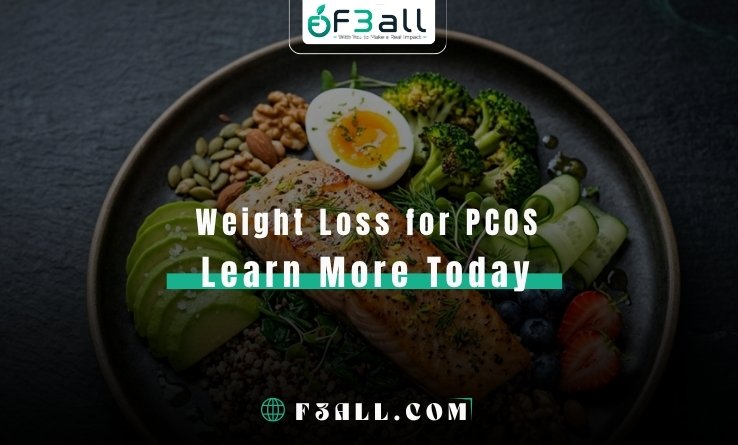
A practical meal can include:
- Half a plate of non-starchy vegetables.
- One quarter of the plate from protein.
- One quarter from a high-fiber carbohydrate.
- A moderate serving of healthy fat.
This structure makes Weight Loss for PCOS easier because it combines foods that provide satisfaction, steady energy, and useful nutrients. It also allows flexibility, so you can adapt meals to your culture, budget, and personal preferences.
| Meal component | Main benefit | Simple examples |
|---|---|---|
| Protein | Supports fullness and helps preserve muscle | Eggs, chicken, fish, yogurt, tofu, beans |
| Fiber-rich carbohydrates | Provide energy and support meal satisfaction | Oats, lentils, quinoa, fruit, whole grains |
| Vegetables | Add volume, fiber, vitamins, and minerals | Greens, peppers, cucumber, broccoli |
| Healthy fats | Improve satisfaction and provide essential fats | Olive oil, avocado, nuts, seeds |
For practical ideas that can be adjusted to your needs, browse Weight Loss Diet Plans →.
A Simple Daily Meal Plan for Weight Loss for PCOS
A useful Weight Loss for PCOS meal plan does not need complicated ingredients. It needs reliable meals that reduce random decisions and keep you satisfied throughout the day.
| Meal | Balanced example |
|---|---|
| Breakfast | Greek yogurt with berries, oats, and chia seeds |
| Morning snack | An apple with a small serving of peanut butter |
| Lunch | Grilled chicken, quinoa, vegetables, and olive oil dressing |
| Afternoon snack | Cottage cheese with cucumber or a small portion of nuts |
| Dinner | Baked fish, roasted vegetables, and brown rice or potatoes |
Portions should be adjusted to your energy needs. A very active woman may need more food than someone with a mostly sedentary routine. Pregnancy, breastfeeding, diabetes, kidney disease, and a history of disordered eating also require individualized advice.
Consistency makes Weight Loss for PCOS more manageable. Choose two breakfasts, two lunches, and three dinners that you enjoy, then rotate them during busy weeks. You can find additional meal inspiration in the Delicious Diet Recipes section →.
Manage Insulin Resistance Without Removing Every Carb
Weight Loss for PCOS does not require completely eliminating carbohydrates. Fruit, legumes, whole grains, dairy, and starchy vegetables can provide fiber, vitamins, minerals, and energy. The key is to choose suitable portions and combine carbohydrates with protein or healthy fats.
Useful strategies include:
- Pair toast with eggs instead of eating toast alone.
- Add Greek yogurt or nuts to fruit.
- Combine rice with chicken, fish, beans, and vegetables.
- Choose oats, lentils, and whole grains more often than refined snacks.
- Replace most sugary drinks with water or unsweetened alternatives.
- Take a short walk after meals when practical.
These habits can support Weight Loss for PCOS by improving meal satisfaction and making total calorie intake easier to control. They also avoid the unnecessary fear that eating one serving of rice, bread, or fruit will stop all progress.
Is a Low-Carb Diet Necessary for PCOS?
A lower-carbohydrate plan can support Weight Loss for PCOS for some women, particularly when it reduces sugary drinks, sweets, and heavily refined foods. However, “lower carb” does not have to mean no carbohydrates. It may simply mean choosing smaller portions and relying more on vegetables, legumes, protein, and minimally processed foods.
The right approach should match your preferences. If removing many foods makes you feel deprived and leads to repeated overeating, the plan is probably too restrictive. Weight Loss for PCOS depends on the overall pattern and calorie balance, not on following a diet label perfectly.
Create a Calorie Deficit Without Constant Hunger
A calorie deficit is necessary for fat loss, but successful Weight Loss for PCOS does not require extreme restriction. A moderate deficit is generally easier to maintain and less likely to leave you exhausted or obsessed with food.
Start with changes that reduce calories without making meals feel tiny:
- Add vegetables to increase meal volume.
- Include protein in every main meal.
- Measure oils, dressings, nuts, and nut butter.
- Replace high-calorie drinks with lower-calorie choices.
- Plan one satisfying snack if long gaps increase hunger.
- Eat slowly and pause before taking another serving.
- Keep favorite foods in controlled portions.
- Prepare food before busy workdays.
Weight Loss for PCOS becomes more sustainable when you can enjoy family meals and social occasions without treating one higher-calorie meal as failure.
Read more about:Discover Weight Loss and Hair Loss | F3all
Best Exercise for Weight Loss for PCOS
Exercise supports Weight Loss for PCOS by increasing energy expenditure, improving fitness, protecting muscle, and supporting insulin sensitivity. You do not need to perform intense workouts every day. A balanced combination of walking, cycling, swimming, resistance training, and enjoyable movement can work well.
Adults can gradually work toward 150 to 300 minutes of moderate aerobic activity each week, combined with muscle-strengthening exercise on at least two days. Beginners can start below this target and increase their activity as fitness improves.
| Day | Activity | Suggested duration |
|---|---|---|
| Monday | Brisk walking | 25–30 minutes |
| Tuesday | Full-body strength training | 30 minutes |
| Wednesday | Cycling or swimming | 25–35 minutes |
| Thursday | Gentle walking or mobility | 15–20 minutes |
| Friday | Full-body strength training | 30 minutes |
| Saturday | Longer walk or enjoyable sport | 35–45 minutes |
| Sunday | Rest and light movement | As comfortable |
Strength training is especially useful during Weight Loss for PCOS because it helps maintain lean muscle while body fat decreases. Squats to a chair, rows, step-ups, glute bridges, presses, and core exercises can form a simple beginner routine.
Increase Daily Movement Beyond Formal Workouts
Formal exercise is valuable, but Weight Loss for PCOS is also affected by how much you move throughout the rest of the day. Long periods of sitting can reduce total daily energy expenditure even when you complete one short workout.
Add movement through simple actions:
- Walk during phone calls.
- Use stairs when suitable.
- Take a short walk after lunch or dinner.
- Stand and stretch during work breaks.
- Park farther from the entrance.
- Complete household tasks at a comfortable pace.
- Choose active time with family or friends.
These small actions may appear simple, but their effect accumulates. Weight Loss for PCOS becomes easier when movement is part of normal life instead of something limited to the gym.
Sleep and Stress Can Influence Your Progress
Quality sleep supports Weight Loss for PCOS because it affects energy, appetite, recovery, and the ability to make planned food choices. Poor sleep does not automatically cause weight gain, but it can make consistent habits more difficult.
Try to:
- Maintain a regular sleep and wake time.
- Aim for seven to nine hours of sleep.
- Reduce bright screens close to bedtime.
- Limit caffeine late in the day.
- Keep the bedroom quiet, dark, and comfortable.
- Use a calm evening routine.
Stress management also belongs in a Weight Loss for PCOS plan. Walking, journaling, breathing exercises, time outdoors, or speaking with a mental-health professional can help reduce emotional pressure.
Seek medical advice if you snore loudly, wake up choking, experience morning headaches, or remain very sleepy during the day, as these can be signs of sleep apnea.
Read more about:Discover Weight Loss and Hair Loss | F3all
Choose Drinks That Support Your Goal
Liquid calories can quietly slow Weight Loss for PCOS because many drinks provide substantial sugar or fat without offering the same satisfaction as a complete meal. Sweetened coffee, soft drinks, juice, energy drinks, and oversized smoothies can add hundreds of calories to the day.
Better everyday choices include:
- Water.
- Sparkling water without added sugar.
- Unsweetened tea.
- Coffee with a controlled amount of milk or sweetener.
- Homemade drinks with clearly measured ingredients.
You do not have to drink a “detox” product to lose fat. The liver and kidneys already remove waste from the body. Choose drinks that fit your calorie needs and explore additional options through the Healthy Drinks section →.
Can Desserts Fit into Weight Loss for PCOS?
Completely banning sweets is not essential for Weight Loss for PCOS. A controlled portion can fit within a balanced calorie intake, especially when most meals are based on nutritious foods. The problem is usually not one dessert but frequent unplanned portions that are not included in the overall eating pattern.
Make dessert easier to manage by:
- Choosing a clear individual portion.
- Eating it after a balanced meal rather than when extremely hungry.
- Avoiding eating directly from a large package.
- Selecting desserts with fruit, yogurt, or measured ingredients when preferred.
- Enjoying the food slowly without guilt.
For lighter ideas, visit Healthy Diet Dessert Recipes →. A flexible approach helps Weight Loss for PCOS remain realistic instead of creating a cycle of restriction and overeating.
Supplements Should Never Replace the Main Plan
Many products are promoted for Weight Loss for PCOS, including inositol, vitamin D, magnesium, omega-3, and chromium. Some may be appropriate when a deficiency or specific clinical need exists, but no supplement can replace a calorie-controlled diet, activity, sleep, and medical care.
Inositol may improve some metabolic measures, but evidence for major effects on body weight remains limited. Vitamin D should be used to correct deficiency rather than treated as a fat burner. Excessive doses of vitamins or minerals can cause harm.
Before adding supplements to Weight Loss for PCOS, speak with a physician or pharmacist if you take medication, have kidney or liver disease, are pregnant, or are trying to conceive. Product quality and dose can vary widely.
When Medical Treatment May Be Helpful
Some women need more than lifestyle changes to support Weight Loss for PCOS, and receiving treatment is not a sign of failure. A clinician may assess glucose, cholesterol, blood pressure, menstrual history, pregnancy plans, and other risk factors before recommending medication.
Metformin may be considered for metabolic outcomes in selected women with PCOS. Anti-obesity medicines may also be considered for eligible adults according to general medical guidelines. These treatments can cause side effects and are not suitable for everyone.
Medication used during Weight Loss for PCOS should be prescribed and monitored by a qualified healthcare professional. Never purchase prescription medicine from an unverified seller, and do not use another person’s treatment. Discuss contraception and pregnancy plans before using any medicine that may be unsafe during pregnancy.
Read more about:Discover Weight Loss and Hair Loss | F3all
Weight Loss, Ovulation, and Fertility
For some women at a higher weight, gradual Weight Loss for PCOS may support better metabolic health and more regular ovulation. However, losing weight is not a guaranteed fertility treatment, and it should not delay a suitable medical assessment when pregnancy is the goal.
Preconception care may include:
- Reviewing current medicines and supplements.
- Checking blood pressure and glucose.
- Discussing folate supplementation.
- Improving sleep and mental well-being.
- Reviewing smoking and alcohol intake.
- Assessing ovulation and other fertility factors.
Weight Loss for PCOS during pregnancy planning should protect nutritional quality. Avoid crash diets, unverified supplements, and extreme exercise routines. A gynecologist, endocrinologist, fertility specialist, or registered dietitian can provide individualized guidance.
Common Mistakes That Can Slow Results
Depending on One “Magic” Food
No tea, spice, fruit, or supplement creates meaningful Weight Loss for PCOS without a sustainable calorie deficit and consistent habits.
Cutting Calories Too Aggressively
Extreme restriction can increase hunger, fatigue, and the likelihood of abandoning the plan. Moderate changes are often easier to repeat.
Ignoring Portion Sizes
Healthy foods such as nuts, avocado, olive oil, and nut butter are nutritious but calorie-dense. Portions still matter.
Exercising Without Improving Food Choices
Exercise supports health, but it may not compensate for frequent high-calorie meals and drinks.
Expecting the Scale to Fall Every Day
Water retention, sodium, digestion, and menstrual changes affect daily weight. Judge your progress through trends over several weeks.
Treating One Meal as Failure
One unplanned meal does not ruin your progress. Return to your normal routine at the next meal instead of waiting for a new week.
A 30-Day Plan for Better Consistency
Week One: Observe Your Current Routine
Record meals, drinks, sleep, and movement without judging yourself. Choose two simple breakfasts and walk for 10 to 20 minutes on most days.
Week Two: Improve Meal Structure
Add protein to every main meal, eat vegetables or fruit several times daily, reduce sugary drinks, and prepare food for your busiest days.
Week Three: Build Your Exercise Routine
Complete two strength sessions, increase your weekly walking, and break up long periods of sitting with short movement breaks.
Week Four: Review and Adjust
Compare weekly averages, energy, hunger, waist measurement, and workout performance. Keep the habits that worked and adjust one barrier at a time.
This simple structure turns Weight Loss for PCOS into a series of manageable actions. You do not need a perfect month. You need enough consistent days to understand what works for your body and routine.
Read more about:Discover Weight Loss and Hair Loss | F3all
Why Choose F3all for Clear Wellness Information?

F3all → provides practical educational content about nutrition, fitness, healthy recipes, and sustainable weight management. The website focuses on explaining health topics in clear language without presenting quick fixes as guaranteed solutions.
Readers researching Weight Loss for PCOS can use F3all to:
- Understand basic nutrition principles.
- Explore different diet structures.
- Find practical meal ideas.
- Learn how exercise supports weight management.
- Build realistic daily habits.
- Compare popular wellness claims more carefully.
F3all is an educational resource and does not replace medical diagnosis or treatment. You can learn more about its goals and content standards through About F3all →.
Frequently Asked Questions About Weight Loss for PCOS
Can Weight Loss for PCOS Really Be Achieved?
Yes. Weight Loss for PCOS is possible through a suitable calorie deficit, balanced meals, regular movement, quality sleep, behavior support, and medical treatment when clinically appropriate.
What Is the Best Diet for Weight Loss for PCOS?
There is no single diet that works best for every woman. Weight Loss for PCOS should be based on nutritious foods, appropriate portions, enough protein and fiber, and a plan that can be maintained.
Does Insulin Resistance Stop Weight Loss?
No. Insulin resistance may make appetite or blood-sugar management more challenging, but it does not make fat loss impossible. Meal composition, movement, calorie balance, and medical support can help.
Should I Stop Eating Carbohydrates?
No. Weight Loss for PCOS can include fruit, legumes, whole grains, rice, potatoes, and bread in suitable portions. Combining carbohydrates with protein and vegetables can make meals more satisfying.
How Much Exercise Do I Need?
Build gradually toward 150 to 300 minutes of moderate activity per week and include muscle-strengthening exercise on at least two days, provided this is medically suitable for you.
Can Inositol Cause Weight Loss?
Inositol may influence some metabolic measures, but it should not be treated as a guaranteed Weight Loss for PCOS supplement. Discuss its benefits, limitations, and dose with a healthcare professional.
Can Metformin Help Me Lose Weight?
Metformin may be considered for selected women with PCOS, especially when metabolic risk is present. It is a prescription medicine and should be used under medical supervision.
How Quickly Should I Lose Weight?
The appropriate rate varies according to your starting point and health. Gradual progress is generally easier to maintain than rapid loss produced by an extremely restrictive diet.
Why Is My Weight Not Changing?
Portion sizes, drinks, oils, snacks, sleep, medication, movement, and menstrual-related water retention may affect the result. Review several weeks rather than a few days.
When Should I Consult a Healthcare Professional?
Seek help if you experience absent or very irregular periods, abnormal bleeding, symptoms of high blood sugar, severe anxiety or depression, disordered eating, fertility concerns, or no progress despite consistent efforts.
In the End
Weight Loss for PCOS does not depend on a miracle diet or perfect routine. It comes from balanced meals, controlled portions, regular movement, strength training, quality sleep, and appropriate healthcare.
Start with a plan that fits your real life, track progress over several weeks, and adjust one habit at a time. Sustainable Weight Loss for PCOS is built through consistency, patience, and informed choices rather than extreme restrictions that are impossible to maintain.
Scientific Sources
- World Health Organization: Polycystic Ovary Syndrome →
- International Evidence-Based Guideline for PCOS →
- Monash University: International PCOS Guideline →
- U.S. Food and Drug Administration: PCOS Overview →
- Centers for Disease Control and Prevention: PCOS and Diabetes →
- Office on Women’s Health: Polycystic Ovary Syndrome →