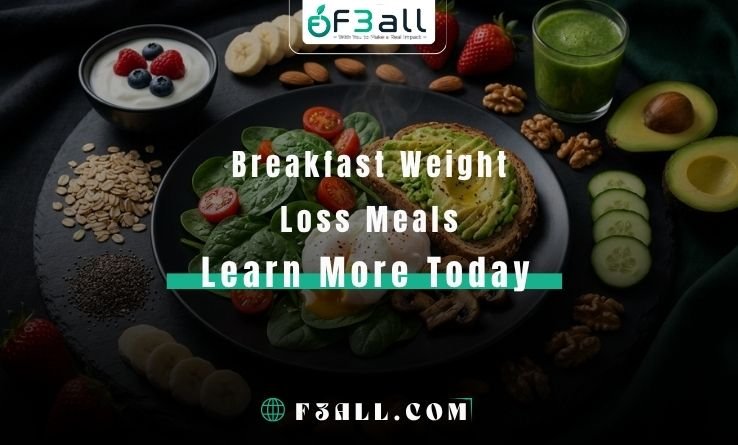
Breakfast Weight Loss Meals Start a Healthier Day Today
Breakfast Weight Loss Meals can make healthy eating more convenient when they provide protein, fiber, nutritious carbohydrates, and portions that fit individual energy needs. However, eating breakfast does not automatically cause fat loss, and skipping it does not guarantee weight gain. The value of a morning meal depends on its ingredients and place within the complete diet. This guide provides practical ideas, preparation strategies, safety advice, and realistic evidence-based expectations.
Breakfast Weight Loss Meals: What Makes a Balanced Breakfast

Breakfast Weight Loss Meals should be viewed as practical morning meals, not special foods that burn fat. Their main purpose is to provide useful nutrition and help a person follow an appropriate eating pattern consistently.
A balanced breakfast may include:
- A meaningful source of protein.
- A fruit or vegetable.
- A fiber-rich carbohydrate.
- A measured portion of unsaturated fat.
- Water or an unsweetened beverage.
- A portion suited to personal calorie needs.
Not every breakfast needs every component in equal amounts. Someone who trains early may need more carbohydrate, while another person may prefer a smaller meal followed by lunch a few hours later.
Breakfast Weight Loss Meals are most useful when they replace less filling choices, fit a sustainable calorie deficit, and remain satisfying enough to prevent constant grazing.
Breakfast Is Not Required for Weight Loss

Eating breakfast is optional. A systematic review and meta-analysis of randomized trials found that recommending breakfast was not a reliable strategy for losing weight. The researchers also reported that the available trials were generally short and of limited quality.
This finding does not mean breakfast is harmful. It means Breakfast Weight Loss Meals should be selected according to hunger, schedule, medication, culture, training, and personal preference rather than the belief that breakfast automatically activates metabolism.
Different approaches can work:
- Some people feel more focused after eating in the morning.
- Some manage hunger better when their first meal is later.
- Some need food with prescribed medication.
- Athletes may benefit from eating around early exercise.
- People with diabetes may require individualized meal timing.
- Shift workers may define breakfast by waking time rather than clock time.
The best pattern supports nutrition, energy, and adherence without causing excessive hunger or recurrent overeating.
How Breakfast Weight Loss Meals Support a Calorie Deficit

Body fat decreases when energy intake remains below energy expenditure over time. Breakfast Weight Loss Meals may support that process, but they cannot create it independently.
A breakfast may help when it:
- Replaces a higher-calorie pastry or restaurant meal.
- Provides a planned portion.
- Contains enough protein and fiber to be satisfying.
- Reduces reliance on sweetened coffee drinks.
- Prevents an impulsive midmorning purchase.
It may work against the goal when it:
- Is eaten despite a lack of hunger and then followed by a second breakfast.
- Contains oversized portions of granola, nuts, cheese, or avocado.
- Includes sweetened coffee, juice, and food without accounting for all three.
- Is labelled healthy but supplies more energy than expected.
- Leaves the person so dissatisfied that frequent snacking follows.
Readers can explore additional guidance in the F3all Weight Loss section.
Read more about:Breakfast Smoothies for Weight Loss Build Better Blends
A Simple Formula for Breakfast Weight Loss Meals
The following formula makes Breakfast Weight Loss Meals easier to build without relying on rigid menus.
| Component | Practical Examples | Main Contribution |
| Protein | Eggs, Greek yogurt, cottage cheese, tofu, milk, beans | Fullness and lean-tissue support |
| Fiber-rich carbohydrate | Oats, whole-grain bread, fruit, beans | Energy, fiber, and nutrients |
| Vegetables or fruit | Berries, apple, spinach, tomato, mushrooms | Volume and nutrient variety |
| Unsaturated fat | Nuts, seeds, avocado, olive oil | Flavor and satisfaction |
| Beverage | Water, plain tea, coffee, unsweetened milk | Hydration and meal enjoyment |
A practical plate could contain eggs with vegetables and whole-grain toast. Another option is plain Greek yogurt with berries and measured oats. A vegan breakfast might combine tofu, vegetables, and whole-grain bread.
No single formula is appropriate for everyone. Portions and ingredients should reflect health, allergies, appetite, activity, and the rest of the day’s meals.
Protein in Breakfast Weight Loss Meals
Protein can improve the nutritional balance of Breakfast Weight Loss Meals and may help some people feel satisfied. It is also important for maintaining and repairing body tissues.
Morning protein sources include:
- Eggs.
- Plain Greek yogurt.
- Cottage cheese.
- Dairy milk.
- Unsweetened fortified soy milk.
- Tofu or tempeh.
- Beans or lentils.
- Fish or lean poultry when culturally appropriate.
- Protein powder when needed for convenience.
Protein does not cancel calories. A high-protein breakfast can still become excessive when it includes large portions of cheese, processed meat, oil, nuts, and sweetened beverages.
People with kidney disease, liver disease, metabolic conditions, or a medically prescribed protein limit need individualized advice. Generic high-protein targets may be unsuitable.
Read more about:Breakfast Smoothies for Weight Loss Build Better Blends
Eggs in Breakfast Weight Loss Meals
Eggs can fit Breakfast Weight Loss Meals because they supply high-quality protein and several nutrients. They are versatile, affordable in many regions, and easy to combine with vegetables and whole grains.
Balanced egg ideas include:
- Scrambled eggs with spinach and tomato.
- A vegetable omelet with whole-grain toast.
- Boiled eggs with fruit and plain yogurt.
- Eggs with beans and salsa.
- A whole-grain breakfast wrap with eggs and vegetables.
Preparation changes the meal. Frying eggs in large amounts of butter or oil and serving them with processed meat, cheese, and fried potatoes produces a different calorie and nutrient profile from eggs cooked with measured oil and vegetables.
For food safety, refrigerate eggs and cook them thoroughly. FDA advises cooking eggs until the yolk and white are firm unless pasteurized eggs are used in an appropriate recipe.
Greek Yogurt and Cottage Cheese Breakfast Weight Loss Meals
Plain Greek yogurt and cottage cheese can provide protein without requiring extensive preparation. They can serve as the base for sweet or savory Breakfast Weight Loss Meals.
Useful combinations include:
- Plain Greek yogurt, berries, and chia.
- Cottage cheese with apple and cinnamon.
- Yogurt with measured oats and walnuts.
- Cottage cheese with tomato, cucumber, and whole-grain toast.
- Yogurt with unsweetened cocoa and strawberries.
Check labels because protein, sodium, fat, and added sugar vary between products. Flavored yogurt may contain substantial added sugar, while cottage cheese can be high in sodium.
People with milk allergy should avoid dairy products. Those with lactose intolerance may tolerate certain cultured products, lactose-free options, or fortified alternatives, but individual tolerance differs.
Oats and Whole Grains in Breakfast Weight Loss Meals
Oats and whole grains add carbohydrate, fiber, vitamins, minerals, and texture. They can make Breakfast Weight Loss Meals more substantial, especially when paired with protein.
Options include:
- Rolled or steel-cut oats.
- Whole-grain bread.
- Whole-grain English muffins.
- Unsweetened whole-grain cereal.
- Quinoa or another intact grain.
- Whole-grain wraps.
Oatmeal becomes more balanced when combined with plain yogurt, milk, soy milk, or another protein source. Fruit and cinnamon can provide flavor without requiring several spoonfuls of sugar.
Common high-calorie additions include large amounts of granola, nut butter, honey, dried fruit, chocolate chips, and coconut. Each may fit in a measured amount, but using all of them together can turn oatmeal into a very large meal.
The Weight Loss Diet Plans collection can help readers place breakfast within a complete eating pattern.
Read more about:Breakfast Smoothies for Weight Loss Build Better Blends
Fruit in Breakfast Weight Loss Meals
Whole fruit can contribute fiber, fluid, vitamins, minerals, and natural sweetness. Suitable choices for Breakfast Weight Loss Meals include:
- Berries.
- Apples.
- Pears.
- Oranges.
- Kiwi.
- Peaches.
- Bananas.
- Melon.
- Mango.
There is no single fat-burning fruit. The appropriate amount depends on the total meal and individual carbohydrate needs.
Whole fruit is generally preferable to juice for weight management because it retains more structure and fiber. Juice is easy to drink quickly and may add calories without providing the same eating experience.
Dried fruit is concentrated, so portions can become large without looking large. It can be used, but measuring it is helpful.
People with diabetes do not need to eliminate all fruit. They may need to consider portion, carbohydrate content, medication, glucose response, and what accompanies the fruit.
Vegetables in Breakfast Weight Loss Meals
Vegetables are not limited to lunch and dinner. Adding them to Breakfast Weight Loss Meals can increase volume and nutrient variety.
Morning-friendly vegetables include:
- Spinach.
- Tomato.
- Mushrooms.
- Bell peppers.
- Onion.
- Zucchini.
- Kale.
- Cucumber.
- Roasted vegetables left from dinner.
Vegetables can be folded into an omelet, added to a tofu scramble, placed in a whole-grain wrap, or served beside eggs.
Large amounts of butter, oil, cheese, or creamy sauce can add more energy than the vegetables themselves. Use enough fat for flavor and cooking while keeping the complete meal in view.
A savory breakfast can be particularly useful for people who do not enjoy sweet yogurt, fruit, or oatmeal in the morning.
Read more about:Breakfast Smoothies for Weight Loss Build Better Blends
Healthy Fats in Breakfast Weight Loss Meals
Unsaturated fats can add flavor and satisfaction to Breakfast Weight Loss Meals. Sources include:
- Nuts.
- Seeds.
- Nut or seed butter.
- Avocado.
- Olive oil.
These ingredients are nutrient dense and calorie dense. Measuring portions can be helpful until visual estimates become reliable.
A breakfast does not require avocado, nuts, chia, flaxseed, nut butter, and olive oil at the same time. Choose the addition that complements the meal.
For example, oatmeal may need a small portion of walnuts, while eggs and vegetables may be cooked with measured olive oil. A yogurt bowl might use chia without also requiring a large spoonful of nut butter.
People with food allergies must check ingredients, manufacturing warnings, and cross-contact risks.
Drinks With Breakfast Weight Loss Meals
Beverages can change the calorie and sugar content of Breakfast Weight Loss Meals significantly.
Practical choices include:
- Water.
- Plain tea.
- Black coffee.
- Coffee with a measured amount of milk.
- Unsweetened dairy milk.
- Unsweetened fortified soy milk.
Sweetened coffee drinks may contain syrups, whipped toppings, cream, and multiple sugar portions. A drink can supply as much energy as the meal beside it.
Fruit juice, sweet tea, energy drinks, and sweetened flavored milk also contribute calories. They are not automatically balanced because they are consumed at breakfast.
Caffeine tolerance varies. Excessive intake may worsen anxiety, sleep, palpitations, reflux, or pregnancy-related concerns. People should consider total caffeine from coffee, tea, energy products, supplements, and medication.
More beverage guidance is available in the F3all Healthy Drinks section.
Ten Practical Breakfast Weight Loss Meals
The following ideas are flexible templates rather than fixed prescriptions. Ingredient brands and portion sizes affect calories and nutrients.
Breakfast Weight Loss Meals can remain simple.
Vegetable Egg Breakfast
- Eggs.
- Spinach, tomato, and mushrooms.
- Measured olive oil.
- One portion of whole-grain toast.
This option combines protein, vegetables, and a fiber-rich carbohydrate.
Berry Greek Yogurt Bowl
- Plain Greek yogurt.
- Mixed berries.
- Measured oats.
- Chia seeds.
- Cinnamon.
Choose unsweetened yogurt and adjust portions to personal energy needs.
Apple Cinnamon Oatmeal
- Oats.
- Milk or unsweetened fortified soy milk.
- Chopped apple.
- Cinnamon.
- Plain yogurt on the side or stirred in after cooking.
The protein source makes the oatmeal more complete than oats prepared only with water.
Read more about:Breakfast Smoothies for Weight Loss Build Better Blends
Cottage Cheese Breakfast Plate
- Cottage cheese.
- Sliced pear or peach.
- A small portion of walnuts.
- Whole-grain crispbread if desired.
Review sodium on the cottage cheese label when medically relevant.
Tofu Vegetable Scramble
- Firm tofu.
- Spinach.
- Bell pepper.
- Tomato.
- Spices.
- Whole-grain toast.
This is one of several plant-based Breakfast Weight Loss Meals that can provide protein without eggs or dairy.
Bean and Egg Breakfast Bowl
- Beans.
- Egg.
- Tomato salsa.
- Leafy vegetables.
- A small whole-grain tortilla.
Beans contribute fiber and plant protein. Review sodium in canned beans and rinse when appropriate.
Smoked Salmon Breakfast Plate
- A measured portion of smoked salmon.
- Whole-grain bread.
- Tomato and cucumber.
- Plain yogurt-based spread.
Smoked salmon can be high in sodium, so it may not suit everyone.
Overnight Oats
- Oats.
- Plain Greek yogurt or fortified soy yogurt.
- Milk or unsweetened plant beverage.
- Berries.
- Chia seeds.
Prepare under refrigeration and use clean containers.
Whole-Grain Avocado Egg Toast
- Whole-grain toast.
- Measured avocado.
- Cooked egg.
- Tomato or leafy vegetables.
Avocado is nutritious but portion still matters.
Balanced Breakfast Smoothie
- Plain Greek yogurt or silken tofu.
- Whole fruit.
- Spinach.
- Unsweetened milk or water.
- A small portion of seeds.
Smoothies can fit Breakfast Weight Loss Meals, but they should replace a meal rather than be added automatically beside one. Readers can find additional combinations in Delicious Diet Recipes.
Portion Control for Breakfast Weight Loss Meals
There is no universal breakfast calorie target. Energy needs differ according to body size, age, sex, activity, health, goals, and the rest of the day’s food.
Portion control does not mean making Breakfast Weight Loss Meals so small that hunger returns immediately. It means choosing deliberate amounts and adjusting them using real results.
Helpful strategies include:
- Serve food on a plate or in a bowl.
- Measure calorie-dense toppings initially.
- Check the serving size on packaged foods.
- Avoid eating directly from a granola or nut container.
- Include vegetables or fruit for volume.
- Pause before adding a second portion.
- Distinguish physical hunger from habit or distraction.
If a meal repeatedly leaves a person hungry, the solution may be more protein, fiber, or total food—not greater restriction.
Read more about:Breakfast Smoothies for Weight Loss Build Better Blends
Low-Calorie Versus Nutritionally Complete Breakfasts
The lowest-calorie choice is not automatically the best. Coffee alone, a small piece of fruit, or a very light snack may not provide enough nutrition or satisfaction for everyone.
Effective Breakfast Weight Loss Meals balance calorie awareness with:
- Protein.
- Fiber.
- Micronutrients.
- Enjoyment.
- Adequate energy.
- Practicality.
A meal that is slightly larger but prevents constant grazing may fit better than an extremely small breakfast followed by several snacks. Conversely, someone who is not hungry early may reasonably choose a later first meal.
Evaluate the complete pattern instead of judging breakfast in isolation.
Reading Labels for Breakfast Weight Loss Meals
Packaged cereal, yogurt, bread, granola, breakfast bars, plant beverages, and ready-made meals vary considerably.
When choosing products for Breakfast Weight Loss Meals, review:
- Serving size.
- Servings per package.
- Total calories.
- Protein.
- Dietary fiber.
- Added sugars.
- Sodium.
- Saturated fat.
- Allergens.
- Ingredient list.
A granola serving may be much smaller than the bowl normally poured. A yogurt described as high protein may also contain added sugar. A plant beverage may be unsweetened but provide very little protein.
Words such as natural, clean, fit, keto, organic, multigrain, or superfood do not establish that a product is appropriate for weight loss. The nutrition label and actual portion provide more useful information.
Read more about:Breakfast Smoothies for Weight Loss Build Better Blends
Common Breakfast Weight Loss Meals Mistakes
Common mistakes include:
- Believing that breakfast automatically increases metabolism.
- Eating breakfast without hunger solely because it is considered mandatory.
- Skipping protein.
- Choosing sweetened cereal with little fiber.
- Drinking calories without noticing them.
- Pouring oil, nuts, or nut butter without measuring.
- Treating granola as a low-calorie food.
- Adding juice beside an already complete meal.
- Making portions too small to be satisfying.
- Copying a generic menu that ignores medical needs.
Another mistake is trying to make every breakfast perfect. Consistency matters more than a single meal. A realistic plan should tolerate travel, social events, busy mornings, and occasional changes.
Breakfast Weight Loss Meals should reduce decision fatigue rather than create unnecessary anxiety about food.
Preparing Breakfast Weight Loss Meals in Advance
Planning helps turn intentions into repeatable routines. Breakfast Weight Loss Meals can be prepared efficiently without cooking an elaborate recipe every morning.
Preparation ideas include:
- Cook eggs in advance and refrigerate safely.
- Prepare overnight oats in individual containers.
- Wash fruit and vegetables.
- Portion nuts and seeds.
- Freeze whole-grain bread.
- Cook a vegetable frittata for several servings.
- Prepare tofu scramble ingredients.
- Keep plain yogurt and fruit available.
Label containers and follow safe storage times. Refrigerate perishable foods promptly and discard anything with an uncertain storage history.
A small rotation of three or four breakfasts is usually easier to maintain than a completely different recipe every day.
Breakfast Weight Loss Meals for Busy Mornings
Time pressure often leads people to rely on pastries, oversized café drinks, or vending-machine snacks. Fast Breakfast Weight Loss Meals can still be balanced.
Quick combinations include:
- Plain Greek yogurt with fruit.
- Boiled eggs with whole-grain toast.
- Cottage cheese with an apple.
- Overnight oats.
- A low-added-sugar cereal with milk and berries.
- A prepared whole-grain egg wrap.
- A balanced smoothie.
Keep emergency options at work when possible, such as shelf-stable plain oatmeal, a suitable nut portion, or a lower-sugar breakfast product.
Convenience products are not automatically unhealthy. They simply require label review and an appropriate role within the complete diet.
Vegetarian and Vegan Breakfast Weight Loss Meals
Vegetarian and vegan Breakfast Weight Loss Meals can provide protein and fiber through thoughtful ingredient combinations.
Options include:
- Tofu scramble with vegetables.
- Beans with whole-grain toast.
- Unsweetened fortified soy yogurt with fruit.
- Oatmeal made with fortified soy milk.
- A smoothie containing silken tofu.
- Chickpea flour pancakes with vegetables.
- Nut or seed butter in a measured portion.
Plant beverages vary. Unsweetened soy milk often provides more protein than almond, rice, oat, or coconut beverages, but labels should be compared.
People following a fully vegan diet need reliable sources of vitamin B12 and may need professional guidance about iron, iodine, calcium, vitamin D, omega-3 fats, and other nutrients.
Read more about:Breakfast Smoothies for Weight Loss Build Better Blends
Breakfast Weight Loss Meals With Diabetes
People with diabetes can eat Breakfast Weight Loss Meals, but carbohydrate type, portion, medication, glucose response, and timing matter.
Helpful considerations include:
- Include a protein source.
- Choose whole fruit rather than juice.
- Measure cereal, oats, bread, and granola.
- Select products with less added sugar.
- Include vegetables when practical.
- Monitor glucose according to the care plan.
- Do not change medication without the prescriber.
“Sugar-free” does not necessarily mean carbohydrate-free or low calorie. Some sugar-free products contain sugar alcohols that may cause digestive symptoms.
A registered dietitian or diabetes educator can help match the morning meal to medicines, activity, glucose targets, and personal preferences.
Breakfast Weight Loss Meals for Medical Conditions
Generic meal plans may be unsuitable for people with:
- Kidney disease.
- Heart failure.
- Liver disease.
- Food allergies.
- Celiac disease.
- Gastroparesis.
- Previous bariatric surgery.
- Eating disorders.
- Pregnancy.
- Prescribed fluid, sodium, potassium, or protein limits.
Ingredients widely described as healthy may conflict with individual treatment. Bananas and avocado may be high in potassium. Cottage cheese and smoked fish may contain substantial sodium. High-fiber meals may not suit severe gastroparesis.
Breakfast Weight Loss Meals should be modified by a qualified clinician or dietitian when a medical condition changes nutrient requirements.
Anyone with unexplained weight loss, recurrent dizziness, fainting, severe fatigue, persistent vomiting, or symptoms of disordered eating should seek medical evaluation rather than starting a restrictive plan.
Food Safety for Breakfast Weight Loss Meals
Breakfast foods may contain eggs, dairy, cooked grains, cut fruit, and prepared vegetables that require safe handling.
Safe Breakfast Weight Loss Meals require careful preparation.
Use these practices:
- Wash hands and food-preparation surfaces.
- Refrigerate perishable food promptly.
- Use pasteurized milk and dairy products.
- Cook eggs thoroughly.
- Wash fresh produce under safe running water.
- Store overnight oats in the refrigerator.
- Reheat prepared foods safely.
- Keep raw ingredients separate from ready-to-eat food.
- Discard food left at unsafe temperatures for too long.
Pregnant people, young children, older adults, and people with weakened immune systems require particular care with undercooked eggs and unpasteurized products.
Food safety remains important even when the ingredients are organic, local, natural, or homemade.
Read more about:Breakfast Smoothies for Weight Loss Build Better Blends
Breakfast Weight Loss Meals Around Exercise
Breakfast Weight Loss Meals can be adjusted around early physical activity.
Before exercise, some people prefer:
- A smaller portion.
- Easily tolerated carbohydrate.
- Moderate protein.
- Less fat or fiber when these cause discomfort.
After exercise, a meal may include:
- Protein.
- Carbohydrate.
- Fluid.
- Fruit or vegetables.
Needs depend on the activity’s duration and intensity, the person’s body size, goals, digestive tolerance, and the timing of the next meal.
A short recreational walk does not require a large recovery meal. An endurance athlete may need considerably more energy and carbohydrate than someone performing light activity.
The purpose is to support training while keeping total intake aligned with the overall plan.
Building a Sustainable Breakfast Routine
Successful Breakfast Weight Loss Meals are repeatable, affordable, culturally suitable, and enjoyable. A theoretically perfect meal offers little value if it is too expensive or complicated to prepare.
Rotating Breakfast Weight Loss Meals may prevent boredom.
Build a routine by:
- Selecting three reliable breakfasts.
- Keeping staple ingredients available.
- Preparing one or two components in advance.
- Using flexible substitutions.
- Adjusting portions according to hunger and progress.
- Planning for weekends and travel.
- Reviewing the complete day rather than one meal.
Weight management also depends on physical activity, sleep, stress, medications, medical conditions, and the total eating pattern.
Readers can compare different approaches in Types of Diets while remembering that the best plan is one supported by evidence and sustainable over time.
Read more about:Breakfast Smoothies for Weight Loss Build Better Blends
Why F3all Is a Helpful Choice

At F3all, Breakfast Weight Loss Meals are presented as flexible nutrition tools rather than miracle solutions. The goal is to help readers build practical breakfasts while recognizing that breakfast timing and appetite differ.
F3all focuses on:
- Evidence-based weight-management education.
- Balanced meal-building strategies.
- Practical protein and fiber choices.
- Realistic portion guidance.
- Food-safety and medical considerations.
- Sustainable habits instead of restrictive trends.
Readers can explore additional ideas in Healthy Diet Dessert Recipes or learn more from the About F3all page.
Frequently Asked Questions
1. Are Breakfast Weight Loss Meals Necessary?
No. Breakfast is optional for weight loss. Breakfast Weight Loss Meals can be useful for people who feel hungry in the morning or find that a planned meal improves consistency. Other people may prefer their first meal later. Total intake, nutrition, activity, and adherence matter more than forcing one schedule.
2. What Makes a Breakfast Suitable for Weight Loss?
A useful breakfast usually contains protein, a fiber-rich food, fruit or vegetables, and portions appropriate for personal energy needs. Added sugar and calorie-dense toppings should be considered. The meal should be satisfying without exceeding the person’s overall plan.
3. Are Eggs Good for Breakfast Weight Loss Meals?
Eggs can provide protein and fit a balanced breakfast. Combine them with vegetables, fruit, beans, or whole grains and use measured cooking fat. The complete meal matters more than the egg alone. Cook eggs safely and consider individual medical advice.
4. Is Oatmeal a Fat-Burning Breakfast?
No food directly burns body fat. Oatmeal can support Breakfast Weight Loss Meals because it provides fiber and can be combined with protein. Large amounts of sugar, granola, dried fruit, honey, and nut butter can increase the meal’s calories quickly.
5. Should Breakfast Contain Protein?
Protein can make breakfast more nutritionally complete and may help some people feel satisfied. Eggs, plain Greek yogurt, cottage cheese, milk, soy, tofu, or beans are options. The appropriate amount depends on daily needs and medical conditions.
6. Can I Skip Breakfast and Still Lose Weight?
Yes. Randomized evidence does not show that adding breakfast reliably causes weight loss. Skipping breakfast may suit some people and not others. Avoid skipping it if doing so conflicts with medication, medical advice, pregnancy needs, training, or blood-glucose management.
7. How Many Calories Should Breakfast Contain?
There is no universal number. Breakfast Weight Loss Meals should reflect body size, age, activity, health, total daily intake, and goals. A dietitian can provide an individualized target when calorie planning is needed.
8. Are Smoothies Good Breakfast Weight Loss Meals?
They can be when they include protein, whole fruit or vegetables, an unsweetened liquid, and a suitable portion. Juice, honey, several fruits, large nut-butter portions, and sweetened yogurt can create an oversized drink. Decide whether the smoothie replaces breakfast or accompanies it.
9. Which Breakfast Drinks Are Best?
Water, plain tea, black coffee, or an unsweetened milk can fit. Sweetened coffee drinks, juice, and energy drinks may add significant calories or sugar. Caffeine intake should reflect health, pregnancy, medication, sleep, and individual tolerance.
10. Can I Eat the Same Breakfast Every Day?
Yes, if it is balanced and appropriate, but some variety helps broaden nutrient intake and enjoyment. Rotate fruit, vegetables, grains, and protein sources when possible. Breakfast Weight Loss Meals should remain practical without making the entire diet unnecessarily repetitive.
In the End
Breakfast Weight Loss Meals can support a healthy eating pattern when they contain useful nutrition, sensible portions, and foods that match personal preferences. They do not burn fat directly, activate metabolism, or guarantee weight loss simply because they are eaten early.
Build breakfast around protein, fiber-rich carbohydrates, fruit or vegetables, and a measured amount of healthy fat when desired. Account for drinks, toppings, oils, and serving sizes because nutritious ingredients still contribute energy.
Breakfast remains optional. Choose Breakfast Weight Loss Meals when they improve hunger control, energy, convenience, or dietary consistency. A later first meal may work equally well for another person.
Long-term progress comes from an eating plan that can be maintained, regular physical activity, adequate sleep, realistic expectations, and appropriate medical guidance. The best breakfast is safe, satisfying, practical, and compatible with the complete lifestyle.
References