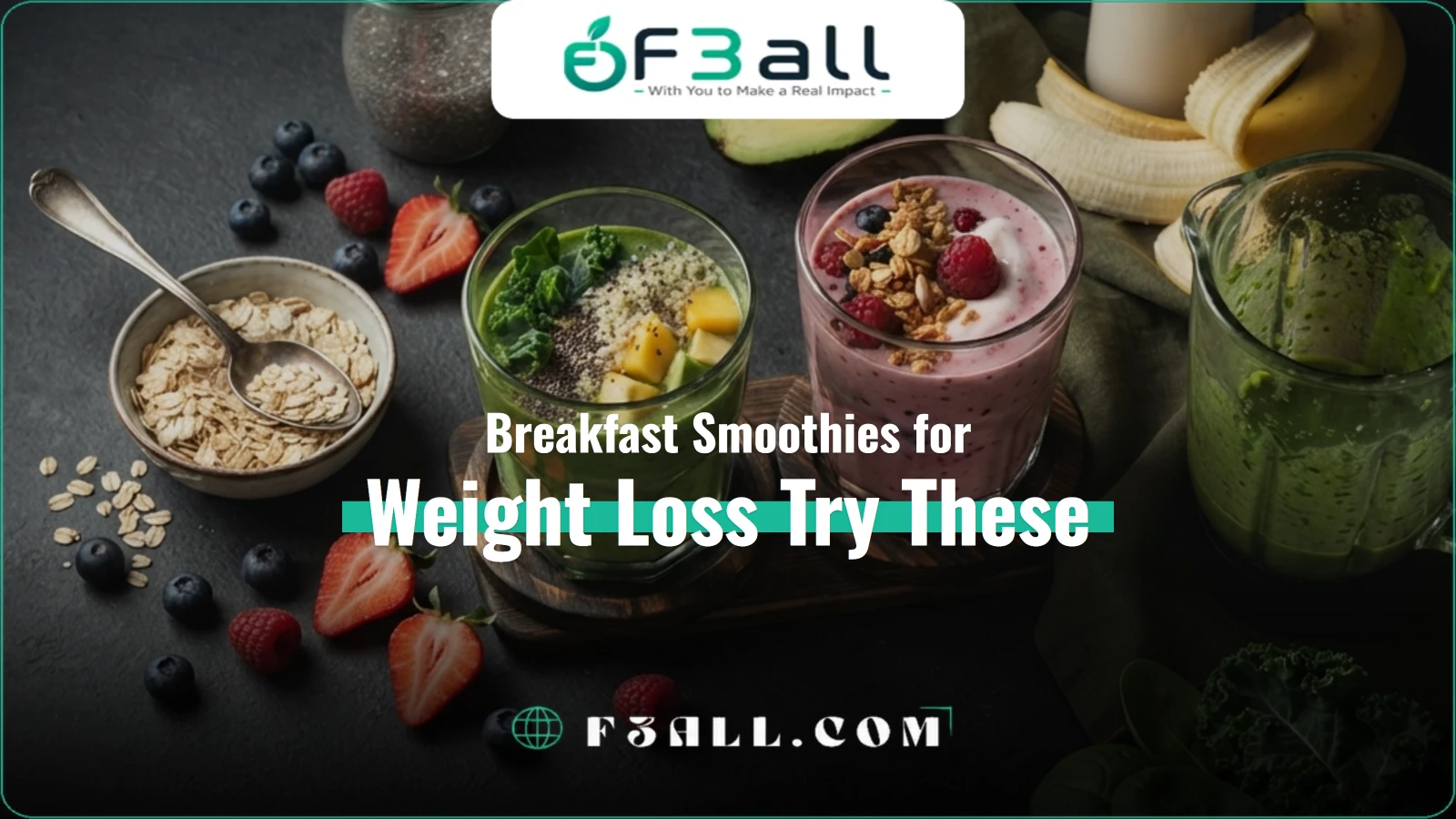
Healthy Breakfast Smoothies for Weight Loss | Try These
Healthy Breakfast Smoothies for Weight Loss can work well when breakfast needs to be quick, measurable, and filling enough to prevent an early return to hunger. The best smoothie is not simply fruit blended with ice; it should contain a controlled carbohydrate source, enough protein, some fiber, and a calorie level that matches whether it is a snack or a complete breakfast.
Ingredient weight makes a major difference. Banana, oats, nut butter, seeds, yogurt, and fruit are nutritious foods, but combining large portions of all of them can easily create a 500–700 calorie drink. Well-planned Healthy Breakfast Smoothies for Weight Loss use measured ingredients so you know exactly how many grams of carbohydrate, protein, and calories are going into breakfast.
Healthy Breakfast Smoothies for Weight Loss
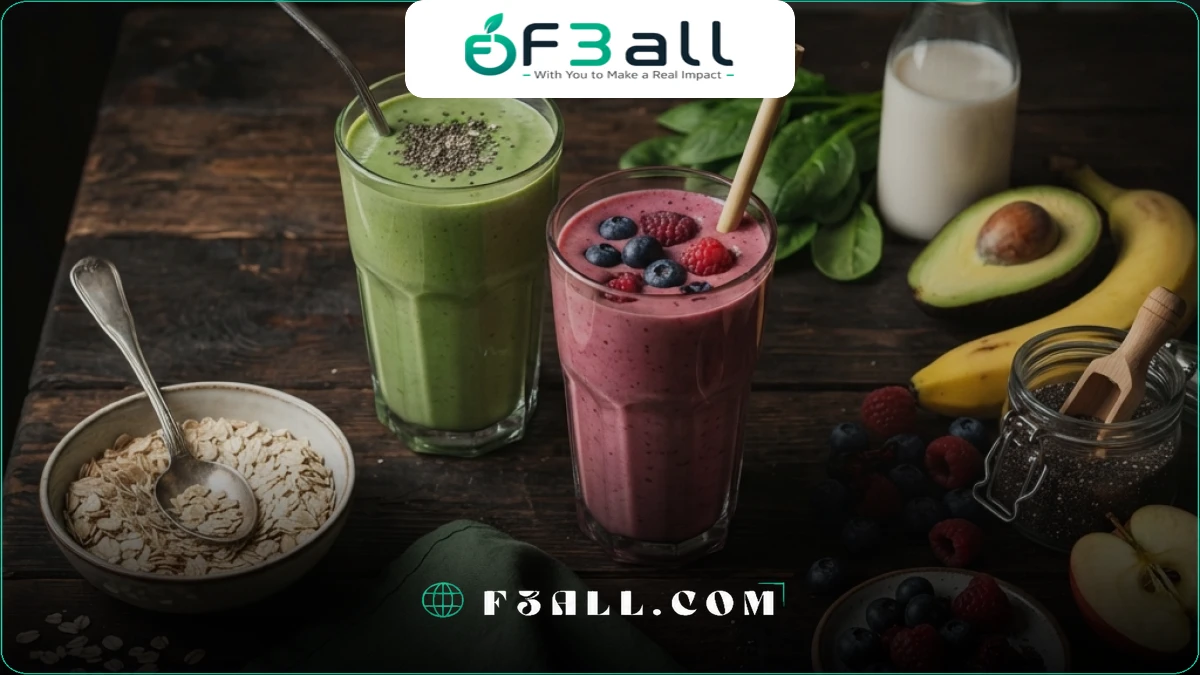
A balanced breakfast smoothie should provide enough nutrition to function as breakfast rather than being little more than flavored fruit juice. One practical formula combines leafy greens, measured fruit, Greek yogurt, oats, and a small serving of seeds.
Here is a balanced example:
| Carb Source | Ingredient | Weight | Carbs | Calories From Carbs | Protein | Total Calories |
| Leafy vegetable | Spinach | 50 g | 1.8 g | 7 kcal | 1.4 g | 12 kcal |
| Fruit | Strawberries | 100 g | 7.7 g | 31 kcal | 0.7 g | 32 kcal |
| Fruit | Banana | 60 g | 13.7 g | 55 kcal | 0.7 g | 53 kcal |
| Dairy | Plain nonfat Greek yogurt | 170 g | 6.1 g | 24 kcal | About 17 g | About 100 kcal |
| Whole grain | Dry oats | 30 g | 20.3 g | 81 kcal | About 5 g | About 114 kcal |
| Seed | Chia seeds | 10 g | 4.2 g | 17 kcal | About 1.7 g | About 49 kcal |
| Liquid | Water | 100–150 g | 0 g | 0 kcal | 0 g | 0 kcal |
| Total | Full smoothie | 520–570 g | About 53.8 g | About 215 kcal | About 26.5 g | About 360 kcal |
Calories From Carbs are calculated using approximately 4 calories per gram of carbohydrate. Total calories can differ because foods also contain protein, fat, fiber, and water.
At around 360 calories with more than 25 g of protein, this is one of the more complete Healthy Breakfast Smoothies for Weight Loss rather than a light drink that leaves you hungry an hour later.
How to Build a Balanced Breakfast Smoothie
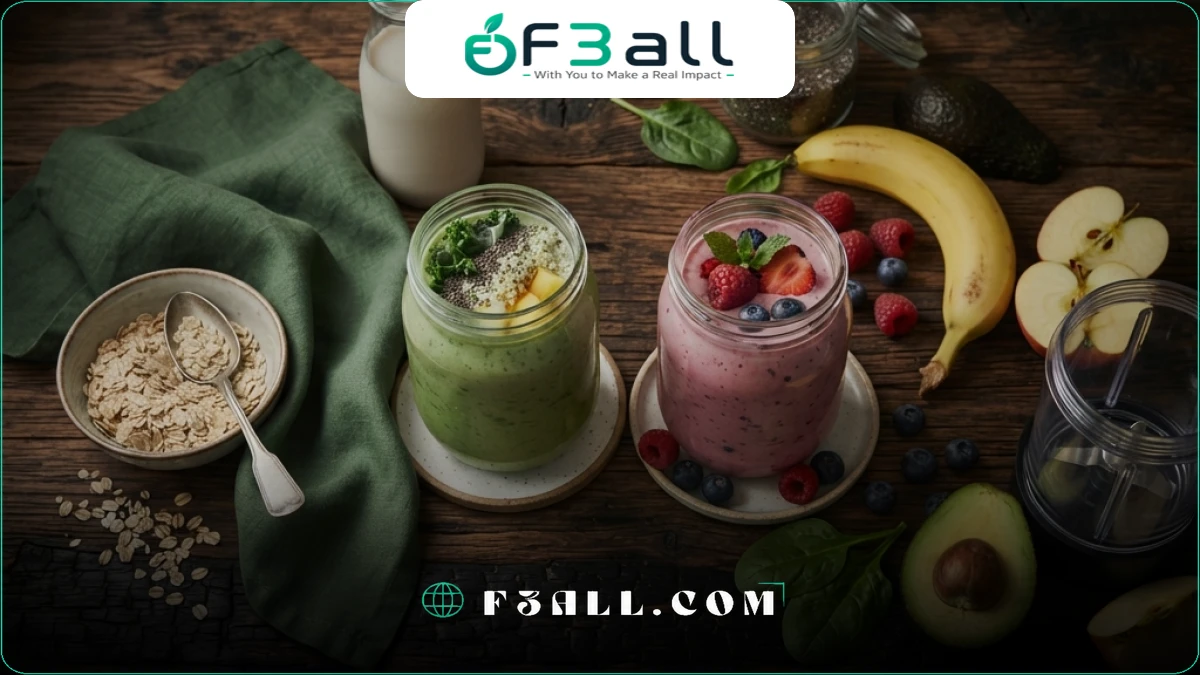
Healthy morning smoothies become much easier to design when every ingredient has a job. Start with protein, add a measured carbohydrate source, include fruit or vegetables, and then decide whether extra fats or seeds are actually needed.
A practical structure looks like this:
| Smoothie Component | Practical Amount | Typical Role |
| Greek yogurt or another protein base | 150–200 g | Protein and fullness |
| Fruit | 80–150 g | Carbohydrate and flavor |
| Leafy vegetables | 30–60 g | Volume and nutrients |
| Dry oats | 20–40 g | Carbs, fiber, breakfast energy |
| Seeds | 5–15 g | Fiber and healthy fats |
| Water or unsweetened milk | 100–250 g | Texture and volume |
A good building order is:
- Choose your protein.
- Add one main fruit.
- Add vegetables if desired.
- Weigh oats if the smoothie is a meal.
- Measure seeds or nut butter.
- Add unsweetened liquid.
- Blend and check the final portion.
Readers looking for other structured breakfast options can explore Delicious Diet Recipes.
Healthy Breakfast Smoothies for Weight Loss become easier to control when you build them deliberately instead of dropping healthy ingredients into the blender without measuring them.
High Protein Breakfast Smoothie
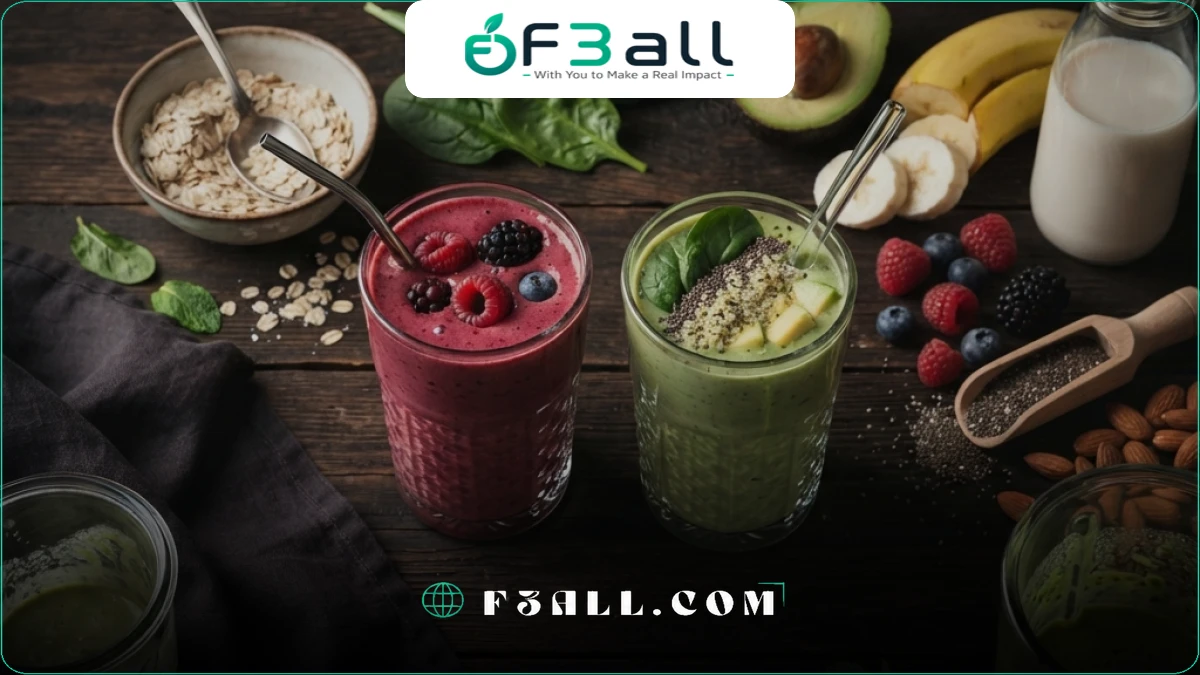
A high protein breakfast smoothie can be particularly useful when a smoothie replaces a normal breakfast. Protein does not make calories disappear, but it helps create a more substantial meal and reduces the chance that breakfast consists mainly of rapidly consumed fruit carbohydrate.
Greek yogurt and protein powder can provide a strong protein base without requiring a huge portion.
| Carb Source | Ingredient | Weight | Carbs | Calories From Carbs | Protein | Total Calories |
| Dairy | Greek yogurt | 200 g | About 7.2 g | 29 kcal | About 20 g | About 118 kcal |
| Protein product | Protein powder | 30 g | About 3 g | 12 kcal | About 22–24 g | About 120 kcal |
| Fruit | Strawberries | 100 g | 7.7 g | 31 kcal | 0.7 g | 32 kcal |
| Vegetable | Spinach | 50 g | 1.8 g | 7 kcal | 1.4 g | 12 kcal |
| Liquid | Unsweetened almond milk | 150 g | About 1 g | 4 kcal | About 1 g | About 23 kcal |
| Total | Full smoothie | 530 g | About 20.7 g | 83 kcal | About 45–47 g | About 305 kcal |
Protein powder values vary by brand, so use the nutrition label on the product you actually buy.
This high-protein version shows that Healthy Breakfast Smoothies for Weight Loss can provide substantial protein without requiring several pieces of fruit or large amounts of oats.
Read more about: Healthy Breakfast Meals for Weight Loss Build Yours Now
Low Calorie Breakfast Smoothie
A low calorie breakfast smoothie is useful when the drink is only one part of breakfast or when you need a lighter snack in the morning. It should not automatically be used as a complete meal simply because its calorie number looks attractive.
For a lighter version, use vegetables and berries for most of the volume.
| Carb Source | Ingredient | Weight | Carbs | Calories From Carbs | Protein | Total Calories |
| Leafy vegetable | Spinach | 50 g | 1.8 g | 7 kcal | 1.4 g | 12 kcal |
| Vegetable | Cucumber | 100 g | 3.6 g | 14 kcal | 0.7 g | 15 kcal |
| Fruit | Strawberries | 150 g | 11.6 g | 46 kcal | About 1 g | 48 kcal |
| Dairy | Greek yogurt | 120 g | About 4.3 g | 17 kcal | About 12 g | About 71 kcal |
| Liquid | Water | 150 g | 0 g | 0 kcal | 0 g | 0 kcal |
| Total | Full smoothie | 570 g | About 21.3 g | 85 kcal | About 15 g | About 146 kcal |
This can also fit alongside ideas from Healthy Drinks.
At roughly 145–150 calories, this version of Healthy Breakfast Smoothies for Weight Loss works better as a light breakfast component or substantial drink than as the only nutrition for a long morning.
Oatmeal Smoothie for Weight Loss
An oatmeal smoothie for weight loss can provide more staying power than a fruit-only drink, but dry oats are calorie-dense enough that the portion should be weighed carefully.
Thirty to forty grams is very different from pouring half a cup or more into the blender without checking the weight.
| Carb Source | Ingredient | Weight | Carbs | Calories From Carbs | Total Calories |
| Whole grain | Dry oats | 40 g | About 27 g | 108 kcal | About 152 kcal |
| Fruit | Banana | 60 g | 13.7 g | 55 kcal | 53 kcal |
| Dairy | Greek yogurt | 170 g | About 6.1 g | 24 kcal | About 100 kcal |
| Leafy vegetable | Spinach | 40 g | 1.4 g | 6 kcal | 9 kcal |
| Liquid | Unsweetened almond milk | 150 g | About 1 g | 4 kcal | About 23 kcal |
| Total | Full smoothie | 460 g | About 49.2 g | 197 kcal | About 337 kcal |
A 40 g oat portion already contributes around 150 calories before fruit, yogurt, seeds, or nut butter are added.
That is why oatmeal-based Healthy Breakfast Smoothies for Weight Loss should be treated as real meals rather than calorie-free drinks.
Fruit Breakfast Smoothie
A fruit breakfast smoothie can fit into weight management, but fruit quantity should be controlled because blending makes it very easy to consume several servings quickly.
You do not need banana, mango, pineapple, berries, and dates in the same glass.
| Fruit Source | Weight | Carbs | Calories From Carbs | Total Calories |
| Strawberries | 150 g | 11.6 g | 46 kcal | 48 kcal |
| Blueberries | 75 g | About 10.9 g | 44 kcal | About 43 kcal |
| Banana | 40 g | 9.1 g | 36 kcal | 36 kcal |
| Total fruit | 265 g | About 31.6 g | 126 kcal | About 127 kcal |
Add 170 g Greek yogurt and 50 g spinach, and the complete smoothie reaches roughly 235–245 calories while providing substantially more protein than fruit alone.
A measured fruit combination keeps Healthy Breakfast Smoothies for Weight Loss naturally sweet without letting fruit dominate the entire breakfast.
Filling Breakfast Smoothies
Filling breakfast smoothies usually contain a combination of protein, fiber, food volume, and enough calories to function as a meal. The lowest-calorie smoothie is not automatically the most useful if it leaves you hungry soon afterward.
Compare these common smoothie components:
| Ingredient | Weight | Carbs | Calories From Carbs | Protein | Total Calories |
| Greek yogurt | 170 g | About 6.1 g | 24 kcal | About 17 g | About 100 kcal |
| Dry oats | 30 g | 20.3 g | 81 kcal | About 5 g | About 114 kcal |
| Chia seeds | 10 g | 4.2 g | 17 kcal | About 1.7 g | About 49 kcal |
| Strawberries | 150 g | 11.6 g | 46 kcal | About 1 g | 48 kcal |
| Banana | 60 g | 13.7 g | 55 kcal | 0.7 g | 53 kcal |
For a more filling smoothie:
- Start with 15–25 g or more protein.
- Keep fruit measured.
- Add 20–40 g oats if breakfast needs more energy.
- Use 5–15 g seeds instead of pouring freely.
- Add water or ice for extra volume.
Healthy Breakfast Smoothies for Weight Loss should satisfy the role you give them; a breakfast that repeatedly leaves you hungry is unlikely to make long-term dieting easier.
Read more about: Breakfast Smoothies for Weight Loss Build Better Blends
Meal Replacement Breakfast Smoothie
A meal replacement breakfast smoothie needs to be very different from a 100-calorie green drink. If you are replacing an entire meal, the smoothie should contain meaningful protein, carbohydrate, and enough total energy for your individual needs.
A practical meal-style example is:
| Carb Source | Ingredient | Weight | Carbs | Calories From Carbs | Protein | Total Calories |
| Dairy | Greek yogurt | 170 g | 6.1 g | 24 kcal | About 17 g | About 100 kcal |
| Whole grain | Dry oats | 30 g | 20.3 g | 81 kcal | About 5 g | About 114 kcal |
| Fruit | Banana | 60 g | 13.7 g | 55 kcal | 0.7 g | 53 kcal |
| Fruit | Strawberries | 100 g | 7.7 g | 31 kcal | 0.7 g | 32 kcal |
| Seed | Chia | 10 g | 4.2 g | 17 kcal | 1.7 g | 49 kcal |
| Vegetable | Spinach | 50 g | 1.8 g | 7 kcal | 1.4 g | 12 kcal |
| Total | Full meal smoothie | 420 g plus liquid | About 53.8 g | 215 kcal | About 26.5 g | About 360 kcal |
This is a meal-sized breakfast rather than a light beverage. Individual calorie needs vary, so one fixed recipe is not appropriate for everyone.
A well-built meal replacement is one reason Healthy Breakfast Smoothies for Weight Loss can be practical, but replacing every meal with liquid food is unnecessary for sustainable weight management.
How Much Fruit Should Go in a Smoothie?
Fruit is nutritious, but portion size changes the carbohydrate load quickly. A simple way to control Healthy Breakfast Smoothies for Weight Loss is to choose one main fruit or use smaller portions of two fruits.
| Fruit | Weight | Carbs | Calories From Carbs | Total Calories |
| Banana | 40 g | 9.1 g | 36 kcal | 36 kcal |
| Banana | 60 g | 13.7 g | 55 kcal | 53 kcal |
| Banana | 100 g | 22.8 g | 91 kcal | 89 kcal |
| Strawberries | 100 g | 7.7 g | 31 kcal | 32 kcal |
| Strawberries | 150 g | 11.6 g | 46 kcal | 48 kcal |
| Blueberries | 75 g | About 10.9 g | 44 kcal | About 43 kcal |
A practical fruit portion often falls around 100–180 g total, depending on the fruit, the smoothie size, and the rest of the meal.
Measured fruit keeps Healthy Breakfast Smoothies for Weight Loss flavorful without turning breakfast into several servings of blended fruit consumed in minutes.
Oats, Seeds and Nut Butter Need Measuring
Some of the biggest calorie increases in breakfast shakes for weight loss come from ingredients that are healthy but extremely easy to overpour.
Nut butter, oats, chia seeds, flaxseed, and nuts all deserve a place in balanced nutrition, but the blender does not make their calories disappear.
| Add-In | Weight | Carbs | Calories From Carbs | Total Calories |
| Dry oats | 20 g | About 13.5 g | 54 kcal | About 76 kcal |
| Dry oats | 40 g | About 27 g | 108 kcal | About 152 kcal |
| Chia seeds | 10 g | About 4.2 g | 17 kcal | About 49 kcal |
| Chia seeds | 20 g | About 8.4 g | 34 kcal | About 97 kcal |
| Peanut butter | 15 g | About 3 g | 12 kcal | About 88 kcal |
| Peanut butter | 30 g | About 6 g | 24 kcal | About 176 kcal |
Adding 40 g oats, 30 g peanut butter, and 20 g chia to one smoothie can add more than 400 calories before fruit or yogurt is counted.
Measuring these ingredients is one of the fastest ways to keep Healthy Breakfast Smoothies for Weight Loss aligned with your intended calorie target.
Five Easy Breakfast Smoothie Ideas
You do not need a completely different ingredient list every morning. A small rotation can cover low-calorie, high-protein, oatmeal, fruit, and meal-style options.
| Smoothie | Main Ingredients | Approx. Carbs | Approx. Protein | Approx. Calories |
| Light Green | Spinach, cucumber, strawberries, yogurt | 21 g | 15 g | 145–150 kcal |
| High Protein | Yogurt, protein powder, berries, spinach | 21 g | 45–47 g | About 305 kcal |
| Oat Breakfast | Oats, banana, yogurt, spinach | 49 g | About 24 g | About 337 kcal |
| Berry Breakfast | Berries, banana, yogurt, spinach | 40 g | About 20 g | 235–245 kcal |
| Filling Meal Smoothie | Yogurt, oats, banana, berries, chia | 54 g | About 26 g | About 360 kcal |
Use the lighter version as a drink or snack and the 300–360 calorie versions when the smoothie needs to function more like breakfast.
These variations make Healthy Breakfast Smoothies for Weight Loss flexible enough to match different mornings without losing control of ingredient weights.
Read more about: Breakfast Weight Loss Meals Start a Healthier Day Today
Common Breakfast Smoothie Mistakes
A smoothie can look healthy and still contain far more calories than expected. Most problems come from stacking several calorie-dense ingredients rather than from spinach or berries.
| Common Extra | Weight | Carbs | Calories From Carbs | Total Calories |
| Honey | 20 g | About 16.5 g | 66 kcal | About 61 kcal |
| Peanut butter | 30 g | About 6 g | 24 kcal | About 176 kcal |
| Extra banana | 100 g | 22.8 g | 91 kcal | 89 kcal |
| Dry oats | 50 g | About 33.8 g | 135 kcal | About 190 kcal |
| Chia seeds | 20 g | About 8.4 g | 34 kcal | About 97 kcal |
Common mistakes include:
- Using several fruits at full serving sizes.
- Pouring nut butter without weighing it.
- Adding honey to an already sweet smoothie.
- Using fruit juice instead of water.
- Treating seeds as calorie-free.
- Drinking a full meal smoothie beside another breakfast.
- Making a very low-protein smoothie and expecting it to keep you full all morning.
Avoiding these mistakes makes Healthy Breakfast Smoothies for Weight Loss much more predictable and easier to include in a calorie-conscious routine.
A 7-Day Breakfast Smoothie Rotation
Weight loss smoothie recipes do not need to be identical every morning. Rotating ingredients can improve variety while keeping the same basic nutritional structure.
| Day | Smoothie Style | Approx. Carbs | Approx. Protein | Approx. Calories |
| Monday | Spinach + strawberry + yogurt | 25 g | 20 g | 180 kcal |
| Tuesday | High-protein berry smoothie | 21 g | 45 g | 305 kcal |
| Wednesday | Oatmeal banana smoothie | 49 g | 24 g | 337 kcal |
| Thursday | Light green smoothie | 21 g | 15 g | 146 kcal |
| Friday | Berry breakfast smoothie | 40 g | 20 g | 240 kcal |
| Saturday | Oats + yogurt + chia | 50 g | 25 g | 350 kcal |
| Sunday | Banana + spinach + high-protein base | 30 g | 35 g | 280–320 kcal |
For additional structured eating ideas, explore Weight Loss Diet Plans.
A rotation like this keeps Healthy Breakfast Smoothies for Weight Loss varied while still making calories, carbs, and protein easy to anticipate.
Why F3all Is Your Best Choice

At F3all, Healthy Breakfast Smoothies for Weight Loss are explained through measurable ingredients, practical nutrition, realistic portions, and sustainable eating habits rather than exaggerated fat-burning claims.
F3all focuses on:
- Ingredient weights in grams.
- Clear carbohydrate amounts.
- Calories From Carbs calculations.
- Practical total calorie estimates.
- Protein-focused breakfasts.
- Controlled fruit portions.
- Balanced smoothie recipes.
- Sustainable weight-management habits.
Readers can explore more practical guidance through Weight Loss, Healthy Drinks, and Delicious Diet Recipes.
The goal is to make Healthy Breakfast Smoothies for Weight Loss easier to measure and personalize so breakfast supports your routine instead of becoming an unpredictable source of liquid calories.
Frequently Asked Questions
What is the best breakfast smoothie for weight loss?
A balanced breakfast smoothie for weight loss should usually contain a protein source, measured fruit, and enough calories to match its role as breakfast.
For example, 170 g Greek yogurt, 30 g oats, 100 g strawberries, 60 g banana, 50 g spinach, and 10 g chia provides roughly 54 g carbohydrate, around 26 g protein, and approximately 360 calories.
Healthy Breakfast Smoothies for Weight Loss work best when portions are measured rather than estimated by eye.
How many calories should a breakfast smoothie have?
There is no single correct calorie number because energy needs vary.
A light smoothie may contain 150–200 calories, while a meal-style smoothie may reasonably contain around 300–400 calories depending on the person and the rest of the day’s food intake.
The calorie level of Healthy Breakfast Smoothies for Weight Loss should match whether the drink is a snack, part of breakfast, or the complete meal.
What makes a breakfast smoothie filling?
Protein, fiber, adequate total energy, and food volume all contribute to how substantial a smoothie feels.
Greek yogurt, measured oats, berries, chia seeds, and vegetables can be combined to create filling breakfast smoothies without relying on excessive fruit or nut butter.
Healthy Breakfast Smoothies for Weight Loss should be designed for fullness as well as calorie control.
Is a high-protein smoothie good for weight loss?
A high-protein smoothie can fit very well into a weight-management plan when its total calories suit your needs.
A smoothie with 200 g Greek yogurt and 30 g protein powder can provide more than 40 g protein depending on the product used.
Protein can make Healthy Breakfast Smoothies for Weight Loss more suitable as full breakfasts rather than light fruit drinks.
Are oatmeal smoothies good for weight loss?
Yes, but oats need to be measured.
A 30 g dry oat portion provides roughly 20 g carbohydrate and about 114 calories, while 40 g provides around 27 g carbohydrate and 152 calories.
Oatmeal can make Healthy Breakfast Smoothies for Weight Loss more substantial without requiring oversized portions.
How much banana should I use?
Around 40–80 g banana is enough for many smoothies.
A 60 g portion provides roughly 13.7 g carbohydrate and about 53 calories, compared with approximately 23 g carbohydrate and 89 calories in 100 g.
Measured banana gives Healthy Breakfast Smoothies for Weight Loss sweetness and texture without allowing fruit calories to climb unnecessarily.
Can a smoothie replace breakfast?
Yes, provided the smoothie contains enough protein, energy, and nutritional variety for your individual needs.
A meal replacement breakfast smoothie should usually be more complete than a low-calorie green drink and may include yogurt, fruit, oats, and a measured seed portion.
Healthy Breakfast Smoothies for Weight Loss should replace breakfast only when they are actually built like a meal.
What is the lowest-calorie breakfast smoothie?
A very light combination of spinach, cucumber, strawberries, Greek yogurt, water, and ice can stay around 145–150 calories.
That can be useful as a small breakfast component, but it may not provide enough energy for everyone as a complete morning meal.
Low-calorie Healthy Breakfast Smoothies for Weight Loss should not automatically be considered better than balanced higher-protein versions.
Should I add peanut butter to a weight-loss smoothie?
You can, but measure it.
About 15 g peanut butter provides around 88 calories, while 30 g can provide roughly 176 calories.
Peanut butter can fit into Healthy Breakfast Smoothies for Weight Loss when those calories are intentionally included rather than added without measurement.
Can I drink breakfast smoothies every day?
Yes, a well-designed smoothie can fit into a varied diet, but breakfast does not need to be liquid every day.
Rotate whole-food breakfasts, fruits, vegetables, protein sources, grains, and smoothie recipes to maintain variety.
Healthy Breakfast Smoothies for Weight Loss are most useful when they provide convenience without becoming the only type of breakfast you eat.
In the End
Healthy Breakfast Smoothies for Weight Loss work best when ingredient weights determine the recipe instead of guesswork. A smoothie containing measured fruit, a strong protein source, and controlled amounts of oats, seeds, or nut butter can provide a convenient breakfast without unexpectedly pushing calories too high.
Build Healthy Breakfast Smoothies for Weight Loss according to the role of the meal: keep light smoothies light, make breakfast replacements nutritionally complete, and measure calorie-dense ingredients carefully. That approach makes a morning smoothie much easier to use consistently.
References