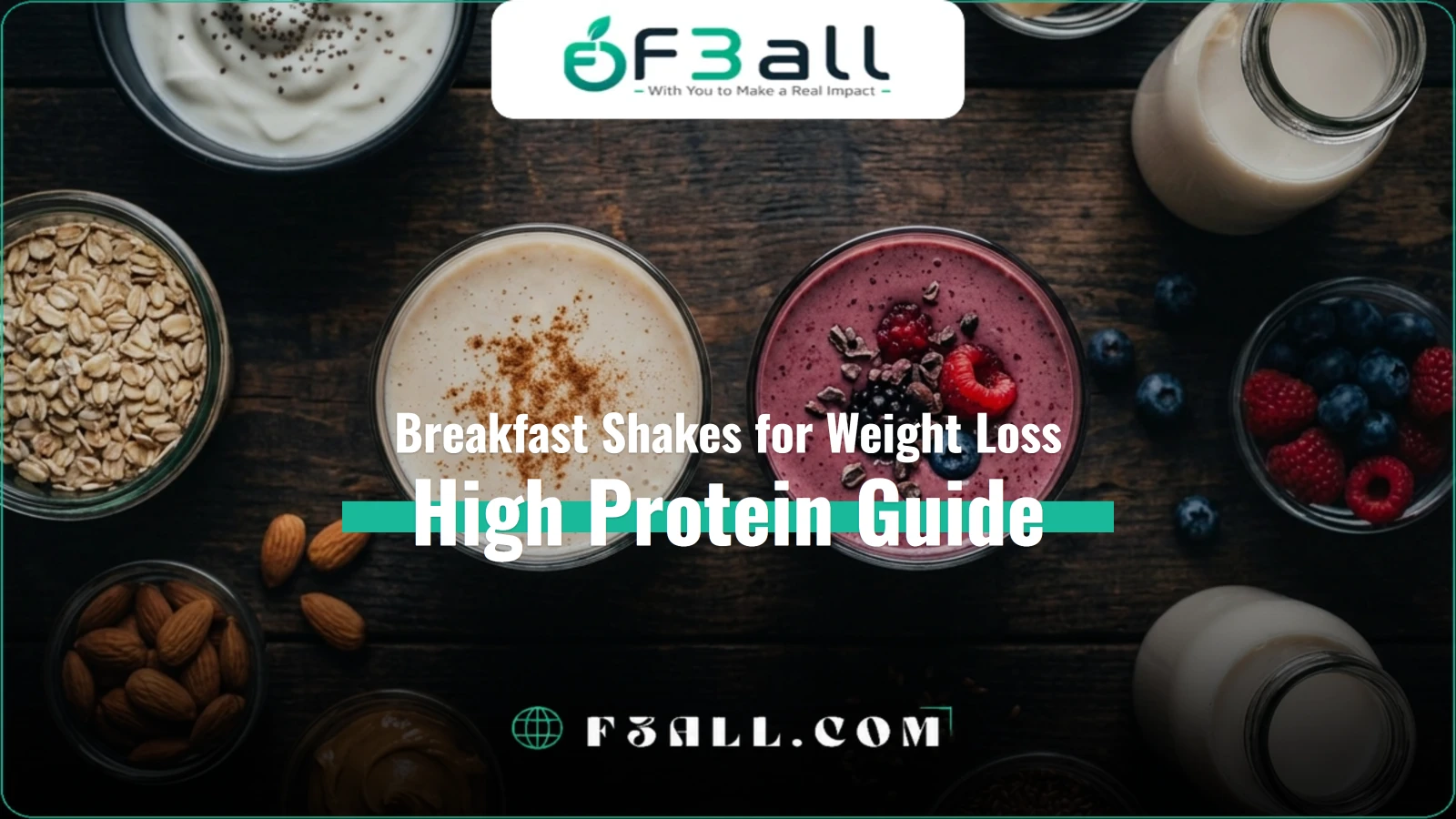
Breakfast Shakes for Weight Loss | High Protein Guide
Breakfast Shakes for Weight Loss can make mornings easier when they contain enough protein, fiber, and volume to function as a real meal instead of a sweet drink. A well-designed breakfast shake can help control calories while still providing enough nutrition to keep hunger manageable until the next meal.
The mistake is assuming every smoothie is automatically weight-loss friendly. Large amounts of fruit juice, nut butter, sweetened yogurt, honey, and calorie-dense toppings can turn a healthy breakfast shake into a 600-calorie drink. The better approach is to build the shake around protein first, then add controlled portions of fruit, fiber, and optional healthy fats.
What Makes a Good Breakfast Shake for Weight Loss
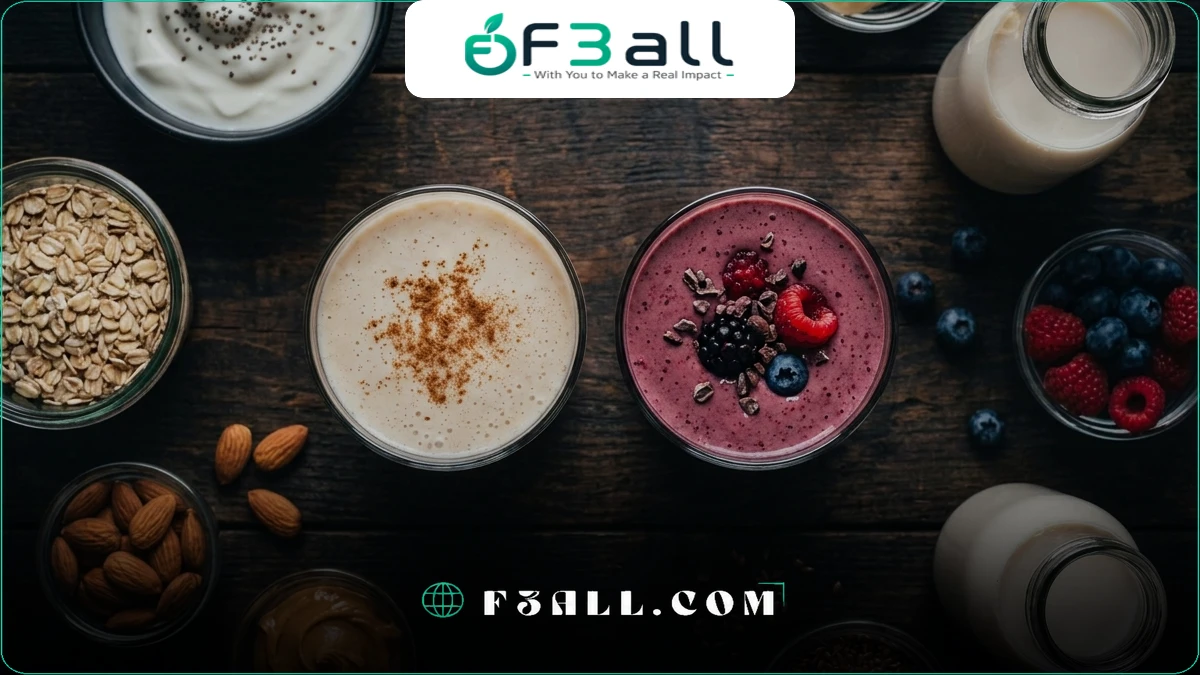
A useful breakfast smoothie for weight loss should balance calories with fullness.
| Component | Practical Target |
| Protein | Main foundation of the shake |
| Fruit | Usually 1 controlled portion |
| Fiber | Fruit, oats, chia, or vegetables |
| Liquid | Water or lower-calorie milk |
| Dietary fat | Small optional portion |
| Added sugar | Usually unnecessary |
Breakfast Shakes for Weight Loss work best when they replace a meal rather than being consumed alongside a full breakfast.
How Many Calories Should a Breakfast Shake Have
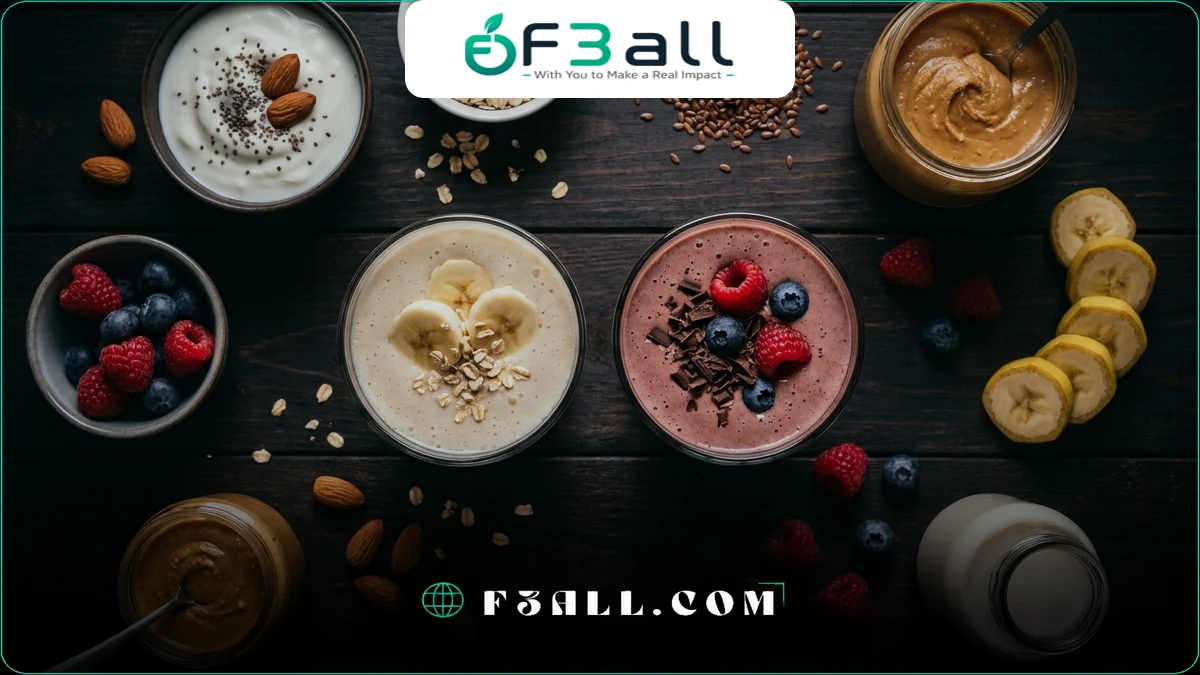
There is no universal calorie target, but many people find approximately 250 to 400 calories practical for a breakfast shake.
The correct amount depends on total daily energy needs.
| Shake Size | Approx. Calories | Best Use |
| Light shake | 200 to 250 | Smaller breakfast |
| Moderate shake | 250 to 350 | Common weight-loss breakfast |
| Larger shake | 350 to 450 | More active or higher-calorie needs |
| Above 500 | Can fit, but portions need attention | Higher energy requirements |
A low calorie breakfast shake should still contain enough protein and food volume to prevent hunger shortly afterward.
Protein Breakfast Shake Formula
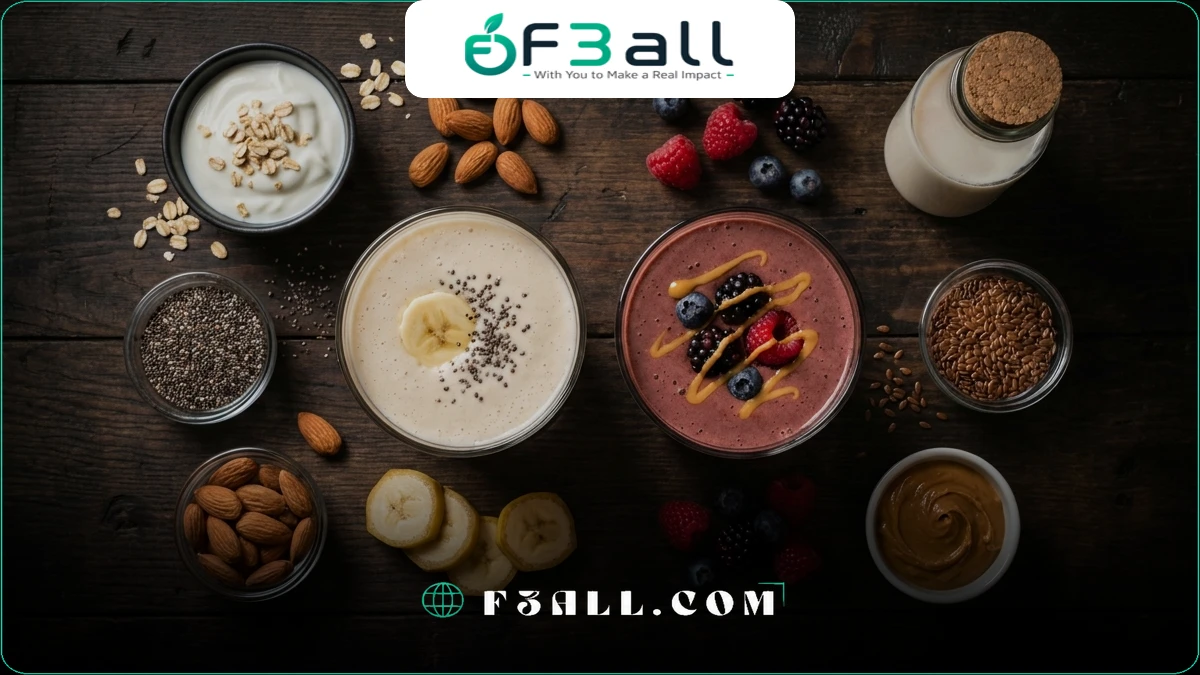
Protein is one of the most useful ingredients in Breakfast Shakes for Weight Loss.
A basic protein breakfast shake can include one item from each category.
| Category | Options |
| Protein | Greek yogurt, cottage cheese, whey isolate, soy protein |
| Fruit | Berries, banana, apple, peach |
| Fiber | Chia seeds, oats, berries |
| Liquid | Water, skim milk, unsweetened soy milk |
| Flavor | Cinnamon, cocoa, vanilla |
This structure allows dozens of variations without dramatically changing the calorie target.
Read more about: High Protein Shakes for Weight Loss | Smart Recipes
Strawberry Protein Breakfast Shake
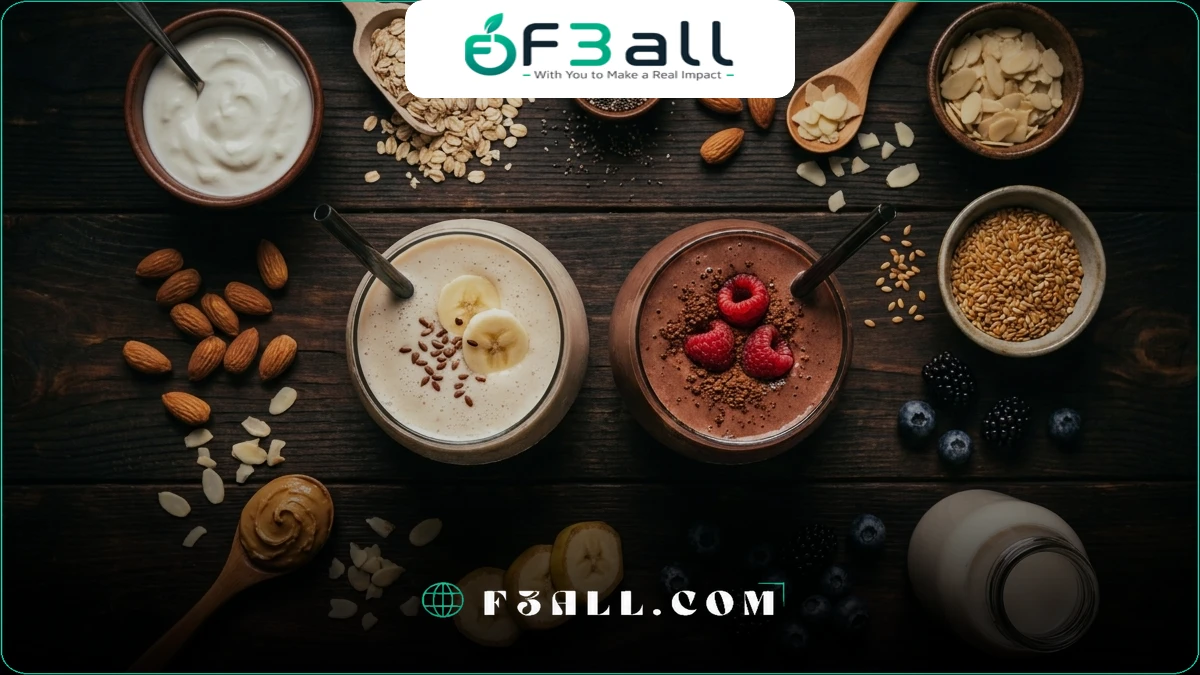
This is a simple high-protein option with a relatively large serving size.
| Ingredient | Amount |
| Strawberries | 150 g |
| Nonfat Greek yogurt | 170 g |
| Whey isolate | 15 g |
| Water and ice | As needed |
| Chia seeds | 10 g |
Approximate nutrition:
| Nutrition | Amount |
| Calories | About 250 kcal |
| Protein | About 31 g |
| Carbohydrates | About 22 g |
| Fiber | About 6 g |
This breakfast protein smoothie is useful when you want a high-volume shake without relying on large amounts of banana or nut butter.
Banana Oat Breakfast Shake
Banana adds sweetness while oats provide additional carbohydrate and texture.
| Ingredient | Amount |
| Banana | 60 g |
| Greek yogurt | 170 g |
| Dry oats | 30 g |
| Whey isolate | 15 g |
| Water and ice | As needed |
| Cinnamon | To taste |
This shake provides roughly 300 calories depending on the protein powder and yogurt used.
It works well before an active morning because it contains more carbohydrate than a basic berry shake.
Filling Breakfast Shakes Need More Than Fruit
Fruit-only smoothies can taste good but may contain little protein.
A shake containing several servings of fruit and juice may also be easy to drink quickly.
For better fullness, include at least two of these:
- Protein.
- Fiber.
- High-water fruit.
- Controlled dietary fat.
For example, Greek yogurt with berries and chia is generally more balanced than blending several fruits with juice.
Explore more meal ideas through Weight Loss Diet Plans.
Best Fruits for Morning Shakes for Weight Loss
Different fruits change the calorie and carbohydrate content of a shake.
| Fruit | Portion | Approx. Calories |
| Strawberries | 150 g | 48 kcal |
| Watermelon | 200 g | 60 kcal |
| Peach | 150 g | About 59 kcal |
| Banana | 60 g | About 53 kcal |
| Apple | 100 g | About 52 kcal |
| Blueberries | 100 g | About 57 kcal |
Berries are particularly useful because they provide flavor, color, fiber, and relatively few calories.
Banana is also perfectly acceptable, but using half a banana instead of several can keep calories easier to control.
Healthy Fats Need Smaller Portions
Nut butter, almonds, chia seeds, and avocado can make a healthy breakfast shake more satisfying.
They also raise calories quickly.
| Ingredient | Portion | Approx. Calories |
| Peanut butter | 10 g | About 59 kcal |
| Almonds | 15 g | About 87 kcal |
| Chia seeds | 10 g | About 49 kcal |
| Avocado | 50 g | About 80 kcal |
Choose one small source rather than adding several calorie-dense ingredients to the same shake.
Read more about: High Protein Snacks Weight Loss | Smart Snack Ideas
Meal Replacement Breakfast Shake
A meal replacement breakfast shake should provide more than fruit and water.
A stronger formula includes:
| Nutritional Role | Ingredient Example |
| Protein | Greek yogurt or protein powder |
| Fiber | Oats, chia, berries |
| Fruit | One measured serving |
| Liquid | Lower-calorie milk or water |
| Optional fat | Small measured portion |
If a shake contains only 100 calories and very little protein, it may function more like a beverage than a complete breakfast.
For most people, a meal replacement breakfast shake should be filling enough to prevent the need for another breakfast shortly afterward.
Homemade Breakfast Shake Versus Bottled Shakes
Homemade shakes make it easier to control ingredients.
| Homemade Shake | Bottled Shake |
| Easy to adjust calories | Calories already fixed |
| Fresh fruit can be included | Usually less fresh food |
| Protein can be customized | Protein varies by brand |
| Added sugar can be avoided | Some products contain added sugar |
| Requires preparation | Convenient |
Packaged shakes can still be useful, especially when convenience matters.
Check calories, protein, added sugar, and serving size rather than judging the product by phrases such as healthy or natural.
Low Calorie Breakfast Shakes
A low-calorie shake can be created by choosing ingredients with high volume and moderate energy density.
Useful options include:
- Strawberries.
- Berries.
- Greek yogurt.
- Protein powder.
- Water.
- Ice.
- Spinach.
- Cucumber.
- Small portions of chia.
The ingredients that most commonly push calories upward are large servings of nut butter, oats, full-fat milk, honey, dates, and multiple bananas.
These foods can still fit, but the portions matter.
Green Breakfast Shake
A green shake does not need to taste like vegetables.
| Ingredient | Amount |
| Greek yogurt | 170 g |
| Spinach | 50 g |
| Peach | 150 g |
| Chia seeds | 10 g |
| Water and ice | As needed |
Adding spinach increases volume and micronutrients while contributing relatively few calories.
Green color does not make a smoothie automatically better for fat loss, though. Total calories and overall nutrition still matter.
Chocolate Breakfast Protein Smoothie
Chocolate flavor can fit without turning the shake into dessert.
| Ingredient | Amount |
| Whey protein | 30 g |
| Banana | 60 g |
| Unsweetened cocoa | 5 to 10 g |
| Greek yogurt | 100 g |
| Water and ice | As needed |
Avoid automatically adding chocolate syrup, honey, several tablespoons of nut butter, and sweetened milk.
The difference between a protein smoothie and a milkshake often comes down to the extras.
Read more about: High Protein Low Carb Recipes for Weight Loss | Try Now
Should You Add Oats
Oats can make Breakfast Shakes for Weight Loss more substantial.
The amount matters.
| Dry Oats | Approx. Calories | Carbohydrates |
| 20 g | 76 kcal | 13.5 g |
| 30 g | 114 kcal | 20.3 g |
| 40 g | 152 kcal | 27 g |
A 20 to 30 gram portion works well for many breakfast shakes.
People with higher energy needs may prefer more.
Chia Seeds in Breakfast Shakes
Chia adds fiber and can thicken a smoothie.
| Chia Portion | Approx. Calories | Fiber |
| 10 g | 49 kcal | 3.5 g |
| 15 g | 74 kcal | 5.2 g |
| 20 g | 98 kcal | 7 g |
More is not always better.
A 10 to 15 gram serving is often enough to improve texture and fiber without using too much of the calorie budget.
Breakfast Shake Mistakes That Slow Weight Loss
A smoothie can become calorie-dense very quickly.
| Common Mistake | Better Choice |
| Using fruit juice as the base | Use water or lower-calorie milk |
| Adding several fruits | Use one main fruit portion |
| Large nut butter serving | Measure 10 to 15 g |
| Adding honey automatically | Taste the fruit first |
| Very little protein | Add yogurt or protein powder |
| Drinking a shake with breakfast | Use it as the meal |
| Huge smoothie bowl toppings | Keep toppings measured |
The blender does not make calories disappear.
Can Breakfast Shakes Reduce Belly Fat
Breakfast Shakes for Weight Loss cannot specifically target belly fat.
Abdominal fat decreases as overall body fat decreases.
A morning shake can support that process when it helps maintain a calorie deficit, but there is no special ingredient that directs fat loss only to the stomach.
The same principle applies whether the shake contains berries, protein powder, chia seeds, or vegetables.
Is It Better to Drink or Eat Breakfast
Some people feel more satisfied when chewing solid food.
Others prefer smoothies because they are quick and convenient.
Neither approach is automatically better.
| Choose a Shake When | Choose Solid Food When |
| Mornings are rushed | Liquids leave you hungry |
| Appetite is low early | You prefer larger meals |
| Protein intake is difficult | You enjoy eggs, yogurt, or oats |
| Convenience matters | You tend to drink shakes too quickly |
The best breakfast is the one that supports your calorie target and keeps hunger manageable.
A Simple Five-Day Breakfast Shake Rotation
Using different shakes prevents the routine from becoming repetitive.
| Day | Main Flavor | Protein Base |
| Monday | Strawberry | Greek yogurt |
| Tuesday | Banana oat | Whey and yogurt |
| Wednesday | Peach green | Greek yogurt |
| Thursday | Chocolate banana | Whey protein |
| Friday | Blueberry chia | Yogurt and whey |
The portions can be adjusted according to individual calorie and protein requirements.
For additional ideas, explore Delicious Diet Recipes.
Why F3all Is Your Best Choice

At F3all, Breakfast Shakes for Weight Loss are built around realistic calories, protein, fiber, portion control, and practical ingredients instead of detox claims or fat-burning promises.
Readers can also explore Weight Loss, Healthy Drinks, and Weight Loss Diet Plans for more structured weight-management guidance.
Frequently Asked Questions
Are Breakfast Shakes for Weight Loss effective?
They can help when they replace a higher-calorie meal and contain enough protein and fiber to keep hunger manageable.
What should I put in a weight loss breakfast shake?
Use a protein source, measured fruit, fiber-rich ingredient, and a lower-calorie liquid.
How much protein should a breakfast shake have?
Many people find around 20 to 30 grams practical for a meal-sized shake, although individual protein needs vary.
Can I drink a breakfast shake every day?
Yes, provided the overall diet remains varied and nutritionally adequate.
Are bananas good in weight loss shakes?
Yes. Bananas provide sweetness and carbohydrate. Portion control matters because larger servings contain more calories.
Is peanut butter good in breakfast shakes?
Yes, but measure it carefully. Around 10 grams provides approximately 59 calories.
Are meal replacement shakes good for weight loss?
They can be useful when appropriately formulated and used to replace a meal rather than being added to normal daily intake.
Should I add oats to a breakfast smoothie?
Oats can provide carbohydrate, fiber, and greater fullness. A 20 to 30 gram portion is practical for many people.
Can breakfast smoothies reduce belly fat?
No smoothie specifically targets abdominal fat. Overall fat loss depends on maintaining an appropriate calorie deficit.
Is homemade better than a bottled breakfast shake?
Homemade shakes provide more ingredient control, while bottled shakes offer convenience. Either can work when calories, protein, and added sugar are appropriate.
In the End
Breakfast Shakes for Weight Loss can provide a convenient and filling morning meal when protein is the foundation and calorie-dense ingredients are measured carefully. Greek yogurt, protein powder, berries, oats, chia, fruit, water, and lower-calorie milk can all be used to build balanced combinations.
Keep most meal-sized shakes around a calorie level appropriate for your daily needs, avoid turning smoothies into desserts with multiple high-calorie additions, and remember that the shake works because it fits the overall calorie deficit, not because blending food creates a special fat-burning effect.
References