Best Veggies Weight Loss | Compare Top Choices and Tips
Best Veggies Weight Loss is a useful topic for anyone looking to build satisfying meals with fewer calories and more essential nutrients. Vegetables provide water, dietary fiber, vitamins, minerals, and natural variety, making them valuable in a balanced weight-management plan. From leafy greens and broccoli to carrots, cauliflower, and sweet potatoes, different vegetables offer different advantages. The goal is not to find one magical fat-burning vegetable but to understand which choices suit your appetite, nutritional needs, and everyday meals.
This guide compares vegetable calories, explains their nutritional benefits, explores practical serving sizes, and provides recipes, meal-planning strategies, and realistic expectations for weight loss.
Best Veggies Weight Loss – 15 Vegetables Worth Adding to Your Diet
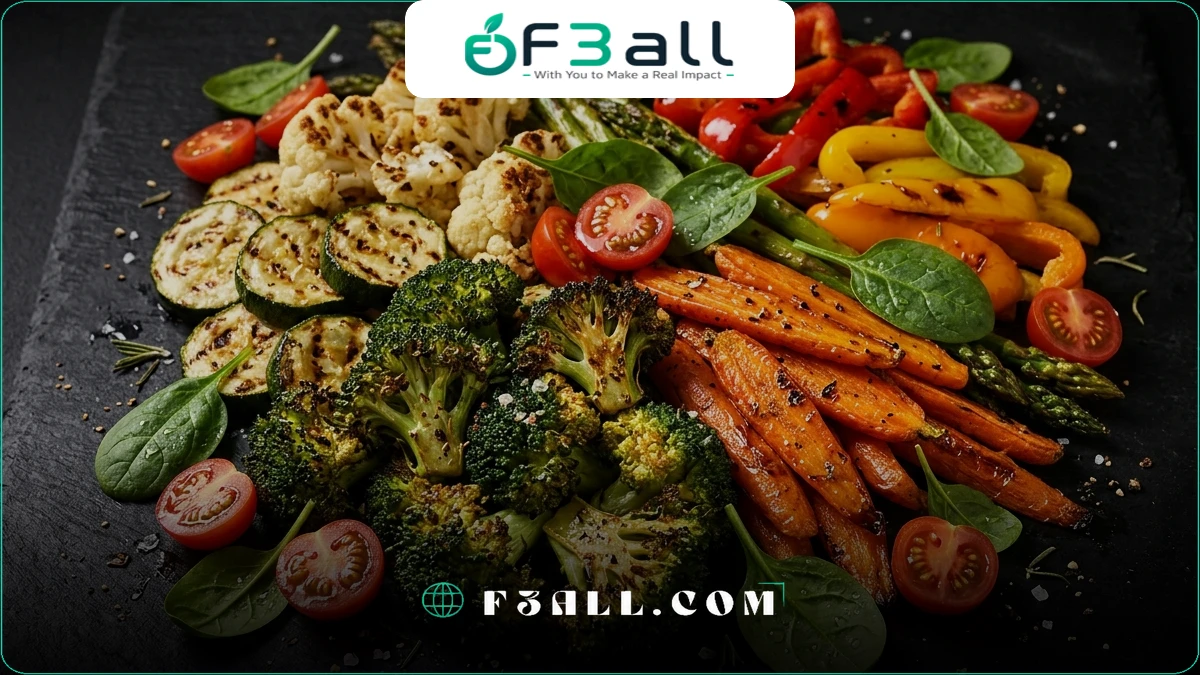
Vegetables differ in energy density, fiber content, water content, and nutritional composition. Many non-starchy vegetables are particularly useful when managing calories because they provide considerable food volume with relatively little energy.
Starchy vegetables can also support weight management. Potatoes, peas, and corn provide carbohydrates and other nutrients, and their suitability depends on portions and preparation.
Here are 15 vegetables worth considering.
| Vegetable | Approx. Calories per 100 g | Fiber per 100 g | Main Nutritional Advantage |
| Spinach, raw | 23 | 2.2 g | Folate and vitamin K |
| Broccoli, raw | 34 | 2.6 g | Vitamin C and fiber |
| Cauliflower, raw | 25 | 2.0 g | Versatile, low energy density |
| Zucchini, raw | 17 | 1.0 g | High water content |
| Cucumber, with peel | 15 | 0.5 g | Hydration and volume |
| Cabbage, raw | 25 | 2.5 g | Fiber and vitamin C |
| Carrots, raw | 41 | 2.8 g | Beta-carotene |
| Bell Peppers, raw | 20–31 | 1.7–2.1 g | Vitamin C |
| Asparagus, raw | 20 | 2.1 g | Folate |
| Green Beans, raw | 31 | 2.7 g | Fiber |
| Mushrooms, raw | 22 | 1.0 g | B vitamins |
| Brussels Sprouts, raw | 43 | 3.8 g | Fiber and vitamin K |
| Tomatoes, raw | 18 | 1.2 g | Lycopene |
| Sweet Potatoes, raw | 86 | 3.0 g | Carbohydrates and beta-carotene |
| Potatoes, raw | 77 | 2.2 g | Potassium and carbohydrates |
Nutrition values are approximate USDA-based reference figures. Varieties, cooking methods, and water content can change the results.
1. Spinach – A Nutrient-Dense Leafy Green
Spinach is low in calories and contributes folate, vitamin K, and carotenoids.
It works well in salads, omelets, soups, and cooked vegetable dishes.
Because spinach reduces considerably in volume when cooked, cooked portions can contain more spinach than the same volume of raw leaves.
2. Broccoli – A Fiber-Rich Vegetable
Broccoli provides dietary fiber, vitamin C, and several plant compounds.
Steaming, roasting, or adding broccoli to stir-fries can make it a convenient side dish.
3. Cauliflower – A Versatile Substitute
Cauliflower can be roasted, mashed, added to soups, or chopped into small pieces for rice-style dishes.
It can reduce the calorie content of certain recipes when replacing part of a more energy-dense ingredient.
4. Zucchini – Useful for High-Volume Meals
Zucchini contains substantial water and relatively few calories.
It works well in vegetable noodles, soups, grilled dishes, and mixed vegetable meals.
5. Cucumber – A Convenient Snack
Cucumber is particularly useful in salads and snacks.
Its high water content adds volume, although it contributes less fiber than several other vegetables.
6. Cabbage – Budget-Friendly and Filling
Cabbage can be shredded into salads, sautéed, or used in soups.
It is often economical and stores well when handled properly.
7. Carrots – Crunchy and Convenient
Carrots contain fiber and beta-carotene, which the body can convert into vitamin A.
They can be eaten raw, roasted, or added to soups.
8. Bell Peppers – Colorful and Vitamin-Rich
Bell peppers provide vitamin C and add sweetness and crunch.
Different colors offer slightly different nutritional profiles.
9. Asparagus – A Low-Calorie Side Dish
Asparagus contains folate and fiber.
It can be steamed, grilled, or roasted.
10. Green Beans – Easy to Combine With Protein
Green beans provide fiber and work well with fish, chicken, tofu, or legumes.
11. Mushrooms – A Savory Addition
Mushrooms provide umami flavor, allowing recipes to taste satisfying without relying entirely on rich sauces.
12. Brussels Sprouts – Higher in Fiber
Brussels sprouts offer substantial fiber relative to their calorie content.
Roasting brings out their natural flavor.
13. Tomatoes – Useful in Many Meals
Tomatoes provide vitamin C and lycopene.
They work in salads, soups, sauces, and cooked dishes.
14. Sweet Potatoes – A Nutritious Starchy Option
Sweet potatoes provide carbohydrates, fiber, and beta-carotene.
They are more calorie-dense than leafy greens but can still fit into a balanced weight-management diet.
15. Potatoes – More Than Their Reputation
Boiled or baked potatoes can contribute potassium, carbohydrates, and satiety.
Preparation matters: deep-frying and adding large amounts of butter or cream significantly change the meal’s calorie content.
The best vegetable selection includes a mix of leafy greens, cruciferous vegetables, colorful produce, and appropriately portioned starchy vegetables.
Best Veggies Calories for Weight Loss – Understanding Energy Density
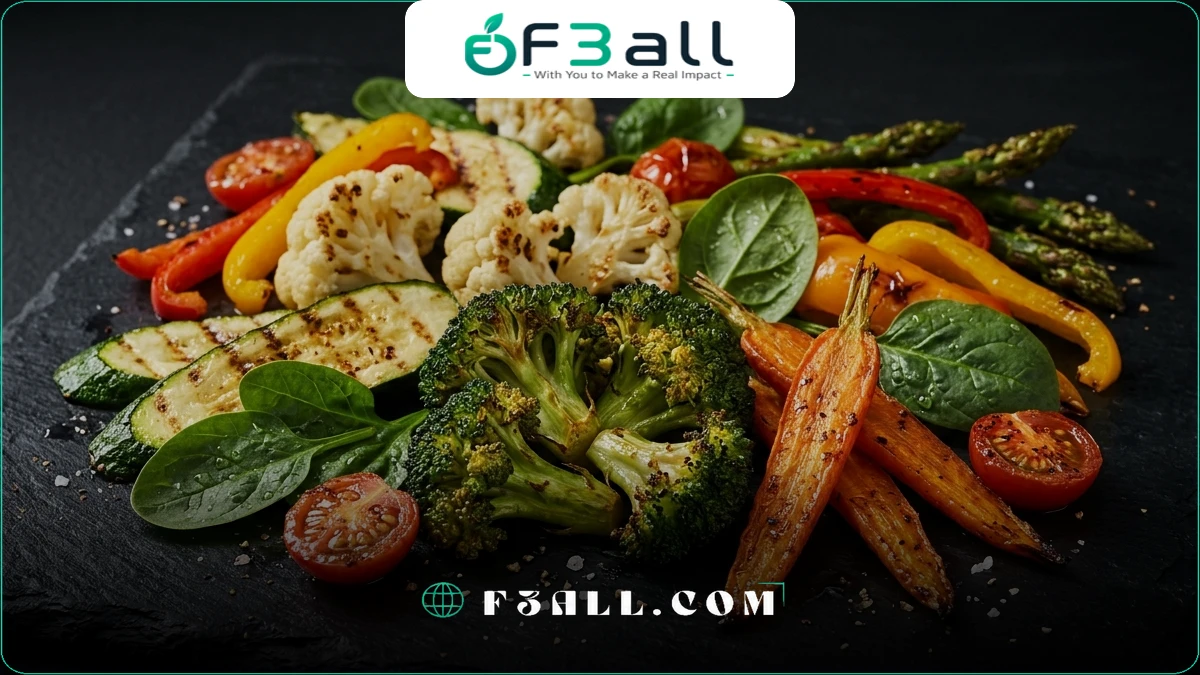
Best Veggies Calories for Weight Loss is fundamentally about energy density: the number of calories in a given weight of food.
Many vegetables contain a high proportion of water and relatively little fat, which helps keep their energy density low.
This can make it easier to build generous portions without consuming excessive calories.
Low-Calorie Vegetable Comparison
| Vegetable | Approx. Calories per 1 Cup | Preparation |
| Spinach | 7 | Raw |
| Lettuce | 5–10 | Raw, shredded |
| Cucumber | 16 | Sliced |
| Zucchini | 20 | Raw, chopped |
| Cauliflower | 27 | Raw, chopped |
| Broccoli | 31 | Raw, chopped |
| Cabbage | 22 | Raw, chopped |
| Carrots | 52 | Raw, chopped |
| Bell Peppers | 25–40 | Raw, chopped |
Values are estimates, and cup weights differ substantially among vegetables.
Why Volume Matters
Compare two side dishes:
- One cup of steamed broccoli contains approximately 30–55 calories, depending on the actual weight.
- One tablespoon of olive oil adds approximately 120 calories.
The vegetables provide substantial volume, while the oil contributes concentrated energy.
Both can belong in a balanced diet, but measuring added fats makes calorie planning easier.
Are Starchy Vegetables Bad for Weight Loss?
No.
Starchy vegetables such as potatoes, peas, and corn provide useful carbohydrates and nutrients.
The appropriate amount depends on the complete meal and individual energy requirements.
Does Cooking Increase Vegetable Calories?
Cooking without added ingredients does not create additional energy.
However, cooking changes water content, so calories per 100 grams may differ between raw and cooked vegetables.
Oil, butter, breading, cheese, and sauces can increase calories.
Example Vegetable Side Dishes
| Dish | Approximate Calories |
| Steamed Broccoli, 1 Cup | 55 |
| Roasted Zucchini With 1 Tsp Olive Oil | 65–85 |
| Raw Carrot Sticks, 1 Cup | 50 |
| Baked Potato, Medium, Plain | 160 |
| Cauliflower Mash Without Butter | 40–70 |
| Green Beans With 1 Tbsp Butter | 155–165 |
Choosing vegetables with lower energy density can help create satisfying meals, while preparation and added ingredients determine the final calorie total.
Best Veggies Nutrition for Weight Loss – Beyond the Calorie Count
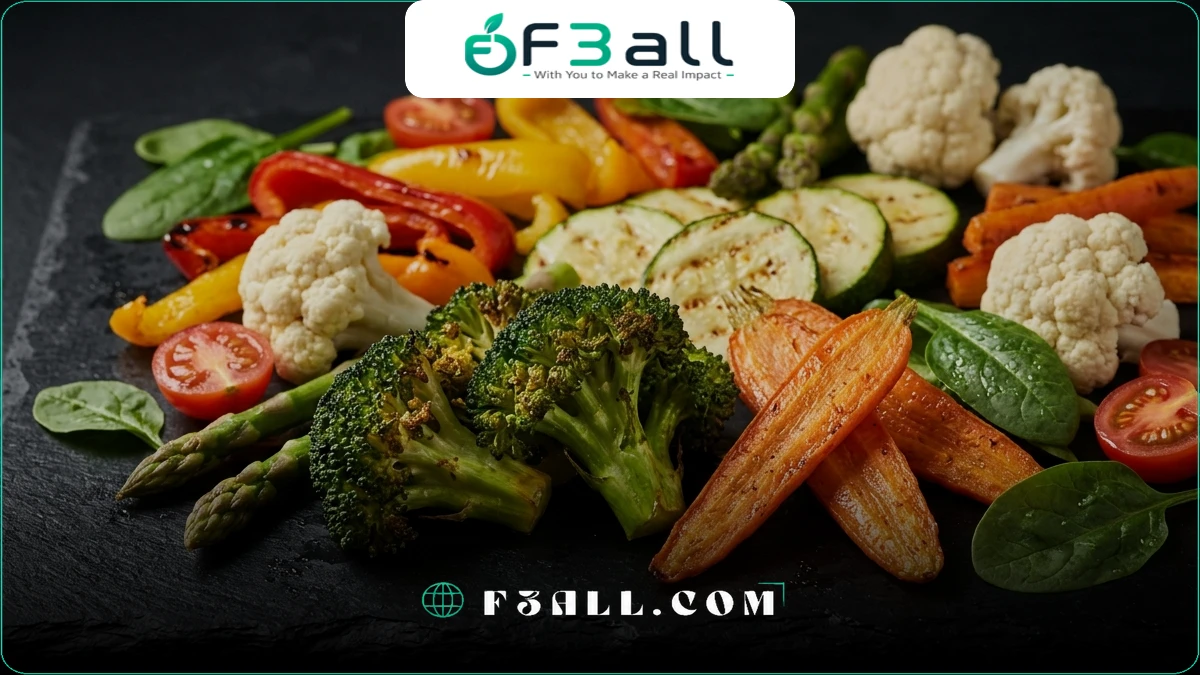
Best Veggies Nutrition for Weight Loss involves fiber, water, vitamins, minerals, and other compounds that support overall health.
Different vegetable families offer different nutritional strengths, making variety more valuable than relying on one food.
Leafy Green Vegetables
Spinach, kale, lettuce, and similar greens can provide:
- Vitamin K.
- Folate.
- Carotenoids.
- Potassium.
- Small amounts of dietary fiber.
Cruciferous Vegetables
Broccoli, cabbage, cauliflower, and Brussels sprouts contribute:
- Vitamin C.
- Fiber.
- Folate.
- Glucosinolates and related plant compounds.
Orange Vegetables
Carrots, pumpkin, and orange sweet potatoes provide beta-carotene.
Beta-carotene can contribute to vitamin A intake.
Red Vegetables
Tomatoes and red peppers provide carotenoids and vitamin C.
Starchy Vegetables
Potatoes, peas, corn, and sweet potatoes provide carbohydrates and varying amounts of fiber, potassium, and other nutrients.
Vegetable Nutrient Comparison
| Vegetable Group | Notable Nutrients | Useful Role |
| Leafy Greens | Vitamin K, folate | Nutrient density |
| Cruciferous | Vitamin C, fiber | Meal volume and fiber |
| Orange Vegetables | Beta-carotene | Vitamin A contribution |
| Red Vegetables | Lycopene, vitamin C | Dietary variety |
| Legume Vegetables | Fiber, some protein | Satiety and nutrition |
| Starchy Vegetables | Carbohydrates, potassium | Energy and meal balance |
Why Fiber Matters
Dietary fiber can contribute to bowel regularity and fullness.
However, fiber content varies. Cucumbers and lettuce are low in calories but contain less fiber than Brussels sprouts, peas, or beans.
Why Water Content Matters
Vegetables with substantial water content can increase meal volume.
This may support satisfaction, although appetite responses differ among individuals.
Does Vegetable Color Indicate Nutrition?
Color can offer clues about plant compounds, but it does not provide a complete nutritional assessment.
A variety of colors and types is a practical approach.
For better nutritional coverage, combine vegetables from different groups instead of choosing solely by calorie count.
Best Veggies Benefits for Weight Loss
Best Veggies Benefits for Weight Loss are associated with their nutritional characteristics and their ability to contribute to balanced, satisfying meals.
Vegetables are not fat-burning medications, but they can make a weight-management eating pattern easier to follow.
1. Lower Energy Density
Many non-starchy vegetables provide substantial volume with relatively few calories.
2. Dietary Fiber
Fiber may support fullness and digestive regularity.
3. Greater Meal Volume
Adding vegetables can make meals appear and feel more substantial.
4. Vitamins and Minerals
Vegetables provide nutrients needed for normal physiological functions.
5. Food Variety
Different textures and flavors can reduce meal repetition.
6. Convenient Meal Substitutions
Vegetables can replace part of more calorie-dense ingredients in certain dishes.
7. Support for Long-Term Dietary Quality
Higher vegetable intake is an important component of dietary patterns associated with better health outcomes.
Benefits and Limitations
| Benefit | How Vegetables Help | Important Limitation |
| Lower Calorie Density | Adds food volume | Sauces can change calories |
| Fiber | Supports digestion and fullness | Amount varies |
| Nutrient Intake | Provides vitamins and minerals | No single vegetable provides everything |
| Hydration | Many contain substantial water | Does not replace drinking fluids |
| Meal Variety | Different flavors and textures | Preferences vary |
| Portion Flexibility | Non-starchy vegetables often allow generous portions | Complete meals still need balance |
Do Vegetables Speed Up Metabolism?
There is no convincing evidence that eating a specific vegetable dramatically increases metabolic rate.
Can Vegetables Reduce Hunger?
Some vegetables may improve meal satisfaction, particularly when combined with protein, whole grains, and appropriate fats.
Can You Lose Weight by Eating Only Vegetables?
An exclusively vegetable-based diet would be nutritionally incomplete and is not recommended.
Vegetables contribute to weight management most effectively when they complement adequate protein, healthy fats, and other nutrient-rich foods.
Read more about: Best Beans for Weight Loss | Compare Top Choices Today.
Best Veggies Serving Size for Weight Loss
Best Veggies Serving Size for Weight Loss depends on vegetable type, meal composition, and individual nutritional needs.
Non-starchy vegetables can often make up a substantial part of a meal, while starchy vegetables are typically considered alongside other carbohydrate sources.
General Vegetable Serving Equivalents
In common U.S. dietary guidance, one cup-equivalent of vegetables may be:
- One cup of raw or cooked vegetables.
- Two cups of raw leafy salad greens.
- One cup of 100% vegetable juice.
These are dietary guidance equivalents, not universal weight-loss prescriptions.
The Balanced Plate Approach
A practical meal-building strategy is to fill approximately half the plate with non-starchy vegetables, one quarter with protein-rich foods, and one quarter with whole grains or other suitable carbohydrate foods.
This is a flexible visual guide rather than a fixed rule for everyone.
Practical Serving Examples
| Vegetable | Example Portion | Meal Use |
| Spinach | 2 Cups Raw | Salad base |
| Broccoli | 1 Cup Cooked | Dinner side |
| Carrots | ½–1 Cup | Snack or side |
| Cauliflower | 1 Cup | Roasted side |
| Zucchini | 1 Cup | Stir-fry |
| Sweet Potato | ½–1 Medium | Starchy side |
| Green Peas | ½ Cup | Grain bowl |
| Cabbage | 1–2 Cups Raw | Slaw |
Can You Eat Too Many Vegetables?
Very large amounts may cause digestive discomfort in some people, especially when fiber intake increases abruptly.
Eating excessive quantities of vegetables at the expense of adequate protein, fat, or overall energy intake can also lead to an unbalanced diet.
Should You Weigh Vegetables?
Weighing can improve precision when following a structured meal plan, but it is not necessary for everyone.
How Much Vegetable Variety Is Enough?
Rotating different vegetables throughout the week helps broaden nutrient intake.
Use serving sizes as flexible planning tools and prioritize balanced meals over rigid vegetable-only targets.
Best Veggies vs Alternatives for Weight Loss
Best Veggies vs Alternatives for Weight Loss compares vegetables with other foods commonly used to build satisfying meals.
Vegetables and alternatives are not necessarily competitors. Many work best together.
Vegetables vs Fruit
Both provide water, fiber, vitamins, and plant compounds.
Fruit often contains more naturally occurring sugars, but whole fruit can still support a balanced diet.
Vegetables vs Whole Grains
Whole grains generally provide more calories and carbohydrates per serving, along with fiber and other nutrients.
They are useful energy sources and do not need to be eliminated for weight management.
Vegetables vs Legumes
Beans, lentils, and chickpeas provide fiber and protein.
They are usually more energy-dense than leafy vegetables but can contribute strongly to meal satisfaction.
Vegetables vs Protein Foods
Vegetables typically contain less protein than eggs, fish, poultry, tofu, or dairy foods.
A complete meal benefits from combining food groups.
Cauliflower Rice vs Brown Rice
Cauliflower rice contains fewer calories and carbohydrates per cup.
Brown rice provides more carbohydrate energy and contributes fiber and minerals.
The better choice depends on the meal and individual needs.
Zucchini Noodles vs Pasta
Zucchini noodles are lower in calories.
Whole-wheat pasta provides more energy, protein, and carbohydrates.
Combining both can create a satisfying meal.
Food Comparison
| Food | Approx. Calories per 100 g | Main Contribution |
| Broccoli, Raw | 34 | Fiber and vitamin C |
| Cauliflower, Raw | 25 | Low energy density |
| Apple, Raw | 52 | Fruit fiber and carbohydrates |
| Brown Rice, Cooked | 110–125 | Carbohydrate energy |
| Lentils, Cooked | 116 | Fiber and protein |
| Chicken Breast, Cooked | 165 | Protein |
| Whole-Wheat Pasta, Cooked | 145–160 | Carbohydrates and some protein |
Vegetables are especially useful for meal volume, but balanced weight management depends on combining them with other nutritious food groups.
Best Veggies Recipes for Weight Loss – Seven Easy Meal Ideas
Best Veggies Recipes for Weight Loss should combine flavor, convenient preparation, and nutritional balance.
The following recipes use different vegetables and cooking methods to prevent meals from becoming repetitive.
Calorie estimates are approximate and depend on ingredient quantities.
Recipe 1 – Garlic Roasted Broccoli and Cauliflower
Ingredients
- 1 cup broccoli florets.
- 1 cup cauliflower florets.
- 2 teaspoons olive oil.
- 1 garlic clove, minced.
- Black pepper.
- Lemon juice.
Instructions
- Preheat the oven to 400°F (200°C).
- Wash and dry the vegetables.
- Combine broccoli and cauliflower with olive oil.
- Add garlic and pepper.
- Spread on a baking tray.
- Roast for approximately 20–25 minutes, turning once.
- Finish with lemon juice.
Estimated calories: 170–190 for the entire recipe.
Servings: 2.
Best pairing: Grilled chicken, fish, tofu, or beans.
Roasting creates a flavorful vegetable side dish without requiring a heavy sauce.
Recipe 2 – Zucchini Noodles With Tomato Sauce
Ingredients
- 2 medium zucchini.
- ½ cup crushed tomatoes.
- 1 teaspoon olive oil.
- 1 garlic clove.
- Fresh basil.
- Black pepper.
Instructions
- Spiralize the zucchini.
- Heat olive oil in a pan.
- Add garlic and cook briefly.
- Stir in crushed tomatoes.
- Simmer for five minutes.
- Add zucchini noodles.
- Cook briefly until tender.
- Garnish with basil.
Estimated calories: 150–190 for the full recipe.
Servings: 2.
Best pairing: Chicken breast, shrimp, tofu, or white beans.
This dish can replace part of a pasta serving or be combined with whole-grain pasta for a more substantial meal.
Recipe 3 – Rainbow Vegetable and Chickpea Bowl
Ingredients
- ½ cup cooked chickpeas.
- 1 cup chopped cucumber.
- ½ cup cherry tomatoes.
- ½ cup chopped bell peppers.
- 1 cup spinach.
- 1 teaspoon olive oil.
- 1 tablespoon lemon juice.
- Fresh parsley.
Instructions
- Wash and chop the vegetables.
- Place spinach in a serving bowl.
- Add cucumber, tomatoes, and peppers.
- Add chickpeas.
- Mix olive oil and lemon juice.
- Pour over the bowl.
- Sprinkle with parsley.
Estimated calories: 240–280.
Servings: 1.
Nutritional advantage: Vegetables, plant protein, and dietary fiber.
Recipe 4 – Creamy Cauliflower Soup
Ingredients
- 2 cups cauliflower florets.
- ½ small onion.
- 1 garlic clove.
- 2 cups low-sodium vegetable broth.
- ¼ cup plain Greek yogurt.
- 1 teaspoon olive oil.
- Black pepper.
Instructions
- Heat olive oil in a saucepan.
- Cook onion until softened.
- Add garlic and cauliflower.
- Pour in vegetable broth.
- Simmer until cauliflower is tender.
- Blend until smooth.
- Allow to cool slightly before stirring in Greek yogurt.
- Season with pepper.
Estimated calories: 180–230 for the full recipe.
Servings: 2.
Best pairing: Whole-grain toast and a suitable protein source.
Recipe 5 – Stuffed Bell Peppers With Lentils
Ingredients
- 2 large bell peppers.
- ¾ cup cooked lentils.
- ½ cup cooked brown rice.
- ½ cup diced tomatoes.
- ¼ small onion.
- 1 teaspoon olive oil.
- Paprika and black pepper.
Instructions
- Preheat the oven to 375°F (190°C).
- Cut peppers in half and remove seeds.
- Mix lentils, rice, tomatoes, onion, and seasonings.
- Fill the pepper halves.
- Drizzle with olive oil.
- Cover and bake until peppers are tender.
- Serve warm.
Estimated calories: 400–460 for the full recipe.
Servings: 2.
Nutritional advantage: Fiber, plant protein, and whole grains.
Recipe 6 – Roasted Carrot and Sweet Potato Bowl
Ingredients
- 1 medium carrot.
- ½ medium sweet potato.
- ½ cup cooked quinoa.
- 1 cup spinach.
- 1 teaspoon olive oil.
- Lemon juice.
- Ground cumin.
Instructions
- Preheat the oven to 400°F (200°C).
- Cut carrot and sweet potato into cubes.
- Toss with olive oil and cumin.
- Roast until tender.
- Place spinach and quinoa in a bowl.
- Add roasted vegetables.
- Finish with lemon juice.
Estimated calories: 270–330.
Servings: 1.
Best pairing: Tofu, chicken, or chickpeas for additional protein.
Recipe 7 – Quick Vegetable Egg Scramble
Ingredients
- 2 eggs.
- ½ cup spinach.
- ½ cup mushrooms.
- ¼ cup diced tomatoes.
- ¼ cup bell peppers.
- 1 teaspoon olive oil.
- Black pepper.
Instructions
- Heat olive oil in a nonstick pan.
- Add mushrooms and peppers.
- Cook until softened.
- Add spinach and tomatoes.
- Whisk eggs separately.
- Pour eggs over the vegetables.
- Stir until fully cooked.
- Season and serve.
Estimated calories: 230–270.
Servings: 1.
Nutritional advantage: Protein combined with several vegetables.
Recipe Comparison
| Recipe | Estimated Calories per Serving | Main Feature |
| Roasted Broccoli and Cauliflower | 85–95 | Low-calorie side |
| Zucchini Noodles | 75–95 | Vegetable-based pasta alternative |
| Chickpea Vegetable Bowl | 240–280 | Fiber and plant protein |
| Cauliflower Soup | 90–115 | Warm, high-volume side |
| Stuffed Bell Peppers | 200–230 | Fiber-rich meal |
| Carrot and Sweet Potato Bowl | 270–330 | Balanced carbohydrates |
| Vegetable Egg Scramble | 230–270 | Protein-rich breakfast |
These recipes demonstrate that vegetables can support weight management through enjoyable meals rather than restrictive vegetable-only diets.
Best Veggies Diet Plan – A Seven-Day Meal Schedule
A Best Veggies Diet Plan should emphasize variety rather than repeating the same salad every day.
Including vegetables at different meals can help improve fiber intake and nutritional quality.
The following plan combines vegetables with protein-rich foods, whole grains, fruit, and appropriate amounts of healthy fats.
It is an illustrative eating plan, not an individualized calorie prescription.
| Day | Breakfast | Lunch | Dinner | Optional Snack |
| Monday | Spinach and egg omelet | Chicken and broccoli grain bowl | Salmon with roasted cauliflower | Carrot sticks and hummus |
| Tuesday | Greek yogurt with berries | Chickpea and cucumber salad | Turkey with zucchini and brown rice | Bell pepper strips |
| Wednesday | Mushroom egg scramble | Lentil vegetable soup | Fish with asparagus and baked potato | Cucumber and yogurt dip |
| Thursday | Whole-grain toast with eggs and tomatoes | Quinoa bowl with peppers and spinach | Chicken with green beans and sweet potato | Cherry tomatoes |
| Friday | Oatmeal with fruit | Stuffed bell peppers with lentils | Tofu and broccoli stir-fry | Carrots and hummus |
| Saturday | Vegetable omelet | Cabbage and chicken wrap | Salmon with Brussels sprouts and quinoa | Cucumber slices |
| Sunday | Eggs with spinach and mushrooms | Chickpea vegetable bowl | Roasted chicken with mixed vegetables | Bell pepper and yogurt dip |
How to Adapt the Plan
The plan can be adjusted according to:
- Individual energy needs.
- Protein requirements.
- Food preferences.
- Allergies and intolerances.
- Budget.
- Cooking facilities.
- Physical activity.
How to Prepare Vegetables for the Week
Prepare a few basic components:
- Wash leafy greens and dry them thoroughly.
- Chop carrots and peppers for snacks.
- Roast a batch of broccoli and cauliflower.
- Cook a portion of quinoa or brown rice.
- Prepare a bean or lentil dish.
- Store cooked and raw foods appropriately.
- Assemble meals with protein sources throughout the week.
Why Include Both Raw and Cooked Vegetables?
Raw vegetables offer crunch and convenience.
Cooking can improve the palatability and digestibility of certain vegetables and can change the availability of some nutrients.
Both forms can contribute to a nutritious eating pattern.
A practical vegetable-focused meal plan uses different colors, textures, and preparation methods while maintaining balanced nutrition.
Read more about: Best Cottage Cheese for Weight Loss | Compare Top Picks
Best Veggies for Belly Fat – Separating Facts From Claims
Best Veggies for Belly Fat is a popular search because certain foods are advertised as solutions for abdominal fat.
However, no vegetable has been established as a food that selectively burns fat from the stomach.
Understanding Abdominal Fat
Abdominal fat includes two major categories:
- Subcutaneous fat: Fat located beneath the skin.
- Visceral fat: Fat located around internal organs.
Excess visceral fat is associated with increased cardiometabolic risk.
Does Broccoli Burn Belly Fat?
No.
Broccoli provides fiber, vitamin C, and other nutrients, but it does not directly target abdominal fat.
Does Cucumber Reduce Belly Fat?
Cucumber contains relatively few calories and substantial water.
It can contribute to a lower-energy-density meal, but it does not selectively remove belly fat.
Does Spinach Melt Abdominal Fat?
No.
Spinach is nutrient-dense, but claims that it directly melts fat are unsupported.
Can Vegetables Support Overall Fat Loss?
Yes, as part of an appropriate dietary pattern.
Replacing some calorie-dense foods with vegetables may help reduce total energy intake while maintaining meal volume.
Belly-Fat Claims Compared
| Claim | Evidence-Based Interpretation |
| Broccoli Burns Belly Fat | Unsupported |
| Cucumber Melts Stomach Fat | Unsupported |
| Spinach Targets Visceral Fat | Not established |
| Vegetables Can Lower Meal Energy Density | Yes |
| Fiber May Support Fullness | Yes |
| Overall Weight Reduction May Reduce Abdominal Fat | Yes |
| Exercise Supports Body Composition | Yes |
What Helps Reduce Abdominal Fat?
Strategies supported by evidence include:
- Maintaining an appropriate energy intake.
- Eating a balanced diet.
- Regular aerobic activity.
- Resistance training.
- Adequate sleep.
- Medical care when indicated.
Does Vegetable Bloating Mean Belly Fat?
No.
Some vegetables, especially cruciferous vegetables and onions, may cause temporary bloating or gas in sensitive individuals.
This is different from gaining body fat.
Vegetables support overall nutritional quality and may help with energy management, but abdominal-fat reduction depends on broader changes in body composition.
Best Veggies Best Time to Eat for Weight Loss
Best Veggies Best Time to Eat is another common question.
There is no established time of day when vegetables produce greater fat loss.
However, including vegetables throughout the day can help create balanced meals.
Vegetables at Breakfast
Vegetables can be added to:
- Omelets.
- Breakfast wraps.
- Savory oatmeal.
- Egg scrambles.
- Whole-grain toast.
Vegetables at Lunch
Lunch is a convenient opportunity for salads, soups, and grain bowls.
Vegetables at Dinner
Roasted, steamed, and sautéed vegetables can complement protein-rich main dishes.
Vegetables Before Meals
Some research has examined how eating low-energy-density foods, such as salads or vegetable soups, before a main meal affects total energy intake.
However, effects depend on the specific food, portion, and overall meal.
Vegetables as Snacks
Raw carrots, cucumbers, and peppers can be convenient snacks.
Adding hummus, yogurt dip, or another protein-rich food may make the snack more satisfying.
Timing Comparison
| Time | Practical Vegetable Choice | Special Fat-Loss Advantage |
| Breakfast | Spinach and tomatoes | Not established |
| Mid-Morning | Carrot sticks | Not established |
| Lunch | Mixed vegetable salad | Not established |
| Afternoon | Cucumber and hummus | Not established |
| Dinner | Roasted broccoli and cauliflower | Not established |
| Evening | Vegetable soup | Not established |
Is Eating Vegetables at Night Bad?
No.
Vegetables can be eaten in the evening as part of a balanced meal.
Is Raw or Cooked Better at Night?
Neither is universally better.
Digestive tolerance and personal preference matter.
The best time to eat vegetables is whenever they help you maintain balanced, enjoyable meals throughout the day.
Best Veggies Weight Loss Results – Realistic Expectations
Best Veggies Weight Loss Results depend on how vegetable intake affects the complete diet.
Adding vegetables without changing other aspects of energy intake does not automatically cause weight loss.
However, strategic food substitutions may help.
Example of a Vegetable-Based Substitution
Consider a meal containing a large serving of a calorie-dense side dish.
Replacing part of that side with steamed vegetables can reduce total meal calories while preserving volume.
For example:
| Side Dish | Illustrative Calories |
| 1 Cup Cooked White Rice | 205 |
| ½ Cup Cooked White Rice | 103 |
| 1 Cup Steamed Cauliflower | 30 |
| ½ Cup Rice + 1 Cup Cauliflower | 133 |
The substitution reduces the estimated side-dish calories by approximately 72.
This is a meal-planning example, not a guaranteed weight-loss result.
What Results Can You Expect in One Week?
There is no reliable amount of weight loss attributable specifically to eating vegetables.
Short-term changes may reflect:
- Water balance.
- Sodium intake.
- Digestive contents.
- Glycogen changes.
- Actual changes in body tissue.
What About One Month?
Longer-term weight changes depend on overall energy intake, activity, medical conditions, and other factors.
Can Vegetables Help Maintain Weight Loss?
A vegetable-rich eating pattern may support weight maintenance by contributing fiber, volume, and nutritional variety.
However, individual results vary.
Results Comparison
| Expected Outcome | Realistic Assessment |
| More Dietary Fiber | Possible |
| Greater Meal Volume | Yes |
| Better Nutrient Intake | Likely with variety |
| Lower Meal Calories | Possible through substitutions |
| Guaranteed Weight Loss | No |
| Direct Fat Burning | No |
| Targeted Belly-Fat Reduction | No |
| Better Long-Term Eating Habits | Possible |
How to Measure Progress
Useful measures can include:
- Vegetable variety.
- Overall dietary quality.
- Adequate protein intake.
- Physical strength.
- Energy levels.
- Weight trends when appropriate.
- Relevant health indicators.
The most meaningful result is not how much weight one vegetable produces, but whether a vegetable-rich eating pattern supports sustainable nutritional habits.
Fresh vs Frozen vs Canned Vegetables for Weight Loss
Fresh vegetables are not the only nutritious choice.
Frozen and canned vegetables can be convenient, economical, and useful for meal preparation.
Fresh Vegetables
Fresh vegetables offer:
- A wide range of textures.
- Convenient raw options.
- Flexible preparation methods.
However, they may spoil quickly.
Frozen Vegetables
Frozen vegetables are often processed shortly after harvest.
They can retain substantial nutritional value and reduce food waste.
Canned Vegetables
Canned vegetables can be convenient and affordable.
However, sodium content may be higher in some products.
Comparison
| Feature | Fresh | Frozen | Canned |
| Nutritional Value | Generally high | Generally high | Generally useful |
| Convenience | Varies | High | High |
| Storage Life | Shorter | Longer | Longer unopened |
| Added Sodium | Usually none | Depends on product | May be significant |
| Preparation | Flexible | Often quick | Usually quick |
| Food Waste | May be higher | Often lower | Often lower |
Are Frozen Vegetables Less Healthy?
Not inherently.
Frozen vegetables without heavy sauces can be nutritious choices.
Are Canned Vegetables Good for Weight Loss?
Yes.
Choose varieties that fit your nutritional needs, and compare sodium content.
Does Rinsing Canned Vegetables Help?
Rinsing some canned vegetables can reduce sodium, although the amount varies.
Are Vegetable Mixes a Good Choice?
Yes.
Mixed vegetables can make it easier to include different colors and types in meals.
Fresh, frozen, and canned vegetables can all contribute to a balanced weight-management diet when preparation and added ingredients are considered.
How Cooking Methods Change Vegetable Calories
Cooking methods can significantly affect the energy content of a vegetable dish.
The vegetable itself may remain relatively low in calories, but added fats, sauces, and coatings can change the total.
Steaming
Steaming generally requires no added fat.
It works well for broccoli, cauliflower, carrots, and green beans.
Roasting
Roasting develops flavor through browning.
However, oil should be measured when calorie intake is a priority.
Grilling
Grilling can provide a smoky flavor with modest amounts of added fat.
Sautéing
Sautéing is quick and convenient.
The amount of cooking oil affects calories.
Boiling
Boiling is suitable for potatoes, carrots, and other vegetables.
Some water-soluble nutrients may be lost into cooking water.
Deep-Frying
Deep-frying typically increases energy density because foods absorb oil.
Cooking Method Comparison
| Method | Added Fat Required | Main Consideration |
| Steaming | No | Mild flavor |
| Boiling | No | Some nutrients may enter cooking water |
| Roasting | Optional | Oil quantity |
| Grilling | Optional | Avoid excessive charring |
| Sautéing | Usually some | Measure oil |
| Air-Frying | Often little | Recipe-dependent |
| Deep-Frying | Substantial oil | Higher energy density |
Is Air-Frying Better Than Deep-Frying?
Air-frying often requires less oil than deep-frying.
However, final calories depend on the recipe and ingredients.
Does Adding Butter Make Vegetables Bad?
No.
Butter can be included in a balanced diet, but large quantities increase calories and saturated fat.
What Seasonings Can Add Flavor?
Try:
- Lemon juice.
- Garlic.
- Black pepper.
- Paprika.
- Cumin.
- Fresh herbs.
- Vinegar.
- Chili flakes.
Choosing cooking methods that preserve flavor without excessive added fat can make vegetables easier to include in a calorie-conscious diet.
Read more about: Best Dressing for Weight Loss | Compare Healthy Options
Common Mistakes When Eating Vegetables for Weight Loss
Vegetables are nutritious, but several common mistakes can reduce meal balance or create unrealistic expectations.
Mistake 1 – Eating Only Salads
Salads can be nutritious, but a diet built exclusively around raw vegetables may lack adequate protein, energy, and essential fats.
Better approach: Include balanced meals with several food groups.
Mistake 2 – Avoiding All Starchy Vegetables
Potatoes, peas, corn, and sweet potatoes can contribute valuable nutrients.
Better approach: Adjust portions rather than automatically eliminating them.
Mistake 3 – Using Large Amounts of Dressing
Dressings can contribute substantial calories, depending on the ingredients.
Better approach: Measure portions and compare nutrition labels.
Mistake 4 – Overcooking Vegetables
Excessive cooking can reduce texture and affect some nutrients.
Better approach: Use suitable cooking methods and avoid unnecessary overcooking.
Mistake 5 – Ignoring Protein
Vegetables alone generally do not provide enough protein for a complete meal.
Better approach: Add eggs, beans, fish, poultry, tofu, or other appropriate protein sources.
Mistake 6 – Expecting Belly-Fat Burning
No vegetable directly targets abdominal fat.
Better approach: Focus on overall energy balance and consistent habits.
Mistake 7 – Increasing Fiber Too Quickly
A sudden increase in fiber-rich vegetables may cause digestive discomfort.
Better approach: Increase intake gradually and maintain adequate hydration.
Mistake 8 – Choosing Only Low-Calorie Vegetables
Eating only lettuce and cucumber can limit nutritional variety.
Better approach: Include colorful and starchy vegetables as appropriate.
Mistake Summary
| Mistake | Better Strategy |
| Vegetable-Only Meals | Add protein and healthy fats |
| Avoiding Potatoes | Consider portions and preparation |
| Excessive Dressing | Measure servings |
| Overcooking | Use appropriate cooking methods |
| Insufficient Protein | Balance the plate |
| Belly-Fat Expectations | Focus on overall health |
| Sudden Fiber Increase | Increase gradually |
| Limited Variety | Rotate vegetable types |
The most effective vegetable strategy prioritizes nutritional variety, enjoyable preparation, and balanced meals rather than restrictive rules.
How to Shop for and Store Vegetables
Choosing affordable, convenient vegetables can make healthy eating easier.
Good storage practices also help reduce waste.
Shopping Tips
- Choose seasonal vegetables when practical.
- Compare fresh and frozen prices.
- Buy a variety of colors.
- Select vegetables appropriate for planned recipes.
- Consider pre-cut options when convenience matters.
- Compare sodium in canned products.
- Avoid buying more fresh produce than you can use.
Vegetable Storage Guide
| Vegetable | General Storage Approach |
| Spinach | Refrigerate promptly |
| Broccoli | Refrigerate |
| Cauliflower | Refrigerate |
| Carrots | Refrigerate |
| Cucumber | Refrigerate according to freshness and storage guidance |
| Cabbage | Refrigerate |
| Bell Peppers | Refrigerate |
| Potatoes | Store in a cool, dark, well-ventilated place |
| Sweet Potatoes | Store in a cool, dry place |
| Frozen Vegetables | Keep frozen until needed |
Should You Wash Vegetables Before Storage?
Storage recommendations vary.
Excess moisture can encourage spoilage in some produce.
Wash produce under running water before preparation, and follow appropriate storage practices.
Can You Meal Prep Vegetables?
Yes.
Cooked vegetables and chopped raw vegetables can be prepared in advance when stored safely.
How Long Can Cooked Vegetables Stay at Room Temperature?
Perishable cooked foods generally should not remain at room temperature for more than two hours, or one hour when temperatures exceed 90°F (32°C).
Can You Freeze Cooked Vegetables?
Many cooked vegetables can be frozen, although texture may change.
Planning purchases and storing vegetables properly helps make a vegetable-rich eating pattern more affordable, convenient, and sustainable.
Sustainable Weight Management Beyond Vegetables
Vegetables are valuable, but they are only one part of long-term weight management.
A sustainable approach should also consider protein, carbohydrates, fats, physical activity, sleep, and individual health needs.
Build Balanced Meals
A balanced meal may include:
- Non-starchy vegetables.
- Protein-rich foods.
- Whole grains or suitable starchy foods.
- Healthy fats.
Prioritize Protein
Adequate protein supports muscle maintenance during weight reduction.
Include Dietary Fiber
Vegetables, fruits, legumes, and whole grains can contribute to fiber intake.
Maintain Appropriate Energy Intake
Weight reduction generally requires an energy deficit over time.
Individual needs vary.
Stay Physically Active
For most adults, general recommendations include at least 150 minutes of moderate-intensity aerobic activity each week and muscle-strengthening activities on at least two days.
Prioritize Sleep
Adequate sleep supports general health and may influence appetite regulation.
Consider Individual Medical Needs
People with chronic health conditions, digestive disorders, or special nutritional requirements may need tailored advice.
Long-Term Habit Comparison
| Habit | Potential Benefit |
| Eating Different Vegetables | Broadens nutrient intake |
| Adequate Protein | Supports muscle maintenance |
| Whole Grains | Provides energy and fiber |
| Appropriate Portions | Supports energy management |
| Regular Exercise | Supports fitness |
| Resistance Training | Supports strength |
| Adequate Sleep | Supports general health |
| Consistent Meal Planning | Improves convenience |
Do You Need to Eat Vegetables at Every Meal?
Not necessarily.
However, including vegetables regularly throughout the day can help meet dietary recommendations.
Long-term success comes from a balanced eating pattern that includes vegetables alongside other nutritious foods and consistent lifestyle habits.
Why F3all Is Your Best Choice

At F3all, our Best Veggies Weight Loss guide focuses on practical food comparisons, nutrition facts, realistic expectations, and everyday meal-planning ideas.
We aim to help readers make informed dietary choices without exaggerated fat-burning claims.
- Vegetable Comparisons: Understand differences in calories, fiber, and nutrients.
- Practical Serving Sizes: Learn how vegetables fit into balanced meals.
- Recipe Ideas: Explore roasted, steamed, sautéed, and raw preparations.
- Meal Planning: Discover a flexible seven-day eating schedule.
- Food Alternatives: Compare vegetables with fruit, legumes, and grains.
- Realistic Expectations: Understand how vegetables can support weight management.
- Shopping Guidance: Choose fresh, frozen, and canned vegetables confidently.
- Sustainable Nutrition: Focus on variety, satisfaction, and long-term habits.
Explore additional healthy eating resources and weight-management guides through F3all.
F3all helps readers turn nutrition information into practical food choices that fit everyday life.
Frequently Asked Questions
What Are the Best Veggies Weight Loss Options?
Broccoli, spinach, cauliflower, zucchini, cabbage, carrots, and Brussels sprouts are useful choices. The best selection includes different vegetables rather than relying on one type.
Which Vegetable Has the Fewest Calories?
Cucumber, lettuce, and zucchini are among the lower-calorie choices. Exact values depend on serving size and preparation.
Is Broccoli Good for Weight Loss?
Yes. Broccoli provides fiber, vitamin C, and relatively few calories. It can contribute to satisfying meals when combined with other nutritious foods.
Can Eating Vegetables Every Day Help You Lose Weight?
Eating vegetables regularly may support weight management, especially when they replace some higher-calorie foods. However, results depend on overall energy intake and lifestyle.
What Is the Best Vegetable for Belly Fat?
No vegetable specifically burns belly fat. A balanced diet rich in vegetables can support overall weight management, which may help reduce abdominal fat over time.
Are Potatoes Bad for Weight Loss?
No. Plain boiled or baked potatoes can fit into a balanced diet. Preparation methods and added ingredients significantly affect calories.
How Many Vegetables Should I Eat Daily for Weight Loss?
The appropriate amount depends on age, energy needs, and overall diet. General dietary guidance recommends several cup-equivalents of vegetables daily, with the precise target varying by individual.
Is It Better to Eat Vegetables Raw or Cooked?
Both can be nutritious. Cooking changes texture and the availability of certain nutrients, while raw vegetables offer convenience and crunch. A combination is useful.
What Is the Best Time to Eat Vegetables for Weight Loss?
There is no proven best time. Vegetables can be included at breakfast, lunch, dinner, or as snacks.
Can I Lose Weight by Eating Only Vegetables?
A vegetable-only diet is not nutritionally balanced and is not recommended. Weight management is better supported through varied meals containing adequate protein, healthy fats, and other essential nutrients.
In the End
The Best Veggies Weight Loss choices are vegetables that provide useful nutrients, fit your calorie needs, and make balanced meals more satisfying.
Spinach, broccoli, cauliflower, zucchini, cabbage, carrots, peppers, and Brussels sprouts are excellent options for increasing vegetable variety. Starchy vegetables such as potatoes and sweet potatoes can also contribute to a nutritious diet when prepared appropriately.
No vegetable directly burns belly fat or guarantees weight loss. Instead, vegetables can help increase meal volume, contribute fiber, and support nutritional quality.
For sustainable results, combine different vegetables with protein-rich foods, whole grains, healthy fats, regular physical activity, and adequate sleep.
Choose a variety of vegetables, prepare them in ways you enjoy, and build consistent eating habits that support long-term health.
References