Coffee Weight Loss Drink | Explore Recipes and Tips Now
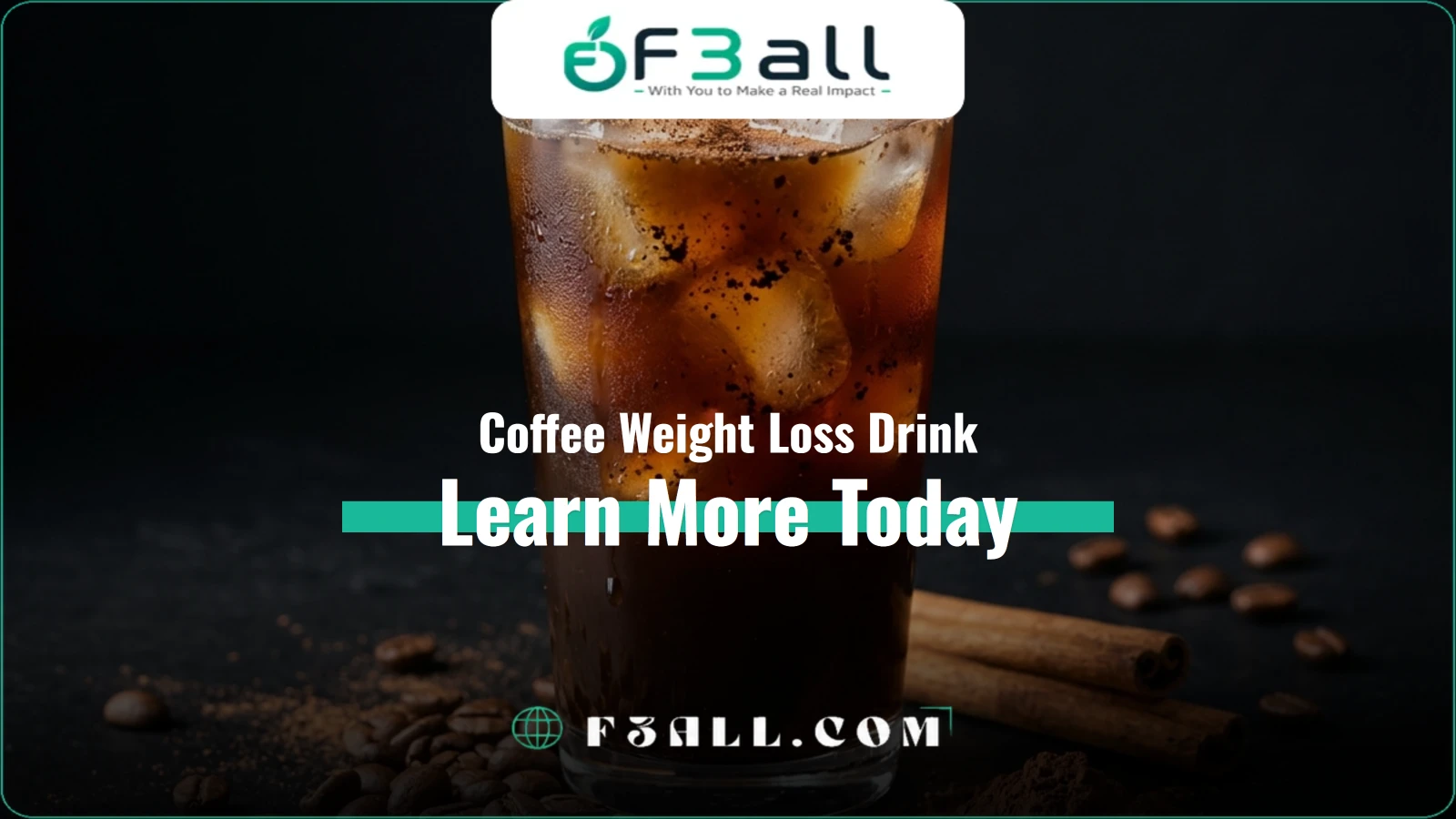
A Coffee Weight Loss Drink can be a practical addition to a balanced eating plan when prepared with appropriate ingredients and minimal added sugar. Coffee naturally contains caffeine and plant compounds, while plain brewed coffee provides very few calories. However, not every coffee drink supports weight management. Sweetened syrups, cream, whipped toppings, and oversized servings can significantly increase calorie intake. Understanding how to prepare coffee, compare ingredients, and manage portions helps you make informed choices without relying on exaggerated fat-burning claims.
This guide explores coffee calories, nutritional benefits, homemade recipes, low-calorie ingredients, and sugar-free alternatives. You’ll also discover a seven-day coffee plan, meal preparation tips, caffeine safety guidance, and realistic expectations for weight-loss results.
Coffee Weight Loss Drink – What Makes Coffee a Good Choice?
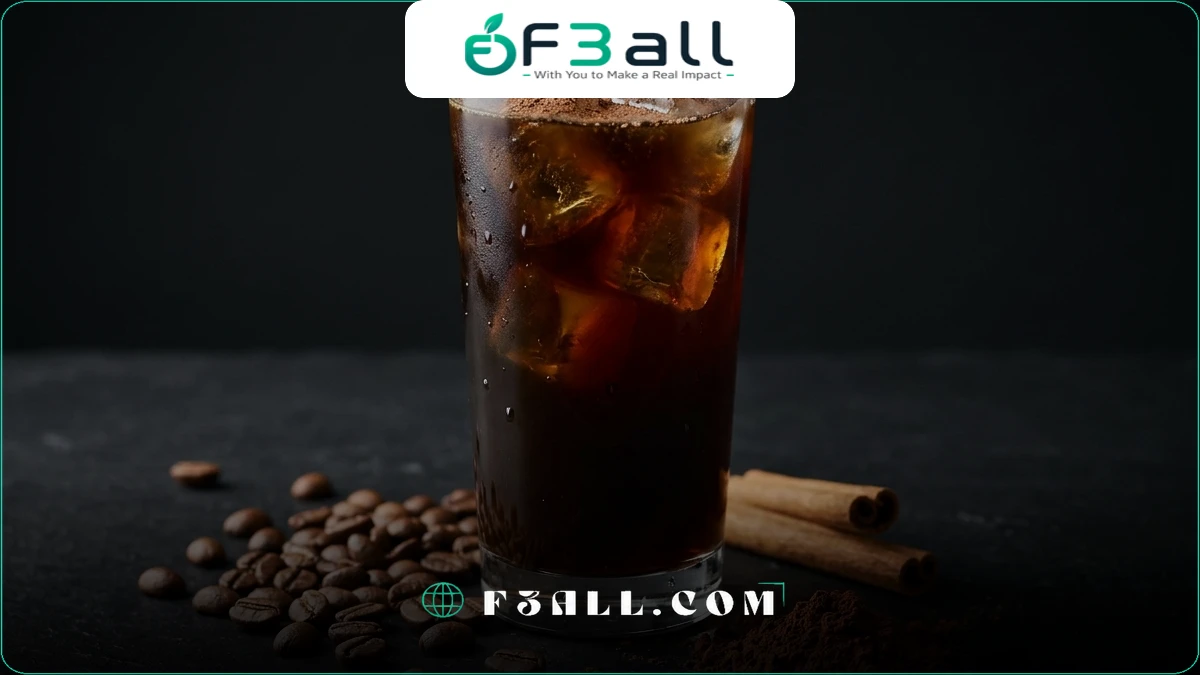
A Coffee Weight Loss Drink is generally a coffee-based beverage prepared without excessive sugar or calorie-dense additions.
Plain black coffee contains very few calories, making it a convenient alternative to many sweetened beverages.
However, drinking coffee does not automatically create a calorie deficit or cause meaningful weight loss.
What Makes a Coffee Drink Suitable for Weight Management?
Several characteristics can make coffee easier to include in a balanced diet:
- Relatively low calorie content.
- Little or no added sugar.
- Measured milk or cream portions.
- Moderate caffeine intake.
- Simple ingredients.
- Appropriate serving sizes.
- Compatibility with individual health needs.
Coffee Drink Comparison
| Coffee Type | Typical Serving | Approx. Calories | Weight-Management Consideration |
| Black Coffee | 240 ml | 2–5 | Very low calorie |
| Espresso | 30 ml | 2–5 | Concentrated coffee |
| Americano | 240 ml | 2–5 | Espresso diluted with water |
| Unsweetened Cold Brew | 240 ml | 2–5 | Low calorie |
| Coffee With 60 ml Skim Milk | 240 ml coffee plus milk | 22–27 | Adds protein and calcium |
| Coffee With 60 ml Whole Milk | 240 ml coffee plus milk | 40–45 | Adds more fat and calories |
| Sweetened Coffee Drink | Varies | 150–400+ | Added sugar increases calories |
| Large Flavored Frappé | Varies | 300–600+ | Often contains syrups and toppings |
Calories are approximate. Coffee strength, milk quantities, preparation, and product size affect actual values.
Does Coffee Burn Fat?
Caffeine can temporarily influence energy expenditure and fat oxidation.
However, these short-term physiological effects do not establish that drinking coffee causes substantial or lasting weight loss.
Can Coffee Reduce Appetite?
Some studies suggest caffeine may temporarily influence appetite.
However, findings are inconsistent, and the effect is not reliable enough to use coffee as an appetite-control strategy.
Does Black Coffee Work Better?
Black coffee is useful primarily because it contains very few calories.
It is not necessarily more effective at reducing body fat than coffee with a modest amount of milk.
Is Coffee Necessary for Weight Loss?
No.
People can successfully manage their weight without consuming caffeine or coffee.
The most practical advantage of coffee is its potential to replace higher-calorie beverages without sacrificing a familiar daily routine.
Coffee Drink Calories – How Ingredients Change the Numbers
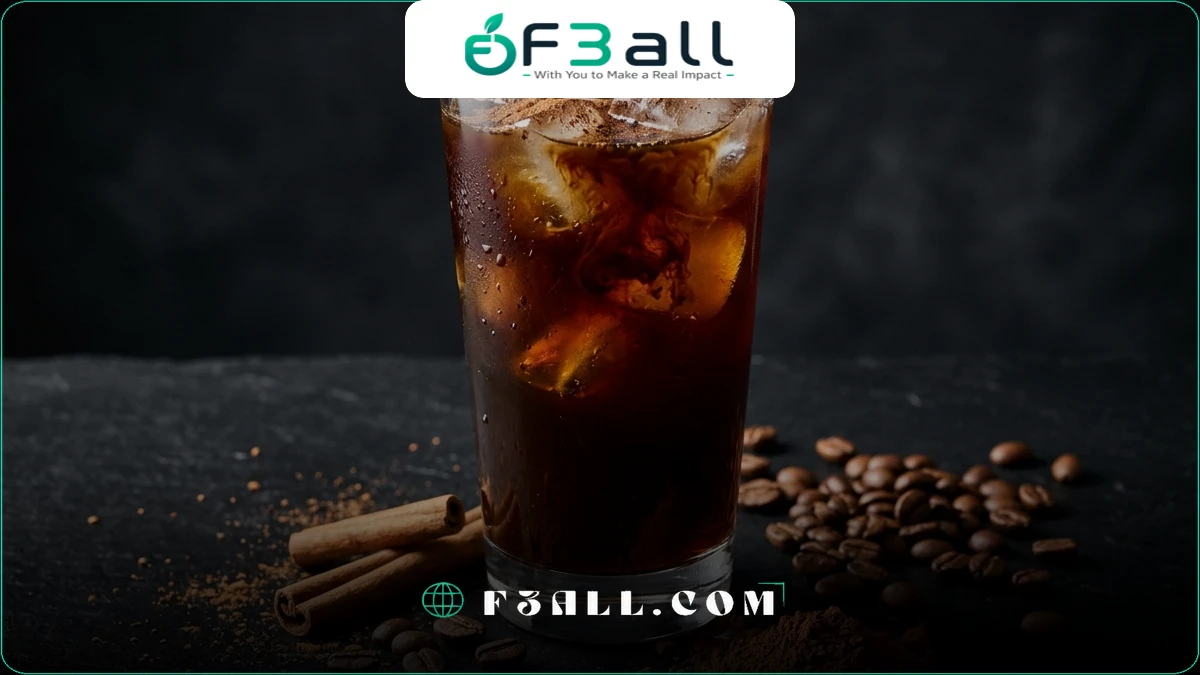
Coffee Drink Calories can vary dramatically even when two beverages contain the same amount of coffee.
A plain Americano may contain only a few calories, while a flavored latte can contain several hundred.
The difference usually comes from milk, sugar, syrups, cream, and toppings.
Calories in Common Coffee Ingredients
| Ingredient | Typical Amount | Approx. Calories |
| Brewed Black Coffee | 240 ml | 2–5 |
| Espresso | 30 ml | 2–5 |
| Skim Milk | 100 ml | 35 |
| 2% Milk | 100 ml | 50 |
| Whole Milk | 100 ml | 60–65 |
| Unsweetened Almond Milk | 100 ml | 13–20 |
| Unsweetened Soy Milk | 100 ml | 30–45 |
| Unsweetened Oat Milk | 100 ml | 40–60 |
| Granulated Sugar | 1 teaspoon | 16 |
| Honey | 1 teaspoon | 21 |
| Maple Syrup | 1 teaspoon | 17 |
| Heavy Cream | 1 tablespoon | 50–55 |
| Unsweetened Cocoa | 1 teaspoon | 4–6 |
| Cinnamon | ¼ teaspoon | 1–2 |
Product formulations vary, particularly for plant-based milks and flavored ingredients.
Example Calorie Calculation
Consider a homemade iced coffee containing:
- 240 ml brewed coffee: approximately 3 calories.
- 100 ml unsweetened almond milk: approximately 15 calories.
- Ice cubes: 0 calories.
- Cinnamon: approximately 2 calories.
Total: approximately 20 calories.
Now compare it with a sweetened version:
- Coffee: 3 calories.
- 100 ml whole milk: 62 calories.
- 2 teaspoons sugar: 32 calories.
- 1 tablespoon flavored syrup: approximately 50 calories.
Total: approximately 147 calories.
The difference is approximately 127 calories per serving.
Does Coffee Have Calories Without Sugar?
Yes, but very few.
Black brewed coffee generally contains a small number of calories from naturally occurring compounds.
Does Ice Reduce Coffee Calories?
No.
Ice adds volume and changes temperature but does not remove calories from coffee or other ingredients.
Can a Latte Fit Into a Weight-Loss Diet?
Yes.
A latte can provide protein and calcium from milk.
Its suitability depends on the serving size, milk type, added sugar, and overall dietary intake.
Coffee Calories by Preparation Style
| Preparation | Main Ingredients | Typical Calorie Range |
| Black Coffee | Coffee and Water | 2–5 |
| Americano | Espresso and Water | 2–5 |
| Iced Black Coffee | Coffee and Ice | 2–5 |
| Light Almond Milk Coffee | Coffee and Almond Milk | 15–40 |
| Skim Milk Latte | Espresso and Skim Milk | 70–110 |
| Whole Milk Latte | Espresso and Whole Milk | 120–190 |
| Sweetened Mocha | Coffee, Milk, Chocolate, Sugar | 200–400+ |
| Cream-Based Blended Coffee | Coffee, Cream, Syrup | 300–600+ |
Managing coffee calories is usually more effective than searching for a special ingredient that supposedly activates fat burning.
Coffee Drink Ingredients for Weight Loss – What Should You Add?
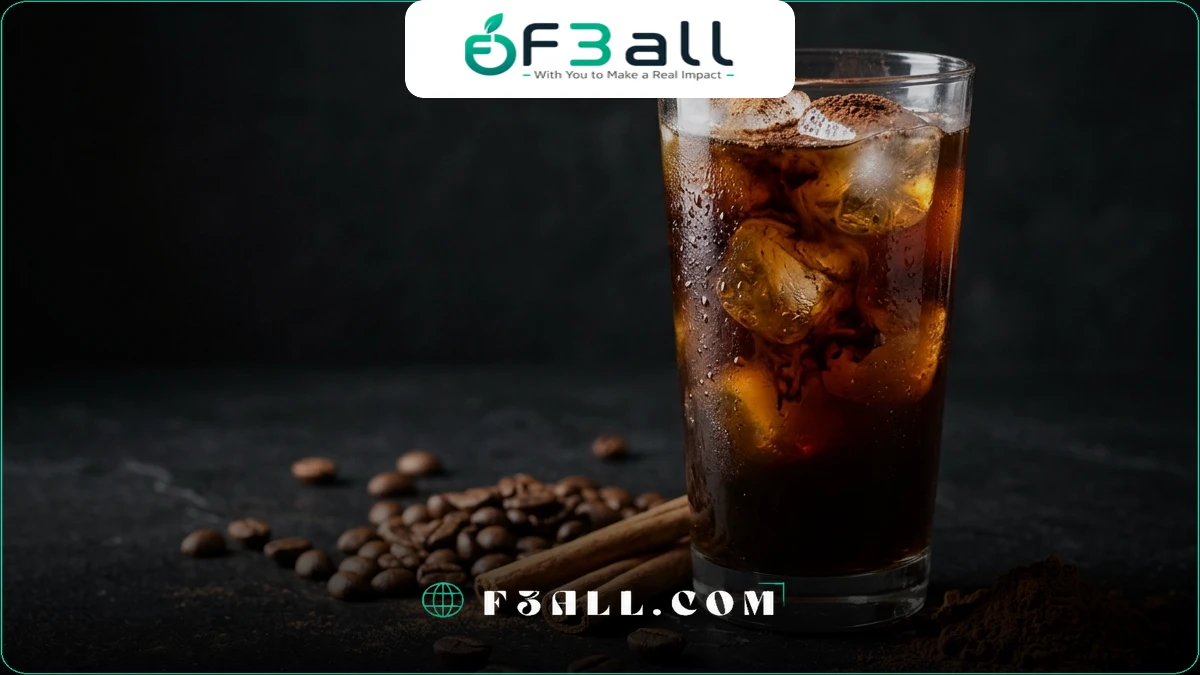
Coffee Drink Ingredients for Weight Loss should be selected according to taste, nutritional value, and total calorie contribution.
Some ingredients improve flavor without adding substantial energy, while others make coffee more filling or creamy.
1. Plain Brewed Coffee
Black coffee forms the base of many low-calorie recipes.
It can be prepared using:
- Drip brewing.
- French press.
- Pour-over.
- Espresso.
- Cold brew.
The caffeine content varies with bean type, serving size, and brewing method.
2. Unsweetened Almond Milk
Unsweetened almond milk is often relatively low in calories.
However, it generally contains less protein than dairy milk or soy milk.
3. Skim Milk
Skim milk provides protein and calcium with less fat than whole milk.
4. Unsweetened Soy Milk
Soy milk can provide more protein than many almond or oat milk products.
5. Cinnamon
Cinnamon adds aroma and flavor.
It should not be considered a proven weight-loss treatment.
6. Unsweetened Cocoa
Cocoa provides chocolate flavor without the added sugar commonly found in sweetened chocolate syrups.
7. Vanilla Extract
A small amount can improve flavor.
Choose a product appropriate for your dietary preferences.
8. Ice and Water
Water and ice can adjust coffee strength, volume, and temperature without adding calories.
Ingredient Comparison
| Ingredient | Main Purpose | Calorie Impact | Practical Advice |
| Coffee | Flavor and caffeine | Very low | Adjust strength |
| Almond Milk | Creaminess | Usually low | Choose unsweetened |
| Skim Milk | Protein and creaminess | Moderate | Measure portion |
| Soy Milk | Plant protein | Moderate | Check label |
| Cinnamon | Flavor | Minimal | Use small amounts |
| Cocoa | Chocolate flavor | Low in small portions | Choose unsweetened |
| Vanilla | Aroma | Minimal in small amounts | Avoid sugary syrups |
| Heavy Cream | Rich texture | High | Use sparingly |
| Sugar | Sweetness | Adds calories | Reduce if appropriate |
| Honey | Sweetness | Adds calories | Not a fat-burning ingredient |
Should You Add Coconut Oil or Butter?
Butter and coconut oil are energy-dense fats.
Adding them to coffee substantially increases calories.
There is no convincing evidence that butter coffee or coconut oil coffee produces superior long-term weight loss.
Is Protein Powder Necessary?
No.
Protein powder can be useful when it helps meet protein requirements, but it is not essential for coffee or weight management.
A protein coffee may contain considerably more calories than black coffee, depending on the product.
Are Sugar-Free Syrups Better?
Sugar-free syrups may reduce added sugar and calories.
However, ingredients and calorie content vary, so checking labels remains important.
The best coffee ingredients are those that improve flavor and nutritional suitability without adding unnecessary calories.
Read more about: Weight Loss Drink Recipe | Get 7 Easy Recipes Now
Healthy Coffee Drink Recipe – The Basic Formula
A Healthy Coffee Drink Recipe does not require expensive supplements or complicated preparation.
A simple formula is:
Coffee + Water or Ice + Measured Milk + Optional Flavoring
This allows you to customize the drink while maintaining control over ingredients.
Basic Healthy Iced Coffee
Ingredients
- 240 ml freshly brewed coffee.
- 80 ml unsweetened almond milk.
- Ice cubes.
- ¼ teaspoon cinnamon.
- Optional vanilla extract.
Instructions
- Brew the coffee.
- Allow it to cool.
- Fill a glass with ice.
- Pour in the coffee.
- Add almond milk.
- Sprinkle cinnamon.
- Stir and serve.
Estimated calories: 15–25.
Basic Hot Coffee With Milk
Ingredients
- 200 ml black coffee.
- 80 ml skim milk.
- Cinnamon.
Instructions
- Brew coffee.
- Warm the milk.
- Pour the milk into the coffee.
- Add cinnamon.
- Stir gently.
Estimated calories: 30–35.
How to Make Coffee Taste Better Without Sugar
Try:
- Selecting a naturally sweeter coffee roast.
- Using freshly ground beans.
- Avoiding over-extraction.
- Adding cinnamon.
- Adding a small amount of unsweetened milk.
- Experimenting with cold brew.
- Gradually reducing sweeteners.
Why Brewing Method Matters
Coffee taste depends on:
- Bean origin.
- Roast level.
- Grind size.
- Water temperature.
- Brewing time.
- Coffee-to-water ratio.
A smoother coffee may require fewer sweeteners.
A simple homemade recipe gives you greater control over calories, sweetness, and serving size than many ready-made coffee beverages.
Coffee Drink Recipe for Weight Loss – Eight Easy Homemade Options
These recipes offer different flavors and textures without relying on fat-burning promises.
Calories are estimates and depend on exact products and quantities.
Recipe 1 – Classic Black Coffee
Ingredients
- 240 ml brewed coffee.
- Water as needed.
Instructions
- Brew coffee using your preferred method.
- Adjust strength with hot water if necessary.
- Serve without sugar or cream.
Estimated calories: 2–5.
Main advantage: Minimal calories and simple preparation.
Recipe 2 – Cinnamon Iced Coffee
Ingredients
- 240 ml brewed coffee.
- 60 ml unsweetened almond milk.
- ¼ teaspoon cinnamon.
- Ice cubes.
Instructions
- Brew and cool the coffee.
- Add ice to a glass.
- Pour coffee over the ice.
- Add almond milk.
- Sprinkle cinnamon.
- Stir thoroughly.
Estimated calories: 12–20.
Main advantage: Aromatic flavor with minimal added energy.
Recipe 3 – Vanilla Cold Brew
Ingredients
- 240 ml ready-to-drink unsweetened cold brew.
- 80 ml unsweetened almond milk.
- A few drops of vanilla extract.
- Ice cubes.
Instructions
- Fill a glass with ice.
- Add cold brew.
- Pour in almond milk.
- Add vanilla.
- Stir and serve.
Estimated calories: 15–25.
Main advantage: Smooth coffee flavor without sweetened syrup.
Recipe 4 – Light Mocha Coffee
Ingredients
- 200 ml brewed coffee.
- 100 ml skim milk.
- 1 teaspoon unsweetened cocoa.
- Optional calorie-free sweetener.
Instructions
- Warm the milk.
- Mix cocoa with a small amount of milk.
- Stir until smooth.
- Add the remaining milk.
- Combine with coffee.
- Sweeten only if desired.
Estimated calories: 40–50.
Main advantage: Chocolate flavor with controlled ingredients.
Recipe 5 – Iced Soy Milk Latte
Ingredients
- 2 espresso shots.
- 150 ml unsweetened soy milk.
- Ice cubes.
Instructions
- Prepare espresso.
- Allow it to cool slightly.
- Fill a glass with ice.
- Add soy milk.
- Pour espresso over the milk.
- Stir gently.
Estimated calories: 55–75.
Main advantage: Provides some protein from soy milk.
Recipe 6 – Coffee and Cocoa Protein Drink
Ingredients
- 150 ml chilled brewed coffee.
- 150 ml skim milk.
- 15 g plain or chocolate protein powder.
- 1 teaspoon unsweetened cocoa.
- Ice cubes.
Instructions
- Brew and cool coffee.
- Add milk to a blender.
- Add protein powder and cocoa.
- Pour in coffee.
- Blend until smooth.
- Serve over ice.
Estimated calories: 115–145.
Main advantage: Adds protein for people who need it.
Use a protein powder suitable for your dietary needs, and check the product label. This drink is not automatically a complete meal.
Recipe 7 – Spiced Cardamom Coffee
Ingredients
- 240 ml brewed coffee.
- A small pinch of ground cardamom.
- 60 ml skim milk.
Instructions
- Brew coffee.
- Add cardamom.
- Stir gently.
- Add warmed skim milk.
- Serve hot.
Estimated calories: 25–30.
Main advantage: Strong flavor without sweetened syrups.
Recipe 8 – Coffee With Unsweetened Oat Milk
Ingredients
- 200 ml brewed coffee.
- 100 ml unsweetened oat milk.
- Ice cubes or hot water as preferred.
- Cinnamon.
Instructions
- Prepare coffee.
- Add oat milk.
- Stir in cinnamon.
- Serve hot or iced.
Estimated calories: 45–65.
Main advantage: A creamy dairy-free alternative.
Recipe Comparison
| Recipe | Approx. Calories | Main Feature |
| Classic Black Coffee | 2–5 | Minimal calories |
| Cinnamon Iced Coffee | 12–20 | Spiced flavor |
| Vanilla Cold Brew | 15–25 | Smooth and refreshing |
| Light Mocha | 40–50 | Chocolate flavor |
| Soy Milk Latte | 55–75 | Plant-based protein |
| Coffee Protein Drink | 115–145 | Higher protein |
| Cardamom Coffee | 25–30 | Aromatic flavor |
| Oat Milk Coffee | 45–65 | Creamy dairy-free option |
For more healthy beverage inspiration, explore Best Weight Loss Drinks and Weight Loss Drink Recipe.
These homemade coffee recipes demonstrate how flavor and variety can be achieved without relying on high-calorie syrups or oversized servings.
Low Calorie Coffee Drink – How to Reduce Calories Without Losing Flavor
A Low Calorie Coffee Drink is generally prepared by reducing high-calorie additions while preserving the flavor of coffee.
This does not mean every coffee must be black.
Choose Smaller Serving Sizes
A smaller latte may contain fewer calories than a large latte prepared with the same milk.
Measure Milk
Milk provides nutrients, but the amount added affects total calories.
Reduce Added Sugar
Reducing sugar can lower beverage calories without eliminating coffee.
Avoid Excessive Cream
Heavy cream contributes substantially more calories per tablespoon than most milk alternatives.
Choose Unsweetened Products
Unsweetened milk alternatives and plain coffee make it easier to manage added sugar.
Use Spices
Cinnamon, cardamom, and cocoa can enhance flavor.
Coffee Swaps That Reduce Calories
| Higher-Calorie Choice | Lower-Calorie Alternative | Main Difference |
| Sweetened Latte | Unsweetened Latte | Less added sugar |
| Flavored Syrup | Cinnamon | Fewer calories |
| Heavy Cream | Skim Milk | Less fat |
| Sweetened Almond Milk | Unsweetened Almond Milk | Less added sugar |
| Large Frappé | Iced Coffee | Fewer calorie-dense ingredients |
| Sweetened Mocha | Cocoa Coffee | Less added sugar |
| Whipped Cream | Milk Foam | Usually fewer calories |
Does Low-Calorie Coffee Have to Taste Bitter?
No.
Bean quality, brewing method, and modest additions can create a flavorful drink without large quantities of sugar.
Are Artificial Sweeteners Required?
No.
Some people prefer gradually reducing sweetness rather than replacing sugar with another sweetener.
Is Black Coffee Always the Best Choice?
Black coffee is the lowest-calorie option among many coffee drinks.
However, a modest amount of milk can improve taste and contribute nutrients.
The best low-calorie coffee is one you enjoy regularly without needing excessive sweeteners or toppings.
Coffee Drink Without Sugar – Natural Ways to Improve Taste
A Coffee Drink Without Sugar can be enjoyable when you choose suitable beans and brewing methods.
Many people become accustomed to less sweet coffee gradually.
Use Naturally Smooth Coffee
Some coffee varieties and roast profiles taste less bitter or more naturally sweet than others.
Experiment With Cold Brew
Cold brew may taste smoother to some people.
However, caffeine content depends on how it is prepared and diluted.
Add Cinnamon
Cinnamon contributes aroma and perceived sweetness without substantial calories.
Add Vanilla
Vanilla can enhance flavor without requiring syrup.
Add Milk
A measured quantity of milk can soften bitterness.
Reduce Sugar Gradually
If you usually add two teaspoons of sugar, consider reducing to one and a half, then one, and eventually less if preferred.
Sugar-Free Coffee Flavor Guide
| Flavor Preference | Suggested Addition |
| Warm and Spiced | Cinnamon |
| Aromatic | Cardamom |
| Chocolate | Unsweetened Cocoa |
| Smooth | Unsweetened Milk |
| Vanilla | Vanilla Extract |
| Strong | Espresso |
| Mild | Diluted Americano |
| Refreshing | Cold Brew and Ice |
Does Honey Count as Sugar?
Honey contains sugars and calories.
Although it differs in flavor from table sugar, it is not a calorie-free alternative.
Does Brown Sugar Have Fewer Calories?
Brown sugar and white sugar provide similar calories by weight.
Can You Drink Coffee Without Any Sweetener?
Yes.
Many people enjoy coffee without sweeteners, particularly when using a brewing method that suits their taste.
Reducing added sugar is a practical way to manage coffee calories without depending on special weight-loss products.
Read more about: Black Coffee and Weight Loss | Benefits and Daily Ideas
Coffee Drink Meal Prep – How to Prepare Coffee for Busy Days
Coffee Drink Meal Prep can save time and make homemade coffee more convenient.
It also helps reduce reliance on sweetened café beverages.
Prepare Unsweetened Coffee Ahead
Brew coffee and allow it to cool safely before refrigerating.
Store Coffee in Clean Containers
Use food-safe bottles or jars with secure lids.
Keep Milk Separate
Adding milk shortly before serving may help maintain flavor and texture.
Prepare Flavor Ingredients
Cinnamon, cocoa, and other dry ingredients can be measured in advance.
Use Ice When Serving
Ice can help create a refreshing drink without extra calories.
Avoid Preparing Large Batches With Dairy
Coffee containing milk is perishable and requires appropriate refrigeration.
Five-Day Coffee Preparation Example
| Day | Coffee Base | Addition | Preparation |
| Monday | Cold Brew | Almond Milk | Mix before serving |
| Tuesday | Black Coffee | Cinnamon | Serve hot |
| Wednesday | Espresso | Skim Milk | Prepare latte |
| Thursday | Cold Brew | Vanilla | Serve over ice |
| Friday | Brewed Coffee | Cocoa | Mix with warm milk |
Coffee Storage Tips
- Use clean equipment.
- Refrigerate perishable ingredients promptly.
- Keep dairy products chilled.
- Follow product storage instructions.
- Avoid leaving milk-based coffee at room temperature for extended periods.
- Discard drinks that show signs of spoilage.
Can You Freeze Coffee?
Yes.
Coffee can be frozen in ice cube trays and used in iced drinks.
Can You Reheat Coffee?
Coffee can be reheated, although flavor may change.
Follow food-safety guidance if milk has been added.
Is Ready-to-Drink Cold Brew Healthy?
It can be a convenient option.
Check the label for caffeine, added sugar, serving size, and calories.
Preparing coffee at home makes it easier to control ingredients and maintain a consistent beverage routine.
Coffee Drink 7 Day Plan – A Balanced Weekly Routine
A Coffee Drink 7 Day Plan should provide variety without encouraging excessive caffeine intake.
The following schedule offers one optional coffee beverage per day alongside balanced meals.
It is not a restrictive coffee diet.
Seven-Day Coffee Plan
| Day | Coffee Drink | Breakfast | Lunch | Dinner |
| Monday | Black Coffee | Oatmeal and Berries | Chicken Rice Bowl | Salmon and Vegetables |
| Tuesday | Cinnamon Iced Coffee | Eggs and Toast | Lentil Soup | Turkey and Sweet Potato |
| Wednesday | Vanilla Cold Brew | Greek Yogurt and Fruit | Chickpea Salad | Fish and Brown Rice |
| Thursday | Light Mocha | Oats and Banana | Chicken Wrap | Tofu and Quinoa |
| Friday | Soy Milk Latte | Vegetable Omelet | Tuna Salad | Chicken and Potatoes |
| Saturday | Cardamom Coffee | Yogurt and Oats | Lentil Bowl | Salmon and Broccoli |
| Sunday | Oat Milk Coffee | Eggs and Fruit | Quinoa Salad | Turkey and Vegetables |
How to Follow the Plan
- Choose a coffee serving that fits your caffeine tolerance.
- Avoid adding unnecessary sugar.
- Continue drinking plain water.
- Eat balanced meals throughout the day.
- Do not use coffee to replace meals.
- Adjust portions according to your nutritional needs.
- Reduce or avoid caffeine if it interferes with sleep.
Is One Coffee Drink Daily Necessary?
No.
The schedule is optional, and caffeine-free beverages can be substituted.
Can You Drink Decaf Coffee?
Yes.
Decaffeinated coffee contains much less caffeine than regular coffee, although it is not always completely caffeine-free.
Should You Drink Coffee Before Every Meal?
No.
There is insufficient evidence that doing so reliably improves weight-loss outcomes.
Is a Seven-Day Coffee Diet Effective?
A coffee-only or coffee-centered restrictive diet is not recommended.
A balanced eating pattern is more appropriate for sustainable weight management.
A useful coffee plan should support enjoyable beverage choices without replacing food, water, or healthy sleep habits.
Best Coffee Drink for Weight Loss – Comparing Popular Options
The Best Coffee Drink for Weight Loss depends on calorie content, caffeine tolerance, taste preferences, and individual nutritional needs.
There is no single coffee drink proven to produce superior long-term fat loss.
Best for Minimal Calories
Black coffee and Americano generally contain very few calories.
Best for a Creamy Texture
Coffee with measured unsweetened milk provides a creamy texture without requiring heavy cream.
Best for Dairy-Free Preferences
Unsweetened almond milk or soy milk may be suitable.
Best for Added Protein
Coffee with skim milk, soy milk, or an appropriate protein powder can provide additional protein.
Best for Lower Caffeine
Decaffeinated coffee is a useful option.
Best for Hot Weather
Unsweetened iced coffee or cold brew can be refreshing.
Best Coffee by Goal
| Goal | Coffee Option | Why It May Fit |
| Lowest Calories | Black Coffee | Minimal additions |
| Creamy Drink | Light Latte | Milk-based texture |
| Dairy-Free | Almond Milk Coffee | No dairy |
| Higher Protein | Soy Latte or Protein Coffee | Adds protein |
| Lower Caffeine | Decaf Coffee | Less caffeine |
| Cold Beverage | Unsweetened Cold Brew | Refreshing |
| Chocolate Flavor | Light Mocha | Cocoa without syrup |
| Spiced Flavor | Cinnamon Coffee | Aromatic |
Is Espresso Better Than Regular Coffee?
Not necessarily.
Espresso is more concentrated per volume, but total caffeine depends on the number of shots and the comparison serving.
Is Cold Brew Better Than Hot Coffee?
Neither is universally better for weight loss.
Differences in taste, concentration, and caffeine content depend on preparation.
Is Bulletproof Coffee Better for Fat Loss?
There is insufficient evidence that adding butter or oil to coffee produces superior weight loss.
Such additions can substantially increase calorie intake.
Choose coffee according to its complete nutritional profile rather than claims about special fat-burning properties.
Coffee Drink Weight Loss Results – What Can You Expect?
Coffee Drink Weight Loss Results depend on how coffee affects overall calorie intake and daily habits.
Some people reduce calories by replacing sweetened beverages with plain coffee.
Others may consume additional calories through flavored drinks and snacks.
Results After Seven Days
Possible changes include:
- Greater awareness of beverage calories.
- Reduced added sugar intake.
- More consistent homemade coffee preparation.
- Improved portion awareness.
These changes do not guarantee weight loss.
Results After 30 Days
If lower-calorie coffee substitutions contribute to an overall energy deficit, weight reduction may occur.
However, coffee itself is not responsible for a predictable amount of body-fat loss.
Results After 90 Days
Longer-term outcomes depend on the complete diet, physical activity, sleep, medications, health conditions, and individual physiology.
Illustrative Beverage Substitution
Suppose someone regularly drinks a flavored coffee containing 250 calories.
They replace it with a homemade coffee containing 30 calories.
The difference is:
250 − 30 = 220 calories
| Time Frame | Illustrative Reduction in Beverage Calories |
| 1 Day | 220 |
| 7 Days | 1,540 |
| 14 Days | 3,080 |
| 30 Days | 6,600 |
| 90 Days | 19,800 |
These numbers describe potential calorie differences, not guaranteed weight loss.
Actual outcomes depend on overall energy intake and expenditure.
Does Coffee Increase Metabolism?
Caffeine can temporarily increase energy expenditure.
However, the effect may diminish with habitual use, and it does not guarantee meaningful long-term weight loss.
Can Coffee Reduce Belly Fat?
No coffee recipe has been established as a method for selectively reducing abdominal fat.
Do Coffee Before-and-After Photos Prove Results?
No.
Photographs cannot isolate coffee’s effects from changes in diet, exercise, hydration, posture, or other factors.
What Should You Track?
| Metric | Why It Matters |
| Coffee Calories | Helps evaluate beverage choices |
| Added Sugar | Influences total calories |
| Caffeine Intake | Relevant to tolerance and safety |
| Sleep Quality | Important for health |
| Meal Consistency | Supports nutritional adequacy |
| Physical Activity | Supports fitness |
| Hydration | Supports normal function |
| Weight Trends, if Appropriate | Helps assess longer-term progress |
Realistic weight-loss results come from sustainable habits, not from drinking a particular coffee recipe for a fixed number of days.
Read more about: Chia Seed Water Weight Loss | Explore Benefits and Tips
Coffee and Caffeine Safety – How Much Is Too Much?
Caffeine affects individuals differently.
Some people tolerate several cups of coffee comfortably, while others experience symptoms after much smaller amounts.
General Caffeine Guidance
The U.S. Food and Drug Administration states that up to approximately 400 milligrams of caffeine per day is generally not associated with dangerous negative effects for most healthy adults.
However, this is not a recommended target, and individual limits may be lower.
Approximate Caffeine Content
| Beverage | Typical Serving | Approx. Caffeine |
| Brewed Coffee | 240 ml | 80–100 mg |
| Espresso | 30 ml | 60–65 mg |
| Instant Coffee | 240 ml | 50–80 mg |
| Black Tea | 240 ml | 40–50 mg |
| Green Tea | 240 ml | 20–45 mg |
| Decaf Coffee | 240 ml | 2–15 mg |
| Cold Brew | Varies | Highly variable |
Caffeine content can differ substantially according to product, bean, serving size, and preparation.
Possible Effects of Excess Caffeine
High caffeine intake may contribute to:
- Nervousness.
- Sleep difficulties.
- Increased heart rate.
- Palpitations.
- Anxiety.
- Digestive discomfort.
- Headaches.
Coffee and Sleep
Caffeine can remain active for several hours.
Consuming coffee late in the day may interfere with sleep, especially in sensitive individuals.
Coffee During Pregnancy
Pregnant individuals are commonly advised to limit caffeine to no more than approximately 200 milligrams per day, subject to individualized medical guidance.
Coffee and Medical Conditions
People with certain heart conditions, anxiety disorders, sleep problems, or medication interactions may need lower caffeine intake or avoidance.
Are Weight-Loss Coffee Supplements Safe?
Products marketed as fat-burning coffee may contain additional stimulants or poorly characterized ingredients.
They should not be assumed safe or effective simply because they contain coffee.
Should You Drink Coffee Instead of Eating?
No.
Coffee does not provide the nutritional variety required for a complete meal.
Use coffee according to your personal caffeine tolerance and health needs rather than increasing intake in pursuit of faster weight loss.
Common Mistakes When Preparing Coffee for Weight Loss
Several common mistakes can turn a low-calorie beverage into a much higher-calorie drink or create unrealistic expectations.
Mistake 1 – Adding Excess Sugar
Multiple teaspoons of sugar can substantially increase coffee calories.
Better approach: Reduce added sugar gradually.
Mistake 2 – Using Large Amounts of Cream
Heavy cream is energy-dense.
Better approach: Measure cream or choose an appropriate milk alternative.
Mistake 3 – Trusting Fat-Burning Claims
Coffee does not guarantee rapid fat loss.
Better approach: Focus on overall dietary habits.
Mistake 4 – Drinking Excessive Caffeine
More caffeine does not necessarily produce better results.
Better approach: Respect individual tolerance and established safety guidance.
Mistake 5 – Replacing Meals With Coffee
Coffee alone does not provide sufficient protein, fiber, or essential nutrients.
Better approach: Eat balanced meals.
Mistake 6 – Ignoring Coffee Shop Portions
Large café drinks may contain more milk, syrup, and toppings than expected.
Better approach: Review nutrition information when available.
Mistake 7 – Drinking Coffee Too Late
Late caffeine intake may disrupt sleep.
Better approach: Adjust timing according to your sensitivity.
Mistake 8 – Adding Butter or Oil Without Counting Calories
These ingredients can add substantial energy.
Better approach: Evaluate the complete drink.
Mistake Comparison
| Mistake | Better Strategy |
| Excess Sugar | Reduce Sweeteners |
| Too Much Cream | Measure Portions |
| Fat-Burning Expectations | Focus on Energy Balance |
| Excess Caffeine | Respect Tolerance |
| Meal Replacement | Eat Balanced Meals |
| Oversized Café Drinks | Check Serving Sizes |
| Late Coffee | Protect Sleep |
| Uncounted Added Fats | Review Total Calories |
Avoiding these mistakes makes coffee a more practical part of balanced weight management.
How to Include Coffee in a Balanced Weight-Loss Diet
Coffee is a beverage, not a complete dietary strategy.
Its usefulness depends on how it fits into a nutritious eating pattern.
Pair Coffee With a Balanced Breakfast
Examples include:
- Eggs and whole-grain toast.
- Greek yogurt and berries.
- Oatmeal and fruit.
- Cottage cheese and whole-grain bread.
- Tofu scramble and vegetables.
Include Adequate Protein
Protein supports muscle maintenance and normal body functions.
Choose Fiber-Rich Foods
Whole grains, legumes, vegetables, and fruit contribute dietary fiber.
Maintain Appropriate Energy Intake
Long-term weight reduction generally requires an energy deficit.
Stay Hydrated
Coffee can contribute to fluid intake, but plain water remains an excellent everyday beverage.
Prioritize Sleep
Sleep quality is important for overall health and appetite regulation.
Example Balanced Day
| Meal | Example | Nutritional Role |
| Breakfast | Eggs, Whole-Grain Toast, and Coffee | Protein and carbohydrates |
| Morning Snack | Apple | Fiber and fruit |
| Lunch | Chicken, Brown Rice, and Vegetables | Balanced nutrients |
| Afternoon Snack | Greek Yogurt | Protein |
| Dinner | Salmon, Potato, and Broccoli | Protein and micronutrients |
| Beverages | Water and Optional Decaf Coffee | Hydration and variety |
For more balanced meal ideas, explore Easy Weight Loss Recipes and Carbs for Weight Loss.
Coffee is most useful when it complements a balanced diet rather than replacing nutritious food or encouraging excessive caffeine consumption.
Why F3all Is Your Best Choice

At F3all, our Coffee Weight Loss Drink guide focuses on practical recipes, clear calorie comparisons, and realistic expectations.
We help readers understand how coffee can fit into balanced eating without relying on exaggerated metabolism or fat-burning claims.
- Calorie Comparisons: Understand how milk, sugar, cream, and syrups affect coffee calories.
- Ingredient Guidance: Choose suitable additions for flavor and nutrition.
- Homemade Recipes: Prepare hot, iced, creamy, and sugar-free coffee drinks.
- Meal Preparation: Organize convenient coffee routines.
- Seven-Day Planning: Include coffee alongside balanced meals.
- Caffeine Awareness: Understand serving sizes and individual tolerance.
- Realistic Results: Learn why coffee alone does not guarantee weight loss.
- Practical Alternatives: Compare black coffee, lattes, cold brew, and decaf.
Explore additional healthy eating and beverage resources through F3all.
F3all helps readers make informed choices based on nutritional value, calorie awareness, and sustainable habits.
Frequently Asked Questions
Does a Coffee Weight Loss Drink Really Work?
Coffee can fit into a weight-loss diet, particularly when it replaces higher-calorie beverages. However, coffee alone does not guarantee weight reduction.
What Is the Best Coffee Drink for Weight Loss?
Plain black coffee and unsweetened Americano are among the lowest-calorie options. Coffee with measured milk can also fit into a balanced diet.
How Many Calories Are in Black Coffee?
A typical 240 ml serving of brewed black coffee contains approximately 2–5 calories, depending on preparation.
Can I Drink Coffee Every Day While Losing Weight?
Many adults can drink coffee regularly, provided caffeine intake is appropriate for their health and tolerance.
Does Coffee Burn Belly Fat?
No coffee drink has been proven to selectively burn abdominal fat. Overall weight management depends on broader dietary and lifestyle factors.
Is Coffee Better Without Sugar for Weight Loss?
Reducing added sugar can lower beverage calories, which may support an appropriate overall energy deficit.
What Is the Best Time to Drink Coffee for Weight Loss?
There is no proven optimal time for fat loss. Morning or early-day consumption may be more suitable for people sensitive to caffeine-related sleep disruption.
Can I Add Milk to Coffee and Still Lose Weight?
Yes. Milk can contribute protein and other nutrients. The amount and type of milk affect total beverage calories.
Is Cold Brew Better Than Hot Coffee for Weight Loss?
Neither is universally better. Calories and caffeine depend on preparation, serving size, and added ingredients.
How Much Weight Can I Lose in 30 Days by Drinking Coffee?
There is no reliable amount attributable to coffee alone. Weight changes depend on overall calorie intake, physical activity, health conditions, and other individual factors.
In the End
A Coffee Weight Loss Drink can be an enjoyable part of a balanced eating routine when prepared with sensible ingredients and appropriate portions.
Plain black coffee contains very few calories, while homemade lattes, iced coffees, and flavored drinks can remain relatively low in calories when prepared without excessive sugar or cream.
However, coffee does not guarantee rapid weight loss, selectively burn belly fat, or replace the need for balanced meals and regular physical activity.
For a sustainable approach, choose recipes you enjoy, monitor added ingredients, respect caffeine tolerance, and protect your sleep.
Enjoy coffee as part of your daily routine, and focus on consistent nutritional habits rather than promises of instant fat loss.
References