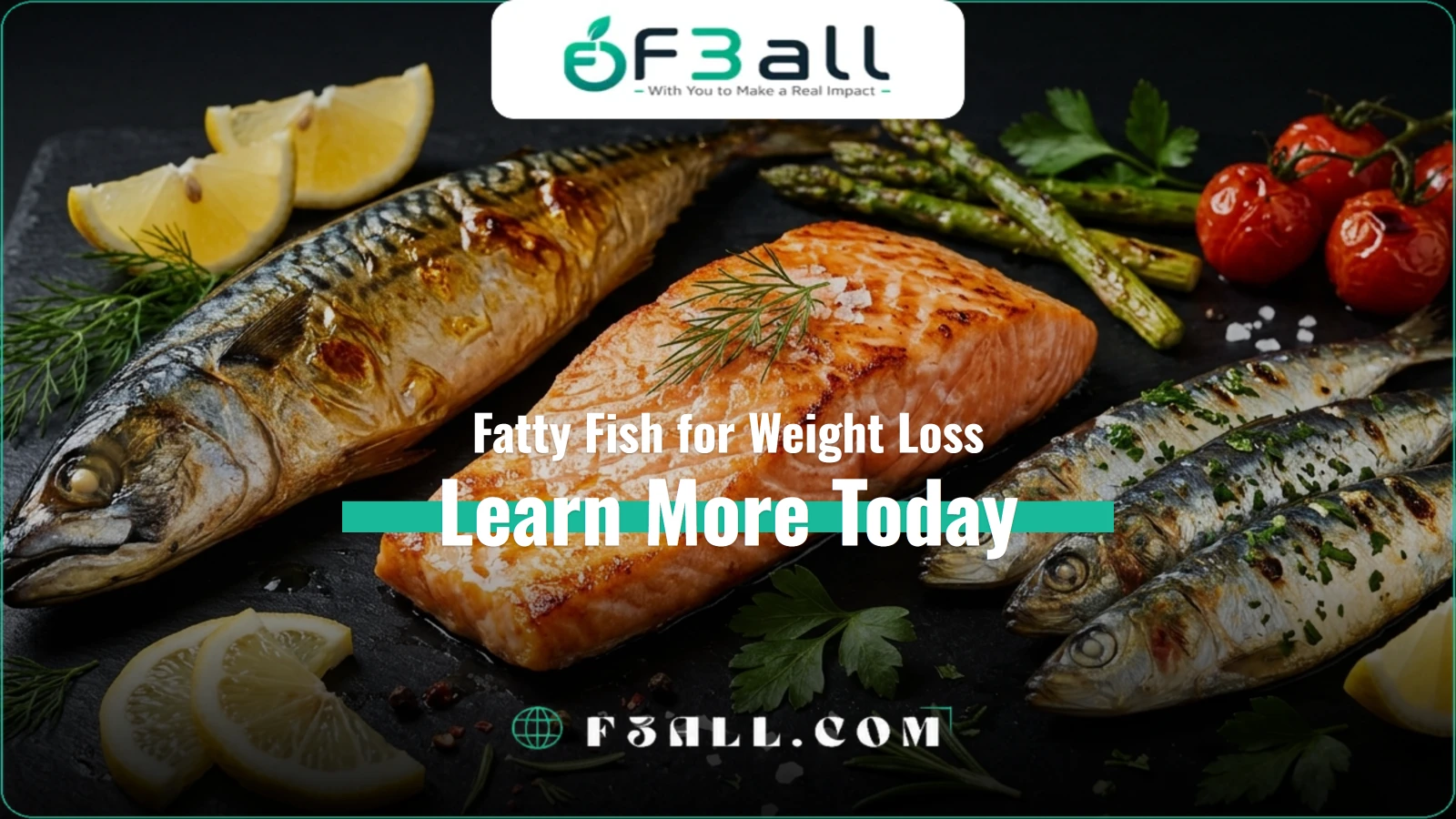
Fatty Fish for Weight Loss | Recipes and Benefits Guide
Fatty Fish for Weight Loss can be a nutritious addition to a balanced eating plan because it provides high-quality protein, omega-3 fatty acids, and important vitamins and minerals. Salmon, sardines, trout, herring, and mackerel are among the most familiar options. Although these fish contain more fat than many lean seafood varieties, their nutritional value makes them useful in appropriately portioned meals. Understanding calories, preparation methods, serving sizes, and realistic expectations can help you enjoy fatty fish without relying on exaggerated fat-burning claims.
This guide compares popular fatty fish, explains their nutritional benefits, and provides practical recipes and a seven-day meal plan. You’ll also learn how fatty fish compares with lean fish, chicken, and other protein sources, whether it can reduce belly fat, and how to include seafood safely in your diet.
Fatty Fish for Weight Loss – Why It Deserves a Place in Your Diet
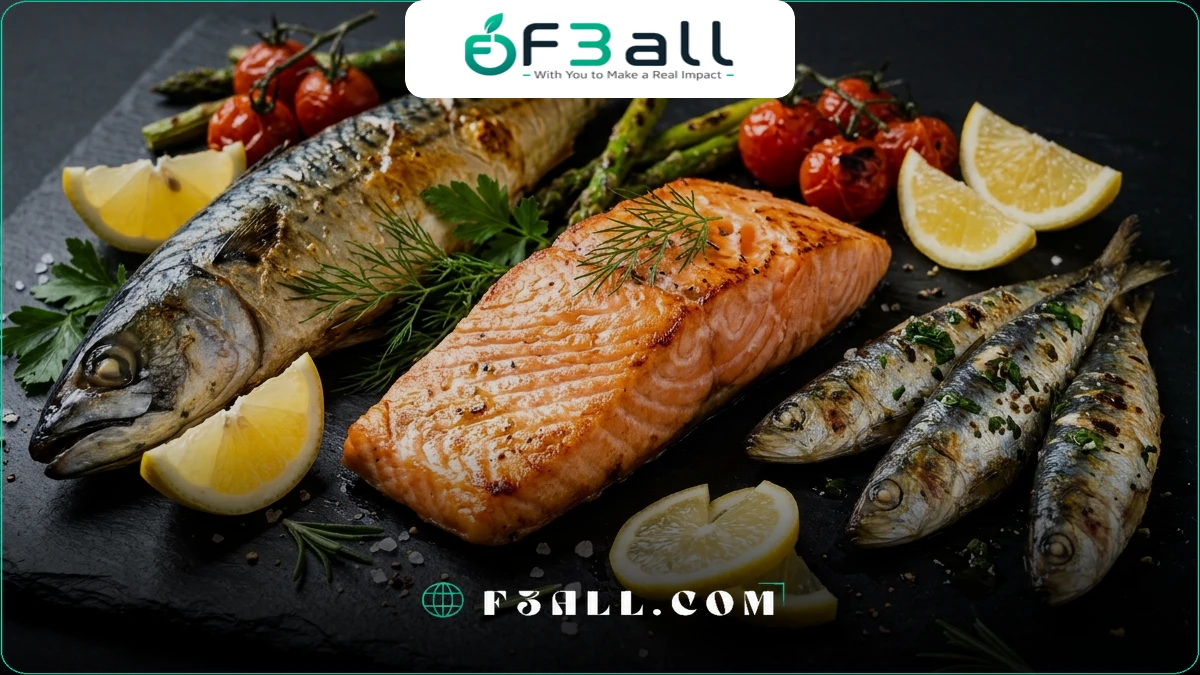
Fatty Fish for Weight Loss is often recommended because fatty fish provides protein alongside beneficial unsaturated fats.
Unlike foods that supply mostly fat or mostly protein, fatty fish offers a combination of nutrients that can contribute to a balanced meal.
However, eating fatty fish does not automatically produce weight loss.
Body-weight changes depend on overall energy intake, physical activity, medical circumstances, and other individual factors.
What Counts as Fatty Fish?
Fatty fish, sometimes called oily fish, generally contain higher amounts of fat than lean white fish.
Common examples include:
- Salmon.
- Sardines.
- Atlantic mackerel.
- Herring.
- Rainbow trout.
- Arctic char.
- Anchovies.
The fat content varies by species, season, farming conditions, and preparation.
What Makes Fatty Fish Nutritionally Valuable?
Fatty fish can provide:
- Complete protein containing essential amino acids.
- EPA and DHA omega-3 fatty acids.
- Vitamin B12.
- Vitamin D in varying amounts.
- Selenium.
- Other vitamins and minerals.
- Dietary fats that contribute to energy intake.
Fatty Fish vs Lean Fish
| Feature | Fatty Fish | Lean Fish |
| Examples | Salmon, Sardines, Mackerel | Cod, Haddock, Pollock |
| Fat Content | Generally Higher | Generally Lower |
| Omega-3 Content | Often Higher | Usually Lower |
| Protein | High | High |
| Calories | Often Higher | Often Lower |
| Vitamin D | Some Species Are Good Sources | Usually Less |
| Weight-Loss Suitability | Can Fit a Balanced Diet | Can Fit a Balanced Diet |
Does Fatty Fish Burn Fat?
No fish has been established as a food that directly burns stored body fat.
Fatty fish may support a nutritious eating pattern, but its omega-3 content does not guarantee increased fat loss.
Is Fatty Fish Too High in Fat for Weight Loss?
Not necessarily.
Dietary fat is an essential nutrient. Its calorie contribution matters, but higher-fat foods are not automatically unsuitable for weight management.
The serving size, preparation method, and accompanying foods determine how a meal fits into daily energy intake.
Fatty fish is valuable because of its protein and nutrient profile, not because it acts as a special fat-burning food.
Fatty Fish Calories for Weight Loss – Comparing Popular Species
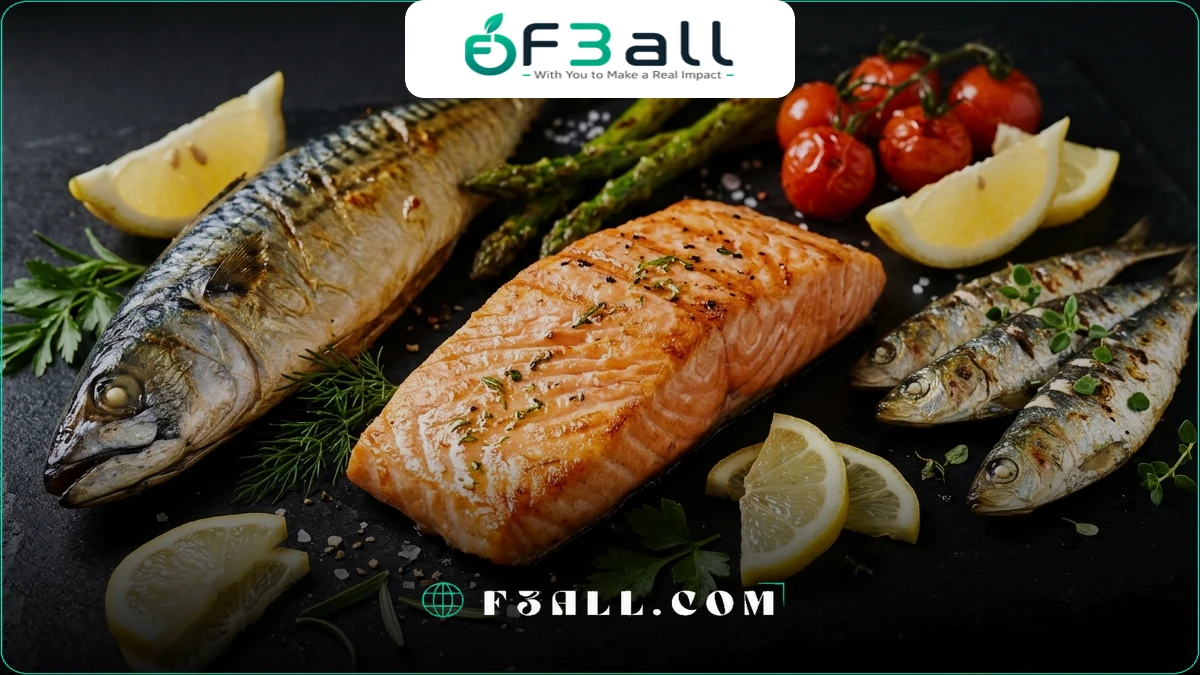
Fatty Fish Calories for Weight Loss is an important consideration when selecting portions and planning meals.
Fish calorie content varies considerably by species.
Some oily fish provide moderate amounts of fat, while others are more energy-dense.
Calories and Protein in Fatty Fish
| Fish | Approx. Calories per 100 g Cooked | Approx. Protein | Main Nutritional Feature |
| Atlantic Salmon | 200–230 | 22–25 g | EPA and DHA |
| Sockeye Salmon | 150–190 | 24–27 g | Protein and omega-3s |
| Sardines, Canned in Water | 150–210 | 20–25 g | Omega-3s and calcium if bones are eaten |
| Rainbow Trout | 165–190 | 23–26 g | Protein and omega-3s |
| Atlantic Mackerel | 230–270 | 20–24 g | Rich in omega-3 fats |
| Herring | 200–250 | 22–25 g | EPA and DHA |
| Arctic Char | 180–220 | 20–25 g | Protein and unsaturated fats |
| Anchovies | 180–220 | 25–30 g | Protein and omega-3s |
Values are approximate. Raw versus cooked weight, moisture loss, species, farming conditions, and canned products can change the numbers.
Why Cooked Fish Sometimes Has More Calories per 100 Grams
Cooking removes water from fish.
As a result, 100 grams of cooked fish may contain more concentrated nutrients and calories than 100 grams of the same fish when raw.
This does not mean cooking creates calories.
How Cooking Oil Changes Calories
| Addition | Approximate Extra Calories |
| Lemon Juice, 1 Tablespoon | 3–5 |
| Olive Oil, 1 Teaspoon | 40 |
| Olive Oil, 1 Tablespoon | 119 |
| Butter, 1 Tablespoon | 100 |
| Mayonnaise, 1 Tablespoon | 90–100 |
| Plain Nonfat Greek Yogurt, 2 Tablespoons | 15–25 |
| Breadcrumbs, 30 g | 105–120 |
Example Salmon Meal
A balanced plate might contain:
- 120 g cooked salmon: approximately 245 calories.
- 100 g cooked brown rice: approximately 110 calories.
- 150 g steamed broccoli: approximately 50 calories.
- 1 teaspoon olive oil: approximately 40 calories.
Estimated meal total: 445 calories.
This is an illustration rather than a universal meal recommendation.
Is Salmon Higher in Calories Than Cod?
Usually, yes.
Cod is relatively lean, while salmon contains more fat.
However, both provide protein and can fit into a balanced diet.
Are Canned Sardines High in Calories?
The answer depends on whether they are packed in water, tomato sauce, or oil, and whether the packing liquid is drained.
Check the nutrition label for the specific product.
Does Grilling Reduce Fish Calories?
Grilling without added oil generally avoids the additional calories associated with deep-frying or rich sauces.
However, cooking methods do not remove all the naturally occurring fat in fish.
Comparing fish calories is most useful when serving sizes and preparation methods are consistent.
Fatty Fish Nutrition for Weight Loss – Protein, Omega-3s, and Micronutrients
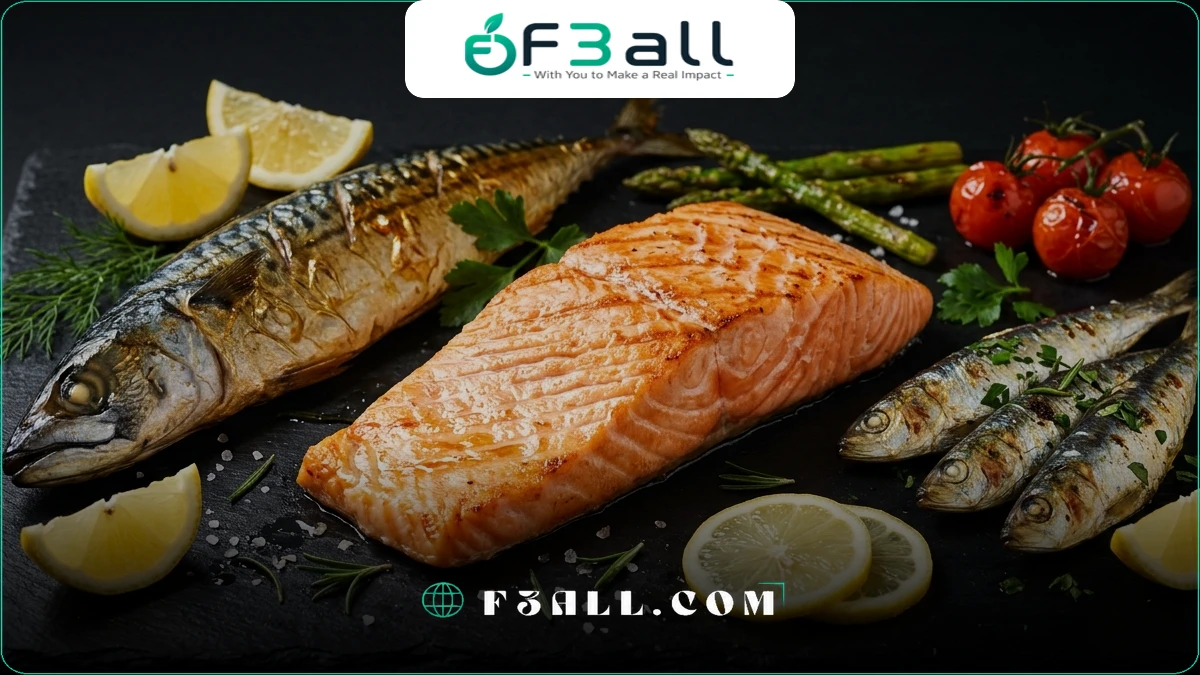
Fatty Fish Nutrition for Weight Loss extends beyond calorie content.
Fatty fish supplies essential nutrients that support normal body functions.
High-Quality Protein
Fish protein provides all essential amino acids.
Protein supports:
- Muscle maintenance.
- Tissue repair.
- Normal immune function.
- Enzyme production.
- Physical recovery.
Protein-rich meals may also support fullness, although the response varies between individuals.
EPA and DHA Omega-3 Fatty Acids
Fatty fish is a dietary source of two important long-chain omega-3 fatty acids:
- Eicosapentaenoic acid (EPA).
- Docosahexaenoic acid (DHA).
These fats contribute to normal cellular function and have been studied extensively for cardiovascular and other health outcomes.
They should not be regarded as guaranteed weight-loss agents.
Vitamin D
Certain fatty fish, particularly salmon and trout, can provide vitamin D.
Vitamin D contributes to normal bone and muscle function.
Vitamin B12
Vitamin B12 supports red blood cell formation and normal nervous system function.
Selenium
Selenium contributes to antioxidant defense systems and thyroid hormone metabolism.
Calcium
Canned sardines containing edible bones can provide meaningful amounts of calcium.
Boneless fish generally provides less calcium.
Nutrient Comparison
| Nutrient | Role in the Body | Common Fatty Fish Sources |
| Protein | Muscle maintenance and tissue repair | Salmon, Trout, Sardines |
| EPA and DHA | Cell function and cardiovascular health | Salmon, Mackerel, Herring |
| Vitamin D | Bone and muscle function | Salmon, Trout |
| Vitamin B12 | Nervous system and red blood cells | Sardines, Salmon, Mackerel |
| Selenium | Normal thyroid and antioxidant functions | Salmon, Sardines |
| Calcium | Bone health | Sardines with edible bones |
| Unsaturated Fats | Essential fatty acid intake | Fatty fish generally |
Does Omega-3 Automatically Increase Metabolism?
No.
Although omega-3 fatty acids have been studied in relation to metabolism and body composition, evidence does not establish that eating fatty fish automatically increases fat burning.
Is Fish Protein Better Than Chicken Protein?
Both fish and chicken provide complete protein.
Fatty fish offers additional EPA and DHA, while skinless chicken breast generally contains less fat.
Neither is universally superior for weight loss.
Is Fresh Fish More Nutritious Than Frozen Fish?
Frozen fish can retain substantial nutritional value.
Quality depends on handling, storage, and preparation rather than freshness claims alone.
Fatty fish provides a useful combination of protein, unsaturated fats, and micronutrients that can contribute to overall dietary quality.
Read more about: Best Weight Loss Tea | Explore Recipes and Key Benefits
Fatty Fish Benefits for Weight Loss – What the Evidence Suggests
Fatty Fish Benefits for Weight Loss should be considered within the context of a complete diet.
The strongest reasons to include fatty fish relate to nutritional quality and its role as a protein source.
1. Supports Protein Intake
Fatty fish contributes protein, which is important for maintaining muscle during intentional weight reduction.
2. Provides Omega-3 Fatty Acids
Salmon, sardines, and mackerel supply EPA and DHA.
These fats are nutritionally valuable, although they do not guarantee weight loss.
3. Can Support Satisfying Meals
Meals containing protein, vegetables, and fiber-rich carbohydrates may help people feel satisfied.
The degree of fullness varies.
4. Offers an Alternative to Processed Meats
Fish can replace some processed meat choices within a varied eating pattern.
5. Provides Important Micronutrients
Fatty fish contributes nutrients such as vitamin B12, selenium, and sometimes vitamin D.
6. Works With Different Dietary Patterns
Fatty fish can fit into Mediterranean-style eating, calorie-conscious diets, and many balanced meal plans.
7. Is Versatile
Fish can be baked, grilled, poached, or added to salads and grain bowls.
Benefits and Limitations
| Potential Benefit | Practical Value | Important Limitation |
| Protein | Supports muscle maintenance | Total daily intake matters |
| Omega-3 Fats | Contribute essential nutrients | Not proven to directly burn fat |
| Meal Satisfaction | May support fullness | Individual response varies |
| Micronutrients | Supports nutritional adequacy | Amounts differ by species |
| Versatility | Encourages meal variety | Cooking additions affect calories |
| Dietary Substitution | Can replace some processed foods | Overall diet still matters |
| Meal Preparation | Convenient when cooked safely | Requires proper storage |
Does Fatty Fish Help Preserve Muscle?
Adequate protein intake and resistance training can help support muscle maintenance during weight reduction.
Fatty fish can contribute to the protein component of this approach.
Can Eating Fish Improve Heart Health?
Fish is commonly included in heart-healthy dietary patterns.
However, health outcomes depend on the overall diet and individual circumstances.
Does Fatty Fish Reduce Hunger?
Protein-containing meals may support fullness, but there is no guarantee that fatty fish will suppress appetite more effectively than every other protein source.
The benefits of fatty fish are most meaningful when it replaces less nutritious choices and contributes to balanced meals.
Fatty Fish Serving Size for Weight Loss – Finding the Right Portion
Fatty Fish Serving Size for Weight Loss depends on energy requirements, meal composition, and individual nutritional needs.
A serving size should not be confused with a mandatory daily amount.
Common Fish Portions
| Portion | Weight | Practical Use |
| Small Portion | 85 g | Light meal or smaller appetite |
| Moderate Portion | 100 g | Salad or grain bowl |
| Standard Meal Portion | 120–140 g | Lunch or dinner |
| Larger Portion | 150–170 g | Higher protein needs |
| Family Portion | 450–600 g | Several servings |
General Seafood Guidance
The Dietary Guidelines for Americans recommend approximately 8 ounces of seafood per week for adults following a 2,000-calorie dietary pattern, with adjustments for individual energy needs.
The American Heart Association commonly recommends eating fish, particularly fatty fish, twice per week.
These are general dietary recommendations, not weight-loss prescriptions.
Should You Eat Fatty Fish Every Day?
It is not necessary.
Dietary variety is valuable, and seafood selection should account for mercury exposure and other safety considerations.
Does a Larger Fish Portion Cause More Fat Loss?
No.
A larger serving provides more protein but also more calories.
How to Build a Balanced Fish Plate
A practical plate may contain:
- A portion of fish.
- Vegetables.
- Whole grains or another carbohydrate source.
- A measured amount of dressing or oil.
Example Serving Comparison
| Fish Portion | Approx. Calories for Cooked Salmon | Approx. Protein |
| 85 g | 175 | 19–21 g |
| 100 g | 205 | 22–25 g |
| 120 g | 245 | 26–30 g |
| 150 g | 305 | 33–38 g |
| 170 g | 350 | 37–43 g |
Figures are approximate and depend on the type of salmon.
Is Eating Fish Twice Weekly Enough?
Two seafood meals per week can contribute meaningfully to dietary variety and omega-3 intake.
There is no requirement to eat fish at every meal to support weight management.
Choose fish portions according to your overall nutritional needs rather than assuming that larger or more frequent servings accelerate fat loss.
Fatty Fish Recipes for Weight Loss – Eight Easy Meals
Fatty Fish Recipes for Weight Loss can be prepared using familiar ingredients and straightforward cooking methods.
The following recipes emphasize protein, vegetables, and measured additions.
Calories are estimates and will vary with specific products and portions.
Recipe 1 – Lemon Herb Baked Salmon
Ingredients
- 120 g salmon fillet.
- 1 teaspoon olive oil.
- Lemon juice.
- Garlic.
- Parsley.
- Black pepper.
- 150 g broccoli.
Instructions
- Preheat the oven to 200°C.
- Place salmon in a baking dish.
- Brush with olive oil.
- Add lemon, garlic, and parsley.
- Bake until safely cooked.
- Steam broccoli.
- Serve together.
Estimated calories: 330–370.
Main advantage: Protein-rich meal with vegetables.
Recipe 2 – Sardine and Chickpea Salad
Ingredients
- 90 g canned sardines, drained.
- 100 g cooked chickpeas.
- 100 g cucumber.
- 80 g tomatoes.
- Lemon juice.
- Fresh parsley.
Instructions
- Drain sardines.
- Rinse chickpeas if canned.
- Chop cucumber and tomatoes.
- Combine ingredients.
- Add lemon juice and parsley.
- Serve chilled.
Estimated calories: 330–390.
Main advantage: Combines fish protein with legume fiber.
Recipe 3 – Grilled Trout With Quinoa
Ingredients
- 130 g trout.
- 100 g cooked quinoa.
- 100 g asparagus.
- 1 teaspoon olive oil.
- Lemon and herbs.
Instructions
- Season trout.
- Grill until safely cooked.
- Prepare quinoa.
- Steam or roast asparagus.
- Add olive oil and lemon.
- Serve together.
Estimated calories: 400–460.
Main advantage: Balanced protein and carbohydrates.
Recipe 4 – Salmon and Avocado Rice Bowl
Ingredients
- 100 g cooked salmon.
- 100 g cooked brown rice.
- 40 g avocado.
- 100 g cucumber.
- Lemon juice.
- Herbs.
Instructions
- Cook salmon thoroughly.
- Prepare brown rice.
- Slice avocado and cucumber.
- Arrange ingredients in a bowl.
- Add lemon and herbs.
- Serve.
Estimated calories: 410–450.
Main advantage: Provides protein and unsaturated fats.
Recipe 5 – Mediterranean Mackerel Salad
Ingredients
- 100 g cooked Atlantic mackerel.
- 100 g tomatoes.
- 100 g cucumber.
- 40 g red onion.
- 50 g mixed greens.
- Lemon juice.
Instructions
- Cook the mackerel thoroughly.
- Wash vegetables.
- Chop tomatoes, cucumber, and onion.
- Combine vegetables with greens.
- Add mackerel.
- Finish with lemon juice.
Estimated calories: 290–350.
Main advantage: Fish protein with a large vegetable portion.
Choose lower-mercury Atlantic mackerel rather than king mackerel.
Recipe 6 – Sardine Whole-Grain Toast
Ingredients
- 85 g canned sardines.
- 2 slices whole-grain bread.
- 50 g tomato.
- Lemon juice.
- Black pepper.
Instructions
- Toast the bread.
- Drain sardines.
- Slice tomato.
- Arrange sardines and tomato on toast.
- Add lemon and pepper.
- Serve.
Estimated calories: 340–400.
Main advantage: Convenient meal with protein and whole grains.
Recipe 7 – Salmon and Sweet Potato Tray Bake
Ingredients
- 120 g salmon.
- 150 g sweet potato.
- 150 g zucchini.
- 1 teaspoon olive oil.
- Garlic and paprika.
Instructions
- Preheat the oven.
- Cut sweet potato into small pieces.
- Place vegetables on a baking tray.
- Add olive oil and seasonings.
- Roast until partially tender.
- Add salmon and continue cooking until safely done.
Estimated calories: 440–490.
Main advantage: Complete meal prepared on one tray.
Recipe 8 – Trout and Lentil Bowl
Ingredients
- 120 g cooked trout.
- 120 g cooked lentils.
- 100 g spinach.
- 50 g tomatoes.
- Lemon juice.
Instructions
- Cook trout thoroughly.
- Warm the lentils.
- Wash spinach and tomatoes.
- Arrange lentils and vegetables in a bowl.
- Add trout.
- Finish with lemon juice.
Estimated calories: 380–440.
Main advantage: Protein from fish and legumes with dietary fiber.
Recipe Comparison
| Recipe | Approx. Calories | Main Nutritional Feature |
| Lemon Herb Salmon | 330–370 | Protein and vegetables |
| Sardine Chickpea Salad | 330–390 | Protein and fiber |
| Trout Quinoa Plate | 400–460 | Balanced carbohydrates |
| Salmon Avocado Bowl | 410–450 | Unsaturated fats |
| Mackerel Salad | 290–350 | Protein and vegetables |
| Sardine Toast | 340–400 | Protein and whole grains |
| Salmon Sweet Potato | 440–490 | Balanced meal |
| Trout Lentil Bowl | 380–440 | Protein and fiber |
For additional meal inspiration, explore the nutrition and recipe resources available at F3all.
These recipes demonstrate how fatty fish can fit into balanced meals without relying on deep-frying or calorie-dense sauces.
Fatty Fish Diet Plan – A Balanced Seven-Day Menu
A Fatty Fish Diet Plan should include dietary variety rather than requiring fish at every meal.
The following example includes several fatty fish meals alongside poultry, legumes, dairy, and plant-based foods.
It is not a personalized calorie prescription.
Seven-Day Meal Plan
| Day | Breakfast | Lunch | Dinner | Snack |
| Monday | Greek Yogurt, Oats, Berries | Chicken Quinoa Bowl | Baked Salmon and Broccoli | Apple and Nuts |
| Tuesday | Eggs and Whole-Grain Toast | Lentil Soup | Turkey and Sweet Potato | Cottage Cheese |
| Wednesday | Oatmeal and Fruit | Sardine Chickpea Salad | Tofu and Brown Rice | Yogurt |
| Thursday | Cottage Cheese and Berries | Chicken Vegetable Wrap | Grilled Trout and Quinoa | Orange and Nuts |
| Friday | Vegetable Omelet | Chickpea Grain Bowl | Chicken and Roasted Vegetables | Greek Yogurt |
| Saturday | Yogurt and Oats | Turkey Sandwich | Lentil Curry and Rice | Fruit |
| Sunday | Eggs and Fruit | Vegetable and Bean Salad | Salmon and Sweet Potato | Cottage Cheese |
How to Use the Plan
- Adjust portions according to your nutritional needs.
- Choose fish species appropriate for mercury guidance.
- Include protein-rich foods throughout the week.
- Eat a variety of vegetables and fruit.
- Choose fiber-rich carbohydrates.
- Measure calorie-dense sauces and oils.
- Maintain adequate hydration.
Does the Plan Require Fish Every Day?
No.
A varied eating pattern can include fatty fish several times per week without making it the sole protein source.
Can You Replace Salmon With Sardines?
Yes.
Sardines can be a convenient alternative, although calorie content and sodium vary by product.
Can You Use Frozen Fish?
Yes.
Frozen fish can be nutritious and convenient when stored, thawed, and cooked safely.
Example Balanced Fish Dinner
| Component | Example | Nutritional Role |
| Protein | Salmon | Protein and omega-3 fats |
| Carbohydrate | Brown Rice | Energy and fiber |
| Vegetable | Broccoli | Vitamins and fiber |
| Healthy Fat | Small Amount of Olive Oil | Unsaturated fats |
| Flavor | Lemon and Herbs | Flavor without heavy sauces |
A balanced fish meal plan should emphasize variety, suitable portions, and nutritional adequacy rather than eating oily fish at every opportunity.
Read more about: Best Weight Loss Drinks | Discover Recipes and Benefits
Fatty Fish Best Time to Eat – Lunch, Dinner, or After Exercise
Fatty Fish Best Time to Eat is a common concern among people planning meals for weight management.
There is no established time of day when fatty fish produces greater fat loss.
The most useful timing depends on hunger, convenience, exercise, and overall dietary intake.
Fatty Fish at Lunch
Salmon or sardines can be included in salads, sandwiches, and grain bowls.
A protein-containing lunch may help support a satisfying midday meal.
Fatty Fish at Dinner
Baked salmon, grilled trout, or mackerel can be paired with vegetables and whole grains.
Fatty Fish After Exercise
Fish provides protein that contributes to muscle repair and maintenance.
However, total daily protein intake and overall nutrition are more important than eating fish at one exact time.
Fatty Fish for Breakfast
Sardines on whole-grain toast or cooked salmon with eggs can be breakfast options.
Meal Timing Comparison
| Timing | Example | Main Consideration |
| Breakfast | Sardines on Toast | Protein-rich meal |
| Lunch | Salmon Grain Bowl | Balanced midday option |
| Dinner | Trout With Vegetables | Convenient complete meal |
| After Exercise | Salmon and Rice | Protein and carbohydrates |
| Meal Prep | Cooked Fish Bowl | Food safety and storage |
Does Eating Salmon at Night Cause Weight Gain?
No.
Eating salmon in the evening does not independently cause weight gain.
Total energy intake and other factors matter.
Should You Eat Fish Before Exercise?
A large, high-fat meal immediately before intense exercise may cause digestive discomfort for some people.
Meal timing should reflect individual tolerance.
Is Fish Better Than Protein Powder After Exercise?
Both can provide protein.
Whole fish also supplies other nutrients, while protein powder may offer convenience.
Choose meal timing according to your routine and nutritional needs rather than expecting a special fat-loss advantage from eating fish at a particular hour.
Fatty Fish for Belly Fat – Can Omega-3s Reduce Abdominal Fat?
Fatty Fish for Belly Fat is frequently discussed because omega-3 fatty acids are associated with various aspects of metabolic health.
However, eating salmon, sardines, or mackerel has not been established as a way to selectively burn abdominal fat.
Understanding Abdominal Fat
Two commonly discussed types are:
- Subcutaneous fat: Located beneath the skin.
- Visceral fat: Located around internal organs.
Excess visceral fat is associated with increased cardiometabolic risk.
Does Salmon Burn Belly Fat?
No.
Salmon supplies protein and omega-3 fats, but it does not specifically target abdominal fat.
Do Omega-3s Shrink Waist Size?
Research on omega-3 intake and body composition has produced mixed findings.
There is insufficient evidence to promise waist reduction from fatty fish alone.
Does Fish Protein Support Body Composition?
Adequate protein intake can support muscle maintenance, particularly when combined with resistance training.
This may be useful during intentional weight reduction.
Belly-Fat Claims Compared
| Claim | Evidence-Based Assessment |
| Salmon Melts Belly Fat | Unsupported |
| Sardines Target Waist Fat | Unsupported |
| Omega-3s Guarantee Fat Loss | No |
| Fish Provides Complete Protein | Yes |
| Protein Supports Muscle Maintenance | Yes |
| Overall Fat Loss May Reduce Waist Size | Yes |
| Spot Reduction Is Guaranteed | No |
What Supports Healthier Body Composition?
Useful strategies include:
- Appropriate energy intake.
- Balanced meals.
- Adequate protein.
- Resistance training.
- Aerobic physical activity.
- Sufficient sleep.
- Individualized medical care when necessary.
Fatty fish can contribute to a healthy diet, but abdominal-fat reduction depends on broader physiological and lifestyle factors.
Fatty Fish Weight Loss Results – What to Expect Over Time
Fatty Fish Weight Loss Results cannot be predicted from fish consumption alone.
Some people may reduce overall calorie intake by replacing energy-dense meals with balanced fish dishes.
Others may increase calorie intake by adding large portions of fish, oils, sauces, or side dishes.
Results After Seven Days
Possible changes include:
- Greater awareness of protein intake.
- More varied seafood meals.
- Reduced reliance on certain processed foods.
- Improved meal preparation habits.
These changes do not guarantee weight loss.
Results After 30 Days
If balanced fish meals contribute to a sustained energy deficit, weight reduction may occur.
However, the outcome depends on the complete diet and other factors.
Results After 90 Days
Longer-term progress may involve changes in body weight, waist measurements, physical fitness, and dietary consistency.
The results vary considerably between individuals.
Illustrative Meal Substitution
Suppose someone replaces a 750-calorie fried takeout meal with a 450-calorie baked salmon dinner.
The difference is:
750 − 450 = 300 calories
| Time Frame | Illustrative Difference in Meal Calories |
| 1 Meal | 300 |
| 2 Meals | 600 |
| 4 Meals | 1,200 |
| 8 Meals | 2,400 |
| 12 Meals | 3,600 |
These are arithmetic differences, not guaranteed weight-loss results.
Does Eating Fish Every Day Produce Faster Results?
Not necessarily.
Increasing fish frequency does not guarantee a greater calorie deficit or faster fat loss.
Can You Gain Weight While Eating Salmon?
Yes.
Weight gain can occur if overall energy intake consistently exceeds energy expenditure.
Do Before-and-After Photos Prove Fish Caused Weight Loss?
No.
Photographs cannot isolate the effect of one food from changes in exercise, calorie intake, hydration, or other circumstances.
Useful Progress Indicators
| Indicator | Why It Matters |
| Total Energy Intake | Influences weight trends |
| Protein Intake | Supports nutritional adequacy |
| Meal Satisfaction | Helps assess sustainability |
| Physical Activity | Supports fitness |
| Strength | Provides functional information |
| Waist Measurements | Additional body-size information |
| Sleep | Supports overall health |
| Weight Trends, if Appropriate | Helps evaluate longer-term progress |
The realistic value of fatty fish lies in improving meal quality and supporting balanced nutrition, not producing a guaranteed amount of weight loss.
Fatty Fish vs Alternatives for Weight Loss – Comparing Protein Sources
Fatty Fish vs Alternatives for Weight Loss helps clarify how oily fish compares with lean seafood, poultry, eggs, tofu, and legumes.
Different protein sources provide different combinations of calories, fats, fiber, and micronutrients.
Fatty Fish vs Chicken Breast
Skinless chicken breast is generally leaner than salmon.
Fatty fish provides EPA and DHA, while both offer complete protein.
Fatty Fish vs Lean White Fish
Cod and pollock usually contain fewer calories per 100 grams than salmon or mackerel.
Fatty fish generally supplies more omega-3 fats.
Fatty Fish vs Eggs
Eggs provide protein, choline, and other nutrients.
Fish generally provides more protein per typical main-dish portion.
Fatty Fish vs Tofu
Tofu provides plant-based protein.
Its fat and calorie content depend on the product.
Fatty Fish vs Beans
Beans contribute protein and fiber.
They provide a different nutrient profile and can complement seafood within a varied diet.
Protein Source Comparison
| Food | Approx. Calories per 100 g | Protein | Main Feature |
| Cooked Salmon | 200–230 | 22–25 g | Omega-3 fats |
| Cooked Cod | 90–110 | 20–24 g | Lean protein |
| Cooked Chicken Breast | 160–170 | 30–32 g | Lean protein |
| Cooked Trout | 165–190 | 23–26 g | Omega-3 fats |
| Firm Tofu | 80–150 | 9–17 g | Plant protein |
| Cooked Lentils | 115–120 | 9 g | Fiber and plant protein |
| Boiled Eggs | 150–160 | 12–13 g | Protein and choline |
Values vary by product and preparation.
Which Protein Source Is Best for Weight Loss?
No single source is universally best.
A combination of seafood, poultry, legumes, dairy, and other appropriate protein sources can support dietary variety.
Is Salmon Better Than Tuna?
Both can provide protein.
Their omega-3 content, mercury considerations, and calorie content differ by species.
Canned light tuna is generally a lower-mercury choice than bigeye tuna.
Is Sardine Better Than Salmon?
Neither is universally better.
Sardines can provide calcium when their edible bones are consumed, while salmon is often a useful source of vitamin D.
Are Fish Oil Supplements Equivalent to Eating Fish?
No.
Fish oil supplements may provide EPA and DHA but do not provide the same complete nutritional profile as whole fish.
Supplements should not be assumed to cause weight loss.
Choose protein sources based on their complete nutritional profile, affordability, availability, and individual dietary needs.
Read more about: Matcha for Weight Loss | Benefits & Recipes Guide
Choosing Fatty Fish Safely – Mercury, Cooking, and Storage
Seafood safety is an important part of planning a healthy diet.
Not every fatty fish species has the same mercury profile.
Lower-Mercury Choices
Common lower-mercury seafood choices include:
- Salmon.
- Sardines.
- Atlantic mackerel.
- Trout.
- Anchovies.
- Herring.
Fish to Avoid Because of High Mercury
FDA and EPA guidance identifies certain fish as high-mercury choices, including:
- King mackerel.
- Shark.
- Swordfish.
- Tilefish from the Gulf of Mexico.
- Bigeye tuna.
- Marlin.
- Orange roughy.
These distinctions are especially important for pregnant or breastfeeding individuals and children.
Atlantic Mackerel vs King Mackerel
Atlantic mackerel is generally a lower-mercury option.
King mackerel is a high-mercury fish and should not be treated as interchangeable with Atlantic mackerel.
Safe Cooking Temperature
The FDA recommends cooking finfish to an internal temperature of 145°F (63°C).
Safe Storage
- Refrigerate seafood promptly.
- Keep raw seafood separate from ready-to-eat foods.
- Wash hands and food-contact surfaces after handling raw fish.
- Follow appropriate refrigerator and freezer storage guidance.
- Thaw frozen fish safely.
- Avoid leaving cooked fish unrefrigerated for extended periods.
Seafood Safety Checklist
| Consideration | Practical Recommendation |
| Mercury | Choose appropriate lower-mercury species |
| Cooking | Reach a safe internal temperature |
| Refrigeration | Keep seafood properly chilled |
| Cross-Contamination | Separate raw and cooked foods |
| Frozen Fish | Thaw safely |
| Canned Fish | Check packaging and storage instructions |
| Pregnancy | Follow FDA/EPA seafood guidance |
| Allergies | Avoid fish if allergic |
Is Smoked Salmon Suitable?
Smoked salmon can provide protein, but it may contain substantial sodium.
Cold-smoked refrigerated seafood also raises particular food-safety concerns for pregnant individuals and others at higher risk of foodborne illness.
Can You Eat Raw Salmon?
Raw seafood carries a greater foodborne illness risk than thoroughly cooked seafood.
Cooking is the safer choice, especially for vulnerable populations.
Selecting appropriate fish species and following food-safety guidance are essential parts of including fatty fish in a healthy diet.
Common Mistakes When Eating Fatty Fish for Weight Loss
Several common mistakes can make fatty fish meals more calorie-dense or create unrealistic expectations.
Mistake 1 – Assuming Omega-3s Automatically Burn Fat
Omega-3 fatty acids are important nutrients, but they do not guarantee weight loss.
Better approach: Focus on overall dietary quality.
Mistake 2 – Adding Excess Oil
Large amounts of oil can substantially increase meal calories.
Better approach: Measure added fats.
Mistake 3 – Deep-Frying Every Serving
Deep-frying may add substantial energy through oil and breading.
Better approach: Try baking, grilling, or poaching.
Mistake 4 – Ignoring Serving Sizes
Large fish portions can contribute more calories than expected.
Better approach: Choose portions suited to your nutritional needs.
Mistake 5 – Eating Fish Without Vegetables or Fiber
Fish provides protein but little or no dietary fiber.
Better approach: Pair it with vegetables, legumes, or whole grains.
Mistake 6 – Confusing Mackerel Species
King mackerel contains substantially more mercury than Atlantic mackerel.
Better approach: Check the species.
Mistake 7 – Depending on Fish Alone
No single food provides every nutrient in ideal amounts.
Better approach: Maintain dietary variety.
Mistake 8 – Expecting Rapid Weight Loss
Eating salmon several times does not guarantee visible fat reduction.
Better approach: Evaluate longer-term habits.
Mistake Comparison
| Mistake | Better Strategy |
| Fat-Burning Claims | Use Evidence-Based Expectations |
| Excess Cooking Oil | Measure Added Fats |
| Frequent Deep-Frying | Bake or Grill |
| Oversized Portions | Match Servings to Needs |
| Missing Fiber | Add Vegetables and Whole Grains |
| Wrong Mackerel Species | Check Mercury Guidance |
| Fish-Only Diet | Maintain Variety |
| Rapid Results Expectations | Focus on Consistency |
Avoiding these mistakes helps you enjoy fatty fish as part of a balanced, practical eating routine.
How to Include Fatty Fish in a Sustainable Weight-Loss Diet
Fatty fish is most useful when it contributes to a varied, nutritionally adequate eating pattern.
A sustainable approach does not require eating salmon every day or eliminating carbohydrates.
Pair Fish With Fiber-Rich Foods
Good combinations include:
- Salmon and brown rice.
- Sardines and chickpeas.
- Trout and quinoa.
- Mackerel and vegetables.
- Salmon and sweet potatoes.
Use Simple Cooking Methods
Baking, grilling, poaching, and steaming can produce flavorful meals without large quantities of added fat.
Include Other Protein Sources
Rotate fish with:
- Chicken.
- Eggs.
- Beans.
- Lentils.
- Tofu.
- Yogurt.
- Other seafood.
Maintain Appropriate Energy Intake
Fat loss generally requires an energy deficit over time, but overly restrictive diets can compromise nutritional adequacy.
Stay Physically Active
Aerobic exercise and resistance training support cardiovascular health, strength, and physical function.
Protect Sleep
Adequate sleep is important for overall health and may influence appetite regulation.
Example Balanced Day
| Meal | Example | Main Nutritional Role |
| Breakfast | Greek Yogurt, Oats, and Berries | Protein and fiber |
| Morning Snack | Apple | Fruit and fiber |
| Lunch | Sardine Chickpea Salad | Protein and omega-3 fats |
| Afternoon Snack | Cottage Cheese | Protein |
| Dinner | Chicken, Brown Rice, and Vegetables | Balanced nutrients |
| Beverages | Water | Hydration |
A sustainable eating pattern uses fatty fish as one valuable protein option rather than treating it as a required weight-loss remedy.
Why F3all Is Your Best Choice

At F3all, our Fatty Fish for Weight Loss guide focuses on practical nutrition, realistic expectations, and straightforward meal preparation.
We help readers understand how salmon, sardines, trout, and other oily fish can contribute to balanced eating without exaggerated fat-burning claims.
- Calorie Comparisons: Compare common fatty fish and preparation methods.
- Nutrition Guidance: Understand protein, omega-3 fats, and micronutrients.
- Serving Size Information: Plan appropriate fish portions.
- Homemade Recipes: Prepare simple baked, grilled, and salad-based meals.
- Seven-Day Planning: Include seafood alongside varied protein sources.
- Belly-Fat Facts: Separate evidence-based nutrition from spot-reduction claims.
- Seafood Safety: Consider mercury, cooking, and storage.
- Realistic Results: Understand how overall habits influence weight changes.
Explore more healthy eating resources through F3all.
F3all helps readers make informed food choices based on nutritional value, practicality, and long-term healthy habits.
Frequently Asked Questions
Is Fatty Fish for Weight Loss a Good Choice?
Yes. Fatty fish can fit into a balanced weight-loss diet because it provides protein, omega-3 fatty acids, and important micronutrients. However, it does not independently cause fat loss.
Which Fatty Fish Is Best for Weight Loss?
Salmon, sardines, trout, herring, and Atlantic mackerel are nutritious options. The most suitable choice depends on calories, serving size, preference, availability, and mercury guidance.
How Many Calories Are in Salmon?
A 100-gram serving of cooked salmon commonly provides approximately 150–230 calories, depending on the species and preparation.
Can Fatty Fish Burn Belly Fat?
No. Fatty fish does not selectively burn abdominal fat. Overall energy balance, physical activity, and other individual factors influence fat loss.
How Often Should I Eat Fatty Fish?
Many dietary recommendations encourage seafood consumption about twice weekly, with particular attention to fatty fish and lower-mercury choices. Individual needs vary.
Is Salmon Better Than Chicken for Weight Loss?
Neither is universally better. Salmon provides omega-3 fats, while skinless chicken breast is generally leaner. Both offer complete protein.
Can I Eat Sardines While Losing Weight?
Yes. Sardines provide protein and omega-3 fatty acids and can fit into balanced meals. Check serving sizes, sodium, and packing liquid.
What Is the Best Time to Eat Fatty Fish for Weight Loss?
There is no proven optimal time. Fatty fish can be eaten at breakfast, lunch, or dinner according to individual preferences and nutritional needs.
Is Grilled Fish Better Than Fried Fish?
Grilling without excessive oil generally adds fewer calories than deep-frying with oil and breading. Both total ingredients and serving sizes matter.
How Much Weight Can I Lose in 30 Days by Eating Fatty Fish?
There is no reliable amount attributable to fatty fish alone. Weight changes depend on overall calorie intake, physical activity, medical factors, and other individual circumstances.
In the End
Fatty Fish for Weight Loss can be a nutritious and satisfying part of a balanced eating plan.
Salmon, sardines, trout, herring, and Atlantic mackerel provide high-quality protein and beneficial omega-3 fatty acids, along with important vitamins and minerals.
Although fatty fish contains more calories than many lean seafood varieties, appropriately sized portions can fit into a calorie-conscious diet.
However, eating fatty fish does not automatically burn stored fat, selectively reduce belly fat, or guarantee rapid weight loss.
For a sustainable approach, choose appropriate seafood species, use simple cooking methods, include vegetables and fiber-rich carbohydrates, and maintain variety across meals.
Enjoy fatty fish for its nutritional value and flavor, and focus on consistent healthy habits rather than promises of instant fat loss.
References