Is Corn Healthy for Weight Loss | Explore Benefits Now
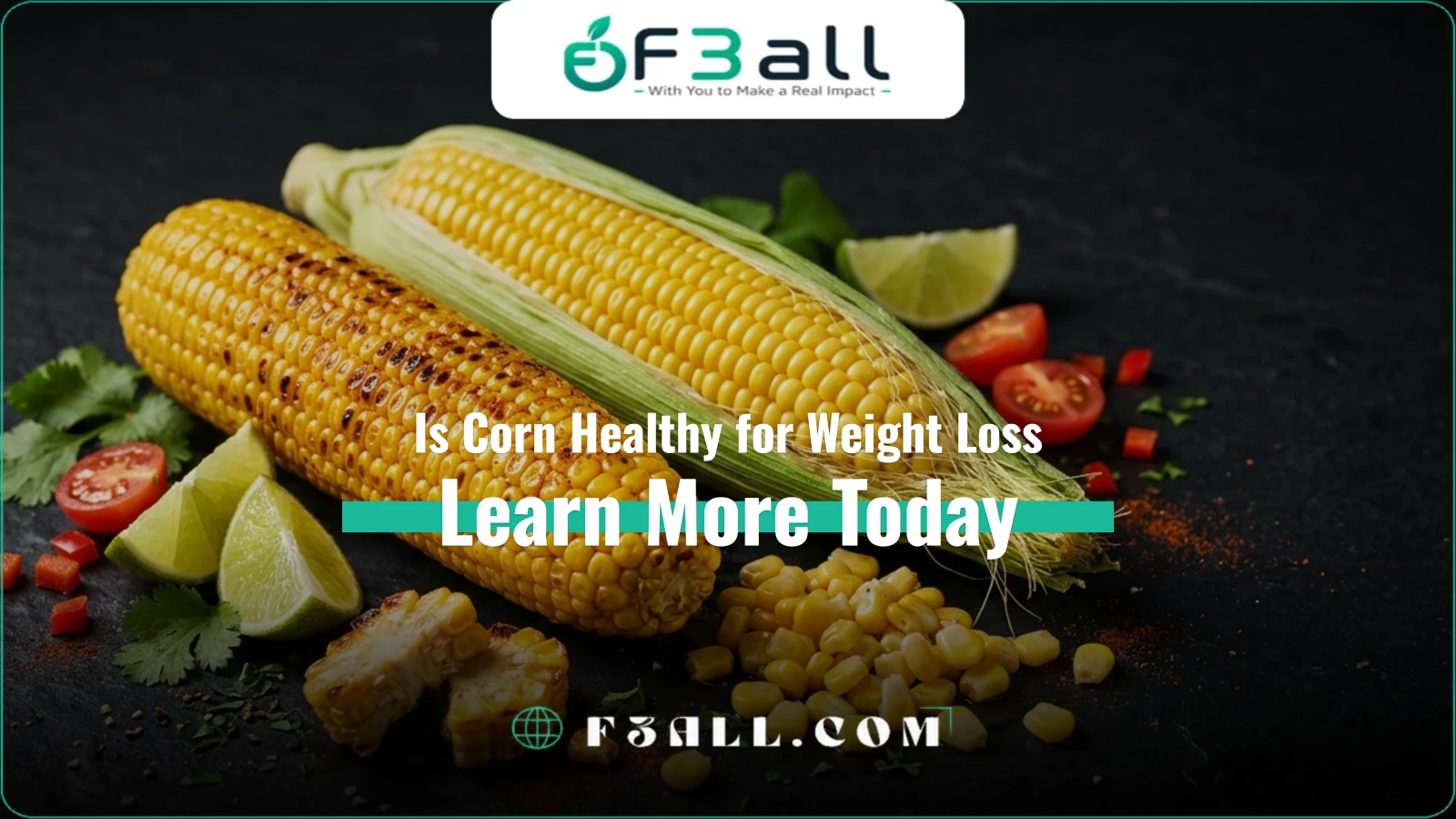
Is Corn Healthy for Weight Loss? Yes, corn can be part of a balanced weight-loss diet when eaten in appropriate portions. Sweet corn provides carbohydrates, dietary fiber, vitamins, and minerals, making it a nutritious alternative to many highly processed side dishes. However, corn is a starchy vegetable, so its calories and carbohydrates should be considered alongside the rest of the meal. Preparation also matters, particularly when butter, creamy sauces, or excessive oil are added.
This guide explains corn calories, nutrition, benefits, serving sizes, and healthy recipes. You’ll also find a seven-day meal plan, practical comparisons with other foods, and evidence-based answers about belly fat, meal timing, and realistic weight-loss results.
Is Corn Healthy for Weight Loss – Understanding Its Role in a Balanced Diet
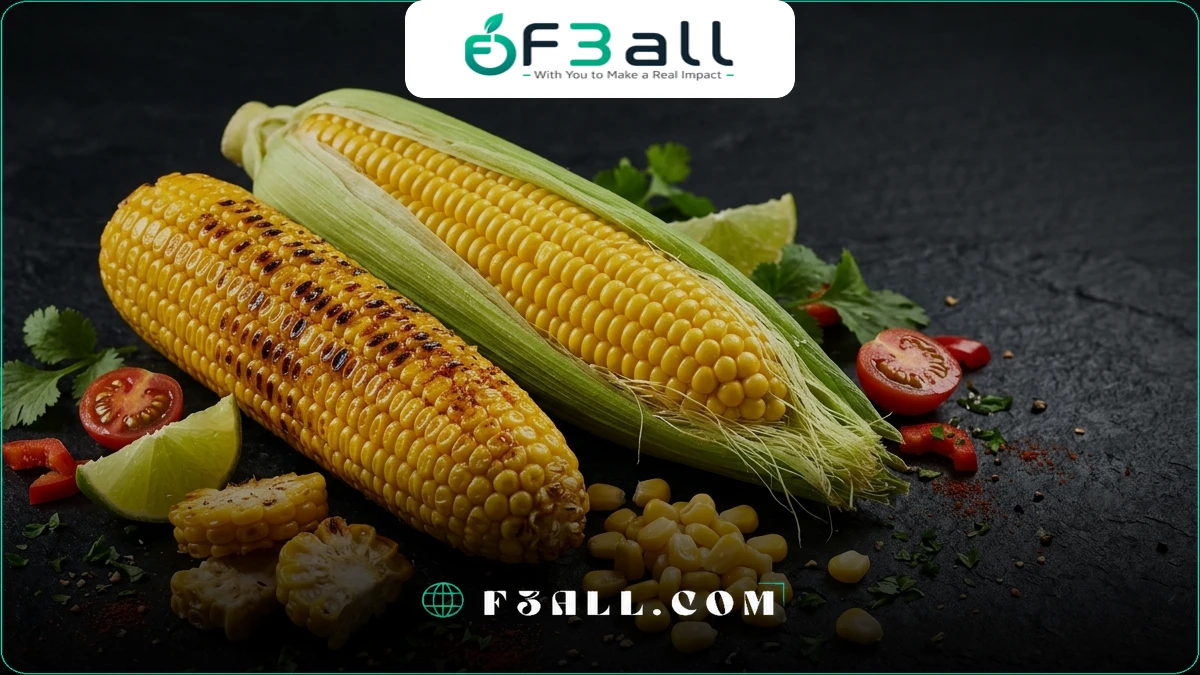
Corn is a cereal grain that is also commonly classified as a starchy vegetable when eaten as fresh sweet corn.
It contains carbohydrates, dietary fiber, and several micronutrients.
Unlike non-starchy vegetables such as lettuce or cucumber, corn provides a more substantial amount of energy.
That does not make it unsuitable for weight management.
Why Corn Can Fit Into a Weight-Loss Diet
Corn offers several practical nutritional advantages:
- Dietary fiber: Contributes to digestive health.
- Carbohydrates: Provides energy for everyday activities.
- Vitamins: Contains nutrients such as thiamin and folate.
- Minerals: Contributes magnesium, phosphorus, and potassium.
- Versatility: Works in salads, soups, bowls, and side dishes.
- Naturally gluten-free: Plain corn does not contain gluten.
- Convenience: Available fresh, frozen, and canned.
Does Corn Cause Weight Gain?
Not automatically.
Weight changes depend on total energy intake over time.
A moderate serving of plain corn can fit into many eating patterns.
However, large servings combined with calorie-dense toppings can substantially increase meal calories.
Corn Facts vs Myths
| Claim | Evidence-Based Explanation |
| Corn Contains Dietary Fiber | True |
| Corn Is a Starchy Vegetable | True |
| Corn Automatically Causes Weight Gain | False |
| Corn Burns Belly Fat | Unsupported |
| Plain Corn Can Fit a Weight-Loss Diet | True |
| Corn Is Calorie-Free | False |
| Corn Guarantees Weight Loss | False |
Is Corn a Vegetable or a Grain?
Fresh sweet corn is generally treated as a starchy vegetable in dietary guidance.
Dried corn used to produce cornmeal or popcorn is generally classified as a grain.
This distinction matters because different corn products have different nutritional profiles.
Corn can be a nutritious addition to meals when its portion size and preparation are considered.
Corn Calories for Weight Loss – How Many Calories Does Corn Contain?
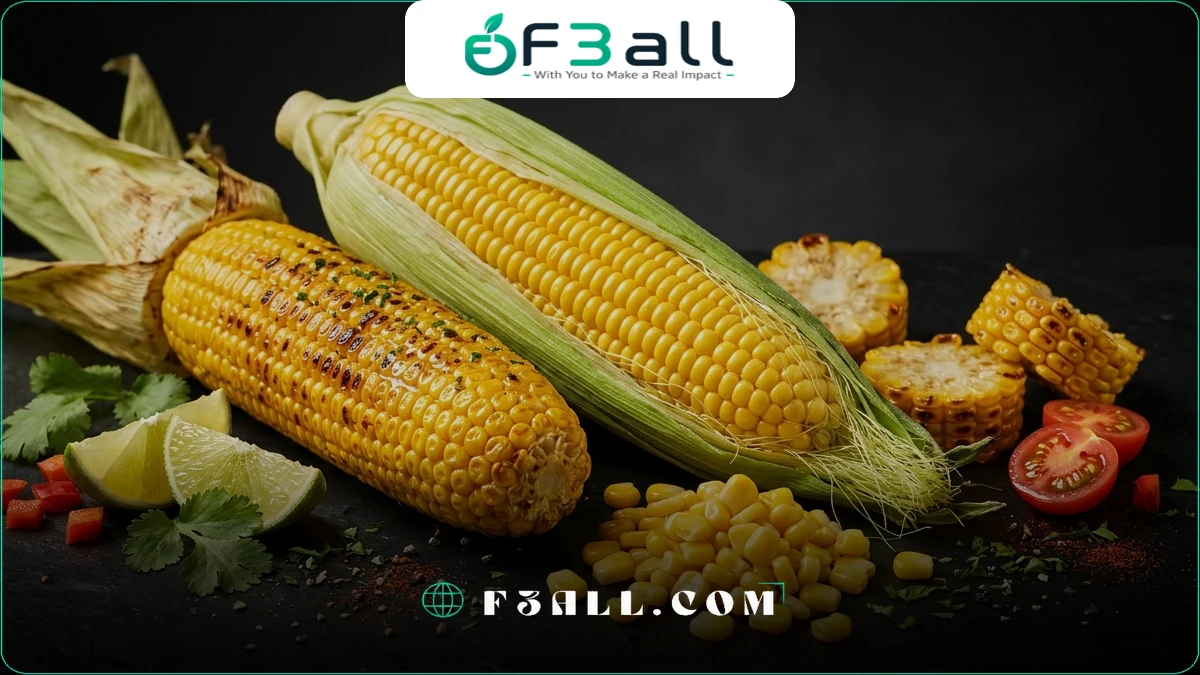
Corn Calories for Weight Loss depend on the variety, portion size, cooking method, and added ingredients.
Plain sweet corn is moderately calorie-dense compared with many non-starchy vegetables.
However, it generally contains fewer calories than many fried snacks and heavily processed side dishes.
Calories in Common Corn Portions
| Corn Portion | Approximate Calories |
| 50 g Cooked Sweet Corn | 45–50 |
| 75 g Cooked Sweet Corn | 70–75 |
| 100 g Cooked Sweet Corn | 90–100 |
| 150 g Cooked Sweet Corn | 135–150 |
| 1 Cup Cooked Corn Kernels | 140–160 |
| 1 Medium Ear of Corn | 80–110 |
Values are approximate. Ear size, variety, and preparation affect calorie content.
Does Boiled Corn Have Fewer Calories?
Boiling corn without added fat generally preserves a relatively simple nutritional profile.
However, cooking changes water content, so calorie comparisons should use consistent serving weights.
Does Grilled Corn Contain More Calories?
Plain grilled corn does not automatically contain more calories than boiled corn.
Added butter, oil, cheese, and sauces can increase the total.
What About Buttered Corn?
Consider an illustrative serving:
| Ingredient | Approximate Calories |
| 100 g Cooked Sweet Corn | 95 |
| 1 Teaspoon Butter | 35 |
| 1 Tablespoon Butter | 100 |
| Corn With 1 Tablespoon Butter | 195 |
The additional calories come mainly from the butter.
Is Canned Corn Higher in Calories?
Canned corn packed in water may have a similar calorie profile to fresh or frozen corn.
Products containing added sugar, butter, or sauces can differ.
What About Corn on the Cob?
Corn on the cob can be a convenient portion-controlled option because the kernels remain attached to the ear.
However, ear sizes vary.
For calorie-conscious meals, choose plain corn more often and measure calorie-dense toppings.
Corn Nutrition for Weight Loss – Fiber, Carbohydrates, and Micronutrients
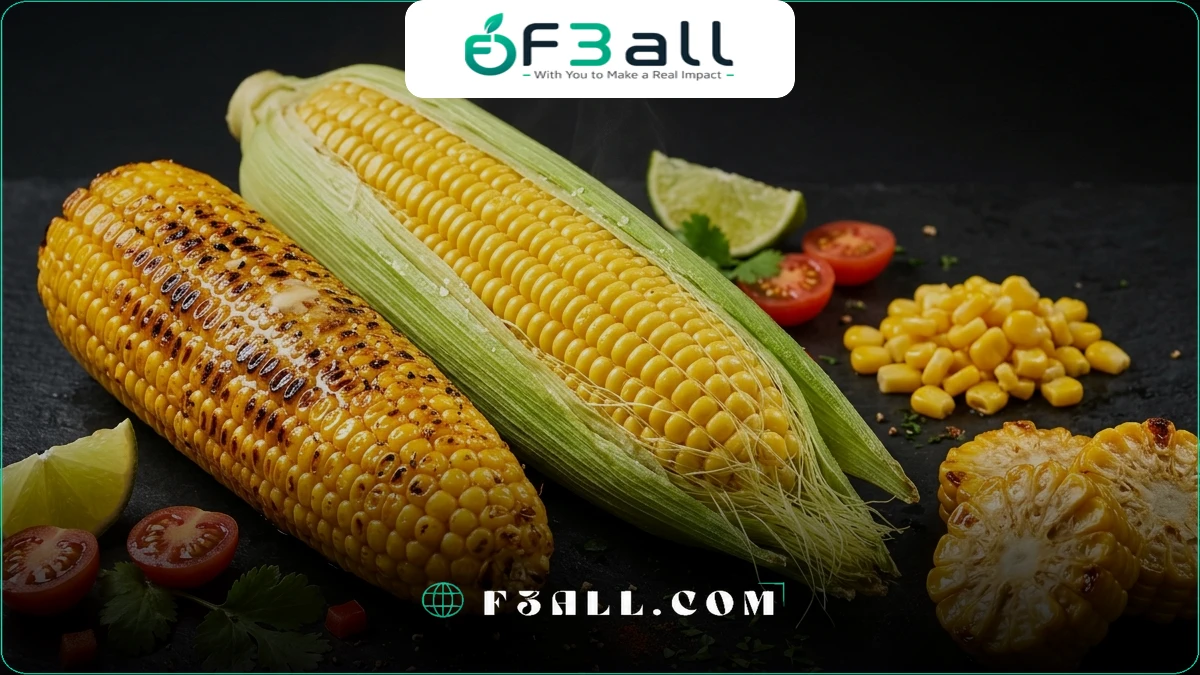
Corn Nutrition for Weight Loss involves understanding its carbohydrates, fiber, vitamins, and minerals.
Sweet corn contains more starch than many non-starchy vegetables, but it also provides useful nutrients.
Typical Nutrition in 100 Grams of Cooked Sweet Corn
| Nutrient | Approximate Amount |
| Calories | 95–100 kcal |
| Protein | 3–4 g |
| Carbohydrates | 20–22 g |
| Dietary Fiber | 2–3 g |
| Total Fat | 1–2 g |
| Potassium | Present |
| Magnesium | Present |
| Folate | Present |
| Thiamin | Present |
Values vary by variety and cooking method. USDA FoodData Central provides product-specific data.
Carbohydrates
Corn provides carbohydrates that the body can use for energy.
Carbohydrates are not inherently incompatible with weight loss.
The quantity consumed and the overall dietary pattern matter more.
Dietary Fiber
Fiber supports normal digestion and can contribute to fullness.
However, corn is not among the highest-fiber foods per calorie.
Beans, lentils, and certain whole grains often provide more fiber.
Protein
Corn contains some protein but is not a particularly concentrated protein source.
Pairing corn with beans, chicken, fish, eggs, or tofu can improve meal balance.
Vitamins and Minerals
Corn contributes several micronutrients, including B vitamins and minerals.
Exact quantities depend on the variety and preparation.
Lutein and Zeaxanthin
Yellow corn contains carotenoids such as lutein and zeaxanthin.
These compounds are associated with normal eye health, although eating corn does not guarantee prevention of eye disease.
Nutrition Priorities
| Nutritional Goal | Practical Approach |
| More Fiber | Combine Corn With Beans |
| More Protein | Add Chicken, Fish, or Tofu |
| More Vegetables | Include Leafy Greens |
| Lower Added Fat | Avoid Excess Butter |
| More Dietary Variety | Rotate Starchy Foods |
| Lower Sodium | Choose No-Salt-Added Corn |
Corn provides useful nutrients, but its greatest value comes when it is combined with other nutritious foods.
Read more about: Is Banana Helpful for Weight Loss | Benefits & Tips Now
Corn Benefits for Weight Loss – Six Practical Advantages
Corn Benefits for Weight Loss are mainly related to dietary fiber, convenience, and its role in balanced meals.
Corn does not contain a special compound that directly causes body-fat reduction.
1. Provides Dietary Fiber
Fiber contributes to digestive health and may support fullness.
2. Offers a Convenient Carbohydrate Source
Corn can replace some refined side dishes while contributing additional nutrients.
3. Contains Useful Micronutrients
Corn provides B vitamins, minerals, and plant compounds.
4. Works in Vegetable-Rich Meals
Adding corn to salads, soups, and grain bowls can increase variety.
5. Is Easy to Prepare
Frozen and canned corn can be used without extensive preparation.
6. Supports Flexible Meal Planning
Corn works with many protein sources and vegetables.
Benefits and Limitations
| Potential Benefit | Example | Important Consideration |
| Fiber | Corn and Bean Salad | Portion Size |
| Energy | Corn and Chicken Bowl | Carbohydrate Content |
| Convenience | Frozen Corn | Check Added Ingredients |
| Micronutrients | Sweet Corn Side Dish | Dietary Variety |
| Versatility | Corn Soup | Cream and Oil Add Calories |
| Flavor | Grilled Corn | Toppings Matter |
Does Corn Keep You Full?
Corn provides fiber and carbohydrates, which may contribute to satiety.
However, fullness varies by individual and meal composition.
Does Corn Boost Metabolism?
There is no convincing evidence that corn meaningfully accelerates metabolism or directly burns body fat.
Can Corn Replace Unhealthy Snacks?
Plain corn may be a useful alternative to certain calorie-dense snacks.
The nutritional difference depends on the foods being compared.
Corn’s benefits are most meaningful when it helps create balanced, satisfying meals.
Corn Serving Size for Weight Loss – How Much Should You Eat?
Corn Serving Size for Weight Loss depends on energy needs, activity, and other carbohydrate sources in the meal.
A common portion is approximately half a cup of cooked kernels.
However, there is no single serving size that guarantees weight reduction.
Practical Portion Examples
| Portion | Approximate Calories | Possible Use |
| 50 g | 48 | Salad Addition |
| 75 g | 72 | Small Side Dish |
| 100 g | 96 | Moderate Serving |
| 150 g | 144 | Larger Side Dish |
| 165 g | 158 | Approximately 1 Cup |
Is Half a Cup of Corn Enough?
Half a cup can be a practical portion alongside protein and non-starchy vegetables.
Can You Eat One Cup of Corn?
Yes.
One cup can fit into a balanced meal, although it contributes more carbohydrates and calories than a smaller serving.
Should Corn Replace Rice?
Corn can replace some rice in certain meals, but the nutritional difference depends on portion size.
What About Corn and Potatoes Together?
Both are starchy foods.
They can be eaten together, but the combined carbohydrate portion may be larger than intended.
Example Balanced Plate
A meal might include:
- 100 g cooked sweet corn.
- 120 g cooked chicken breast.
- 150 g mixed vegetables.
- A small amount of olive oil or another suitable dressing.
This provides protein, carbohydrates, and vegetables.
The most useful corn portion is one that fits your complete meal rather than a rigid daily rule.
Fresh, Frozen, and Canned Corn – Which Is Better?
Corn is available in several forms, each with different advantages.
Fresh Corn
Fresh corn provides flavor and texture and can be boiled, steamed, or grilled.
Frozen Corn
Frozen corn is convenient and often contains no added ingredients.
Canned Corn
Canned corn is shelf-stable and easy to prepare.
Some products contain added salt or other ingredients.
Comparison Table
| Feature | Fresh Corn | Frozen Corn | Canned Corn |
| Convenience | Moderate | High | High |
| Shelf Life | Shorter | Longer | Long |
| Added Salt | Usually None | Usually None | May Be Added |
| Preparation | Cooking Often Needed | Heating | Ready to Heat |
| Nutritional Value | Good | Good | Good |
| Portion Flexibility | Varies | High | High |
Is Frozen Corn Less Healthy?
Not necessarily.
Freezing can preserve nutrients, and plain frozen corn can be a nutritious option.
Should You Rinse Canned Corn?
Rinsing may help reduce some sodium when salt has been added.
Choosing no-salt-added products is another option.
Is Creamed Corn the Same as Sweet Corn?
No.
Creamed corn products may contain additional ingredients and have different calorie and sodium values.
Choose the form of corn that fits your budget and cooking habits while checking labels for added ingredients.
Corn Recipes for Weight Loss – Eight Easy Meal Ideas
Corn Recipes for Weight Loss can combine sweet corn with vegetables, legumes, and protein-rich foods.
The following recipes use moderate portions of corn and emphasize balanced ingredients.
Calorie estimates are approximate.
Recipe 1 – Corn and Black Bean Salad
Ingredients
- 100 g cooked sweet corn.
- 100 g cooked black beans.
- 100 g tomatoes.
- 50 g cucumber.
- Lime juice.
- Fresh cilantro.
Instructions
- Drain and rinse the black beans.
- Prepare the corn.
- Chop tomatoes and cucumber.
- Combine all ingredients.
- Add lime juice and cilantro.
Estimated calories: 240–290.
Black beans contribute fiber and plant protein.
Recipe 2 – Grilled Chicken and Corn Bowl
Ingredients
- 120 g cooked chicken breast.
- 100 g cooked sweet corn.
- 100 g lettuce.
- 100 g tomatoes.
- 50 g avocado.
- Lemon juice.
Instructions
- Cook chicken thoroughly.
- Prepare the corn.
- Wash and chop vegetables.
- Arrange ingredients in a bowl.
- Add avocado and lemon juice.
Estimated calories: 380–450.
This meal combines lean protein, vegetables, and carbohydrates.
Recipe 3 – Healthy Corn and Vegetable Soup
Ingredients
- 100 g sweet corn.
- 100 g carrots.
- 100 g zucchini.
- 300 ml low-sodium vegetable broth.
- Garlic and black pepper.
Instructions
- Chop vegetables.
- Bring broth to a simmer.
- Add carrots and zucchini.
- Stir in corn.
- Cook until vegetables are tender.
Estimated calories: 150–200.
This is a light vegetable-based soup.
Recipe 4 – Corn and Tuna Salad
Ingredients
- 100 g cooked sweet corn.
- 85 g drained tuna in water.
- 100 g cucumber.
- 100 g tomatoes.
- Lemon juice.
- Parsley.
Instructions
- Drain tuna.
- Prepare corn.
- Chop vegetables.
- Combine ingredients.
- Finish with lemon and parsley.
Estimated calories: 220–280.
Tuna adds protein to the corn-based salad.
Recipe 5 – Corn and Egg Breakfast Scramble
Ingredients
- 75 g cooked sweet corn.
- 2 eggs.
- 50 g spinach.
- 50 g tomatoes.
- Black pepper.
Instructions
- Beat eggs.
- Wilt spinach in a nonstick pan.
- Add corn and tomatoes.
- Pour in eggs.
- Cook until fully set.
Estimated calories: 230–280.
Eggs provide protein while corn adds carbohydrates.
Recipe 6 – Corn and Quinoa Vegetable Bowl
Ingredients
- 75 g cooked sweet corn.
- 100 g cooked quinoa.
- 100 g broccoli.
- 100 g bell peppers.
- 1 teaspoon olive oil.
Instructions
- Cook quinoa.
- Steam broccoli.
- Sauté peppers with measured olive oil.
- Add corn.
- Combine in a bowl.
Estimated calories: 280–340.
Quinoa contributes protein and additional nutrients.
Recipe 7 – Grilled Corn With Lime and Herbs
Ingredients
- 1 medium ear of corn.
- Lime juice.
- Paprika.
- Fresh parsley.
- Black pepper.
Instructions
- Remove husks and silk.
- Grill corn until tender.
- Rotate for even cooking.
- Add lime juice.
- Sprinkle herbs and spices.
Estimated calories: 80–115.
This provides flavor without requiring large amounts of butter.
Recipe 8 – Corn and Chickpea Lettuce Wraps
Ingredients
- 75 g cooked sweet corn.
- 100 g cooked chickpeas.
- 4 lettuce leaves.
- 100 g tomatoes.
- Lemon juice.
- Cumin.
Instructions
- Drain and rinse chickpeas.
- Prepare corn.
- Chop tomatoes.
- Combine with lemon and cumin.
- Fill lettuce leaves.
Estimated calories: 230–290.
Chickpeas contribute fiber and plant protein.
Recipe Comparison
| Recipe | Estimated Calories | Main Feature |
| Corn and Black Bean Salad | 240–290 | Fiber |
| Chicken and Corn Bowl | 380–450 | Lean Protein |
| Vegetable Corn Soup | 150–200 | Vegetables |
| Corn and Tuna Salad | 220–280 | Protein |
| Corn and Egg Scramble | 230–280 | Breakfast Protein |
| Corn and Quinoa Bowl | 280–340 | Whole Grains |
| Grilled Corn | 80–115 | Simple Side Dish |
| Chickpea Lettuce Wraps | 230–290 | Plant Protein |
These recipes demonstrate how corn can contribute flavor and nutrients without dominating the entire meal.
Read more about: Detoxifying Water for Weight Loss | Explore Recipes Now
Corn Diet Plan – A Balanced Seven-Day Schedule
A Corn Diet Plan should not involve eating corn at every meal.
A balanced approach includes different protein sources, vegetables, fruit, whole grains, and healthy fats.
Seven-Day Corn Meal Plan
| Day | Corn-Based Meal | Other Nutrition Focus |
| Monday | Corn and Black Bean Salad | Eggs and Vegetables |
| Tuesday | Grilled Chicken and Corn Bowl | Fruit and Whole Grains |
| Wednesday | Vegetable Corn Soup | Fish and Leafy Greens |
| Thursday | Corn and Tuna Salad | Lentils and Vegetables |
| Friday | Corn and Egg Scramble | Whole-Grain Bread |
| Saturday | Corn and Quinoa Bowl | Yogurt or Plant Protein |
| Sunday | Grilled Corn With Herbs | Beans and Mixed Vegetables |
How to Follow the Plan
- Adjust portions to individual calorie needs.
- Include adequate protein.
- Eat different fruits and vegetables.
- Include fiber-rich foods.
- Use moderate amounts of added fat.
- Drink water regularly.
- Maintain appropriate physical activity.
Can You Eat Corn Every Day?
Yes, corn can be included daily in a varied diet.
However, rotating vegetables and carbohydrate sources helps provide nutritional diversity.
Is a Corn-Only Diet Healthy?
No.
Corn alone cannot provide the complete range of nutrients required for a balanced diet.
Should Corn Replace Dinner?
Corn can be part of dinner, but eating corn alone may not provide sufficient protein or other nutrients.
A practical corn meal plan uses corn as one ingredient among many nutritious foods.
Corn Best Time to Eat – Breakfast, Lunch, or Dinner
Corn Best Time to Eat depends on your appetite, schedule, and activity.
There is no established time of day when eating corn produces greater fat loss.
Corn at Breakfast
Corn can be added to egg scrambles, vegetable bowls, or savory breakfast dishes.
Corn at Lunch
Corn works well in salads, soups, and grain bowls.
Corn at Dinner
Corn can be served with fish, chicken, tofu, or beans.
Corn Before Exercise
Corn provides carbohydrates that can contribute to exercise fuel.
However, digestive comfort and meal timing vary.
Corn After Exercise
Corn can contribute carbohydrates to a recovery meal.
Pairing it with protein may help create a more balanced option.
Timing Comparison
| Time | Practical Use | Suggested Pairing |
| Breakfast | Savory Scramble | Eggs |
| Lunch | Salad or Bowl | Beans or Chicken |
| Dinner | Side Dish | Fish or Tofu |
| Before Exercise | Carbohydrate Source | Easily Digested Meal |
| After Exercise | Recovery Carbohydrates | Protein Source |
Does Eating Corn at Night Cause Weight Gain?
Not automatically.
Overall energy balance matters more than the time corn is eaten.
Is Corn Better on an Empty Stomach?
There is no established weight-loss advantage to eating corn on an empty stomach.
Choose meal timing based on comfort and consistency rather than unsupported fat-burning claims.
Corn for Belly Fat – Can Corn Reduce Abdominal Fat?
Corn for Belly Fat is a common search because fiber-rich foods are frequently associated with weight management.
However, corn does not selectively remove fat from the abdomen.
Understanding Abdominal Fat
Subcutaneous fat lies beneath the skin.
Visceral fat surrounds internal organs and is associated with increased cardiometabolic risk when present in excess.
Does Corn Burn Belly Fat?
No.
Corn contains carbohydrates, fiber, and micronutrients, but it does not directly target abdominal fat.
Can Fiber Help With Weight Management?
Fiber can contribute to fullness and digestive health.
However, increasing fiber intake does not guarantee fat loss.
Does Corn Cause Belly Fat?
Corn does not automatically cause abdominal-fat accumulation.
Consistently consuming more calories than needed can contribute to weight gain, regardless of the food source.
Claims Compared With Evidence
| Claim | Scientific Assessment |
| Corn Melts Belly Fat | Unsupported |
| Corn Contains Fiber | True |
| Corn Is a Starchy Vegetable | True |
| Corn Guarantees Waist Reduction | False |
| Overall Weight Loss May Reduce Waist Size | True |
| Corn Can Fit a Balanced Diet | True |
What Supports Abdominal-Fat Management?
Balanced nutrition, regular physical activity, resistance training, sufficient sleep, and appropriate medical care can support overall body-fat management.
Corn can contribute to nutritious meals, but it does not specifically eliminate belly fat.
Corn Weight Loss Results – What to Expect
Corn Weight Loss Results depend on portion sizes, cooking methods, and the foods corn replaces.
Simply adding corn to your diet does not guarantee weight reduction.
Example Food Substitution
Suppose someone replaces a 250-calorie fried side dish with 100 grams of plain cooked sweet corn containing approximately 95 calories.
The illustrative difference is 155 calories.
| Number of Substitutions | Calorie Difference |
| One | 155 |
| Five | 775 |
| Ten | 1,550 |
| Twenty | 3,100 |
These are mathematical calorie differences, not guaranteed weight-loss outcomes.
Results After Seven Days
You may improve meal variety and portion awareness.
Results After 30 Days
If dietary changes support a sustained calorie deficit, weight reduction may occur.
Results After 90 Days
Longer-term changes depend on consistent nutrition, activity, health, and individual physiology.
Does Corn Cause Rapid Weight Loss?
No.
There is no convincing evidence that corn alone produces rapid fat loss.
How Should You Track Progress?
Consider dietary quality, portion sizes, physical activity, and consistent weight trends when appropriate.
Realistic results come from sustainable eating habits rather than expecting corn to cause weight loss independently.
Read more about: Coffee Weight Loss Drink | Explore Recipes and Tips Now
Corn vs Alternatives for Weight Loss – Comparing Common Side Dishes
Corn vs Alternatives for Weight Loss involves comparing calories, fiber, carbohydrates, and serving sizes.
Different foods offer different nutritional advantages.
Food Comparison per 100 Grams Cooked
| Food | Approximate Calories | Main Feature |
| Sweet Corn | 95–100 | Carbohydrates and Fiber |
| White Rice | 125–135 | Carbohydrates |
| Brown Rice | 110–125 | Whole Grain |
| Boiled Potato | 85–90 | Potassium |
| Sweet Potato | 85–95 | Beta-Carotene |
| Green Peas | 80–90 | Fiber and Protein |
| Broccoli | 30–40 | Non-Starchy Vegetable |
| Cauliflower | 20–30 | Lower-Calorie Vegetable |
| Quinoa | 115–125 | Protein and Fiber |
Values are approximate and vary with preparation and water content.
Corn vs Rice
Corn may contain fewer calories per 100 grams than cooked white rice.
However, both can fit into balanced diets.
Corn vs Potatoes
Boiled potatoes often contain slightly fewer calories per 100 grams than cooked corn.
Preparation methods and toppings can change the comparison substantially.
Corn vs Sweet Potatoes
Sweet potatoes provide beta-carotene, particularly orange-fleshed varieties.
Corn provides different micronutrients and carotenoids.
Corn vs Green Peas
Green peas generally provide more protein and fiber per calorie than sweet corn.
Corn vs Broccoli
Broccoli contains fewer calories and carbohydrates per 100 grams.
However, corn provides more energy and can serve as a starchy component of a meal.
Corn vs Quinoa
Quinoa provides protein and fiber and is commonly used as a grain-based side dish.
Which Is Best for Weight Loss?
There is no universally superior choice.
A balanced diet can include corn, potatoes, rice, legumes, and non-starchy vegetables in appropriate portions.
Choose side dishes based on nutritional variety and meal balance rather than labeling one carbohydrate food as inherently fattening.
Sweet Corn vs Popcorn vs Cornmeal – Important Differences
Not all corn-based foods have the same nutritional profile.
Sweet corn, popcorn, cornmeal, and corn chips differ in processing, water content, and preparation.
Sweet Corn
Sweet corn is commonly boiled, steamed, or grilled.
It contains substantial moisture and is usually eaten as a vegetable side dish.
Popcorn
Popcorn is made from a different type of corn kernel.
Air-popped popcorn is a whole-grain snack that provides fiber.
Cornmeal
Cornmeal is made from dried, ground corn.
It is used in porridge, cornbread, and other recipes.
Corn Chips
Corn chips are often fried or made with added oil and salt.
Their calorie density is generally higher than plain sweet corn.
Comparison Table
| Corn Product | Common Preparation | Main Consideration |
| Sweet Corn | Boiled or Grilled | Portion and Toppings |
| Popcorn | Air-Popped | Butter and Oil |
| Cornmeal | Cooked Into Porridge | Recipe Ingredients |
| Corn Tortillas | Baked or Heated | Portion Size |
| Corn Chips | Fried or Oil-Added | Calorie Density |
| Creamed Corn | Prepared With Sauce | Added Ingredients |
Is Popcorn Better for Weight Loss Than Sweet Corn?
Air-popped popcorn can be a useful high-volume snack.
Sweet corn is more commonly used as part of a meal.
Neither is automatically superior.
Are Corn Chips Healthy for Weight Loss?
They can fit occasionally, but many varieties contain substantial added fat and sodium.
Is Cornmeal Good for Weight Loss?
Cornmeal can be part of balanced meals, but calories depend on the portion and ingredients.
Different corn products should be evaluated individually rather than treated as nutritionally identical.
Common Mistakes When Eating Corn for Weight Loss
Corn can fit into balanced eating, but several habits may increase calories or reduce nutritional variety.
Mistakes to Avoid
- Adding excessive butter: Increases calories and saturated fat.
- Using heavy creamy sauces: Changes the nutritional profile.
- Eating oversized portions: Corn contributes carbohydrates and energy.
- Ignoring other starches: Combining large portions of corn, rice, and potatoes can increase total calories.
- Choosing salty canned products without checking labels: Sodium content varies.
- Assuming corn is calorie-free: Corn is a starchy vegetable.
- Replacing complete meals with corn: Corn alone lacks sufficient protein and nutritional variety.
- Expecting belly-fat reduction: No food selectively burns abdominal fat.
Better Choices
| Common Mistake | Better Approach |
| Excess Butter | Use Herbs and Lime |
| Oversized Portions | Measure Cooked Corn |
| Low Protein | Add Beans, Fish, or Chicken |
| Low Vegetable Variety | Include Leafy Greens |
| High Sodium | Choose No-Salt-Added Corn |
| Heavy Sauces | Use Lighter Seasonings |
| Unrealistic Expectations | Focus on Overall Dietary Habits |
Who May Need Special Considerations?
People managing diabetes may need to account for corn’s carbohydrate content as part of individualized meal planning.
Those with specific digestive conditions may need to adjust fiber intake according to tolerance.
Individuals with corn allergies should avoid corn and relevant corn-derived ingredients.
Is Corn Safe During Pregnancy?
Properly washed and cooked corn can generally be included in a balanced pregnancy diet.
Food safety and nutritional variety remain important.
Corn is most useful when prepared simply and combined with a range of other nutritious foods.
Why F3all Is Your Best Choice
At F3all, our Is Corn Healthy for Weight Loss guide focuses on practical nutrition, realistic expectations, and informed food choices.
We explain how corn can fit into balanced eating without exaggerated claims about rapid fat loss.
- Calorie Comparisons: Understand different corn portions and preparations.
- Nutrition Guidance: Explore carbohydrates, fiber, and micronutrients.
- Serving Size Examples: Choose practical portions.
- Healthy Recipes: Prepare eight balanced corn-based dishes.
- Seven-Day Planning: Include corn within varied meals.
- Belly-Fat Facts: Separate evidence from unsupported claims.
- Food Comparisons: Evaluate corn alongside rice, potatoes, peas, and other alternatives.
Explore more healthy eating resources at F3all.
F3all helps readers make informed nutrition choices that support sustainable health and weight-management goals.
Frequently Asked Questions
Is Corn Healthy for Weight Loss?
Yes. Corn can fit into a balanced weight-loss diet because it provides carbohydrates, fiber, and micronutrients. Portion size and preparation remain important.
How Many Calories Are in Corn?
Cooked sweet corn typically contains approximately 90–100 calories per 100 grams, depending on the variety and preparation.
Is Corn High in Carbohydrates?
Corn is a starchy vegetable and contains more carbohydrates than many non-starchy vegetables.
Can I Eat Corn Every Day While Losing Weight?
Yes. Corn can be eaten regularly as part of a varied diet when portions and overall energy intake are appropriate.
Does Corn Burn Belly Fat?
No. Corn does not selectively reduce abdominal fat.
What Is a Good Corn Serving Size for Weight Loss?
Approximately half a cup of cooked corn can be a practical serving, although individual needs vary.
Is Boiled Corn Better Than Fried Corn?
Plain boiled corn generally contains less added fat than fried corn products, making it a useful option for calorie-conscious meals.
Is Corn Better Than Rice for Weight Loss?
Corn may contain fewer calories per 100 grams than cooked white rice, but both can fit into balanced diets.
What Is the Best Time to Eat Corn?
There is no proven optimal time for weight loss. Corn can be eaten at breakfast, lunch, or dinner.
How Much Weight Can I Lose in 30 Days Eating Corn?
No specific amount can be guaranteed. Weight changes depend on total calorie intake, physical activity, health, and individual circumstances.
In the End
Is Corn Healthy for Weight Loss? Yes, corn can be a nutritious part of a balanced eating pattern when consumed in appropriate portions.
Sweet corn provides carbohydrates, dietary fiber, vitamins, and minerals. Plain boiled, steamed, or grilled corn can be a practical addition to meals, especially when paired with protein-rich foods and non-starchy vegetables.
However, corn does not directly burn fat, guarantee weight reduction, or selectively reduce belly fat.
For sustainable progress, pay attention to portions, limit calorie-dense toppings, choose varied carbohydrate sources, and maintain balanced meals.
Enjoy corn as a versatile, nutrient-containing food while focusing on consistent habits that support long-term health and weight management.
References